Minwax Wood Finish Wax Review: Is It Worth Using on Wood?
Minwax Wood Finish Wax is useful on already sealed furniture when you want a low-sheen hand-rubbed feel, light touch-ups, and easier buffing, but it cannot replace varnish, lacquer, or polyurethane. Put it on the wrong surface or over the wrong topcoat, and you can end up with smears, trapped dirt, or adhesion problems that waste refinishing time. This review explains where it works, where it fails, and whether it belongs in your finishing kit.
Verdict
The short answer is yes, with limits. It makes sense on sound furniture that needs a softer surface look, a little grain pop, or a modest cosmetic refresh. It is a poor choice for raw tabletops, wet areas, film-finish repairs, and any surface that needs real build, stain resistance, or water resistance.
📊 Minwax Wood Finish stain dries in 2 hours. Source: Stains.
Specs at a glance
| Item | What Minwax says or positions it as |
|---|---|
| Product type | Wax for grain |
| Primary use | Furniture and small restoration projects |
| Look | Low-sheen, soft-touch, matte-leaning appearance |
| Surface effect | Can bring out the natural wood grain |
| Variant to note | Soft Touch Finishing Wax, positioned for a velvety-soft matte finish |
| Basic use pattern | Apply a thin coat, let it set, then buff |
| Tooling | Cloth, brush, or applicator pad |
| Best fit | Already finished furniture, antique touch-ups, light cosmetic refreshes |
| Poor fit | Raw wood that needs a finish system, high-wear surfaces, moisture-prone areas |
Who it is for
Minwax Wood Finish Wax is for you if the project needs a gentler finish, not a rebuild. It suits already sealed furniture, antique pieces with intact finish, and decorative pieces where a soft hand-rubbed look matters more than hard protection.
It also fits users who want simpler upkeep than a full refinish. A thin wax layer can make a piece feel smoother and look more even, but treat it as a surface dressing, not a structural fix.
Best-fit project types
Think side tables, dressers, picture frames, cabinets with stable existing finish, and small restoration jobs where the goal is to quiet glare. Minwax says its grain-highlighting wax can bring out the natural wood grain, which is the right kind of promise for this category.
Surfaces that need a light touch, not a rebuild
Wax is most useful when the finish is dull rather than broken. If the coating is intact but tired, a wax can change the feel and sheen enough to make the piece more pleasant without stripping it.
Users who want easier upkeep than a full refinish
Wax is often chosen when sanding and recoating would be too disruptive for the project. That said, easier upkeep does not mean stronger protection. On a dining table or desk that sees constant contact, a film finish still does the heavier job better.
What works

Minwax Wood Finish Wax works best as a cosmetic and tactile finish layer. It can bring out grain, cut glare, and leave a softer hand feel than a harder topcoat, especially on furniture that already has a sound finish underneath.
Grain, feel, and sheen
Minwax says its wax can bring out the natural wood grain. In practice, that kind of product usually deepens the look without adding much color of its own. The surface tends to read as low sheen rather than glossy, which is why many users want it for a hand-rubbed look.
Minwax also positions Soft Touch Finishing Wax for a velvety-soft matte finish. That makes it the more specific choice when the goal is a muted surface rather than a brighter, polished look.
Application basics
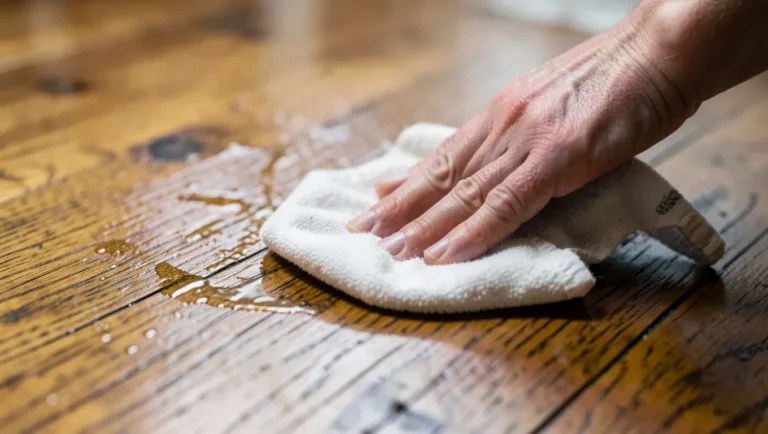
- Clear dust, oily residue, and dried polish from the surface so they do not get locked under the wax.
- Apply a thin coat with a cloth, brush, or applicator pad, then spread it evenly in small sections.
- Let the wax set before buffing.
- Buff lightly with a clean cloth until the sheen levels out.
- Test first on a hidden spot, especially on antique or previously coated furniture.
Say your dresser top has a dull 18-inch square where lamps have left the surface looking flat. Wax can help even out that appearance without forcing a full refinish. On the other hand, if the top has peeling film or white water rings, wax will not solve the underlying damage.
What it protects, and what it does not
Wax can provide a short-term protective feel against fingerprints and light scuffs. It does not create the durable barrier that polyurethane, lacquer, or varnish provides. It also will not fix scratches, swollen fibers, or water damage.
A common first-timer mistake is treating wax like a repair product. It is better viewed as a finishing aid. If the existing coating is failing, wax can make the failure more noticeable, not less.
What does Minwax Wood Finish Wax actually do to wood?
Minwax Wood Finish Wax changes the surface look and feel more than the wood itself. It can add a lower-sheen finish, a softer touch, and a bit of grain pop, but it does not penetrate and color wood the way a stain does, and it does not build a hard protective film.
How it changes grain, feel, and sheen
On a sound finish, wax can make grain read more clearly and reduce the chalky look that older furniture sometimes gets. The feel is usually smoother and less plastic-like than a film coating. The sheen lands somewhere between matte and a soft low luster, depending on prep and buffing.
How it differs from regular furniture polish
Furniture polish is usually about temporary shine, dust reduction, or conditioning agents. Wax is a surface coating that stays behind after buffing. That means it is more durable than a quick spray polish, but it is also more likely to haze or show residue if you overapply it.
Regular polish is better for routine dusting. Wax is better when you want a small, controlled change in feel or sheen on finished wood.
Can you use it over stain or bare wood?
Yes over cured stain or a stable finish, but bare wood is a different case. Wax can sit on raw wood, yet it is not the right standalone answer for most unfinished furniture because it offers limited protection and can look blotchy or uneven if the surface prep is weak.
Bare wood limits and risks
Raw wood drinks finishes unevenly. Wax does not solve that problem the way stain and a proper topcoat system can. If you are working with unfinished furniture, a stain is usually the more appropriate first step, followed by the right protective finish.
For that kind of project, Minwax Wood Finish stain is the better fit because it is a penetrating oil-based wood stain, it brings out the natural wood grain, and it dries in 2 hours. Minwax says it is ideal for unfinished wood furniture, and it is also positioned for cabinets, doors, trim, molding, and hardwood floors.
Stained wood and cured finish compatibility
Wax is more comfortable over cured stain, sealed wood, or older finish that still bonds well. That makes it useful for touch-ups on antique furniture and decorative pieces where you want a cleaner surface look without sanding back to bare wood.
When to stop and choose a topcoat instead
If the project needs scratch resistance, moisture resistance, or repairability, stop at wax and move to a real finish system. That is the right call for countertops, tabletops with heavy wear, and surfaces that regularly see water or heat.
Decision table: where it fits and where it fails
| Furniture scenario | Use wax? | Likely risk level | Better choice if wax is a poor fit |
|---|---|---|---|
| Bare wood furniture | No | High | Stain plus a protective topcoat |
| Stained wood | Yes, if the stain is cured | Low to medium | Topcoat if you need more protection |
| Cloudy or tired finish | Maybe, if the finish is intact | Medium | Cleaning, polishing, or refinishing if the cloudiness is damage |
| Antique piece | Yes, with caution | Medium | Conservation-minded cleaning or specialist repair for fragile finishes |
| High-use table | No | High | Durable film finish or full refinish |
| Sealed modern furniture | Yes, if you want a softer look | Low | Leave it alone if the current finish already works |
What does not
The biggest drawback is that wax is easy to overestimate. It can look good on a stable surface, but it is a weak answer for surfaces that take abuse. It also cannot fix failed finish systems, and it can be annoying to remove if you later decide to repaint or refinish.
Failure cases: haze, streaking, residue, and wear limits
Too much wax can leave haze or streaking, especially if the coat is thick or buffing is uneven. Sticky residue usually means the layer was applied too heavily or the surface was not clean enough. Those are common failure modes on furniture that has old oils, dust, or polish buildup.
Suppose a kitchen chair has a glossy, factory-applied topcoat with grime in the corners. Wax may make those corners look filmy instead of cleaner. In that case, a proper cleaning step or a different finish strategy is smarter.
When wax is the wrong choice
Skip wax on moisture-prone areas, high-traffic surfaces, and film-finish repairs where adhesion matters. It is also the wrong tool when the goal is to rebuild a damaged finish, because wax sits on top rather than restoring the coating underneath.
Alternatives


Howard Products Feed-N-Wax is the easier alternative when you want a furniture polish feel with conditioning oils and a soft luster. Based on the spec sheet and owner feedback, its strength is quick cosmetic refresh on wood surfaces. Its drawback is the same one many polishes share: it does not replace a real protective finish, and the softer, oily profile can be a poor match for surfaces that need a harder repair layer.
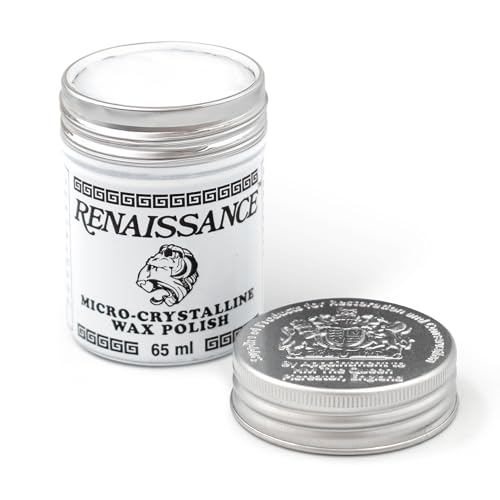
Renaissance Micro-Crystalline Wax Polish is the better pick when you want a more protective wax film on mixed materials, including wood, metal, and leather. Its micro-crystalline formula is its advantage, especially for conservation-minded work. The drawback is that it is more specialized and usually less straightforward for casual furniture touch-ups than a simple furniture wax.
Minwax Soft Touch Finishing Wax versus standard paste wax
Use Soft Touch Finishing Wax when the target is a velvety-soft matte finish. Use a standard paste wax when you want a more general low-sheen rub-out. The difference is mostly in the final feel and sheen target, not in the basic idea: both are surface dressings, not structural protection.
Oil-based stain versus water-based stain for unfinished wood
For unfinished wood furniture, stain is usually the better first step than wax. Minwax Wood Finish is an oil-based wood stain that brings out grain and dries in 2 hours. Minwax Wood Finish Water-Based Solid Color Stain and Wood Finish Water-Based Semi-Transparent Color Stain both dry in 1 hour, so they are the faster route when dry time matters more than the oil-stain look.
Oil-based stain usually reads deeper and more traditional on open grain wood. Water-based stain is often chosen when you want quicker turnaround and a different color strategy. Both beat wax on raw wood because they actually color and prepare the surface instead of merely dressing it.
When a stain, polish, or full refinish is the better buy
If the piece is raw, stained wood is the better path. If the piece is already sealed and only needs a softer appearance, wax or polish can make sense. If the finish is damaged, peeling, or watermarked, a full refinish or targeted repair is the better investment.
Minwax’s Color Visualizer is useful before you buy stain, not wax. It helps you preview the stain direction for a project, which matters most when you are choosing between color families rather than surface dressings.
Should you buy it
Buy Minwax Wood Finish Wax if you want a low-risk cosmetic change on already finished furniture, especially for antique pieces, sealed furniture, and small restoration jobs. Skip it if you need durability, moisture resistance, or a solution for raw wood. For unfinished furniture, stain and a proper protective finish are the stronger plan.
As a kit item, it earns a place beside a cloth, pad, and a decent cleaner. As a finish system by itself, it does not go far enough.
Frequently asked questions
Is Minwax Wood Finish Wax worth using on furniture?
Yes, if the furniture already has a stable finish and you want a softer feel or lower sheen. It is not worth using as a substitute for varnish, lacquer, or polyurethane, and it is a poor choice when the surface needs real repair rather than a cosmetic refresh.
How is Minwax Wood Finish Wax different from regular furniture polish?
Furniture polish is usually lighter, more temporary, and aimed at dusting or quick shine. Wax leaves a coating behind after buffing, so it gives more lasting surface change. That also means it can haze or build residue if you apply too much or use it on a dirty surface.
Does Minwax Wood Finish Wax leave a matte finish or shine?
It usually leaves a low-sheen look, and the Soft Touch Finishing Wax variant is specifically positioned for a velvety-soft matte finish. The final result depends on prep, application thickness, and buffing, so a heavier coat can look dull or smeary rather than clean and soft.
What tools do you need to apply Minwax Wood Finish Wax?
A cloth, brush, or applicator pad is enough for most jobs. You also need a clean buffing cloth and a surface that has been dusted or cleaned first. Thin application matters more than fancy tooling, because overapplication is a common source of haze and sticky residue.
How long does wax take to dry before buffing?
Wax should be allowed to set before buffing, but the exact wait depends on the product directions, temperature, and coat thickness. Follow the label rather than guessing. If the surface still feels wet or grabs the cloth, it is too soon to buff.
Is wax better than oil-based stain for unfinished wood?
No. For unfinished wood, stain is the better first step because it colors the wood and prepares it for a protective finish. Minwax Wood Finish is a penetrating oil-based wood stain that brings out grain, and Minwax says it dries in 2 hours. Wax is not a full substitute.
Sponsored / affiliate links. As an Amazon Associate I earn from qualifying purchases. I may earn additional commission from eligible campaigns.