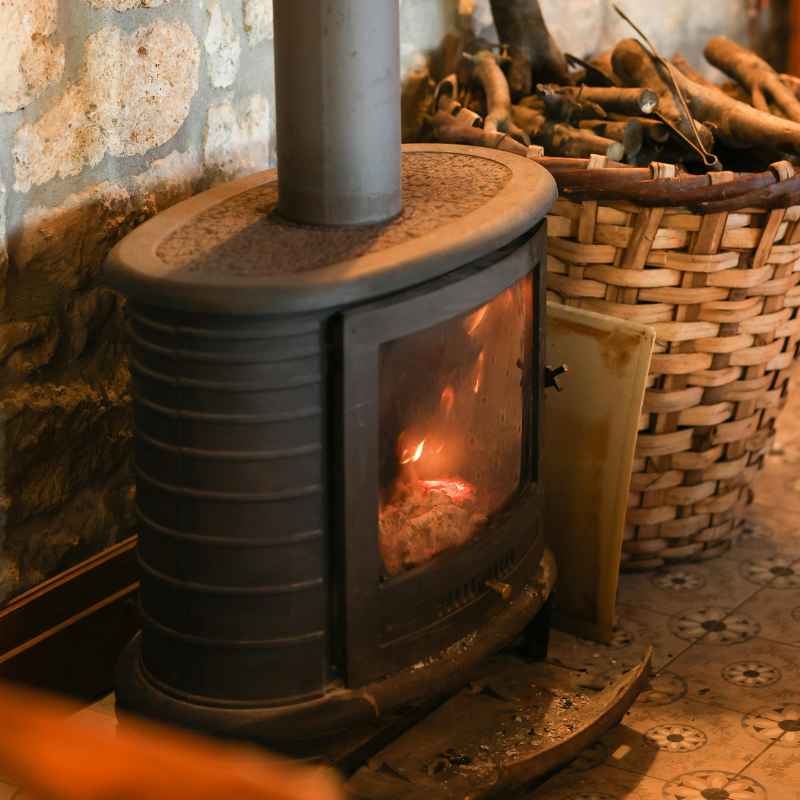
Northern Leader Wood Stove: Features, Heat Output & Review
Northern Leader wood stoves are designed to offer efficient and reliable heating for homes. They typically feature durable construction, user-friendly controls, and good heat output, making them a popular choice for those seeking warmth and ambiance. Their design often balances traditional aesthetics with modern efficiency standards.
Understanding Northern Leader Wood Stoves
Northern Leader wood stoves are made to heat your home. They burn wood to make warmth. This warmth then spreads through your house.
Many people choose them because they offer a natural heat. It feels different from forced air systems. It’s a comforting, radiant warmth.
These stoves are built to last. They use strong materials. This means they can handle high heat for many years.
They are often made with cast iron or thick steel. This helps them hold heat and release it slowly. This makes your home feel warm for longer.
The way they work is quite simple. You put dry wood inside the firebox. You light the wood, and it burns.
As it burns, it creates heat and smoke. The stove has a special way to move the smoke up through a chimney. This keeps the smoke out of your room.
A key part of how these stoves work is the air control. You can adjust the air going into the stove. More air makes the fire burn hotter and faster.
Less air makes the fire burn slower and cooler. This helps you control how much heat you get. It also helps you make the wood last longer.
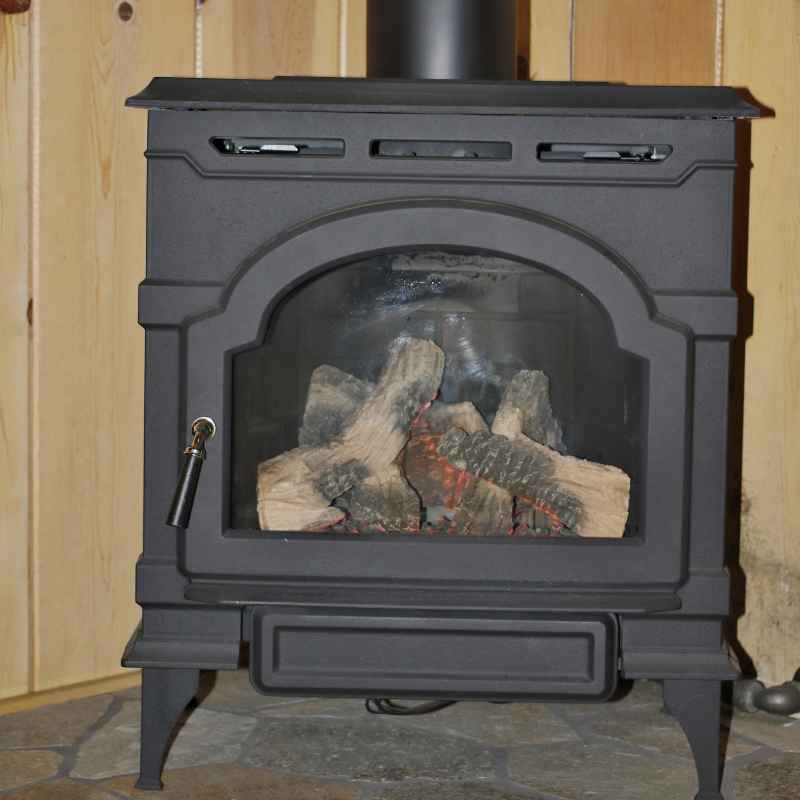
Many models have a glass door. This lets you see the fire. It adds a nice visual element to your room.
It makes the stove feel like a centerpiece. The glass is usually made of special ceramic. This glass can withstand very high temperatures.
It also stays cleaner with good burning practices.
The efficiency of a wood stove is important. It means how well it turns wood into heat. Modern stoves are much more efficient than old ones.
This means you use less wood. You also create less smoke and ash. Northern Leader stoves aim for good efficiency.
This saves you money and is better for the air.
When you buy a Northern Leader stove, you’ll see its heat output rating. This is usually measured in British Thermal Units (BTUs). A higher BTU number means it can heat a larger space.
You need to match the stove’s output to the size of your home. A stove that’s too small won’t heat well. A stove that’s too big can overheat your space.
Installation is also a big part of having a wood stove. It needs to be put in safely. This involves a proper chimney or flue system.
It also needs space around it to prevent fires. It’s wise to follow all local building codes. You might need professional help to install it.
Choosing a wood stove is a big decision. You want one that fits your needs. You want one that is reliable.
You also want one that adds to the look of your home. Northern Leader stoves are designed to meet these needs for many homeowners. They offer a blend of form and function that many people appreciate.
My First Wood Stove Experience: A Chilly Evening
I remember one particularly cold winter night. The power had gone out. It was completely dark and the temperature was dropping fast.
My little apartment felt like an icebox. I had just moved in and hadn’t fully set up my heating system yet. That’s when I remembered my neighbor, old Mr.
Henderson, had a wood stove. He was always so proud of it.
I bundled up and went over to his place. He happily welcomed me in. The moment I stepped inside, I felt a wave of warmth.
It was a different kind of heat. It was deep and comforting. The air smelled faintly of woodsmoke, but in a good, cozy way.
The fire in his stove crackled and popped, casting dancing shadows on the walls.
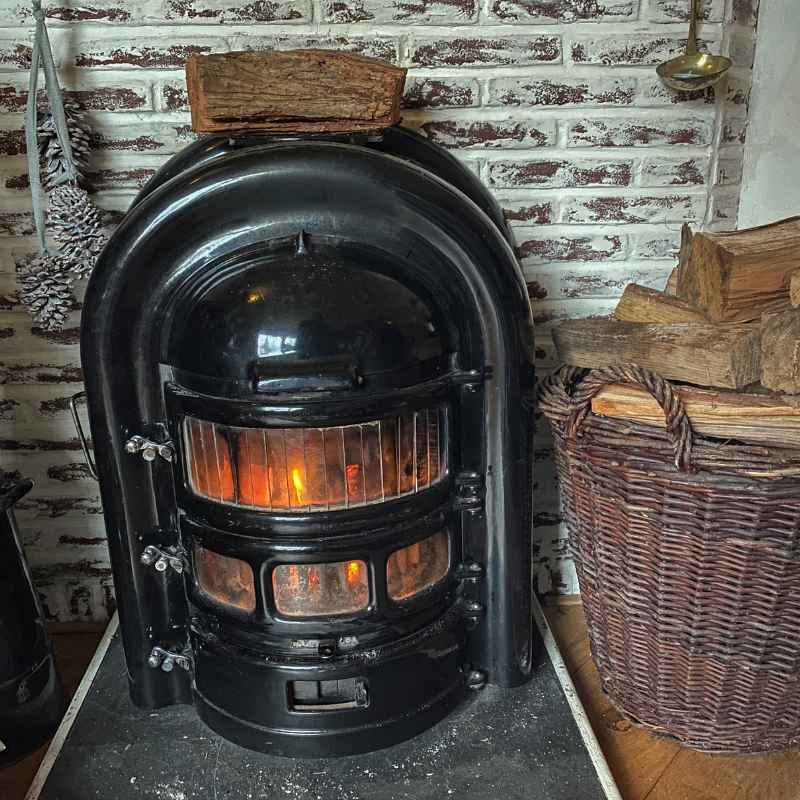
He showed me his Northern Leader stove. It was an older model, but it looked solid and well-made. He explained how he’d had it for years.
He said it was the most reliable thing in his house, especially during power outages. He let me watch as he added a few more logs. The way he handled the poker and the ash pan seemed like an art.
He explained how important dry wood was. He also talked about getting the airflow just right. Too much air and the fire burns too fast.
Too little and it smolders and makes a mess. He adjusted a small knob on the front. The flames seemed to respond instantly, growing a little brighter.
I stood there for a while, just mesmerized by the fire. It felt so primal and so safe. It was a stark contrast to the sterile, sometimes unreliable, feeling of electric heat.
He offered me a cup of hot tea, warmed right on top of the stove. That tea was the best I had ever tasted.
Leaving his place and going back to my cold apartment felt even worse. But I left with a new appreciation for wood stoves. That night, I decided I needed to get one for myself.
It wasn’t just about heat; it was about a feeling of security and a connection to something more basic. It was a lesson in self-sufficiency and the simple power of a well-built fire.
Wood Stove Basics: What You Need to Know
Fuel Type: These stoves burn seasoned hardwood. Dry wood burns cleaner and hotter. Wet or green wood creates more smoke and creosote.
Creosote can build up in your chimney. This can be a fire hazard.
Air Controls: Most stoves have primary and secondary air intakes. Primary air feeds the base of the fire. Secondary air helps burn the smoke.
Adjusting these controls manages the burn rate. It also affects efficiency.
Flue and Chimney: A proper chimney is vital. It safely vents smoke and gases outside. It needs to be the right size for the stove.
It also needs to be installed correctly. Regular inspections are a must.
Ash Pan: Wood stoves produce ash. The ash pan collects this ash. It needs to be emptied regularly.
Do this when the ashes are cool. Never put ashes in a plastic bin right away.
How Northern Leader Stoves Provide Heat
Northern Leader wood stoves use a few key principles to heat your home. The primary way is through radiation. The hot surfaces of the stove give off heat.
This heat travels outwards in all directions. It warms objects and people directly. This is why sitting near a wood stove feels so nice and warm.
Another important way they heat is through convection. As the air around the stove gets hot, it rises. Cooler air from the room then moves in to take its place.
This creates a natural air circulation. This cycle helps to distribute the warm air throughout the room. It can even help warm up other rooms in your house.
The burning process itself is controlled by airflow. When you open the air vents, more oxygen gets to the wood. This makes the fire burn hotter.
This intense burn creates more radiant heat. It also helps to burn off smoke more completely. This is good for efficiency and air quality.
When you close the air vents, less oxygen reaches the wood. The fire burns slower. This is good for overnight burning or when you just need a gentle warmth.
This slower burn extracts more heat from the wood over a longer period. It makes the fuel last longer.
The materials used in Northern Leader stoves are important. Thick steel or cast iron holds a lot of heat. Once the stove is hot, it stays hot for a long time.
This stored heat continues to warm your space even after the flames die down. This is called thermal mass.
Modern wood stoves often have secondary combustion systems. This is a smart design feature. It means that the smoke itself is burned.
There are extra air vents that feed pre-heated air into the top of the firebox. This ignites unburned gases in the smoke. This makes the stove more efficient.
It also reduces harmful emissions.
The heat output of a Northern Leader stove is rated. This rating helps you understand its capacity. It tells you roughly how large a space it can effectively heat.
For example, a stove might be rated for 800 to 1500 square feet. This depends on factors like insulation and ceiling height.
It is crucial to match the stove’s output to your home’s needs. If the stove is too small, it will struggle to heat the space. You might find yourself constantly feeding it wood.
If it’s too large, you might not be able to run it at its most efficient settings. This can lead to over-firing or smoldering fires.
Many Northern Leader models also feature a cooking surface on top. This is a practical bonus. You can simmer a pot of soup or keep food warm.
This adds another layer of utility to the stove. It’s a nod to the traditional uses of wood-burning stoves.
The overall goal of a good wood stove design, like those from Northern Leader, is to maximize heat output from the fuel. It also aims to do this safely and with minimal environmental impact. They achieve this through careful design of the firebox, air intake systems, and material choices.
Understanding BTU and Heat Output
BTU Explained: BTU stands for British Thermal Unit. It is a measure of heat energy. One BTU is the amount of heat needed to raise the temperature of one pound of water by one degree Fahrenheit.
Stove Ratings: Wood stove manufacturers provide BTU ratings. This rating indicates the maximum heat the stove can produce. It is often given as a range, like 30,000 to 50,000 BTUs per hour.
Square Footage: The BTU output is then translated into a recommended heating area. This is usually in square feet. A common guideline is 20 BTUs per square foot for a well-insulated home in a moderate climate.
Factors Affecting Heat: The actual heat you feel can vary. Insulation in your home plays a big role. Ceiling height matters too.
The type of wood you burn and how dry it is also impacts heat output.
Real-World Performance and User Experiences
When looking at Northern Leader wood stoves, real-world performance is key. Many users report satisfaction with their heating capabilities. They often praise the robust build quality.
The stoves feel substantial and durable. This gives a sense of confidence in their longevity.
One common observation is the pleasant warmth they provide. Unlike a blast of hot air, wood stove heat is often described as more gentle and enveloping. People enjoy the ambiance of the visible flame.
It adds a cozy feeling to a living space. It makes a room feel more inviting.
Users often talk about how well the stoves hold heat. This is thanks to the thick metal construction. Even after the fire has died down, the stove continues to radiate warmth.
This means you can get many hours of comfort from a single load of wood. This is especially nice overnight.
Some users mention that learning to operate a wood stove takes a little practice. Understanding the air controls is crucial. Getting the burn rate just right can be a learning curve.
However, most find it rewarding once they get the hang of it. They enjoy the control they have over the heat.
The ease of cleaning is another factor. Most Northern Leader stoves are designed for practical maintenance. They have removable ash pans.
The firebox is usually straightforward to access. Regular cleaning is necessary for efficient and safe operation. Most users find this manageable with simple tools.
The aesthetic appeal is also a big plus for many. Northern Leader stoves often have a classic look. They can fit well into various home decors.
Some models have decorative elements. Others are more minimalist. This allows homeowners to choose a style that complements their space.
When it comes to heat output, users generally find them to be effective. They are capable of heating medium to large rooms. Some users in very large or poorly insulated homes might find they need a higher BTU model or supplemental heating.
It’s always important to size the stove correctly.
One aspect that stands out is the reliability. Wood stoves, by their nature, don’t rely on electricity. This makes them an excellent backup heating source.
Many people appreciate this peace of mind. They know they can stay warm even if the power grid fails.
Some reviews touch on the importance of proper installation. A stove that is not installed correctly can have performance issues. It can also be a safety risk.
Following manufacturer guidelines and local codes is always advised. Getting professional help is often a good investment.
Overall, the consensus among users is positive. Northern Leader wood stoves are seen as a solid investment. They offer reliable heat, a pleasant atmosphere, and durable construction.
They are a practical and enjoyable way to heat a home, especially in colder regions.
Pros and Cons of Northern Leader Wood Stoves
Pros:
- Durable Construction: Built with strong materials for long life.
- Efficient Heating: Good heat output for their size.
- Ambiance: Creates a cozy and inviting atmosphere.
- Reliability: Functions without electricity, ideal for power outages.
- Aesthetic Appeal: Classic designs that fit many decors.
- Cost-Effective Fuel: Wood can be cheaper than other heating sources.
Cons:
- Requires Manual Operation: Needs regular tending and refueling.
- Fuel Storage: Requires space to store dry firewood.
- Ash Removal: Generates ash that needs regular cleaning.
- Installation Costs: Proper installation can be an upfront expense.
- Learning Curve: Operating for maximum efficiency takes practice.
- Emissions: Even efficient stoves produce some emissions.
Factors to Consider Before Buying
Before you decide on a Northern Leader wood stove, there are several things to think about. The first is the size of the area you need to heat. Measure the square footage of the main room or area where the stove will be.
Also, consider your home’s insulation. A well-insulated home needs less heat than a drafty one.
Next, think about the type of wood you will use. Hardwoods like oak, maple, and hickory burn longer and hotter than softwoods. You need a place to store your firewood.
It should be kept dry and seasoned for at least six months to a year. This means you need outdoor space for storage.
Your local climate is also a factor. If you live in a very cold region, you’ll need a stove with a higher heat output. If you live in a milder climate, a smaller stove might be sufficient.
The efficiency rating of the stove is important. Look for stoves that meet EPA standards for emissions.
Safety is paramount. You need to consider the stove’s clearance requirements. This is the distance needed between the stove and combustible materials like walls or furniture.
Proper installation of a chimney or flue system is non-negotiable. This needs to meet building codes. You might need professional installation.
Consider the stove’s features. Do you want a glass door to see the fire? Do you need a top surface for cooking?
What about the style and finish? Northern Leader offers different models, so you can choose one that fits your needs and your home’s look.
Think about the ongoing costs. While wood can be a cheap fuel source, you need to factor in the cost of buying or cutting wood. You also need to consider the cost of chimney sweeping and maintenance.
These are necessary for safe operation.
Your personal comfort level with manual operation is also important. A wood stove requires more effort than turning a thermostat. You’ll need to load wood, manage the fire, and clean out ashes.
If you’re looking for a completely hands-off heating solution, a wood stove might not be the best fit.
Budget is, of course, a consideration. The initial cost of the stove is one part. You also need to budget for installation, chimney materials, and any necessary hearth pads or wall protection.
These can add up, so it’s good to have a clear picture of the total investment.
Finally, check local regulations. Some areas have restrictions on wood-burning appliances. This might be related to air quality or emissions.
Make sure any stove you choose is compliant with your local rules.
Choosing the Right Size Wood Stove
Square Footage: The most common way to size a stove is by the square footage it can heat. A small stove might heat 500-1000 sq ft. A larger stove could heat 1500-2500 sq ft or more.
Home Insulation: A well-insulated home requires less heat. Older homes with poor insulation will need a more powerful stove. Check for drafts and consider insulation upgrades.
Ceiling Height: Higher ceilings mean more air to heat. This can increase the heating demand. Standard 8-foot ceilings are usually factored into ratings.
Climate Zone: Colder climates need stoves with higher BTU output. Moderate climates can often get by with less heat.
Stove Efficiency: Higher efficiency stoves produce more heat from less wood. Look for EPA-certified models.
Maintenance for Longevity and Safety
Proper maintenance is essential for any wood stove. It ensures the stove works safely and efficiently. It also helps it last for many years.
Northern Leader stoves, like all wood stoves, require regular care.
The most critical task is chimney cleaning. Creosote, a byproduct of burning wood, builds up in the chimney. If this layer gets too thick, it can ignite.
This causes a chimney fire, which is extremely dangerous. You should have your chimney inspected and cleaned at least once a year. Some people do it more often, especially if they use their stove heavily.
Regularly empty the ash pan. Ashes can reduce airflow to the fire. This makes the stove less efficient.
Wait until the ashes are completely cool before removing them. Place them in a metal container with a lid, away from any flammable materials. Never put ashes in a plastic trash can.
Inspect the door gasket. This is the seal around the glass door. A good gasket ensures the door seals tightly.
This helps control the airflow and makes the stove more efficient. If the gasket looks worn or compressed, it should be replaced. You can buy replacement kits for most stoves.
Check the glass on the door. While designed to withstand high heat, it can crack. If you notice any cracks, it needs to be replaced to prevent further damage and ensure safety.
Look at the firebricks inside the firebox. These bricks protect the stove’s body from direct heat. If they are cracked or crumbling, they should be replaced.
Damaged firebricks can lead to premature wear on the stove itself.
Make sure the air controls are working smoothly. They should move freely and adjust the flame. If they are stiff or stuck, they might need some lubrication or cleaning.
This ensures you can properly control the fire.
Periodically inspect the stove’s exterior. Look for any signs of rust or damage. Small touch-ups can prevent larger problems down the line.
Many manufacturers offer high-temperature paint for minor repairs.
Always use dry, seasoned wood. Burning wet or green wood creates more creosote and reduces efficiency. It also puts more strain on the stove and chimney.
Following these simple maintenance steps will help your Northern Leader wood stove perform at its best. It will also ensure it remains a safe source of heat for your home for years to come.
Quick Maintenance Checklist
- Annually: Chimney inspection and cleaning.
- Regularly: Empty cool ashes from the ash pan.
- As Needed: Check and replace door gasket.
- As Needed: Inspect and replace cracked glass.
- As Needed: Check and replace damaged firebricks.
- Seasonally: Ensure air controls are working smoothly.
- Periodically: Inspect exterior for rust or damage.
- Always: Use only dry, seasoned hardwood.
When is it Normal and When to Worry?
Understanding what’s normal for a wood stove can save you worry. When you first start a fire, some smoke is normal. You might see a little steam as moisture leaves the wood.
The flames should be bright orange and lively when the air controls are open.
A steady, controlled burn with consistent heat is a good sign. You should be able to manage the fire with the air controls. You shouldn’t have to keep the air vents wide open all the time just to get some heat.
This might mean the stove is too small for the space.
Some popping and crackling sounds from the fire are normal. These are just the sounds of the wood burning. The smell of woodsmoke in the air, in moderation, is also typical when the stove is in use.
It should not be strong or unpleasant inside your home.
However, there are signs that you should pay attention to. If you notice a strong, persistent smell of smoke inside your home when the stove is not in use, that’s a red flag. It could mean there’s a leak in the chimney or stovepipe.
If you see a lot of smoke coming from the stove itself, not just the chimney, it might indicate a problem. This could be a poorly sealed door, cracked firebricks, or issues with the secondary combustion system. It could also mean you are using wood that is too wet.
Black or oily soot building up quickly on the glass door can be a sign of an inefficient burn. This often happens when burning unseasoned wood or when the air supply is too low. This build-up can also indicate potential creosote formation in the chimney.
Any signs of damage to the stove itself, like warping metal or significant cracks, should be addressed. These could compromise the stove’s structural integrity and safety.
If you experience excessive drafts or find that the stove doesn’t seem to heat your space effectively, even when burning properly, it might be undersized. This can lead to running the stove constantly without achieving comfort, which is inefficient.
The most serious concern is the smell of burning plastic or an unusual chemical odor. This is not normal and could indicate something is overheating or melting. It’s crucial to turn off the stove and investigate immediately.
Always trust your instincts. If something feels wrong, it’s better to be safe. Consult your stove’s manual or a qualified professional if you have any doubts about your stove’s operation or safety.
When to Call a Professional
Chimney Fires: If you suspect a chimney fire, evacuate the house and call the fire department immediately.
Persistent Smoke Indoors: If smoke is continuously entering your home, it indicates a serious venting issue.
Structural Damage: Any significant damage or warping to the stove body needs professional assessment.
Malfunctioning Air Controls: If you cannot properly control the burn rate, it’s a safety and efficiency issue.
Poor Draft Issues: If your stove consistently struggles to draw properly, a professional can diagnose the cause.
Annual Inspections: Even if everything seems fine, annual professional inspections are recommended.
Tips for Efficient Wood Burning
Getting the most heat from your wood and keeping your stove running well involves smart burning practices. Here are some tips to help you burn wood more efficiently with your Northern Leader stove.
Use Dry, Seasoned Wood: This is the single most important tip. Wood should have a moisture content of 15-20%. It should have been cut and dried for at least 6-12 months.
You can tell if wood is dry by its weight (it will be lighter), its appearance (cracks at the ends), and by knocking two pieces together (they should make a clear ringing sound, not a dull thud).
Build Fires Properly: Start small. Use dry tinder and kindling to get a hot fire going quickly. Once the kindling is burning well, add slightly larger pieces of seasoned wood.
Only add larger logs once the fire is well established and burning hot.
Don’t Overload the Firebox: Filling the firebox too full can choke the fire and prevent good airflow. This leads to incomplete combustion and more smoke. Leave some space for air to circulate around the logs.
Master Your Air Controls: Learn how your stove’s air controls work. For starting a fire, open them up to get it burning hot. Once the fire is established, gradually close the primary air intake to slow the burn.
You can use the secondary air intake to ensure complete combustion of gases.
Burn Hot Fires: Short, hot burns are more efficient than long, smoldering ones. Aim to get the stove up to a good operating temperature. This helps burn off smoke and creosote more effectively.
Let the fire burn down a bit before refueling.
Burn Overnight Wisely: If you want your stove to burn through the night, load it with larger, dense hardwood logs when the fire is already hot. Adjust the air controls to a very low setting. This allows for a slow, steady burn.
Be cautious not to choke the fire too much, as this can lead to creosote buildup.
Clean Regularly: Keep the firebox clean of excessive ash. Remove excess ash when it’s cool. Ash can block airflow to the grate and reduce heat output.
Keep the glass clean to maximize radiant heat and enjoy the view of the fire.
Regular Inspections: As mentioned before, regular inspections of the stove and chimney are vital. Catching small issues early can prevent bigger, more dangerous problems.
By following these tips, you can enjoy more warmth, use less wood, and keep your Northern Leader stove operating safely and efficiently for years to come.
Wood vs. Other Fuels: A Quick Look
Wood:
- Pros: Can be a renewable resource. Creates a cozy ambiance. Can be cost-effective if you have access to it.
Good for off-grid heating.
- Cons: Requires manual labor and storage. Can be messy (ash, bark). Burning practices affect air quality.
Natural Gas:
- Pros: Very convenient, thermostat-controlled.
Clean burning. Low maintenance.
- Cons: Requires a gas line. Fuel prices can fluctuate.
No ambiance of a real fire.
Propane:
- Pros: Convenient, thermostat-controlled. Can be used where natural gas isn’t available.
- Cons: Requires propane tank refills. Can be more expensive than natural gas.
Electric Heat:
- Pros: Easy to install and use.
No fuel to store. Safe and clean.
- Cons: Can be expensive to operate. Power outages mean no heat.
Doesn’t provide ambiance.
Frequently Asked Questions about Northern Leader Wood Stoves
How often should I clean my chimney?
You should have your chimney inspected and cleaned at least once a year. If you use your stove very frequently, especially during a long winter, you might consider cleaning it more often, perhaps every few months.
What kind of wood is best for my stove?
Seasoned hardwood is best. Types like oak, maple, ash, and birch burn longer and produce more heat than softwoods like pine or fir. Always ensure the wood is dry, with a moisture content of 15-20%.
Can I cook on my Northern Leader wood stove?
Many Northern Leader models have a flat top surface designed for cooking. You can simmer soups, boil water, or keep food warm. Just be mindful of the heat intensity and use appropriate cookware.
How do I know if my wood stove is the right size for my home?
Stove size is measured by its heating capacity in square feet and BTUs. You should match this to the size of the room or home you intend to heat. Consider insulation levels and your climate.
A stove that is too small won’t heat effectively, while one that is too large can overheat your space.
What is creosote and why is it bad?
Creosote is a black, tar-like substance that forms when unburned wood gases condense in the chimney. It is highly flammable and can cause dangerous chimney fires if it builds up too much. Burning dry wood and ensuring proper airflow helps reduce creosote formation.
Do I need a professional to install my wood stove?
While some DIYers do it, professional installation is highly recommended. A qualified installer will ensure the stove is set up safely, that clearances are correct, and that the chimney system is properly vented according to local building codes. This is crucial for safety and efficiency.
How long does a Northern Leader wood stove typically last?
With proper maintenance, a well-built Northern Leader wood stove can last for many years, often 20 years or more. The durable construction is designed for long-term use. Regular cleaning and occasional replacement of parts like gaskets or firebricks will help extend its lifespan.
Final Thoughts on Northern Leader Wood Stoves
Choosing a Northern Leader wood stove is about embracing a certain kind of warmth. It’s a blend of tradition and modern efficiency. These stoves offer a reliable way to heat your home.
They also bring a comforting atmosphere that other heating methods can’t quite replicate. They are built to last and to perform. With a little care and the right knowledge, your Northern Leader stove can be a valuable and cherished part of your home for many years.