Padding under Hardwood Floors: Enhancing Comfort & Durability
Imagine walking across your hardwood floors, the surface smooth and beautiful, but something feels off. Maybe it’s the noise, the chilly touch, or the uncomfortable hardness beneath your feet.
This is where padding under hardwood floors becomes your ally. You might not think much about what lies beneath your flooring, but this hidden layer can transform your living experience. Picture a floor that’s quieter, warmer, and more comfortable, enhancing not just your home’s aesthetics but your everyday comfort.
You’ll uncover how the right padding can revolutionize your space, making it more inviting and improving your quality of life. Curious to learn how? Let’s dive in and explore the secret to a more comfortable, serene home.
Benefits Of Padding Under Hardwood Floors
Padding makes floors feel softer. It adds comfort. Walking becomes nicer. It keeps floors warm. No cold toes in winter. It helps against noise. Less echo in rooms. Rooms stay quiet.
Protects floors from damage. Adds a layer of safety. Floors last longer. Scratches and dents are less likely. Furniture moves smoothly. No marks left behind. Protects from wear and tear.
Easy to clean. Dust and dirt stay away. Keeps floors clean longer. Simple maintenance. Helps in keeping floors beautiful. Saves time. Saves effort.
Types Of Padding Materials
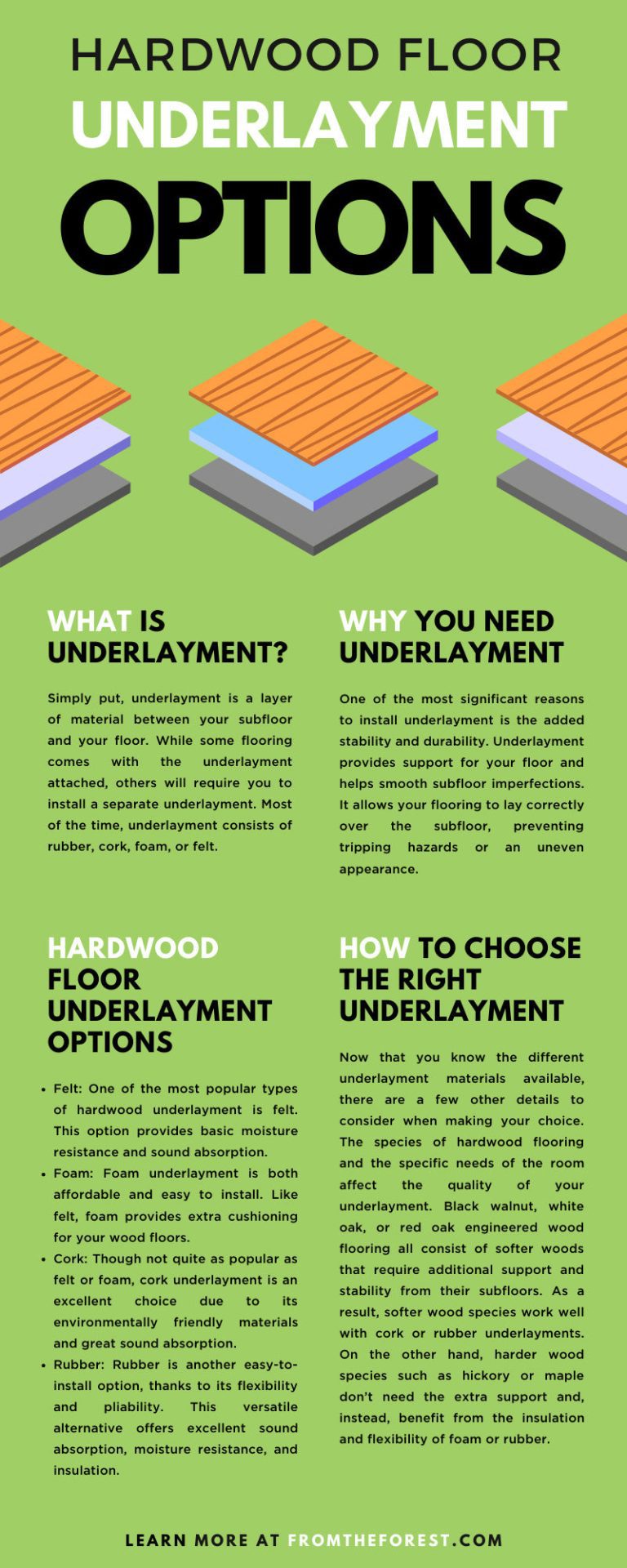
Foam pads are soft and lightweight. They provide a comfortable feel underfoot. These pads are easy to install. They offer good sound reduction. Foam pads are also affordable. This makes them a popular choice.
Cork is a natural material. It is eco-friendly and renewable. Cork underlayment provides great insulation. It also reduces noise well. Cork is resistant to mold and mildew.
Rubber padding is very durable. It can handle heavy foot traffic. Rubber provides excellent sound absorption. It is also water-resistant. This makes it ideal for basements.
Felt pads are thick and dense. They offer good cushioning. Felt is great for reducing noise. These pads are also made from recycled materials. This makes them an eco-friendly choice.
Choosing The Right Padding
Different floors need different padding. Hardwood floors are unique. They need padding that protects. A soft pad can help. It stops scratches and noise. Some pads are thick. Some are thin. Choose the right one for your floor type.
Think about the room’s use. Living rooms may need thick padding. It makes walking quiet. Kitchens might need something else. A thin pad is better. It keeps the floor safe from spills. Choose padding based on room use.
Budgets matter too. Expensive pads have perks. They last longer. Cheaper pads can work well. But they may need replacing sooner. Balance your needs with your budget. Get the best pad you can afford.
:max_bytes(150000):strip_icc()/SPR-foam-pad-under-hardwood-flooring-1821885-hero-68df9a1de91542be93128db507ef8ed0.jpg)
Credit: www.thespruce.com
Installation Process
Cleaning the area is crucial. Remove debris and dirt thoroughly. Check the floor level. Use a level tool to ensure evenness. Uneven floors can cause problems. Fix any uneven spots right away. Gather your tools. You will need a hammer, nails, and a measuring tape. Measure the area accurately. This helps in cutting the padding correctly. Always wear safety gear. Protect your hands and eyes.
Start with one corner. Roll out the padding evenly. Make sure there are no folds. Folds can cause uneven flooring. Cut the padding to fit the space. Use a sharp cutter for clean edges. Overlap edges slightly. This ensures no gaps. Gaps can lead to noise and discomfort. Double-check the alignment. It must be perfect for the next step.
Place the first plank. Use a rubber mallet to tap it gently. Ensure it fits snugly. Continue placing planks. Keep them close together. Use nails to secure them. Hammer nails at an angle. This keeps the floor tight. Check for any loose planks. Fix them immediately. Loose planks can create noise. Inspect the floor once done. It should feel firm and even.
Maintenance And Care
Keep floors clean by sweeping or vacuuming often. Avoid water on the floor. Use a damp mop, not a wet one. Choose gentle cleaners for hardwood. Harsh cleaners can harm the floor. Always dry the floor after cleaning.
Fix scratches quickly to keep floors nice. Use wood filler for deep scratches. Buff out shallow scratches with a special pad. For dents, try a damp cloth and an iron. Heat can lift the dent.
Place mats at all doors. This keeps dirt out. Use pads under furniture to stop scratches. Keep sunlight off the floors. Too much sun can fade them. Check humidity levels in your home. Wood likes a stable climate.

Credit: www.amazon.com
Cost Implications
Adding padding under hardwood floors can be a smart choice. It might cost more upfront. Buying quality padding is important. Prices can vary based on material. Foam padding is usually cheaper. Felt or rubber might cost more. But they last longer.
Padding helps protect the hardwood. It can increase floor life. Less damage means fewer repairs. This saves money. It also makes floors feel warmer. Less heat loss helps cut bills.
Comfortable floors mean happy feet. Better comfort can reduce noise too. Less noise means a quieter home. All these benefits make padding a good choice.
Frequently Asked Questions
What Is Padding Under Hardwood Floors?
Padding, or underlayment, is a layer installed beneath hardwood floors. It provides cushioning, soundproofing, and moisture protection. This layer helps in improving the durability and comfort of hardwood floors. Choosing the right padding is essential for maintaining the floor’s integrity and enhancing its performance over time.
Why Is Underlayment Necessary For Hardwood Floors?
Underlayment is crucial for hardwood floors as it offers cushioning, reduces noise, and provides moisture protection. It enhances comfort and prolongs the floor’s lifespan. Additionally, underlayment helps in leveling minor subfloor imperfections, ensuring a smooth and even surface for hardwood installation.
What Materials Are Used For Hardwood Floor Padding?
Common materials for hardwood floor padding include foam, cork, rubber, and felt. Each material offers different benefits like soundproofing, moisture resistance, and cushioning. Foam is lightweight and affordable, while cork is eco-friendly. Rubber provides excellent insulation, and felt offers superior soundproofing qualities.
Does Padding Affect Hardwood Floor Durability?
Yes, padding can enhance hardwood floor durability by providing a protective buffer. It reduces wear and tear from foot traffic and furniture. Padding also helps in absorbing impacts, preventing damage to the hardwood. Proper underlayment ensures the floor lasts longer and maintains its appearance.
Conclusion
Padding under hardwood floors offers many benefits. It enhances comfort. Reduces noise. Provides insulation. Protects floors from moisture and wear. Choosing the right padding is crucial for long-lasting results. Consider thickness, material, and cost. Each factor affects performance. Installation is straightforward but important.
Ensure proper alignment and fit. This maximizes benefits. Overall, padding is a smart investment. It improves home comfort and floor longevity. With careful selection, your hardwood floors will stay beautiful and functional for years. Make your space more inviting with thoughtful padding choices.
Transform your floors with ease. It’s worth the effort.