Do You Need Underlayment for Engineered Hardwood? Depends on Installation
Whether engineered hardwood needs underlayment depends entirely on the installation method — floating floors always need a vapor-retarding underlayment, glue-down installations usually skip it because the adhesive itself acts as the moisture barrier, and nail-down floors need felt or rosin paper, never foam. Using the wrong type for your method causes squeaks, fastener failure, or voided warranties. This guide breaks down exactly what each method requires.
Does Your Installation Method Need Underlayment?
Best Underlayment Pick For Floating Floors
 |
QuietWalk 3mm Underlayment (360 sq ft) – $151.99 Built specifically for the floating installations this section covers — a built-in moisture barrier plus recycled-fiber cushioning in one roll, made in the USA. Smaller 100 sq ft rolls run about $47.99 if you’re covering a single room.
|
As an Amazon Associate we earn from qualifying purchases.
The honest answer is “it depends” — and the deciding factor is how the flooring attaches to the subfloor, not personal preference.
| Installation Method | Underlayment Needed? | Why |
|---|---|---|
| Floating (click-lock) | Yes, always | Provides the vapor barrier, cushioning, and sound control the floor has no other way to get |
| Glue-down | Usually no | The adhesive itself acts as the moisture barrier — a separate underlayment can interfere with the bond |
| Nail-down | Yes, but felt/rosin paper only | Foam pads compress under fasteners and cause movement — never use foam here |
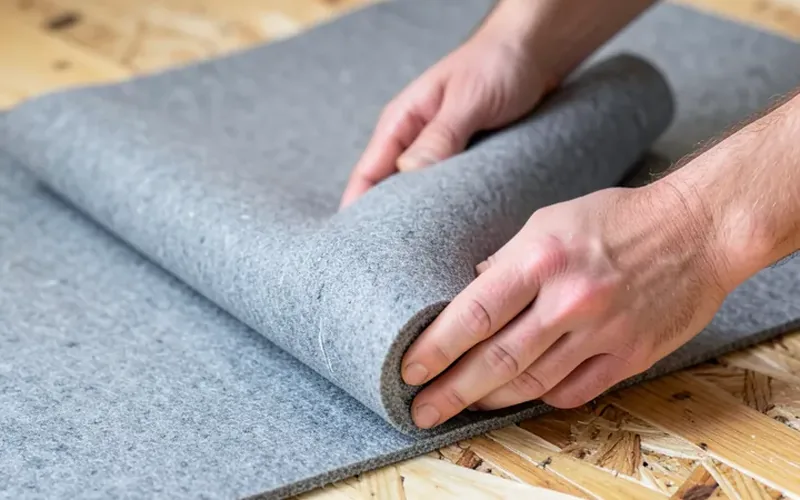
Underlayment By Installation Method
Floating Installations
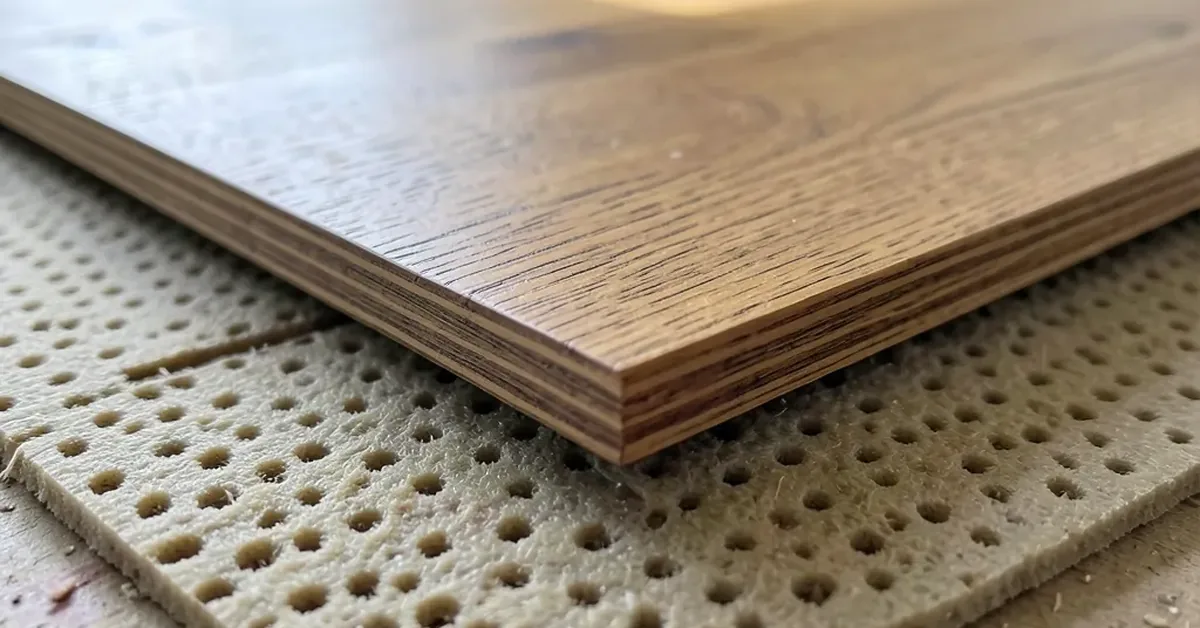
Floating floors need a manufacturer-approved vapor-retarding underlayment applied over the subfloor before the first plank goes down — this is an industry-standard requirement, not an optional upgrade, because a floating floor has no adhesive or fasteners providing any moisture protection on its own.
Glue-Down Installations
Most glue-down engineered hardwood skips a separate underlayment because the adhesive itself doubles as the moisture barrier — adding a foam or felt layer underneath can actually interfere with adhesive bond strength. On bare concrete, test moisture first: the calcium chloride test (ASTM F1869) should read no higher than 3 lbs per 1,000 sq ft per 24 hours before installing without an added vapor-retarding system.
Nail-Down Installations
Nail-down engineered hardwood typically goes over 15 lb felt or rosin paper, not foam. Foam compresses under a fastener over time, which loosens the nail’s grip and causes squeaking or plank movement — a mistake that only shows up months after installation.
📊 Concrete subfloors need a maximum moisture emission rate of 3.0 lbs per 1,000 sq ft per 24 hours (calcium chloride test, ASTM F1869) before engineered hardwood can go down without an added vapor-retarding system. — Source: NWFA Installation & Maintenance Guidelines
Types Of Underlayment
Once you know your installation method needs underlayment, the material choice comes down to the room and subfloor.
| Type | Best for | Note |
|---|---|---|
| Foam | Floating floors, budget installs | Cheapest option, good cushioning, never use under nail-down |
| Cork | Sound-sensitive rooms, apartments | Naturally mold-resistant, best sound absorption |
| Rubber | Basements, kitchens | Best moisture resistance, heaviest and most expensive |
| Felt/rosin paper | Nail-down installs only | Not a cushioning layer — moisture/squeak control only |
Installation Process (Floating Method)
For a floating install specifically, the underlayment goes down before a single plank is placed.
Preparation
Clean the subfloor of dust and debris, and check for cracks or high spots — fix these before laying underlayment, since it won’t hide a genuinely uneven subfloor. Measure the room to confirm how much underlayment and flooring you need.
Laying The Underlayment
Roll it out across the floor, cut to fit, and overlap seams slightly. Tape the seams to keep the vapor barrier continuous — a gap in the seam is a gap in the moisture protection.
Placing The Flooring
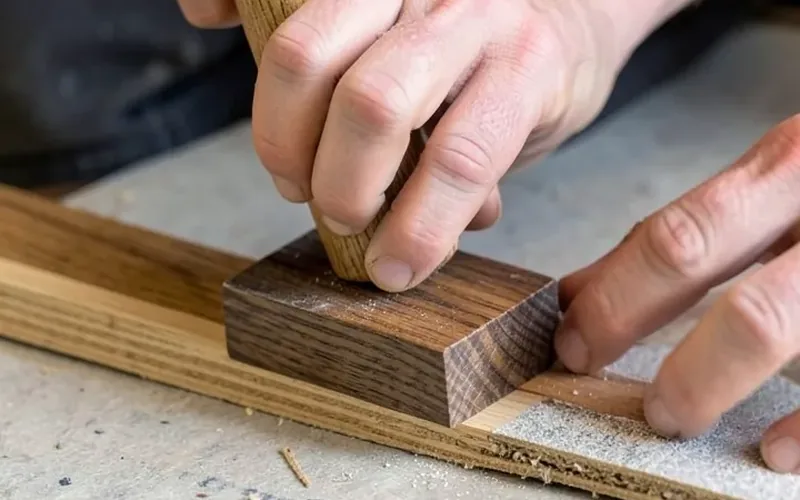
Start laying the hardwood from one corner, pressing each plank into place and using a tapping block to seat the joint fully with no visible gap.
Common Mistakes To Avoid
- Using foam under a nail-down floor: foam compresses under fasteners and leads to squeaks and loose planks months later.
- Skipping the moisture test on concrete: a calcium chloride test takes 60-72 hours but catches a problem before it’s under the floor.
- Adding underlayment under a glue-down install: it can weaken the adhesive bond that’s already doing the moisture-barrier job.
- Ignoring manufacturer guidelines: using an unapproved underlayment can void the flooring’s warranty even if the install looks fine.
Expert Tips For Best Results
Keep board-to-board alignment tight as you go — gaps between planks get harder to fix once the whole floor is down. A straight reference line for your first row keeps every following row square. Let the room acclimate to normal temperature and humidity for a few days before installing — engineered hardwood still expands and contracts with seasonal humidity, just less than solid wood.
Frequently Asked Questions
What Is The Best Underlayment For Engineered Hardwood?
For floating installs, a foam or cork underlayment with a built-in moisture barrier is standard. For nail-down, use 15 lb felt or rosin paper instead — never foam. For glue-down, you typically don’t need a separate underlayment at all.
What Do You Put Under Engineered Wood?
What goes under engineered wood depends on the installation method: a vapor-barrier underlayment for floating floors, felt or rosin paper for nail-down, and usually nothing extra for glue-down since the adhesive itself acts as the moisture barrier.
Can Engineered Hardwood Go Directly On Concrete?
Yes, with a moisture barrier. Test the concrete first with a calcium chloride test — readings above 3 lbs per 1,000 sq ft per 24 hours require an added vapor-retarding system before installation, per NWFA guidelines.
What Happens If You Don’t Put Underlayment Under Flooring?
On a floating floor, skipping underlayment means no moisture barrier and no cushioning, which leads to a hollow-sounding floor, faster wear, and moisture damage over time. On glue-down or nail-down floors, this usually isn’t an issue since those methods have their own moisture protection built in.
Can You Use Foam Underlayment Under A Nail-Down Floor?
No. Foam compresses under the pressure of nails or staples over time, which loosens the fastener’s grip and causes squeaking or plank movement. Use 15 lb felt or rosin paper for nail-down installations instead.
Conclusion
Whether you need underlayment for engineered hardwood comes down to your installation method: floating floors need it every time, glue-down usually doesn’t, and nail-down needs felt or rosin paper instead of foam. Match the underlayment to the method, test concrete moisture before installing, and follow the manufacturer’s guidelines to keep the warranty intact.
Sponsored / affiliate links. As an Amazon Associate I earn from qualifying purchases. I may earn additional commission from eligible campaigns.