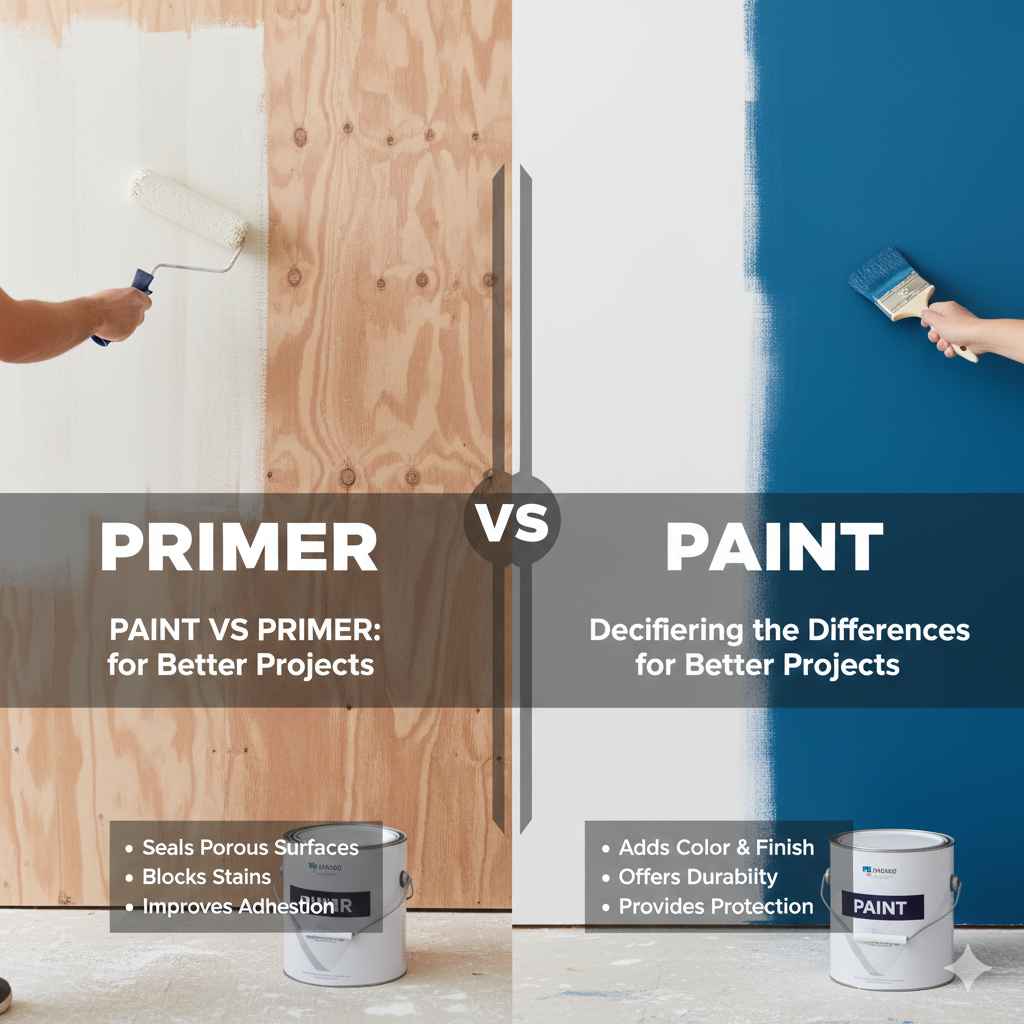
Paint vs Primer: Deciphering the Differences for Better Projects
Deciding between Paint vs Primer: What’s the Real Difference? is something many people face when starting a project. It can feel like a tricky choice, especially if you’re new to painting. There are so many things to consider. Don’t worry; it’s easier than it sounds! We’re going to break down the differences and explain what each one does. Get ready to find out how to get the best results for your next painting job, step by step.
What Exactly Is Primer and What Does It Do?
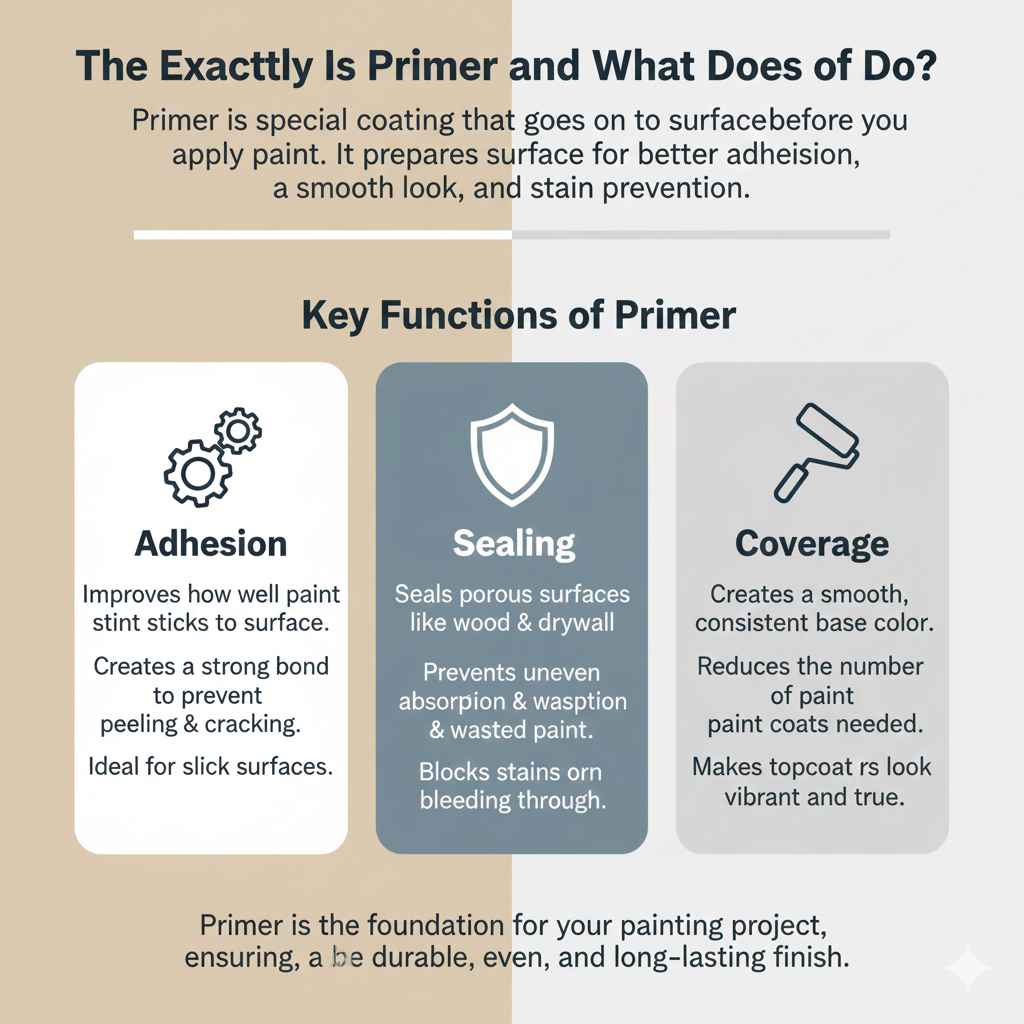
Primer is a special coating that goes on a surface before you apply paint. Think of it as the foundation for your painting project. Its main job is to prepare the surface, so the paint sticks well and looks great. It creates a smooth, even surface, covers imperfections, and seals the material to prevent the paint from soaking in unevenly. Primer also helps prevent stains from bleeding through, which is especially helpful when painting over old surfaces or materials that might bleed through the paint.
Key Functions of Primer
Adhesion: Primer improves how well the paint sticks to the surface. Without primer, the paint might peel, crack, or flake off, especially on slick or glossy surfaces. Primer has special ingredients that create a strong bond, making the paint last longer. When you apply primer, you give the paint something to grab onto, ensuring a durable finish. It’s like using glue before sticking something – it just holds better!
For example, if you’re painting a wall with a fresh coat, using primer is like creating a sticky surface for the paint. This helps prevent chipping and peeling over time. You can choose different primers depending on the surface and type of paint you’re using.
Sealing: Primer seals the surface. This is important for porous materials like wood or drywall. These materials can soak up paint unevenly. Sealing them with primer prevents this. When a surface is sealed, it prevents the paint from soaking into the material, which would lead to uneven color and wasted paint. Sealing also blocks stains.
Imagine you’re painting a wooden fence. The wood can absorb paint, leading to an uneven finish. Applying primer first seals the wood, creating a consistent surface for the paint to adhere to. It’s similar to applying a layer of protection before the final coat.
Coverage: Primer helps the paint cover the surface evenly. It creates a consistent base color. This means you need fewer coats of paint to achieve the desired look. Primer is often white or gray, creating a neutral base that lets the topcoat’s true color shine through. It’s like having a clean canvas before starting your artwork, so the colors look vibrant.
If you’re painting a wall a light color over a darker one, primer is essential. It prevents the dark color from showing through and helps the new color look bright and true. Using a primer is a shortcut; it allows the paint color to shine without needing several coats.
The Role of Paint: Giving Color and Protection
Paint is the final layer that gives your project its color and style. It is what most people see and interact with. Paint provides a beautiful finish and protects the underlying surface from wear and tear, moisture, and the elements. There are many types of paints, each designed for different surfaces and uses. From interior walls to exterior siding, paint provides a durable, aesthetically pleasing barrier. Paint can also be formulated with special additives to provide additional protection, such as mold resistance.
Paint Types and Their Uses
Interior Paint: Interior paints are for use inside your home. They come in various finishes, like flat, eggshell, satin, and semi-gloss. Each finish offers a different look and level of durability. Flat paint is great for walls and ceilings as it hides imperfections. Eggshell and satin paints are better for areas that need more cleaning, such as kitchens or bathrooms. Semi-gloss is often used on doors and trim.
Consider painting your living room walls. Flat paint creates a smooth, matte finish. Eggshell or satin paint is better suited for the kitchen or bathroom due to its resistance to moisture and ease of cleaning. Different types of interior paints offer unique qualities, so choosing the right one can make a big difference in the look and feel of your home.
Exterior Paint: Exterior paints are designed to withstand the weather. They resist sun, rain, and temperature changes. Exterior paints also have special additives to protect surfaces from mildew and fading. They are made to be very durable, as they are exposed to sun, rain, and temperature changes. They typically come in finishes like satin or semi-gloss.
For painting your house’s siding, you would choose an exterior paint. These paints have UV protection to prevent fading and are formulated to resist cracking or peeling. Choosing the right exterior paint will help protect your home from weather damage and maintain its beauty for many years.
Specialty Paints: There are specialty paints for specific purposes. These include paints for metal, wood, or even chalkboards. These paints are often formulated with specific properties that suit their intended use. You can also find paints with special effects or qualities, like chalkboard paint or heat-resistant paint.
Imagine painting a metal gate. You would use a metal-specific paint that prevents rust. Likewise, if you want a chalkboard wall in a kids’ room, you would use chalkboard paint. Specialty paints provide customized solutions for unique needs and surfaces.
Comparing Paint vs Primer: What’s the Real Difference? Key Distinctions
The main difference between paint and primer comes down to their function. Primer is for preparing the surface. Paint is for the color and final finish. Knowing their individual roles helps you choose the correct products and get professional results. Many people mistakenly think that primer can be used interchangeably with paint, but this isn’t true.
Key Differences Broken Down
Composition: Primers have different ingredients. They often contain resins, pigments, and solvents designed for adhesion and sealing. Paint is made up of pigments, binders, and solvents that provide color and durability. Primer is usually made with resins that bond well with the surface. Paint has pigments that give it color and binders that hold the paint together.
You can tell the difference in composition by how they feel and apply. Primer typically has a thinner consistency, allowing it to penetrate and seal the surface. Paint usually has a thicker consistency, which helps it to cover evenly and provide a lasting finish. The difference in ingredients is what gives each one their unique properties and purpose.
Functionality: Primer’s main job is to prepare the surface for paint. It provides adhesion, seals the surface, and blocks stains. Paint’s primary purpose is to provide color and protection. The paint creates a decorative and protective layer on the surface. Primer makes the surface ready to accept paint, and paint provides the final finish.
Think about painting a room. You use primer to create the perfect base, ensuring the paint sticks well and the color is even. The paint then provides the color and protection, like giving the walls a beautiful, durable finish. This difference ensures that the paint looks great and lasts a long time.
Surface Preparation: Primer is essential for certain surfaces, like raw wood, metal, and previously painted surfaces. Paint can be applied on surfaces that are already primed or in good condition. You can think of primer as the foundation for your project. Applying paint directly can lead to uneven coverage, poor adhesion, and premature failure.
If you’re painting a new drywall, primer is a must to seal the porous surface and create an even base for the paint. If you’re simply repainting a wall that’s already painted and in good condition, you may not need a primer. The condition of the surface determines whether primer is necessary. Proper preparation is key.
When You Can Skip Primer
There are some situations where you may not need primer. It’s useful to understand these cases too. If you’re repainting a wall that’s already painted and in good condition, you may not need a primer. If the old paint is a similar color to the new one, and the surface is not damaged, you may be able to paint directly on it. For small touch-ups, especially of the same color, you may also be able to skip the primer. However, always test a small area first to make sure the paint adheres well. The goal is to ensure the new paint bonds to the old surface without any issues like peeling or unevenness.
Repainting a wall of the same color: If the existing paint is in good shape and you’re using the same color, a new coat of paint may be sufficient.
If the existing paint is the same color and in good condition, the new coat of paint may be sufficient. The paint will bond to the old surface easily. This is time-saving for small projects.
Small touch-ups: For small touch-ups where the existing paint is in good shape and the color is the same, primer may not be necessary.
When the existing surface is in good shape, a quick touch-up might be fine without primer. If a small area has scratches or minor damage, painting over it will restore the look.
Using self-priming paint: Some paints are formulated with primer included. These are often used for convenience, especially on previously painted walls.
Self-priming paints have primer mixed in. These can simplify the process, especially if you’re not changing the color drastically or the old paint is the same color. Always check the paint’s specifications to ensure it’s suitable for your project.
Practical Scenarios: Paint and Primer in Action
Seeing how primer and paint work in real life helps you decide how to use them. Whether you’re refreshing a room or working on a new project, understanding these scenarios can improve your results. The examples below show you common painting tasks and the proper use of paint and primer in each one.
Painting New Drywall: When painting new drywall, primer is essential. It seals the porous surface and creates an even base.
New drywall is very absorbent. If you apply paint directly, it will soak into the drywall unevenly, leading to an uneven finish and wasting paint. Primer ensures that the paint adheres properly and covers the surface evenly. Using primer on new drywall ensures a professional and long-lasting finish.
Repainting a Dark Wall a Lighter Color: When repainting a dark wall with a lighter color, primer is very important. It blocks the dark color from showing through and helps the new color look bright and true.
Trying to paint a light color over a dark one without primer can take several coats, and the dark color might still peek through. Using primer creates a neutral base, allowing the new, lighter color to cover the wall in fewer coats. This will save you time, paint, and improve the final appearance.
Painting over Stains: If you are painting over stains, such as water stains or marker marks, using a stain-blocking primer is essential. This prevents the stains from bleeding through the new paint.
Stains like water damage or marker can ruin the finish of your paint. Using a stain-blocking primer creates a barrier that prevents these stains from reappearing. This ensures that your paint job looks great and lasts.
Choosing the Right Primer and Paint
Selecting the correct primer and paint is the key to a good result. Knowing the differences and considering factors such as the surface and desired finish makes your project successful. There are many options in both primers and paints. Each one is designed for specific uses. Understanding the surface you are painting and the result you want helps you to choose the best products.
Factors to Consider When Choosing Primer
Surface Type: The type of surface you are painting matters. Different surfaces, like wood, metal, drywall, or previously painted walls, have different requirements. Choose a primer that is suitable for the surface you are working on.
For example, if you are painting metal, use a metal primer. For drywall, use a drywall primer. The right primer will ensure good adhesion and prevent problems like rust or uneven paint coverage.
Condition of the Surface: The condition of the surface will influence your choices. If the surface is new, you’ll need a primer designed to seal it. If the surface is old and has damage or stains, you’ll want a primer that can address these issues.
For new, unpainted surfaces, choose a primer that is designed to seal and prepare the surface. If you are covering stains, select a stain-blocking primer. Always make sure the primer is suitable for your project.
Desired Finish: The type of finish you desire also affects your primer choice. Some primers are designed to create a very smooth surface, which is ideal if you want a smooth, professional-looking finish.
If you’re aiming for a high-gloss paint, you will want to use a primer that provides a smooth, even surface. If you are painting with a flat finish, the primer might not need to be as smooth. The right primer will help you achieve the look you want.
Selecting the Right Paint
Interior vs. Exterior: Decide if your project is inside or outside. Interior paints are designed for use inside. Exterior paints are made to withstand the elements. Choosing the right type of paint based on its purpose ensures your project will last.
Interior paints offer a wide variety of finishes. Exterior paints are made to resist weather effects, such as fading, cracking, and peeling. Making the right choice will protect your project and keep it looking good.
Finish Type: The finish of your paint impacts how it looks and wears. Flat paint hides imperfections, making it good for ceilings and walls. Glossier finishes are easier to clean and are ideal for areas that experience more wear and tear.
Flat paint creates a smooth, matte finish that hides imperfections. Eggshell and satin paints are great for kitchens and bathrooms as they are easier to clean. Consider what areas you are painting and how much use it gets.
Color and Coverage: Choose a paint color that suits your style. Think about how many coats you’ll need for coverage. A good quality paint will provide excellent coverage, so you use less paint and get the result you want with fewer coats.
Consider the color and coverage when choosing your paint. If you are changing colors significantly, two coats may be needed. Always test the color and finish in a small area first to ensure you are happy with the results.
Paint vs Primer: Common Mistakes to Avoid
Skipping Primer When Needed: One common mistake is skipping the primer when it is necessary. Not using primer on bare surfaces, especially new drywall or wood, can result in poor adhesion and uneven coverage. Make sure to use primer.
When you skip primer, the paint can soak into the surface unevenly. It causes the paint to peel or flake off over time. Always use primer on surfaces to make the paint last.
Using the Wrong Primer: Another mistake is using the wrong type of primer for the surface. Using an inappropriate primer can lead to problems like poor adhesion or not covering stains effectively. Using the correct primer is important.
Each primer is made for a specific surface. For example, use metal primer on metal surfaces. Using the wrong primer defeats the purpose of the project. Always read the label and choose the right primer for your project.
Ignoring Surface Preparation: Not preparing the surface well can also cause issues. This includes not cleaning the surface and fixing any imperfections. Proper preparation is essential to good results.
Before you paint, clean the surface, fill any holes or cracks, and sand the surface. If you skip this, the paint will not adhere well. Proper surface preparation guarantees your paint will last a long time.
| Feature | Primer | Paint |
|---|---|---|
| Primary Function | Prepares the surface | Provides color and protection |
| Composition | Resins, pigments, solvents | Pigments, binders, solvents |
| Key Benefits | Adhesion, sealing, stain-blocking | Color, protection, durability |
| Application | Applied before paint | Applied as the final layer |
Frequently Asked Questions
Question: Do I always need to use primer before painting?
Answer: Not always, but it’s often recommended, especially on new or unpainted surfaces and when changing colors drastically. Primer provides better adhesion, coverage, and can seal the surface.
Question: Can I use paint as a primer?
Answer: Some paints are “self-priming,” meaning they contain primer. However, it’s generally best to use a dedicated primer for the best results, especially on tricky surfaces or for stain-blocking.
Question: What’s the difference between oil-based and water-based primer?
Answer: Oil-based primers offer excellent stain-blocking and adhesion, but take longer to dry and have a stronger odor. Water-based primers dry faster, have lower odors, and are easier to clean up, but may not block stains as well.
Question: Can I paint over primer?
Answer: Yes, primer is designed to be painted over. After the primer has dried completely, you can apply your topcoat of paint. Be sure to check the primer label for drying times.
Question: Is there a primer that works for everything?
Answer: No, the best primer depends on the surface and what you’re trying to achieve. Make sure you select the correct primer for your project and the type of paint you plan to use.
Final Thoughts
You now know the essentials of Paint vs Primer: What’s the Real Difference? Primer gets your surface ready for painting. Paint provides the color and protection. By understanding the roles of each, you can get better results on your painting projects. When you take the time to prepare the surface and choose the right products, you create a beautiful, durable finish. Remember to consider your surface type, the condition of the surface, and the finish you want. These choices will drive your decisions. You’re now prepared to take on any paint project with assurance. Good luck and enjoy the process!