Prefinished Hardwood Flooring Vs Engineered: Ultimate Guide Revealed
Choosing the right flooring can change the entire look and feel of your home. When it comes to hardwood options, you might find yourself stuck between prefinished hardwood flooring and engineered hardwood.
Both promise beauty and durability, but which one truly fits your lifestyle and budget? You’ll discover the key differences, benefits, and drawbacks of each type. By the end, you’ll feel confident making a choice that’s perfect for your space—and your peace of mind.
Ready to find out which hardwood flooring is right for you? Let’s dive in.
Prefinished Hardwood Flooring
Prefinished hardwood flooring offers a smooth and quick solution for new floors. It comes ready to install with a factory-applied finish. This type of flooring saves time and effort during installation. Its surface is sealed well, protecting the wood from damage. Many homeowners choose prefinished hardwood for its neat look and ease of care.
Material Composition
Prefinished hardwood floors are made from solid wood planks. Each plank is cut from a single piece of wood. The surface is sanded and stained before the finish is applied. This process happens in a factory under controlled conditions. Different wood species like oak, maple, and cherry are popular choices.
Installation Process
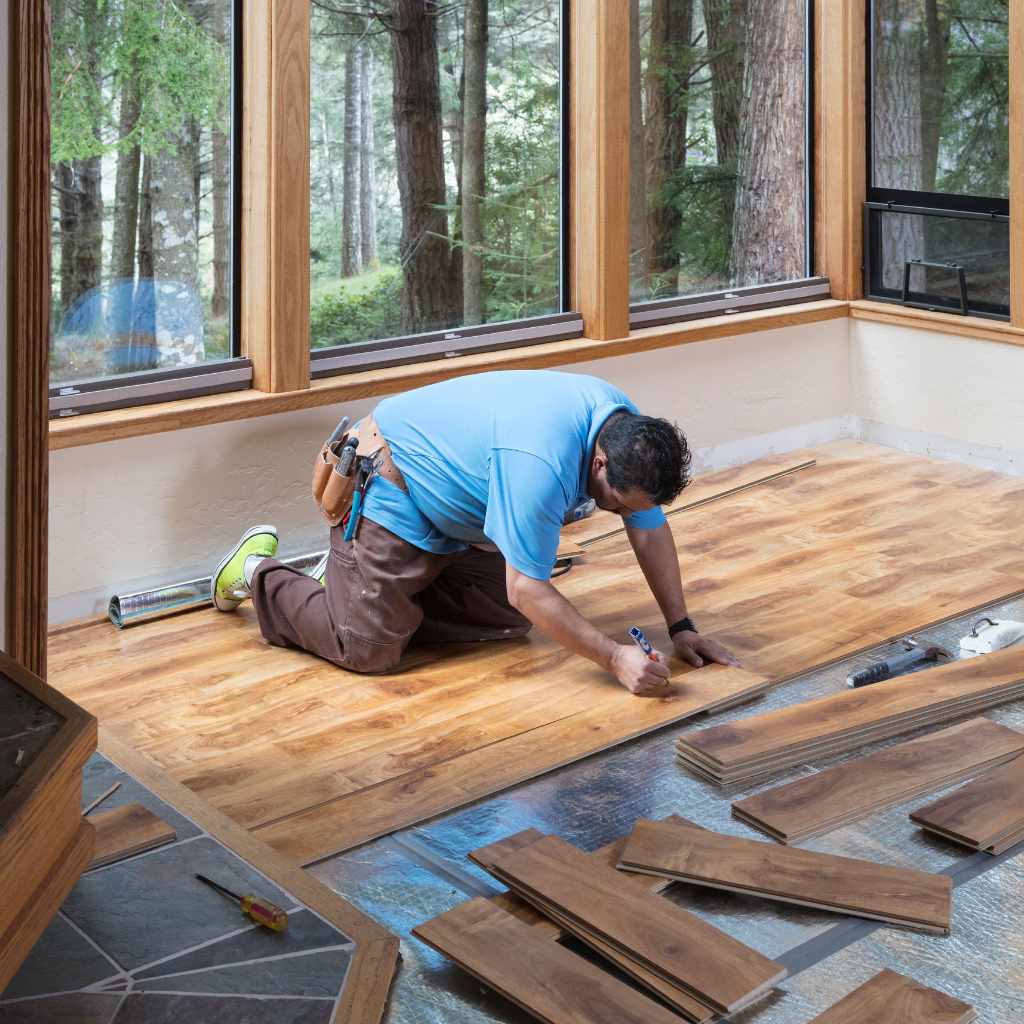
Installation is faster than unfinished hardwood floors. The planks come with tongue-and-groove edges for easy fitting. They can be nailed, stapled, or glued to the subfloor. No sanding or finishing is needed on site. This reduces dust and mess during installation. The floor is ready to use right away.
Durability And Maintenance
The factory finish is strong and resists scratches well. Prefinished floors require less maintenance than unfinished ones. Regular cleaning with a soft broom or vacuum keeps dirt away. Avoid wet mops that can damage the wood. Minor scratches can be touched up with repair kits. Refinishing is possible but less often needed.
Cost Factors
Prefinished hardwood flooring costs more per square foot than unfinished wood. The factory finishing process adds value and convenience. Installation costs are lower because no on-site finishing is required. Long-term savings come from less maintenance and fewer repairs. Prices vary by wood type, plank size, and finish quality.
Engineered Hardwood Flooring
Engineered hardwood flooring offers a smart alternative to traditional hardwood. It combines real wood surfaces with a strong base. This design helps it resist changes in temperature and moisture better than solid wood. It suits many home environments, including basements and kitchens.
Construction And Layers
Engineered hardwood consists of several layers. The top layer is real hardwood. Below it, multiple plywood or fiberboard layers form the base. Each layer is placed with grains running in different directions. This method adds strength and stability to the floor. It reduces warping and swelling from moisture.
Installation Methods
Engineered hardwood allows different installation options. You can nail it down, glue it, or float it over a subfloor. Floating means the planks are not fixed to the floor. This flexibility makes it easier to install on many surfaces. It also works well with underfloor heating systems.
Longevity And Care
Engineered hardwood can last for many years with care. The top layer can be sanded and refinished a few times. Clean it regularly with a soft broom or vacuum. Avoid water spills and harsh cleaners. Proper care keeps the wood looking fresh and strong.
Price Considerations
Engineered hardwood is usually less expensive than solid hardwood. Prices vary depending on wood type and thickness of the top layer. It offers good value for durability and style. Budget-friendly options exist without sacrificing quality.
Comparing Appearance And Style
Choosing between prefinished hardwood and engineered flooring often comes down to how they look and feel. Both types offer beautiful options, but their appearance and style can differ in key ways. Understanding these differences helps you pick the right floor for your space.
Color And Finish Options
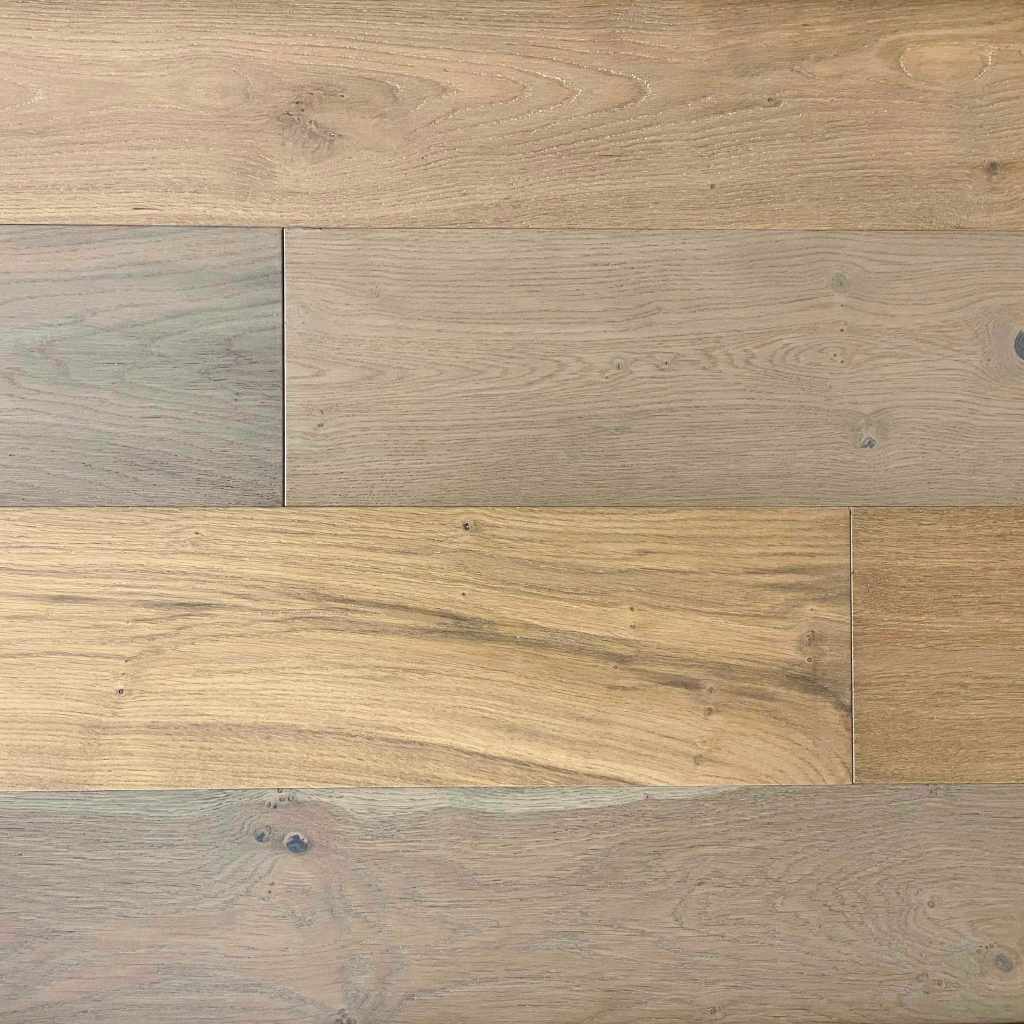
Prefinished hardwood floors come with many color choices. They are stained and sealed in a factory. This process gives them a smooth, even finish. The colors range from light oak to dark walnut. The finish is usually durable and shiny.
Engineered flooring also offers a variety of colors. It has a top layer of real wood, so the color looks natural. Some engineered floors mimic exotic woods well. Finishes can be matte or glossy. This variety fits different room styles easily.
Texture And Grain Patterns
Prefinished hardwood shows the wood’s natural grain clearly. The texture is smooth due to factory sanding. You can see fine wood details on the surface. This adds a classic, clean look to your floor.
Engineered flooring has a real wood veneer on top. It shows natural grain patterns too. Some types have embossed textures to feel like solid wood. This adds depth and a more rustic or modern look. Texture choices help match your decor style.
Performance In Different Environments
Choosing the right hardwood flooring depends on how it performs in different environments. Both prefinished hardwood and engineered hardwood have unique strengths. Understanding their behavior under various conditions helps in making a smart choice for your home.
Moisture Resistance
Engineered hardwood has better moisture resistance. Its layered construction holds up well against humidity and spills. This makes it less likely to warp or swell.
Prefinished hardwood is solid wood and more sensitive to moisture. It can expand and contract more, causing gaps or cracks over time. It needs a dry environment to stay stable.
Suitability For Various Rooms
Engineered hardwood suits many rooms, including kitchens and basements. It handles changes in temperature and moisture better. This makes it a flexible choice for most spaces.
Prefinished hardwood works best in living rooms and bedrooms. These areas usually have stable conditions. It offers a warm, natural look but needs careful placement away from moisture.
Environmental Impact
The environmental impact of flooring choices matters more today. Prefinished hardwood and engineered wood differ in how they affect nature. Understanding these differences helps you pick a flooring option that fits your eco values.
Sustainability Of Materials
Prefinished hardwood comes from solid wood. Trees are cut down to make these planks. The process can lead to deforestation if not managed well. Engineered wood uses thin layers of real wood glued together. It often uses less hardwood than solid planks. This means less demand for rare trees. Some engineered floors use fast-growing woods and recycled materials. This approach helps save forests and reduce waste.
Eco-friendly Certifications
Look for certifications to find eco-friendly flooring. The Forest Stewardship Council (FSC) certifies wood from well-managed forests. Both prefinished hardwood and engineered wood can have FSC labels. Another label is the GREENGUARD certification. It shows low chemical emissions, better for indoor air. Certifications help you avoid harmful materials and support green practices. Choosing certified flooring reduces your home’s environmental footprint.
Choosing The Right Flooring
Choosing the right flooring for your home can change its look and feel. It affects comfort, style, and even home value. Prefinished hardwood and engineered wood are popular choices. Each has unique features that suit different needs. Understanding these can help you make the best decision for your space.
Lifestyle Considerations
Think about your daily activities and home use. Prefinished hardwood is durable and lasts long with care. It fits well in dry, stable environments. Engineered wood handles moisture better, so it suits basements or kitchens. Families with pets or kids might prefer engineered wood for its resistance to scratches and dents.
Budget Planning
Set a clear budget before choosing flooring. Prefinished hardwood usually costs more upfront. It can add value to your home but needs more maintenance. Engineered wood is often cheaper and easier to install. It offers a wood look without the high price. Consider installation costs and future repairs too.
Long-term Value
Think about how long the floor will last. Prefinished hardwood can be sanded and refinished multiple times. This extends its life and keeps it looking new. Engineered wood has a thinner top layer, limiting refinishing options. Still, it holds up well in changing conditions. Choose flooring that matches your plans for the home’s future.
Frequently Asked Questions
What Is Prefinished Hardwood Flooring?
Prefinished hardwood flooring comes sanded and sealed from the factory. It’s ready to install, saving time and mess. It offers a durable finish with consistent quality and color. This type is ideal for quick, hassle-free flooring projects.
How Does Engineered Hardwood Differ From Solid Wood?
Engineered hardwood has a veneer of real wood on top of plywood layers. This structure makes it more stable in moisture and temperature changes. Solid wood is a single piece and can warp more easily. Engineered wood suits basements and kitchens better.
Which Flooring Is More Durable: Prefinished Or Engineered?
Both types are durable, but engineered hardwood handles moisture better. Prefinished hardwood has a strong factory finish, resisting scratches and wear. For high-traffic or humid areas, engineered hardwood is often more practical. Both can last decades with proper care.
Can Prefinished Hardwood Be Refinished Like Engineered Wood?
Prefinished hardwood can be refinished but less frequently due to thinner wear layers. Engineered hardwood’s top veneer varies in thickness; thick veneers allow refinishing. Solid hardwood (including prefinished) can typically be sanded and refinished multiple times. Check wear layer thickness before refinishing engineered wood.
Conclusion
Choosing between prefinished hardwood and engineered flooring depends on your needs. Prefinished hardwood offers a classic look and long-lasting beauty. Engineered flooring handles moisture better and is easier to install. Both have strengths for different rooms and budgets. Think about where you will place the floor and how much care it needs.
This helps pick the right option for your home. Either way, good flooring improves your space and adds value. Take time, compare features, and choose what fits you best.