Finding Replacement Parts For Your Table Saw
My first table saw was a beat-up old Craftsman I got for a steal at a yard sale. It screamed potential, but it was missing a fence, and the blade wobbled like a bad dancer. That’s when I learned the magic of replacement parts for table saws—they can bring your tool back to life! In this article, I’ll share how to find and use these parts to keep your saw humming. Whether you’re a beginner cutting your first board or a pro building furniture, I’ve got simple tips, safety advice, and cost-saving ideas to help you out.
What Are Replacement Parts For Table Saws?
Replacement parts for table saws are pieces you swap out to fix or upgrade your saw. Think blades, fences, miter gauges, or even small bits like screws or carbon brushes. These parts keep your saw safe and sharp. For example, a worn blade can ruin your cuts, and a missing guard can be dangerous. Replacing parts saves money compared to buying a new saw and keeps your projects on track.
Why Do They Matter?
A good table saw is the heart of any woodshop. Without proper parts, it’s like trying to cook without a stove. A dull blade makes rough cuts, a bad fence leads to crooked lines, and a missing guard risks injury. Replacing parts ensures clean cuts, safety, and fun woodworking. Plus, it’s cheaper than a new saw!
Where To Find Replacement Parts For Table Saws
Finding the right parts is easier than you think. Here’s how I do it:
- Check the Manufacturer: Brands like DeWalt, Craftsman, or Skil often sell parts on their websites or through authorized dealers. Look up your saw’s model number (usually on a sticker near the motor) to find exact matches.
- Online Retailers: Sites like eReplacementParts.com or PowerToolReplacementParts.com have huge selections. I found a fence for my Craftsman on eReplacementParts.com for $40
- Marketplaces: eBay and Amazon are goldmines for parts, especially for older models. I snagged a miter gauge for my Skil saw on eBay for $15.
- Local Hardware Stores: Places like Home Depot or Ace Hardware stock common parts like blades or push sticks.
Tips for Finding Parts
- Always match your saw’s model number to avoid wrong parts.
- Check reviews to ensure quality, especially on marketplaces.
- Look for OEM (original equipment manufacturer) parts for the best fit.
Common Replacement Parts You’ll Need
Here’s a quick rundown of parts you might need to replace:
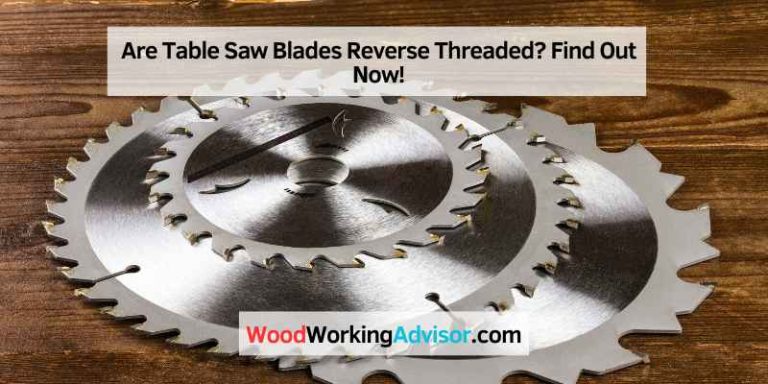
- Blades: Dull or chipped blades make bad cuts. A 10-inch carbide-tipped blade costs $20-$50.
- Fences: A wobbly fence messes up straight cuts. Expect to pay $30-$100.
- Miter Gauges: These guide angled cuts. Replacements run $15-$50.
- Carbon Brushes: These power the motor. They wear out and cost $5-$15.
- Guards and Splitters: These keep you safe. A new guard might cost $20-$60.
Table: Common Table Saw Parts and Costs
| Part | Purpose | Average Cost |
|---|---|---|
| Blade | Cuts wood | $20-$50 |
| Fence | Guides straight cuts | $30-$100 |
| Miter Gauge | Angles cuts | $15-$50 |
| Carbon Brush | Powers motor | $5-$15 |
| Guard/Splitter | Ensures safety | $20-$60 |
Caption: This table shows typical costs for table saw parts, based on my shopping experience on sites like eReplacementParts.com.
How To Replace Table Saw Parts: A Simple Guide
Replacing parts is no sweat if you follow these steps. Let’s use a carbon brush as an example, since it’s a common fix.
- Unplug the Saw: Safety first! Pull the plug to avoid shocks.
- Find the Brush Caps: These are small covers on the motor, usually near the base.
- Remove Old Brushes: Use a screwdriver to unscrew the caps. Pop out the old brushes.
- Install New Brushes: Slide the new brushes in, making sure they fit snugly. Screw the caps back on.
- Test the Saw: Plug it in and run it briefly to check for smooth operation.
Visual Idea
A simple diagram showing the motor with labeled brush caps would help beginners find them easily.
Safety Tips
- Always unplug your saw before working on it.
- Wear gloves to avoid sharp edges.
- Double-check your model number to ensure parts fit.
Upgrading Your Table Saw With Parts
Sometimes, replacement parts can make your saw better than new. For example, I upgraded my old Craftsman with a Biesemeyer-style fence for $80, and it cuts like a dream now. Here are some upgrades to consider:
- Better Fence: A high-quality fence, like a Delta, ensures straight cuts.
- Premium Blade: A Freud blade gives smoother finishes.
- Aftermarket Guard: An over-arm guard adds safety and dust collection.
Table: Upgrade vs. Replacement
| Option | Pros | Cons |
|---|---|---|
| Replacement | Cheaper, keeps original setup | May not improve performance |
| Upgrade | Better cuts, added features | Costs more, may need adjustments |
Caption: This table compares replacing parts versus upgrading them, based on my experience with a Craftsman saw.
Common Mistakes To Avoid
I’ve made plenty of goofs fixing table saws. Here’s what to watch out for:
- Buying Wrong Parts: Always check your model number. I once ordered a blade that didn’t fit—total waste of $30!
- Skipping Safety Gear: Don’t remove guards to “make it easier.” Safety is worth it.
- Ignoring the Manual: Your saw’s manual has part numbers and diagrams. Use it!
Personal Tips From My Workshop
After years of fixing saws, here’s what I’ve learned:
- Shop Around: Prices vary wildly. Compare eBay, Amazon, and manufacturer sites.
- Clean Your Saw: Dust can hide worn parts. A quick clean can spot issues early.
- Try DIY Fixes: For simple parts like push sticks, make your own from scrap wood to save cash.
Visual Idea
A photo of a clean table saw with labeled parts (blade, fence, guard) would make identifying them a breeze.
Benefits and Drawbacks of Replacing Parts
Replacing parts keeps your saw running without breaking the bank. A new saw might cost $300-$1000, but parts are often under $50. You also get to keep a tool you know and love. The downside? It takes time to find parts, and some old models are hard to match. If parts are discontinued, try aftermarket options or contact the manufacturer directly.
Frequently Asked Questions
What Are Replacement Parts For Table Saws?
They’re parts like blades, fences, or guards you swap out to fix or improve your saw. They keep it safe and cutting well.
Where Can I Find Parts For Old Table Saws?
Check eBay, Amazon, or eReplacementParts.com. Manufacturer websites or local hardware stores like Home Depot also work.
How Do I Know If My Blade Needs Replacing?
If cuts are rough or the blade is chipped, it’s time for a new one. Inspect it regularly for wear.
Can I Use Parts From A Different Brand?
Sometimes, but check compatibility. For example, a Ryobi blade might fit a Craftsman if the arbor size matches.
How Often Should I Replace Carbon Brushes?
Replace them when the motor runs poorly or sparks a lot, usually every 1-2 years with heavy use.
Are Upgraded Parts Worth It?
Yes, upgrades like a better fence improve cuts and safety, but they cost more than basic replacements.
What If I Can’t Find A Part?
Try aftermarket parts on eBay or contact the manufacturer. Sometimes, used saws on Craigslist are good for spare parts.
Wrapping It Up
Replacement parts for table saws are a game-changer for keeping your tool in top shape. From blades to fences, these parts save money and make woodworking fun and safe. Try fixing a small part like a carbon brush to start—it’s easier than you think! Share your saw-fixing stories in the comments or ask me for tips. Let’s keep those saws spinning and projects winning!