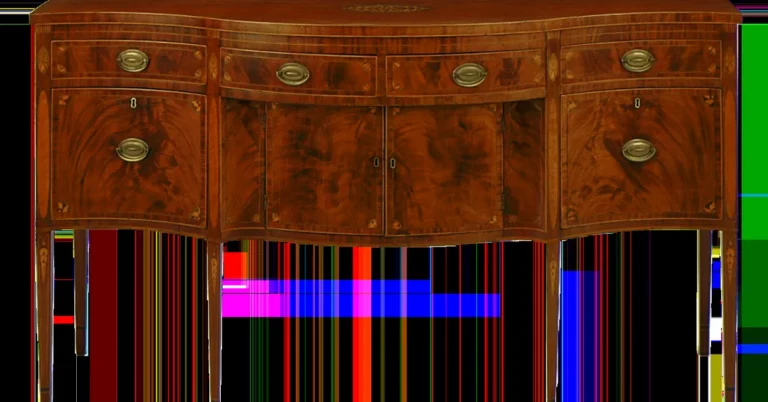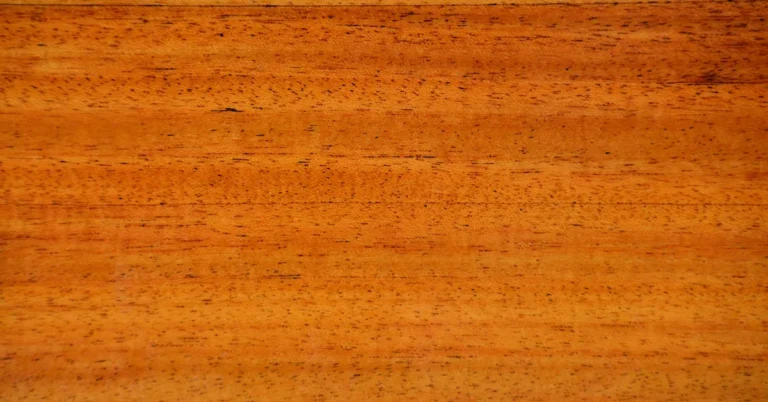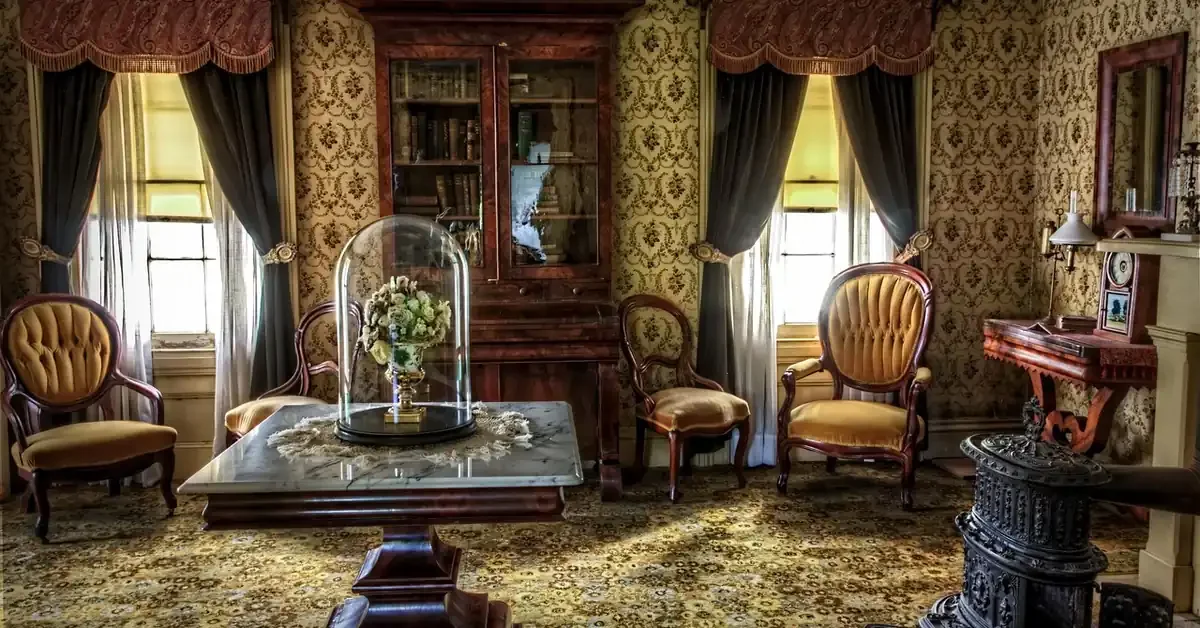
Best Wood Conditioner for Mahogany Furniture (+ How to Apply It)
Mahogany furniture needs a wax-and-oil wood conditioner, not an all-purpose furniture polish — its open grain drains natural oils faster than closed-grain woods like maple. Skip conditioning and the finish dulls, then cracks at the joints within a few dry winters. This guide covers which conditioner actually works on mahogany, the 6-step method to apply it, and the two ingredients that permanently ruin a mahogany finish.
Quick Answer
A beeswax-and-orange-oil conditioner like Howard Feed-N-Wax is the standard choice for finished mahogany furniture — apply it monthly or whenever the finish looks dry, buffing with a soft cloth. Avoid silicone-based supermarket polishes and ammonia cleaners, which strip or cloud mahogany’s finish over time.
What Is Wood Conditioner, and Does Mahogany Actually Need It?
Wood conditioner (also sold as wood polish, feeding oil, or furniture cream) is a blend of natural waxes and oils — typically beeswax, carnauba wax, and a carrier oil such as orange or mineral oil — that soaks into a finished wood surface to replace oils lost to heat, sunlight, and dry indoor air. It is not a stain or a new finish; it works on top of and slightly into an existing lacquer, shellac, or oil finish.
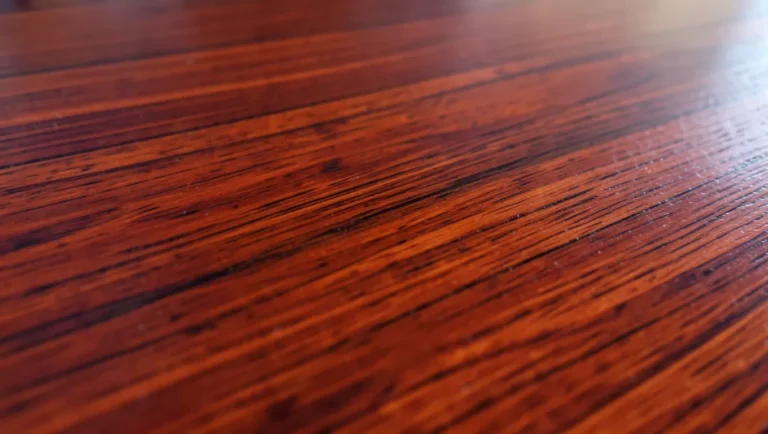
Mahogany specifically needs this more than many other furniture woods because of its open, porous grain structure. That same open grain is what gives mahogany its deep figure and color, but it also lets the wood lose moisture and surface oils faster than tight-grained woods like maple or birch. Left unconditioned for years, mahogany finishes go from a warm, glossy red-brown to a flat, grayish, dry-looking surface — and the wood underneath can start to shrink at the joints.
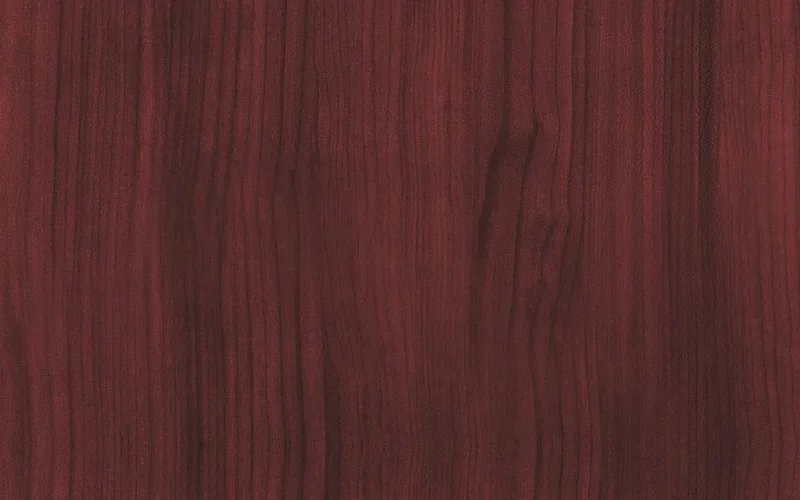
Best Wood Polish and Conditioner for Mahogany Furniture
For routine care on finished mahogany — dining tables, dressers, cabinets, and antiques — a beeswax-and-carnauba-wax conditioner blended with orange oil is the standard recommendation among furniture restorers, because it feeds the wood without leaving a sticky film or a silicone residue that later interferes with refinishing.
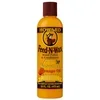 |
Best Mahogany Conditioner Pick Howard Feed-N-Wax Wood Polish & Conditioner, 16 oz – $10.88 A beeswax, carnauba wax, and orange oil blend built for exactly the routine mahogany care this guide covers — feeding the open grain without building up a film.
|
As an Amazon Associate we earn from qualifying purchases.
How to Condition Mahogany Furniture in 6 Steps
This is the same order furniture restorers use on finished mahogany — dust and clean first, remove old buildup, then feed and buff. Skipping the cleaning step just seals dirt and old wax underneath the new coat.
- Dust with a soft, lint-free cloth. Skip feather dusters on mahogany — the stiff quills can scratch an open-grain finish.
- Wipe with a mild soap and water solution. Dampen a cloth, wring it nearly dry, and wipe with the grain. Never use ammonia-based or all-purpose cleaners on mahogany; they can strip or cloud the finish.
- Strip old wax buildup if the surface looks hazy. Mix equal parts white vinegar and warm water, spray lightly, and rub with a soft cloth — the vinegar cuts through old wax without harming most finishes.
- Let the surface dry fully. Any trapped moisture under a new wax coat can cloud the finish.
- Apply a dab of wood conditioner to a soft polishing cloth and work it into the wood in small circular motions, following the grain direction on the final pass.
- Buff with a clean, dry cloth until the surface feels smooth and dry to the touch, not tacky. A tacky surface means too much product was applied — buff longer, don’t add more.
Condition finished mahogany about once a month, or whenever the surface starts to look dry, dull, or feels rough under a clean hand. Pieces near a heating vent, a fireplace, or a south-facing window dry out faster and may need it every two to three weeks in winter.
Wax, Oil, or Refinishing Restorer: Which Mahogany Conditioner Do You Need?
Not every “wood conditioner” claim solves the same problem. The table below separates routine feeding products from the ones meant to fix an already-damaged finish.
| Product Type | What It Actually Does | Best For |
|---|---|---|
| Beeswax/carnauba conditioner (e.g. Feed-N-Wax) | Feeds oils into an intact finish, adds a light protective wax layer | Monthly maintenance on a finish that still looks good |
| Finish restorer (e.g. Howard Restor-A-Finish) | Softens and blends the existing finish to hide scratches, water rings, and sun fade | A dull or blemished finish that isn’t fully worn through |
| Danish oil / penetrating oil | Soaks into bare or stripped wood and hardens; adds UV filtering | Unfinished mahogany, or a piece already fully stripped |
| Silicone-based supermarket polish | Adds shine on the surface only; residue can prevent future finishes or repairs from bonding | Avoid on mahogany, especially antiques or pieces you may refinish later |
How to Stop Mahogany From Drying, Cracking, or Fading
Conditioning treats the surface, but indoor climate is what actually controls how fast mahogany dries out. Forced-air heating and air conditioning both pull moisture out of the surrounding air, and the wood gives up its own moisture to compensate — that shrinkage is what loosens joints and opens small cracks along the grain.
📊 Museum conservation standards call for keeping wood furniture at 45–55% relative humidity, with no more than a 5% swing in any 24-hour period — sudden humidity changes cause more cracking than a slightly low average. — Source: Western Australian Museum, Preventive Conservation guidelines
Keep mahogany furniture away from direct sun exposure and heating vents where possible, and run a humidifier in dry winter months if your home regularly drops below 40% relative humidity — a basic hygrometer from a hardware store is enough to check. Direct, repeated UV exposure also fades and dries mahogany over time even with regular conditioning, so rotate pieces or use UV-filtering window film near a sunny spot.
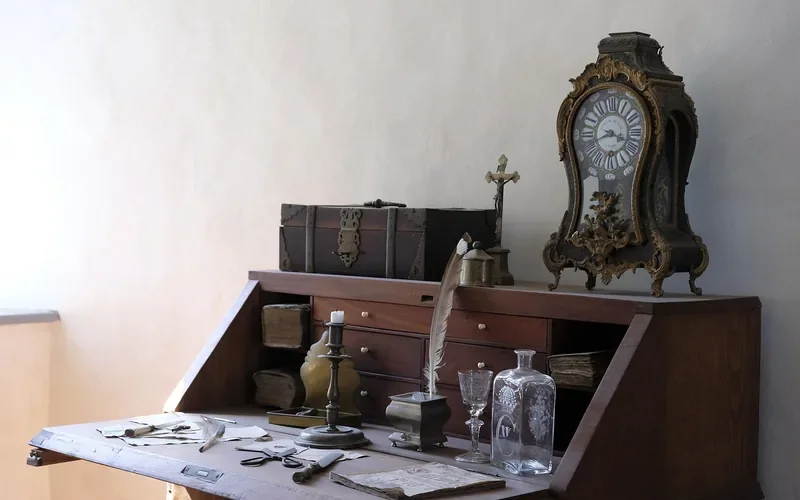
“Feed-N-Wax introduces natural oils back into wood without building up on the surface, and should be reapplied about once a month or whenever a piece’s finish starts to look dry.”
Mistakes That Ruin a Mahogany Finish
- Using ammonia-based or all-purpose cleaners. These can strip, discolor, or cloud a mahogany finish — stick to mild soap and water or a dedicated wood conditioner.
- Dusting with a feather duster. The stiff quills can create fine scratches across mahogany’s open grain over time; use a soft, lint-free cloth instead.
- Layering silicone polish over wax, or wax over silicone. The two don’t mix well and can leave a cloudy, streaky film that’s difficult to remove.
- Applying too much conditioner at once. A thin coat buffed well outperforms a heavy coat left tacky — excess product attracts dust and never fully absorbs.
- Ignoring indoor humidity swings. No conditioner fully compensates for a piece that sits next to a heating vent all winter; fix the climate first.
Frequently Asked Questions
How often should I condition mahogany furniture?
About once a month, or whenever the finish starts to look dry, dull, or feels rough to the touch. Pieces near heating vents, fireplaces, or sunny windows may need conditioning every two to three weeks during winter, when indoor air is driest.
Can I use olive oil or vegetable oil on mahogany furniture?
No. Food-grade oils like olive or vegetable oil don’t fully cure and will eventually turn rancid, leaving a sticky, smelly residue on the wood. Use a purpose-made wood conditioner with beeswax, carnauba wax, or a proper finishing oil like Danish oil instead.
Will any wood polish work on mahogany, or does it need something specific?
Mahogany’s open, porous grain makes it more sensitive than closed-grain woods to silicone-based supermarket polishes, which can leave a residue that interferes with future refinishing or repairs. A beeswax-and-oil conditioner made for furniture, not floors or cars, is the safer standard choice.
How do I remove old wax buildup before reconditioning mahogany?
Mix equal parts white vinegar and warm water in a spray bottle, lightly mist the surface, and rub gently with a soft cloth. The vinegar cuts through old wax and grime without stripping most finishes. Let the wood dry completely before applying fresh conditioner.
If your mahogany piece needs more than conditioning — a faded or blemished finish, or bare wood that needs a new coat — see our guide to the best mahogany finishes compared by cost per 100 sq ft for stain and topcoat options. For care routines across other wood species, our wood care and maintenance guide covers general cleaning and conditioning schedules.
Regular conditioning keeps mahogany looking rich instead of gray and dry, but it only works alongside stable indoor humidity and the right cleaning habits. Skip ammonia cleaners and feather dusters, condition monthly with a beeswax-based product, and reach for a finish restorer instead of a heavier wax when scratches or fading show up.
Sponsored / affiliate links. As an Amazon Associate I earn from qualifying purchases. I may earn additional commission from eligible campaigns.