Ryobi Table Saw Parts List: Every Part, By Model
Most Ryobi table saw part searches come down to one of four things: the blade, the throat plate, the fence, or the arbor wrench — and the wrench is the single most commonly lost part. Match the exact part to your model number before ordering; Ryobi table saw parts are not universal across models. If you’re not sure which wrench size or type your own saw actually needs, see our table saw wrench sizing guide for a breakdown by brand and model.
We get it. This guide is here to help you find every Ryobi table saw part you need, making the process much simpler and faster.
Finding the correct Ryobi table saw part is crucial for safety and performance. This guide provides a comprehensive list and tips to help you identify and locate every component needed to repair or maintain your Ryobi table saw quickly and efficiently.
Understanding Your Ryobi Table Saw Parts
Genuine Ryobi Replacement Part
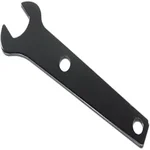 |
Ryobi 0101010313 Table Saw Blade Wrench (Genuine OEM) – $9.99 The exact OEM wrench for changing blades on compatible Ryobi table saws — the part owners lose and reorder most.
|
Your Ryobi table saw is a complex tool. It has many moving parts that work together. Knowing what each part does is key to fixing it. We’ll break down the main sections of the saw. This makes finding the right piece easier. Think of your saw like a car. You need to know if you’re looking for an engine part or a steering part.
The Blade and Its Support System
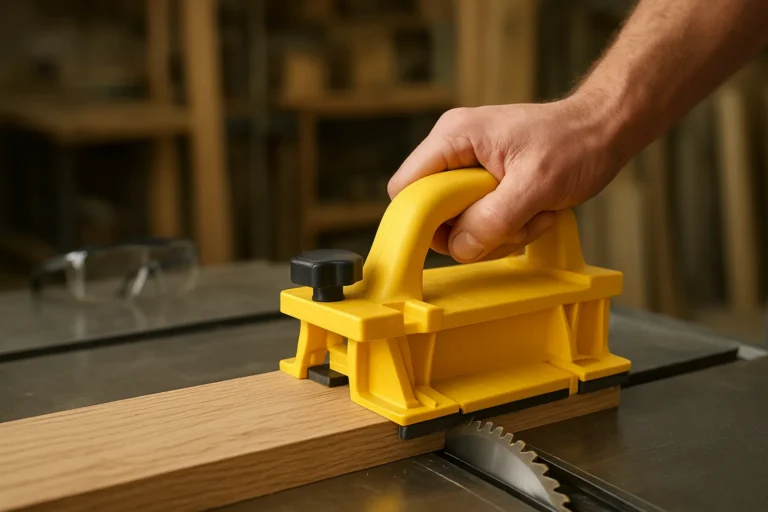
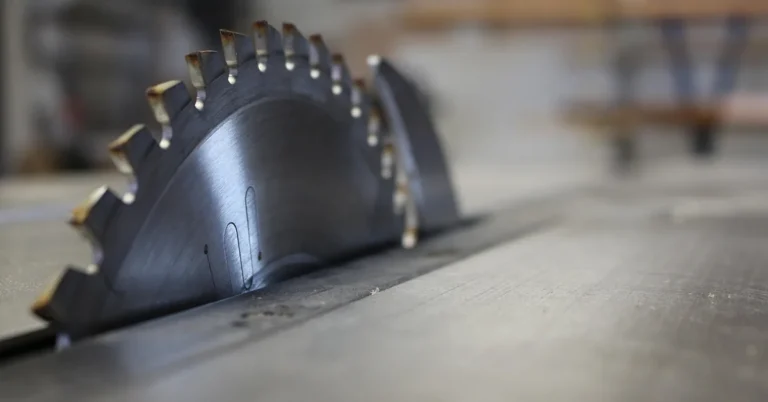
The blade is the heart of the table saw. It’s what does the cutting. But it doesn’t work alone. The blade sits on a spindle. This spindle is often part of the motor assembly. A blade guard is essential for safety. It keeps your hands away from the spinning blade. Rip fences are long guides. They help you cut straight lines. Miter gauges do a similar job. They let you cut angles.
Motor and Power Components
The motor powers the saw. It spins the blade at high speeds. Motors can vary in power. This affects how well the saw cuts through thick wood. Power cords and switches are also part of this system. If your saw won’t turn on, these might be the first things to check. Sometimes, a simple power cord replacement is all that’s needed.
The Table and Base Structure
The table is the flat surface where you work. It supports your wood. Good table saws have smooth, flat tables. This helps your material glide. Extension wings can make the table bigger. This is useful for larger projects. The base supports the whole saw. It keeps it stable. Some bases are built-in. Others are separate stands.
Dust Collection and Safety Features
Table saws create a lot of sawdust. Dust collection ports help manage this. They connect to shop vacuums. This keeps your workspace cleaner. It also improves air quality. Safety features are vital. Besides the blade guard, you might have a riving knife or splitter. These keep the wood from pinching the blade. They also prevent kickback.
My Own Ryobi Table Saw Part Nightmare
I remember a time I was building a custom cabinet. I was close to finishing a crucial piece. Then, disaster struck. The little plastic knob that adjusted the blade height snapped off. It was a tiny thing, no bigger than my thumb. But my saw was useless without it. Panic set in. I had a deadline.
I spent hours online. I looked at the Ryobi website. I called their customer service. I even visited a few local hardware stores. Nobody seemed to have this specific tiny knob. It felt like I was chasing a ghost. The frustration was immense. I started to doubt if I could ever fix it. I even considered buying a whole new saw, which felt like a huge waste.
That night, I sat down with the user manual. I found the exploded diagram. It was like a map. I located the knob. It had a part number. Armed with this number, I tried a different search online. I found a specialty parts dealer. They had it! It felt like winning the lottery. That experience taught me the absolute importance of having the right part number and knowing where to look. It also showed me how many small parts contribute to the whole.
Finding Your Ryobi Table Saw Part Number
The most important step is finding the correct part number. Ryobi makes many models. The same part can be different for each one.
Check Your User Manual
Your saw’s user manual is your best friend. Most manuals have an “Exploded View” or “Parts List” section. This shows a diagram of your saw. Each part is numbered. Next to the diagram is a list. It shows the part name and its unique part number. This number is usually a series of letters and numbers.
Quick Part Number Finder
Look for the Number: Usually found in the manual’s parts list.
Note It Down: Write it in a safe place. A phone note or a printed label on your saw works well.
Model Number Too: Always keep your saw’s model number handy. This is often on a sticker on the saw itself.
Look on the Saw Itself
Sometimes, part numbers or model information are printed directly on the saw. Check the casing, the base, or the motor housing. Look for labels or stamped markings. This is especially true for larger components.
Ryobi Official Website
The Ryobi official website is a great resource. They often have a “Support” or “Parts” section. You can usually search by your saw’s model number. This will bring up parts diagrams and available parts for your specific tool.
Common Ryobi Table Saw Replacement Parts
Certain parts tend to wear out or break more often. Knowing these can help you prepare.
Blades and Blade Guards
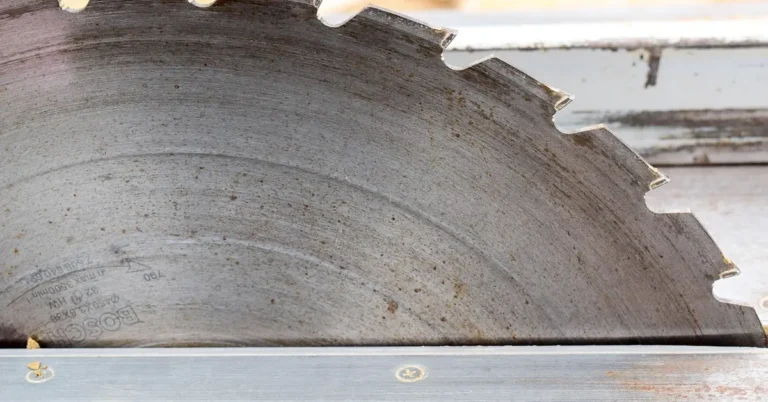
Blades get dull. They need replacing. Safety guards can also break if dropped. Finding the right size and type of blade is key. Ensure your new guard matches your saw model.
Riving Knives and Splitters
These are crucial safety items. They can get bent or lost. They help prevent kickback. Always replace them if damaged.
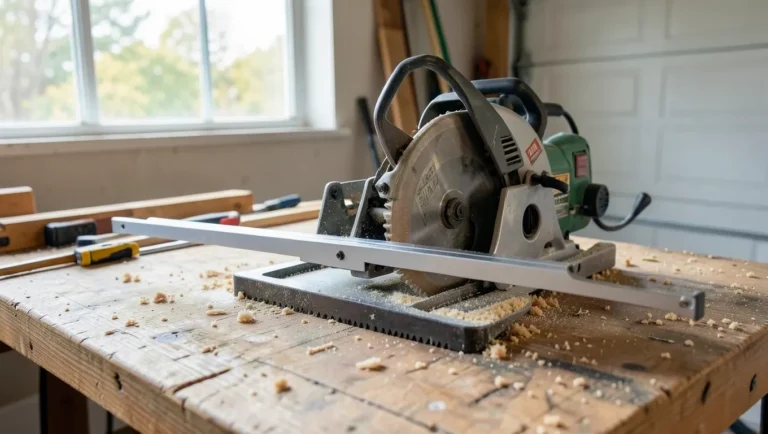
Miter Gauges and Rip Fences
These guides need to be accurate. They can become loose or damaged over time. A bent rip fence or wobbly miter gauge makes precise cuts impossible.
On/Off Switches and Power Cords
Electrical components can fail. A faulty switch means the saw won’t start. A damaged cord is a fire hazard.
Adjustment Knobs and Levers
Like my experience, these small plastic or metal parts can break. They control blade height, bevel angle, and other settings.
Parts That Wear Out
- Blades: Get dull, chip.
- Belts: If your saw uses one, it can stretch or break.
- Bearings: Inside the motor or spindle, they can wear out.
- Switches: Constant use causes wear.
- Knobs/Levers: Plastic parts can become brittle.
Where to Buy Ryobi Table Saw Parts
Once you have the part number, you need to know where to buy.
Authorized Ryobi Service Centers
These centers are official. They stock genuine Ryobi parts. They often have technicians who can also do the repair.
Online Parts Retailers
Many websites specialize in power tool parts. Websites like e
Ryobi Official Website (Direct Sales)
Sometimes, you can buy parts directly from Ryobi’s website. Check their parts section.
General Hardware Stores (Limited Options)
While they sell tools, most big box stores don’t stock specific replacement parts for older or less common models. They might have generic items like blades or extension cords.
Buying Smart
Always Compare Prices: Check a few different retailers.
Check Return Policies: Make sure you can return a part if it’s wrong.
Read Reviews: See what other customers say about the seller and the part.
Identifying Specific Ryobi Table Saw Models
Ryobi has produced many table saw models over the years. Knowing your exact model helps immensely.
Common Ryobi Table Saw Model Series
You might see model numbers starting with BTS, BTS10, RBT, or others. For example, the Ryobi BTS10 is a popular portable table saw. The Ryobi RTS231 is another common one. Knowing your series helps narrow down the search.
Model Number Location
Sticker: Look on the side, back, or bottom of your saw.
Manual: The model number is always listed in the manual.
Original Box: If you still have it!
Portable vs. Contractor vs. Jobsite Saws
Ryobi offers different types of table saws.
Portable saws are light and compact. They are great for small workshops or taking to job sites. They often have plastic tables.
Jobsite saws are a step up. They are more robust than portable saws. They have metal tables and more power.
Contractor saws are larger and heavier. They are designed for a dedicated workshop. They offer more power and precision.
Parts for these different types will vary significantly. A blade guard for a portable saw won’t fit a contractor saw.
Troubleshooting Common Ryobi Table Saw Issues
Sometimes, you might not need a whole new part. A simple fix might do.
Saw Won’t Turn On
Check Power: Is it plugged in? Is the outlet working? Try another device in the same outlet.
Check Switch: Ensure the on/off switch is functioning correctly.
Check Cord: Inspect the power cord for damage.
Blade Wobbles or Vibrates
Blade Mount: Is the blade seated properly on the spindle?
Arbor Nut: Is the arbor nut tight?
Blade Damage: Is the blade itself warped or damaged?
Bearings: Worn bearings can cause vibration.
Inaccurate Cuts
Fence Alignment: Is the rip fence parallel to the blade?
Miter Gauge: Is the miter gauge set to the correct angle?
Table Flatness: Is the table surface flat and true?
When to Call a Pro
Motor Issues: If the motor makes strange noises or smells burnt, it might need professional repair.
Electrical Problems: Complex wiring issues are best left to experts.
Safety Concerns: If you’re unsure about a repair, it’s always safer to get help.
Replacing Common Ryobi Table Saw Parts Yourself
Many parts are designed for user replacement. This can save you time and money.
Replacing a Table Saw Blade
1. Unplug Saw: Always disconnect power first.
2. Remove Guard: Take off the blade guard and any other shrouds.
3. Loosen Arbor Nut: Use a wrench to loosen the nut holding the blade. It usually tightens clockwise.
4. Remove Old Blade: Lift the old blade off the spindle.
5. Install New Blade: Place the new blade on the spindle. Make sure the teeth are facing the right direction (usually forward).
6. Tighten Nut: Secure the new blade with the arbor nut. Tighten it firmly.
7. Reassemble: Put back the guard and any other parts you removed.
8. Test: Briefly run the saw to ensure everything is smooth.
Replacing an On/Off Switch
This can be a bit more involved.
1. Unplug Saw: Safety first!
2. Access Switch: You’ll likely need to remove the saw’s housing or a specific panel to get to the switch.
3. Note Wiring: Take a picture or draw a diagram of how the wires are connected.
4. Disconnect Wires: Carefully disconnect the wires from the old switch. They might be push-on connectors or screw terminals.
5. Remove Old Switch: The switch is usually held in place by nuts or clips.
6. Install New Switch: Secure the new switch.
7. Reconnect Wires: Connect the wires according to your diagram.
8. Reassemble Housing: Put the saw back together.
9. Test: Plug it in and test the switch.
DIY Repair Tips
- Work in a Well-Lit Area: Good lighting helps you see small parts.
- Use the Right Tools: Have a good set of screwdrivers and wrenches.
- Keep Parts Organized: Use small containers for screws and nuts.
- Watch Videos: Search YouTube for your specific Ryobi model and the part you’re replacing. Many helpful videos exist.
Alternative Parts and Aftermarket Options
What if you can’t find a genuine Ryobi part?
When Genuine Parts Aren’t Available
This can happen with older models. Or for very specific, small components.
Aftermarket Parts
Some companies make parts that are compatible with Ryobi saws. These are called aftermarket parts. They can be a good option if genuine parts are rare or expensive. See our fitment-focused comparison of genuine vs. aftermarket Ryobi parts for real examples and current prices.
Aftermarket vs. Genuine
Genuine: Made by Ryobi. Designed for a perfect fit and performance.
Aftermarket: Made by third-party companies. Can be cheaper. Fit and quality can vary.
Always research the brand.
Compatibility: Ensure the aftermarket part is specifically listed as compatible with your Ryobi table saw model.
Universal Parts
Some parts, like basic blades or some types of clamps, are universal. They fit many different saws. Make sure the dimensions and specifications match.
Maintaining Your Ryobi Table Saw for Longevity
The best way to avoid needing parts is good maintenance.
Regular Cleaning
Sawdust can gum up mechanisms. It can clog dust ports. Clean your saw after each use. Wipe down the table and fences. Use compressed air to blow out dust from vents.
Lubrication
Moving parts need lubrication. Check your manual for recommended lubricants. Apply them sparingly to the trunnions, height adjustment screw, and bevel adjustment mechanism.
Blade Care
Keep your blades clean and sharp. A dull blade makes the saw work harder. It also leads to poor cuts and increased safety risks. Store blades properly to avoid damage.
Pre-Cut Checks
- Blade Tightness: Ensure the blade is secure.
- Fence Alignment: Check that the rip fence is straight.
- Power Cord: Look for any fraying or damage.
- Safety Guards: Make sure they are in place and working.
When Is It Time to Upgrade?
Sometimes, the cost of parts and repairs adds up. It might be time for a new saw.
Cost of Repairs
If a major component like the motor or trunnions fails, the repair cost can be high. Compare this to the price of a new saw.
Age of the Saw
Older saws might lack modern safety features. They might also be less efficient.
Performance Needs
If your projects require more power or precision than your current saw can provide, an upgrade might be necessary.
Frequently Asked Questions About Ryobi Table Saw Parts
Where can I find the part number for my Ryobi table saw?
You can usually find the part number in your Ryobi table saw’s user manual. Look for an “Exploded View” or “Parts List” section. Sometimes, the part number is also printed on a sticker on the saw itself.
Can I use parts from a different Ryobi table saw model?
Generally, no. Ryobi table saw parts are model-specific. Using parts from a different model can lead to improper fit, poor performance, and safety hazards.
Always confirm compatibility before purchasing.
How do I know if I need to replace a Ryobi table saw part or if it just needs adjustment?
If a part is physically broken, cracked, or missing, it needs replacement. If a component is loose, misaligned, or not functioning smoothly, it might just need adjustment. Always consult your user manual for adjustment procedures.
Are aftermarket Ryobi table saw parts safe to use?
Aftermarket parts can be safe and effective, but quality varies. Always buy from reputable sellers. Ensure the part is specifically listed as compatible with your Ryobi table saw model.
Research the brand of the aftermarket part.
My Ryobi table saw is old. Will I still find parts for it?
Finding parts for older models can be challenging. Your best bet is to check specialized online parts retailers that stock older inventory. Sometimes, universal parts might also work if genuine parts are unavailable.
What is the most common part that needs replacing on a Ryobi table saw?
The most frequently replaced parts are usually blades, due to dulling and chipping. Other common replacements include safety guards, adjustment knobs, and sometimes on/off switches, which experience heavy use.
Conclusion
Finding the right Ryobi table saw part doesn’t have to be a major hassle. By knowing your model number, using your manual, and checking the right resources, you can locate exactly what you need. Keeping your saw clean and well-maintained will also help prevent those frustrating breakdowns. Getting back to your projects with a fully functional saw is well worth the effort.
Sponsored / affiliate links. As an Amazon Associate I earn from qualifying purchases. I may earn additional commission from eligible campaigns.