Satin vs Matte Wood Finish: Which Finish Is Best for Your Project?
Choosing the right wood finish can feel like a tough call, especially if you’re new to woodworking or home improvement. The options, like Satin vs Matte Wood Finish: Which Is Right for You?, can seem overwhelming at first. Don’t worry, though! This guide breaks down the differences in simple terms. We’ll explore the pros and cons of each finish to help you select the best choice for your project. Prepare for a straightforward exploration of wood finishes, making the decision process a breeze. Let’s get started.
What Sets Wood Finishes Apart?
Wood finishes aren’t just about looks. They’re like a protective layer for your wood, helping it last longer and look its best. Different finishes give wood varying levels of protection, from simple stains to tough varnishes. The way the light interacts with the finish is a key factor. This creates different appearances, ranging from a shiny, reflective surface to a smooth, non-reflective one. Choosing the correct finish for your project is about balancing beauty with practical considerations like durability and ease of maintenance.
The Basics of Wood Finishes
Wood finishes come in many types, each with its strengths. Some common finishes include varnishes, lacquers, oils, and stains. Varnishes and lacquers offer good protection against scratches and moisture, making them suitable for high-traffic areas. Oils soak into the wood, providing a natural look while enhancing the wood’s grain. Stains primarily add color, but they often need a topcoat for protection. The application process, durability, and the final look all vary depending on the product, impacting how you will use them. Selecting the correct finish depends on your project’s needs.
- Varnishes: These are durable and offer excellent protection. They’re great for furniture and floors.
- Lacquers: Lacquers dry quickly, making them good for projects needing a fast turnaround.
- Oils: Oils enhance the wood’s natural grain and offer a softer, more natural look.
- Stains: Stains add color to the wood, often requiring a protective topcoat.
Proper preparation is key. Before applying any finish, you must prepare the wood by sanding it smooth. Cleaning the wood surface is also important to ensure the finish adheres properly. Always follow the manufacturer’s instructions for application. Consider the wood’s existing condition, the desired look, and the environment where it will reside when choosing a finish. This preparation ensures a smooth, even application, which affects the final appearance and durability.
Exploring the Characteristics of Satin Finish
Satin finishes strike a balance between shine and a subdued appearance. They offer a subtle sheen that enhances the wood’s natural grain without being overly glossy. This makes them a popular choice for various projects, as they provide a sophisticated look without showing every fingerprint or minor scratch. The level of gloss is usually between 30% and 50%, depending on the manufacturer and the specific product. This is a versatile option, ideal for both furniture and interior woodwork, offering a blend of beauty and practicality.
Advantages of Using Satin Finishes
Satin finishes are a favorite for several reasons, making them a great choice for many woodworking projects. Their moderate sheen offers a sophisticated look without being too flashy. They also tend to hide imperfections better than high-gloss finishes. The satin sheen provides a balance, reducing the visibility of fingerprints and minor scratches. The finish maintains a look that is not too distracting, making it ideal for surfaces that receive regular use. Moreover, satin finishes are generally easier to apply than some other types, resulting in a smooth, even appearance.
- Hides Imperfections: The subtle sheen minimizes the appearance of minor scratches and blemishes.
- Versatile Look: Suits a wide range of styles, from classic to modern.
- Easy to Maintain: Easier to clean and maintain than high-gloss finishes.
- Resists Fingerprints: Less likely to show fingerprints or smudges.
The durability of a satin finish varies depending on the specific product, but it generally offers good protection against wear and tear. Its resistance to scratches makes it practical for frequently used items like tables, cabinets, and doors. Maintaining a satin finish is relatively easy; regular dusting and occasional cleaning with a mild soap and water solution are usually sufficient to keep it looking its best. The finish’s balance of aesthetics and practicality makes it a popular choice for both DIY enthusiasts and professional woodworkers. Satin finishes are a great choice when seeking a refined look.
Disadvantages of Satin Finish
While satin finishes offer many benefits, it’s also important to consider their limitations. Their less reflective surface can sometimes make the wood look slightly duller compared to high-gloss finishes. This subtlety might not be the desired effect if you’re looking for a finish that enhances the wood’s grain with maximum brilliance. Although satin finishes hide imperfections better than high-gloss, they still might reveal more damage than matte finishes. When compared to matte, the satin surface will require more maintenance to keep it looking its best. Proper preparation and application are necessary to avoid issues.
- Less Reflective: Can make the wood appear less vibrant than high-gloss.
- May Show Damage: Scratches and dents may be more visible than with matte.
- Potential for Streaks: Improper application can result in unevenness or streaks.
- Requires Some Maintenance: Needs regular cleaning to prevent buildup.
The application of a satin finish may be more difficult, depending on the product, than a matte finish. It is important to consider the environment where the wood will be placed. Direct sunlight can affect some finishes. Careful application is important to achieve a smooth, consistent appearance. Always test the finish on a hidden area first to ensure you are happy with the look and performance before using it on the entire project. Understanding the limitations is important when deciding if a satin finish suits your needs. Make sure to consider the trade-offs.

Exploring the Characteristics of Matte Finish
Matte finishes offer a non-reflective, flat look that is perfect for a subtle and natural appearance. They have minimal gloss, usually less than 10%, giving the wood a soft, velvety feel. This makes matte finishes a great choice for those who want to showcase the natural beauty of the wood without a shiny surface. It’s an excellent choice for a minimalist or contemporary aesthetic, emphasizing the wood’s texture and grain. Matte finishes are also very good at hiding imperfections, making them a good option for surfaces that experience a lot of wear.
Advantages of Using Matte Finishes
Matte finishes are highly valued for their ability to provide a clean, modern aesthetic while being practical. The absence of shine helps to obscure minor imperfections, which makes the wood appear smoother. They are ideal for projects where a natural or understated look is desired. The soft, non-reflective surface reduces glare, making them well-suited for furniture and other items that are used indoors under various lighting conditions. They are also easy to maintain, usually requiring just a simple wipe-down with a damp cloth.
- Hides Imperfections: The flat surface minimizes the appearance of scratches.
- Natural Look: Enhances the wood’s grain without added shine.
- Easy to Maintain: Simple to clean and maintain.
- Reduces Glare: Ideal for spaces with strong light sources.
Matte finishes are very durable and protect the wood from wear and tear. This makes them suitable for use on items like tabletops and cabinets that face frequent use. Their scratch resistance is better than glossy surfaces, making them a practical choice for high-traffic areas. The simplicity of matte finishes makes them popular among woodworkers. They are an easy way to give your project a professional and lasting appearance. Matte finishes are an excellent option for those seeking a balance of aesthetics and functionality.
Disadvantages of Matte Finish
While matte finishes offer many benefits, it’s good to consider their limitations. Because of the lack of shine, matte finishes might make some woods appear less vibrant. This can be a factor if you want to highlight the wood’s natural beauty with a bright appearance. The surface can sometimes absorb light, giving the wood a slightly dull appearance. Some matte finishes may be less resistant to stains or water damage than glossier options, although modern formulas are improving. Proper preparation and application, along with high-quality products, can mitigate these issues.
- May Dull Wood: Can sometimes make the wood appear less vibrant.
- Potential for Staining: May show stains more easily than some glossier finishes.
- Can Be Difficult to Repair: Touch-ups might be challenging to match.
- Not Always Durable: Some formulas may be less robust in high-wear areas.
Considering the type of wood and the project’s intended use is important. If you want a finish that is easy to repair and maintain, a matte finish can still be a good choice. Matte finishes are ideal for areas that do not experience heavy use. Careful product selection is key to making sure you achieve the desired appearance. Understanding the pros and cons is important when selecting the right finish for your needs. Always test the finish on a small area first to make sure you are happy with the outcome before applying it to the entire project.
Satin Versus Matte: Key Differences for Your Choice
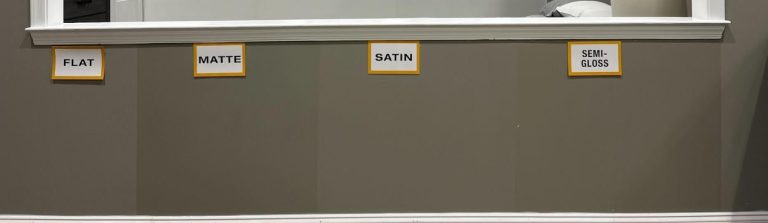
The main difference between satin and matte finishes lies in their level of gloss. Satin finishes have a moderate sheen, offering a balance between shine and a subdued look, while matte finishes are almost completely non-reflective. The degree of light reflection affects how the wood’s grain is displayed and the surface’s perceived smoothness. The choice between satin and matte depends on the aesthetic you want. It also depends on the level of protection and the type of wear the item will endure. Both finishes provide protection, but they do it in different ways.
Visual Comparison: Light Reflection and Appearance
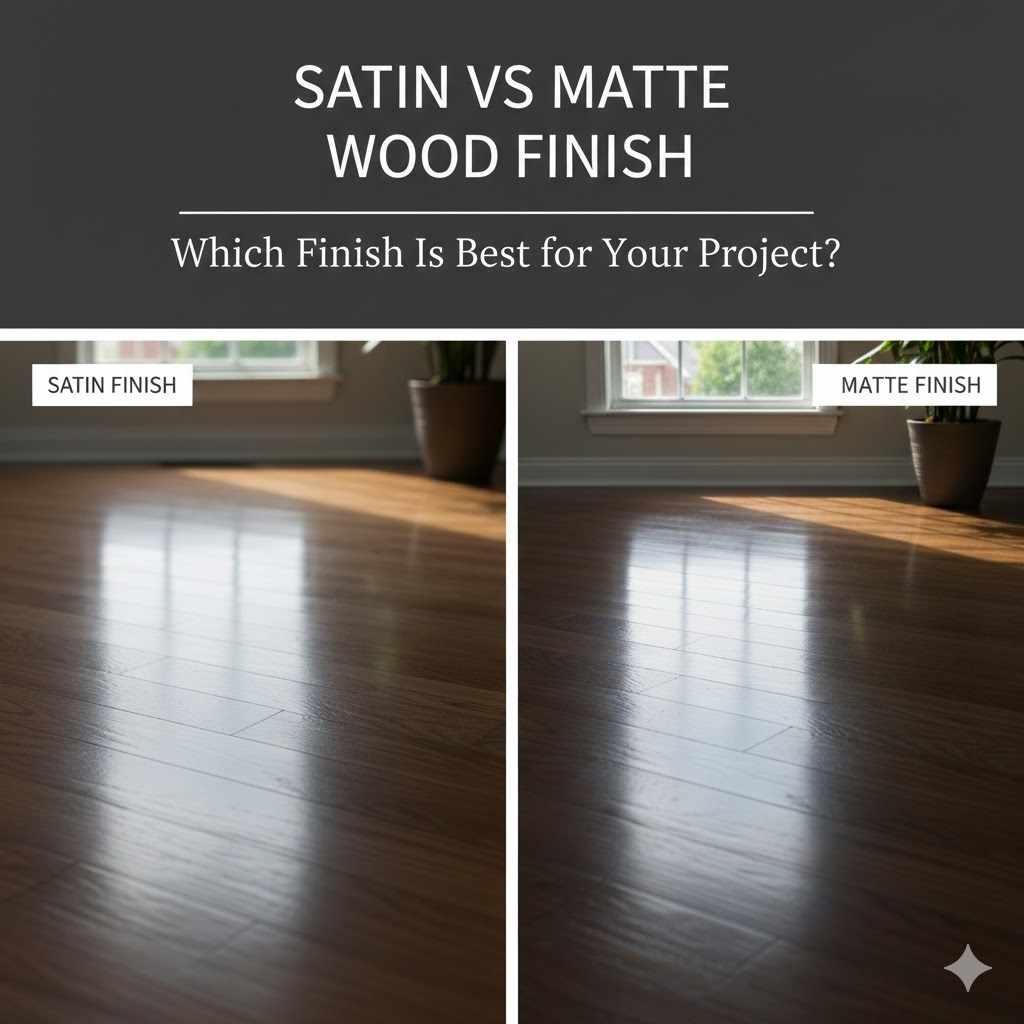
The difference in light reflection is a key factor in distinguishing satin and matte finishes. Satin finishes reflect light, but not as intensely as a high-gloss. This means they enhance the wood grain while still offering a subtle appearance. Matte finishes, on the other hand, absorb most of the light, giving the wood a natural, flat appearance. The way the light is reflected affects how imperfections are perceived. High-gloss finishes can make imperfections more visible. Matte finishes tend to hide them. Selecting the correct finish depends on your aesthetic preferences.
| Feature | Satin Finish | Matte Finish |
|---|---|---|
| Gloss Level | 30%–50% | <10% |
| Light Reflection | Moderate | Minimal |
| Appearance | Subtle sheen | Flat, non-reflective |
| Scratch Visibility | Less visible than high-gloss | Minimizes appearance |
The intended use of the finished item should influence your choice. For furniture that will be used heavily, a satin finish might be a good choice because of its balance of aesthetics and durability. For items meant to have a natural look, a matte finish can provide the desired appearance. Considering the lighting conditions is also important. The way the light reflects from the finish affects how the item appears in the room. This makes deciding between satin and matte a matter of personal taste and practical considerations.
Durability and Maintenance: A Comparative Look
Both satin and matte finishes provide protection, but they differ in how they endure wear and tear. Satin finishes, with their slightly higher gloss level, might offer a bit more resistance to scratches and abrasions. Matte finishes, while less reflective, often hide minor imperfections very well. Both require maintenance to keep them looking their best. Regular dusting and cleaning are generally sufficient, though the frequency will depend on the item’s use and the environment. Choosing the best finish depends on what level of maintenance you are willing to undertake.
- Durability: Satin might offer slightly better scratch resistance.
- Scratch Appearance: Matte hides scratches better.
- Cleaning: Both are easy to clean.
- Maintenance: Regular dusting and occasional cleaning.
The type of product used also affects durability. Some high-quality finishes, whether satin or matte, provide more robust protection. For high-traffic areas, like tabletops or floors, choosing a more durable product is important. For a cleaner look and simpler maintenance, matte finishes are good options. Understanding the maintenance requirements and the expected level of wear on the finished item will help you select the best finish. Considering how much time you are willing to spend cleaning should also be factored into the decision. Both finishes offer different strengths.
Examples and Applications: Where Each Finish Shines
The best wood finish depends on the project. Some finishes are better suited for specific applications. Understanding this can help you choose the best look for your items. For example, a satin finish is often favored for furniture in dining rooms. It provides a touch of elegance while remaining practical for everyday use. A matte finish might be a good choice for interior doors or built-in bookshelves. The absence of glare and the natural appearance create a warm, inviting atmosphere. Each finish has unique strengths.
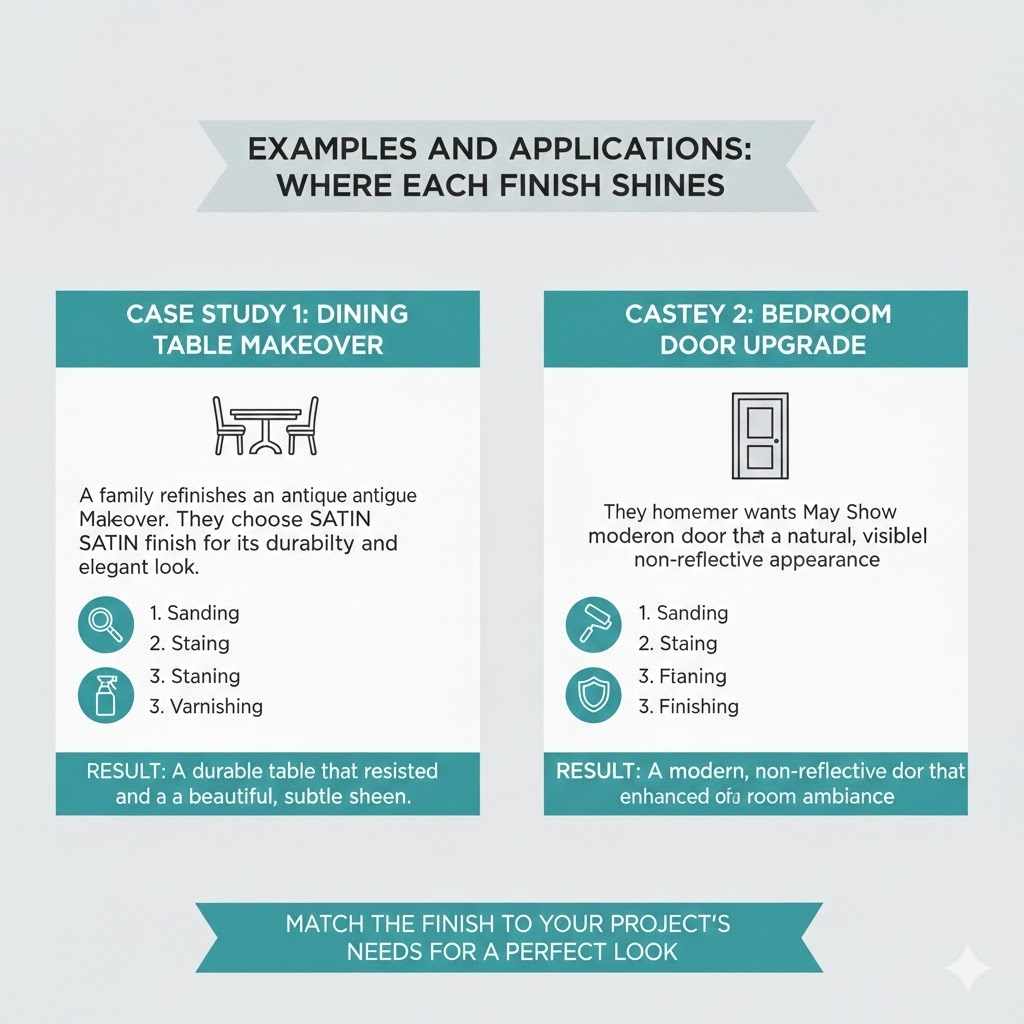
Case Study 1: Dining Table Makeover
A family decided to refinish their antique dining table. The table had a lot of scratches and watermarks, making it look worn. After much thought, they chose a satin finish. First, they sanded the table to remove the old finish and any imperfections. They applied a stain to enhance the wood grain, followed by several coats of satin varnish. The satin finish provided a smooth, durable surface that resisted scratches. The result was a stunning table that complemented the dining room. The family was very happy with the final product. It highlighted the beauty of the wood.
- Sanding: Removing the old finish and smoothing the surface.
- Staining: Enhancing the wood’s grain and adding color.
- Varnishing: Applying multiple coats of satin varnish.
- Result: A durable table that resisted scratches.
The satin finish made the table look more elegant and it protected the wood from everyday use. The moderate sheen helped to hide minor scratches and marks, which would be visible on a high-gloss finish. The family liked the balance of beauty and practicality that the satin finish provided. They were satisfied with the overall look of the table. Their dining room became more inviting, and the family enjoyed meals and gatherings around it. This process revealed the beauty of the wood.
Case Study 2: Bedroom Door Upgrade
A homeowner wanted to give their bedroom a fresh look, beginning with the door. They wanted a more natural, modern aesthetic, so they chose a matte finish. After sanding the door and preparing the surface, they applied a wood stain. They then applied several coats of a matte polyurethane finish. The result was a door with a smooth, non-reflective surface. The matte finish gave the door a modern, sleek appearance, while hiding small imperfections. The door blended well with the overall design, creating a restful ambiance.
- Sanding: Removing the old finish and any imperfections.
- Staining: Adding depth and highlighting the wood’s grain.
- Finishing: Applying several coats of matte polyurethane.
- Result: A modern, non-reflective door.
The matte finish created a smooth, seamless appearance. The door now perfectly matched the bedroom decor, and the homeowner was pleased with the end result. The matte finish gave the door a soft, inviting feeling that enhanced the room’s atmosphere. The homeowner was happy with how easy the matte finish was to apply. The finish’s subtle, natural look added a touch of sophistication to the bedroom. It shows how the correct finish can transform a space.
Frequently Asked Questions
Question: Is a satin finish more durable than a matte finish?
Answer: Generally, satin finishes might offer slightly more scratch resistance due to their higher gloss level. However, both satin and matte finishes provide good protection, and durability often depends more on the specific product and its formulation.
Question: Which finish is better for hiding imperfections?
Answer: Matte finishes are usually better at hiding imperfections, such as scratches and dents, because their non-reflective surface minimizes the appearance of these flaws. Satin finishes, while still good at hiding imperfections, tend to reflect more light, making minor flaws more visible.
Question: How do I clean and maintain a satin or matte finish?
Answer: Both satin and matte finishes are easy to clean. Regular dusting with a soft cloth is usually enough for daily maintenance. For deeper cleaning, use a damp cloth with a mild soap and water solution. Avoid abrasive cleaners that might damage the surface.
Question: Can I apply a satin finish over a matte finish, or vice versa?
Answer: You can, but it may require some preparation. The new finish needs to adhere well to the existing surface. Lightly sanding the existing finish and cleaning the surface is important. Always test the new finish on a hidden area first to ensure you achieve the desired outcome.
Question: Which finish is best for a high-traffic area, like a tabletop?
Answer: Both satin and matte finishes can be suitable for a tabletop. However, for a high-traffic area, the choice depends on your priorities. If scratch resistance is your priority, a satin finish might be a bit better. If hiding imperfections is key, a matte finish is a good choice. Selecting a durable, high-quality finish is critical, no matter which option you choose.
Final Thoughts
Selecting between satin and matte finishes for your wood projects depends on the look you want and where the finished item will go. Satin finishes give a balanced look, offering some shine while still hiding minor flaws. Matte finishes create a natural, flat appearance and minimize glare, making them ideal for a more understated style. Considering the pros and cons of each finish is important. Weigh the need for scratch resistance versus the desire for a less reflective surface. Both options are great for their own reasons. This article has covered the details, making sure you can pick the perfect look for your needs. Now you have the knowledge needed to start your next project with confidence!