The Ultimate Guide to Using a Scratch Repair Kit for Wood Floors: Restore Your Floors to Perfection
Hey there! If you’re reading this, chances are you’ve noticed a few scratches on your beautiful wood floors and you’re wondering how to bring them back to life. I’ve been there, trust me. As someone who’s spent countless hours tinkering with woodworking projects and maintaining my own hardwood floors, I know how frustrating it can be to see those unsightly marks. But here’s the good news: a scratch repair kit for wood floors can be your best friend! These kits are like magic wands for fixing scratches, gouges, and scuffs, and they’re easier to use than you might think.
In this guide, I’m going to walk you through everything you need to know about choosing and using a scratch repair kit for wood floors. Whether you’re a DIY newbie or a seasoned woodworker, I’ve got you covered with practical tips, step-by-step advice, and a few tricks I’ve learned along the way. Let’s dive in and get those floors looking flawless again!
Why Wood Floor Scratches Happen and Why They Matter
Wood floors are stunning, aren’t they? They add warmth and character to any home. But they’re also prone to scratches. Pets running around, furniture being dragged, or even a dropped toy can leave marks. I remember the first time I noticed a deep scratch on my oak floor—my heart sank! Scratches don’t just ruin the look of your floors; they can also lower your home’s value if left unchecked. Over time, scratches can collect dirt or even let moisture seep into the wood, causing more damage. That’s why fixing them ASAP is so important.
A scratch repair kit is a game-changer because it lets you tackle these issues without hiring a pro or sanding down your entire floor. These kits are affordable, user-friendly, and designed to blend repairs seamlessly with your floor’s finish. I’ve used them myself, and I can tell you they save time and money while keeping your floors looking like new.
What Is a Scratch Repair Kit for Wood Floors?
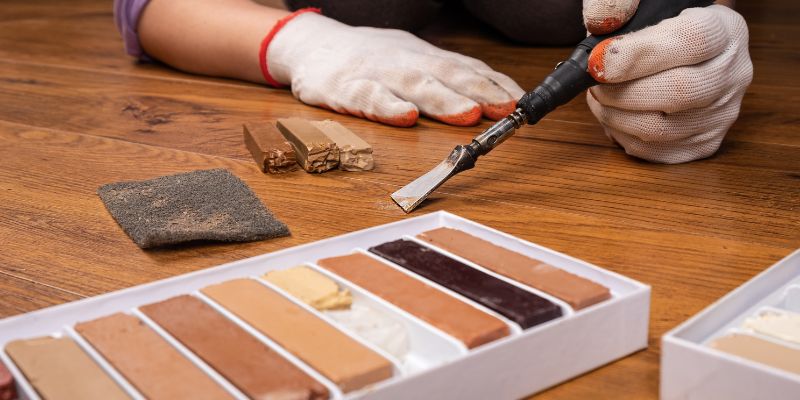
So, what exactly is a scratch repair kit for wood floors? Think of it as a toolbox specifically for fixing imperfections on your hardwood or laminate floors. These kits usually include things like touch-up markers, filler sticks, putty, wax, or stain pens. Some even come with applicators or sandpaper for smoothing things out. The goal is to fill in scratches, match the color of your floor, and seal the repair so it looks natural.
I’ve tried a few different kits over the years, and they all work a bit differently depending on the type of floor you have—hardwood, engineered wood, or laminate. Hardwood floors, for example, might need a wax-based filler, while laminate often works better with putty or resin. The key is to pick a kit that matches your floor’s material and finish. Most kits are designed for DIYers, so you don’t need to be a woodworking expert to get great results.
Types of Scratch Repair Kits Available
Not all scratch repair kits are created equal, and choosing the right one can make or break your repair job. Here’s a breakdown of the main types I’ve come across:
| Type of Kit | Best For | What’s Included | Pros | Cons |
|---|---|---|---|---|
| Marker-Based Kits | Light scratches and scuffs | Touch-up markers, blending pencils | Easy to use, great for small scratches | Not ideal for deep gouges |
| Wax-Based Kits | Medium scratches, engineered wood | Wax sticks, applicator, sharpener | Blends well, durable | Can be tricky to apply evenly |
| Putty-Based Kits | Deep scratches, hardwood floors | Wood putty, stain pens, sandpaper | Fills deep scratches, customizable color | Requires more skill to blend |
| All-in-One Kits | Various scratch types, versatile use | Markers, wax, putty, varnish | Comprehensive, good for multiple repairs | Can be pricier |
| Nanotech-Based Kits | Hardwood, glossy finishes | Clear filler, sealant | Nearly invisible repairs, UV-resistant | Not suitable for matte or synthetic floors |
I’ve found that marker-based kits are perfect for quick fixes, like when my dog scratched the surface of my living room floor. For deeper damage, like the time I accidentally dropped a hammer, putty-based kits worked better. If you’re unsure which to choose, an all-in-one kit is a safe bet—it’s like having a Swiss Army knife for floor repairs.
How to Choose the Right Scratch Repair Kit
Picking the right kit can feel overwhelming with so many options out there. Here’s what I’ve learned from trial and error. First, know your floor type. Is it solid hardwood, engineered wood, or laminate? Check with your flooring manufacturer or installer if you’re not sure. The finish matters too—glossy, matte, or semi-glossy? Some kits work better with specific finishes.
Next, consider the scratch severity. Light scratches only need a touch-up marker, while deeper gouges might require putty or wax. I once bought a cheap kit that didn’t match my floor’s color, and the repair stood out like a sore thumb. Always look for a kit with multiple color options or one that lets you blend shades to match your floor. Brands like Weiman and MagicEzy are great because they include a range of colors and tools.
Finally, think about ease of use. If you’re new to DIY, go for a kit with clear instructions and simple tools. I recommend checking customer reviews online to see how others have fared with the kit. And don’t forget to check if the kit is safe for your floor’s material—some products aren’t suitable for laminate or vinyl.
Step-by-Step Guide to Using a Scratch Repair Kit
Ready to fix those scratches? Let me walk you through the process I use. It’s straightforward, but attention to detail is key. Here’s how I do it:
- Clean the Area: Start by cleaning the scratched area. I use a soft cloth and a hardwood floor cleaner with a neutral pH. This removes dust and dirt so you can see the scratch clearly. Avoid harsh chemicals—they can damage the finish.
- Assess the Scratch: Is it a surface scratch or a deep gouge? For light scratches, a touch-up marker might be enough. Deeper scratches need filler. I once tried using a marker on a deep scratch, and it was a total fail—don’t make my mistake!
- Choose the Right Color: If your kit includes markers or wax sticks, pick the color closest to your floor. Test it on a small, hidden area first. I usually blend two shades to get a perfect match.
- Apply the Filler: For deep scratches, apply putty or wax with a plastic applicator. Press it into the scratch and smooth it out. I find that warming wax slightly (with a hairdryer) makes it easier to work with.
- Blend and Stain: Use a stain pen or marker to mimic the wood grain. Go slowly and follow the grain’s direction. I keep a clean cloth handy to wipe away excess product.
- Sand Lightly: If the kit includes sandpaper, gently sand the repaired area to make it level with the floor. I use 400-grit sandpaper for a smooth finish.
- Seal the Repair: Apply a thin layer of varnish or sealant to protect the repair. Some kits include this; others don’t, so you might need to buy a clear polyurethane finish. Let it dry completely—usually 24 hours.
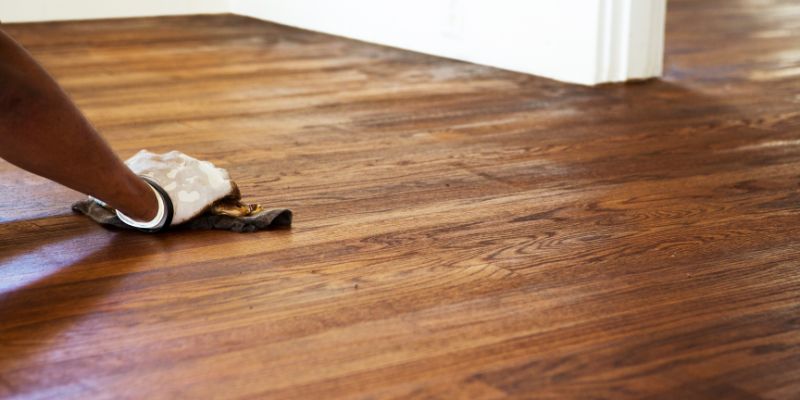
- Polish the Area: Buff the area with a soft cloth to blend it with the rest of the floor. I love this step because it’s when you see the magic happen!
This process has saved my floors countless times. Just take your time and don’t rush. Patience is your friend here.
Tips for Getting Professional-Looking Results
I’ve learned a few tricks to make my repairs look like they were done by a pro. First, always work in a well-lit area so you can see the scratch clearly. I use a desk lamp to spotlight the area. Second, practice on a piece of scrap wood if you’re new to this—it builds confidence. Third, don’t overfill scratches with putty or wax; a thin layer is better than a lumpy one. Finally, if your floor has a unique grain pattern, use a fine-tipped marker to draw in the grain lines. It’s a small detail, but it makes a big difference.
Common Mistakes to Avoid
I’ve made my fair share of mistakes, so let me save you some trouble. Don’t skip cleaning the area—dirt can mess up the repair. Don’t use a product meant for furniture on your floors; they’re formulated differently. I once used furniture polish on a floor scratch, and it left a slippery spot—yikes! Also, avoid rushing the drying process. If the instructions say wait 24 hours, wait 24 hours. Trust me, it’s worth it.
Preventing Scratches on Wood Floors
Fixing scratches is great, but preventing them is even better. I’ve adopted a few habits to keep my floors scratch-free. Use felt pads under furniture legs—they’re a lifesaver. Area rugs in high-traffic spots like hallways or under dining tables work wonders. I also keep my dog’s nails trimmed and enforce a no-shoes policy in the house. If you have kids, teach them to be careful with toys. These small steps go a long way.
When to Call a Professional
Sometimes, a scratch repair kit isn’t enough. If your floor has deep gouges, widespread scratches, or water damage, it might be time to call a pro. I tried fixing a huge scratch from moving a couch once, and it was beyond my DIY skills. A professional can sand and refinish the floor or even replace damaged boards. It’s pricier, but it’s worth it for severe damage. Look for a local hardwood floor specialist with good reviews.
Comparing Popular Scratch Repair Kits
Here’s a quick look at some kits I’ve tried or researched:
| Brand | Price Range | Best Feature | Where to Buy |
|---|---|---|---|
| Weiman | $15–$25 | Includes markers and filler sticks | Amazon, Home Depot |
| MagicEzy | $20–$30 | Nanotechnology for invisible repairs | Amazon |
| Guardsman | $10–$20 | Wide range of color options | Walmart, Amazon |
| Gorilla Wood Filler | $8–$15 | Water-resistant, great for outdoors | Hardware stores |
I like Weiman for its versatility and MagicEzy for glossy finishes. Guardsman is budget-friendly, while Gorilla is perfect if you need something durable.
Why I Love Using Scratch Repair Kits
Using a scratch repair kit feels empowering. There’s something satisfying about fixing a problem yourself and seeing your floors go from scratched to stunning. These kits are affordable, easy to store, and versatile enough for multiple repairs. Plus, they save you from the hassle and cost of refinishing your entire floor. I keep a kit in my garage at all times—it’s like insurance for my floors!
Conclusion
There you go, friend! You’re now armed with everything you need to know about using a scratch repair kit for wood floors. From picking the right kit to mastering the repair process, you can tackle those scratches like a pro. I’ve seen firsthand how these kits can transform a damaged floor into a showpiece, and I’m confident you’ll get the same results. Take your time, follow the steps, and don’t be afraid to experiment with blending colors to match your floor perfectly. Your home deserves floors that shine, and with a little effort, you’ll have them looking brand-new. So grab a kit, roll up your sleeves, and let’s make those scratches disappear!
FAQs
What’s the difference between a scratch repair kit for wood floors and furniture?
Scratch repair kits for wood floors are designed specifically for flooring materials like hardwood or laminate. They often include stronger fillers and sealants to handle foot traffic. Furniture kits are formulated for delicate surfaces and may not hold up on floors. I learned this the hard way when a furniture marker faded on my floor after a week!
Can I use a scratch repair kit on laminate floors?
Yes, but check the kit’s label first. Some kits are made for both hardwood and laminate, but others are hardwood-only. For laminate, I recommend putty-based kits or ones with resin fillers—they adhere better to synthetic surfaces.
How long does a scratch repair take to dry?
It depends on the kit. Markers dry in minutes, while wax or putty can take 2–24 hours. Some sealants need 48 hours to fully set. I always wait the full time to avoid smudging the repair.
Will the repair be completely invisible?
With the right kit and technique, repairs can be nearly invisible. Matching the color and grain is key. I’ve had repairs that even I couldn’t spot after a week, but deep gouges might still show slightly.
Can I prevent scratches without a kit?
Absolutely! Use rugs, felt pads, and keep pet nails trimmed. I also avoid dragging furniture and use a soft broom for cleaning. Prevention is easier than repair, trust me!