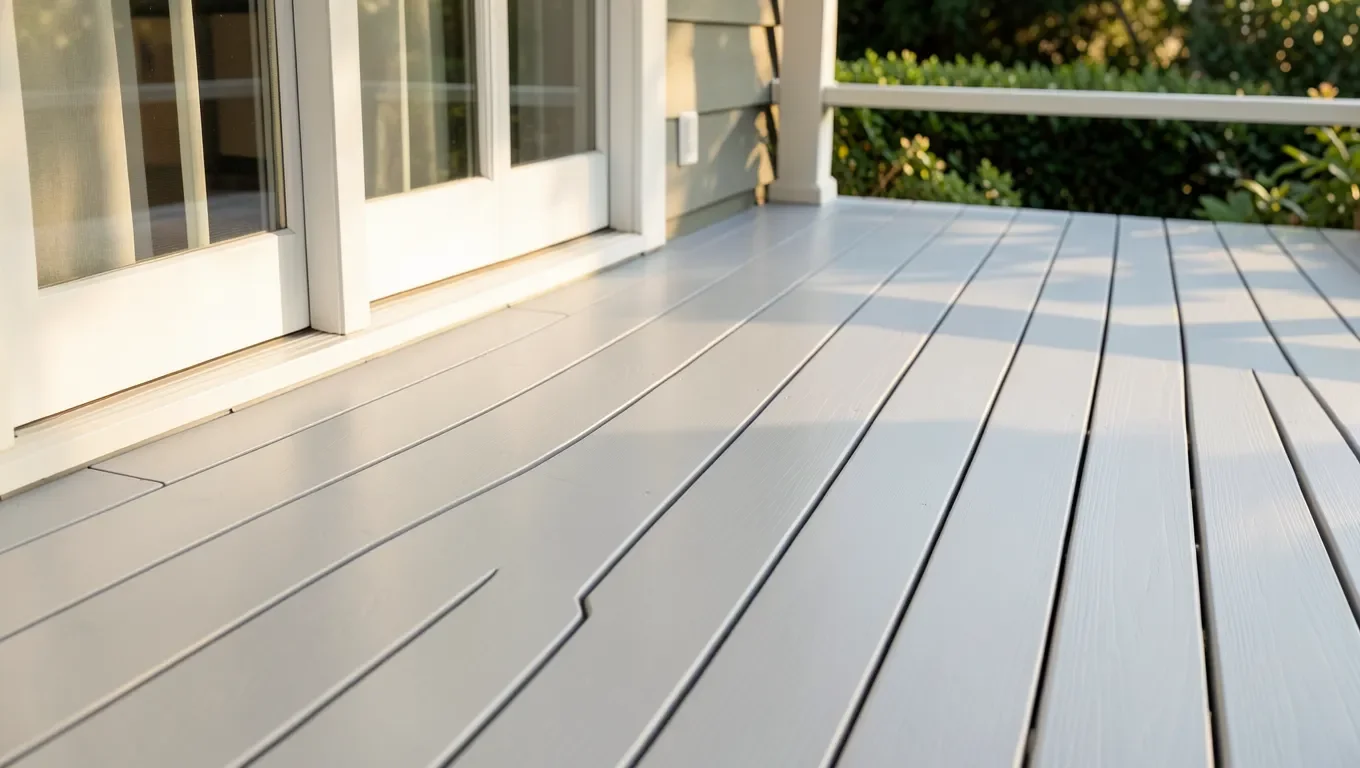
Sherwin-Williams Paint for Wood Floors: Porch & Floor Enamel
Sherwin-Williams paint for wood floors is Porch & Floor Enamel – a dedicated floor coating sold in three distinct chemistries (waterborne acrylic, alkyd, and urethane), not a wall paint relabeled for floors. It comes in a satin sheen for the interior/exterior waterborne version, covers roughly 350-400 square feet per gallon, and is sold exclusively through Sherwin-Williams stores rather than home centers or Amazon. This guide covers the real formula differences, how it performs specifically on interior wood floors, and what to buy instead if you need something today.
Most articles about “Sherwin-Williams wood floor paint” treat it as one product with a color chart. It isn’t. Sherwin-Williams sells at least three separate Porch & Floor Enamel formulas with different cure chemistry, cleanup methods, and recommended uses, and picking the wrong one is the most common reason a floor paint job fails early. Below is what each formula actually is, the coverage and dry-time numbers from the product data sheet, and a straightforward prep and application process.
What Is Sherwin-Williams Porch & Floor Enamel?
Porch & Floor Enamel is Sherwin-Williams’ dedicated line for wood and concrete floors, porches, steps, and other foot-traffic surfaces – it’s formulated to resist abrasion, blocking (tackiness under stacked weight), and scuffing in ways ordinary interior wall paint is not. The line isn’t a single product; Sherwin-Williams sells it as three separate formulas built on different resins, and the can you want depends on the surface and how much wear the floor will see.
Recommended Prep Primer for Glossy or Slick Floors
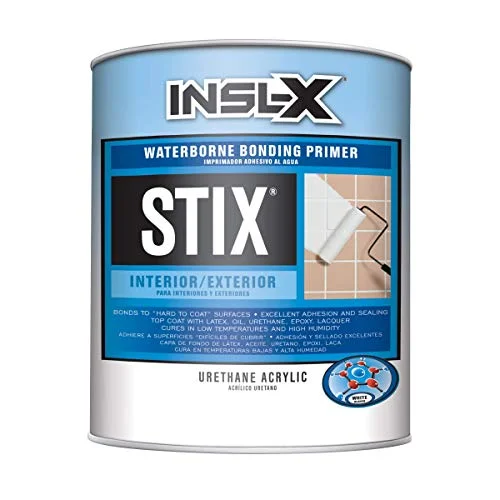 |
INSL-X Stix Acrylic Waterborne Bonding Primer, 1 Quart – $26.99 Note: this is not the Sherwin-Williams product itself – Sherwin-Williams doesn’t sell Porch & Floor Enamel on Amazon, only through its own stores. This is a genuinely useful, honestly-labeled alternative: a bonding primer for the glossy, previously-finished, or hard-to-coat wood floors where floor enamel (any brand) is most likely to peel without it.
|
The Three Porch & Floor Enamel Formulas
These are chemically different products, not color variants of the same can:
- Waterborne Acrylic Satin (A32-200 series) – water-based, water cleanup, satin sheen, rated for interior and exterior use on wood and concrete porches, steps, and low-traffic floors. This is the version most homeowners want for an interior wood floor.
- Low Gloss Alkyd Enamel – oil-based, interior/exterior, needs mineral spirits for cleanup. Alkyd enamels generally lay down a harder, more abrasion-resistant film than acrylics but take longer to cure and off-gas more while drying.
- Urethane Enamel, Gloss – interior/exterior, built for maximum durability in the highest-traffic spots. Higher sheen, harder film, and typically the option Sherwin-Williams reps point pros toward for commercial or heavy-use floors.
For a typical interior wood floor – a living room, hallway, or bedroom – the waterborne acrylic satin is the one to ask for by name at the counter. It’s the only one of the three with easy water cleanup, and its recoat window is short enough to finish a room in a normal weekend.
Coverage, Dry Time, and Recoat Windows
From the waterborne acrylic product data sheet: coverage runs 350-400 square feet per gallon on a properly primed surface, and it’s rated under 50 g/L VOC. The recoat window is 4 hours under normal drying conditions, meaning you can put a second coat down the same day rather than waiting overnight between coats. That’s a meaningfully faster turnaround than an alkyd enamel, which needs longer dry times between coats and full cure.
Two things the data sheet doesn’t spell out in plain terms: “recoat time” and “safe to walk on” are not the same number, and full cure – the point where the film reaches its final hardness and won’t dent or scuff under furniture – always takes longer than either. Sherwin-Williams’ own label on the can is the authoritative source for both numbers for the specific formula and conditions you’re working in, since dry time varies with humidity, temperature, and film thickness. Don’t move furniture back onto a freshly painted floor based on a general rule of thumb.
Where to Buy It (and Why It’s Not on Amazon)
Sherwin-Williams sells Porch & Floor Enamel through its own company-owned stores and sherwin-williams.com – it’s not distributed through Home Depot, Lowe’s, or Amazon the way Behr, Valspar, and Rust-Oleum floor paints are. That’s a deliberate part of Sherwin-Williams’ retail model, not an availability gap: their paint is tinted and mixed in-store to your exact color, and a store associate can confirm which of the three formulas fits your surface before you buy. If you’re comparing prices online and can’t find a Sherwin-Williams listing, that’s why – go to a Sherwin-Williams store or their site directly rather than assuming a third-party “Sherwin-Williams” floor paint listing on a marketplace site is genuine.
Prepping a Wood Floor Before You Paint
Floor enamel fails almost exclusively at the prep stage, not the paint itself. The sequence that actually holds up:
- Clean thoroughly. Sweep, vacuum, then wash with a degreaser if the floor has seen any cooking or foot-traffic oils – paint won’t bond over a film of grime no matter how good the product is.
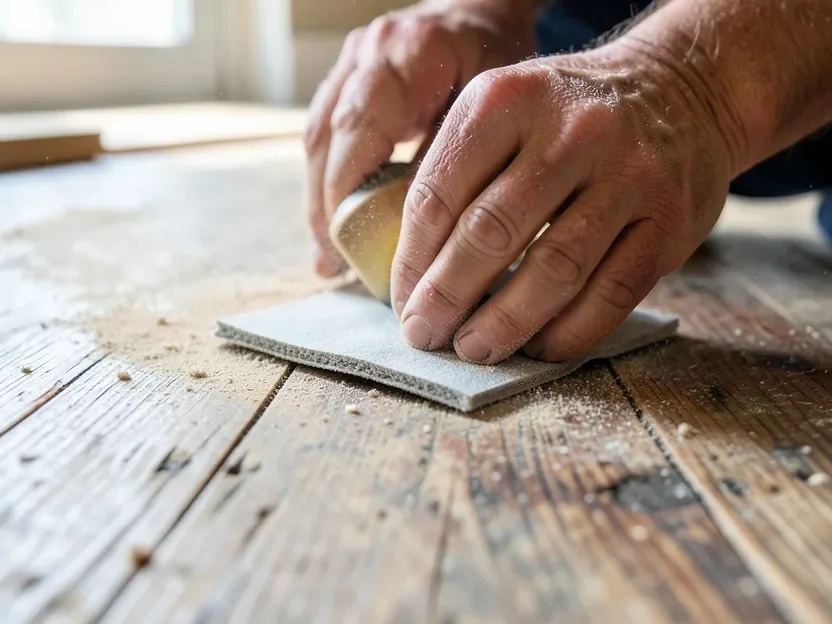
- Sand to break the sheen. A previously varnished or lacquered floor needs a full scuff-sand, not a light pass – the goal is to remove enough gloss that primer has something to mechanically grip.
- Vacuum and tack-cloth the dust. Leftover sanding dust under the primer coat is a common cause of a gritty, uneven final finish.
- Prime if the surface is glossy, previously finished, or a species known to be resinous. A bonding primer like the one above closes that gap; skipping it on a slick floor is the single most common reason floor enamel peels within the first year.
- Fill gouges and gaps with a wood filler rated for the finish you’re applying, then sand it flush before the first color coat.
How to Apply It: Step by Step
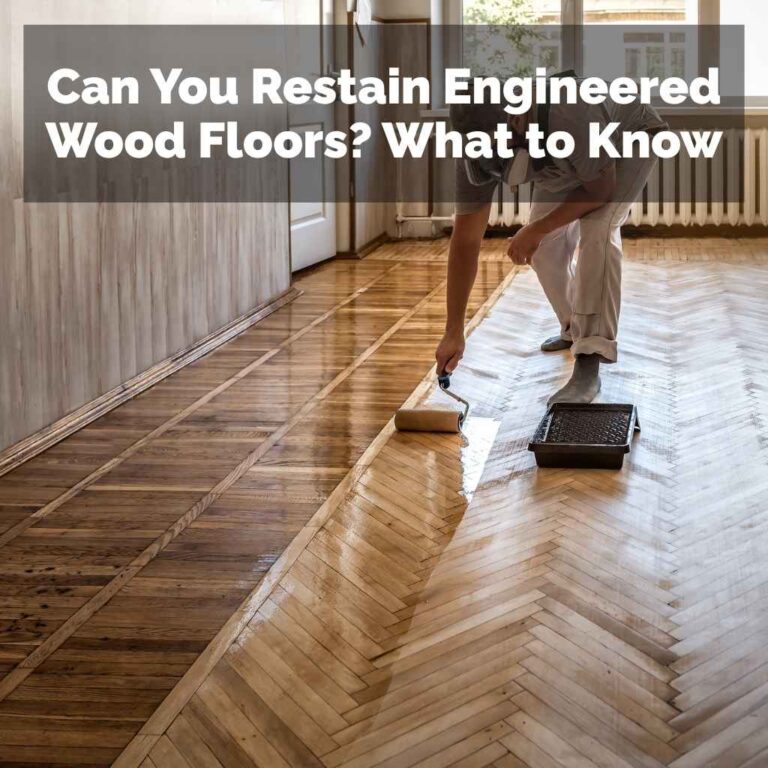
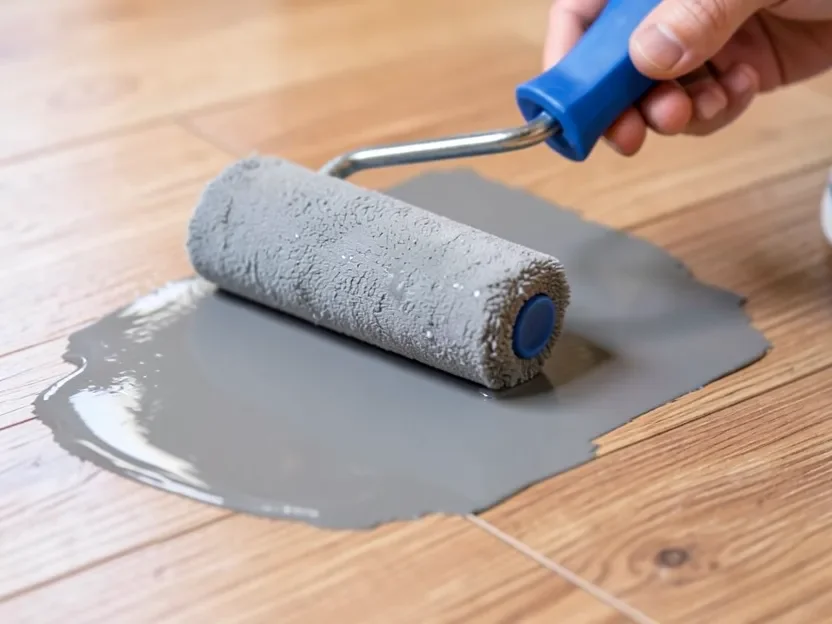
Once the floor is clean, sanded, and primed where needed, application is straightforward. Cut in the edges and corners with a brush first, then roll the field of the floor with a medium-nap roller working in the direction of the boards – rolling across the grain leaves visible lap marks once the paint levels. Keep a wet edge as you go section by section rather than painting the whole room in patches and coming back, since dried edges show as a visible line under satin and gloss sheens. Apply a thin, even first coat; a thick coat takes longer to cure and is more prone to staying tacky. Let the first coat hit its recoat window before applying the second, and plan the second coat to fully cover any thin or missed spots from the first pass.
Slip Resistance on Interior Floors
Satin and gloss enamel finishes can be noticeably slicker underfoot than the wood or old finish they’re covering, especially when wet. Sherwin-Williams recommends a slip-resistant additive mixed into the final coat for surfaces where that matters – entryways, bathroom-adjacent floors, stairs, or homes with young kids or older adults. It’s a small add at the counter when you buy the paint, and it’s easy to skip if you don’t think to ask for it, so raise it proactively rather than assuming the base formula already accounts for traction.
How It Compares to Behr, Valspar, and Rust-Oleum
Behr Porch & Patio, Valspar Porch & Floor, and Rust-Oleum’s floor coatings are the direct retail-shelf competitors, and the practical trade-off is availability and price versus in-store color-matching and formula choice. The big-box brands are cheaper per gallon and available same-day at Home Depot or Lowe’s, which matters if you’re patching a small area today. Sherwin-Williams’ advantage is the three-formula lineup and a store associate who can steer you toward the right chemistry for your specific floor and traffic level, plus their standard tinting system if you want an exact color match to trim or cabinetry elsewhere in the house. Neither is objectively “better” across the board – it depends on whether you value convenience or formula precision more for the specific floor you’re painting.
Mistakes That Ruin a Painted Floor
The failures that show up in the first year almost always trace back to one of these: skipping primer on a glossy or previously finished floor, walking on the floor before it’s actually cured (not just dry to the touch), applying a coat too thick to cure evenly, or not asking for the slip-resistant additive on a floor that needed it. If paint is already peeling on an existing floor, sand back to sound material and address whatever caused the peel – usually moisture or a missing primer coat – before repainting, or the new coat will fail the same way. If you’re unsure whether an old finish will let new paint bond properly, a small test patch in a closet or under a rug is cheaper than repainting the whole room.
Frequently Asked Questions
What is Sherwin-Williams paint for wood floors called?
Porch & Floor Enamel. It’s sold as three separate formulas – waterborne acrylic satin, alkyd low-gloss, and urethane gloss – rather than one universal can.
Can you use Sherwin-Williams Porch & Floor Enamel on interior wood floors?
Yes. The waterborne acrylic satin formula is rated for interior and exterior use on wood and concrete floors, porches, and steps. For interior areas with kids, stairs, or bare feet near water, ask for the slip-resistant additive to be mixed in.
How much does Sherwin-Williams Porch & Floor Enamel cover per gallon?
350-400 square feet per gallon on a properly prepped and primed surface, per the waterborne formula’s product data sheet.
How long before I can recoat or walk on it?
The waterborne formula has a 4-hour recoat window. Full cure and safe-to-walk-on times are longer and vary with humidity and film thickness, so check the specific timing printed on the can rather than assuming a fixed number.
Where can I buy Sherwin-Williams Porch & Floor Enamel?
Only through Sherwin-Williams’ own stores or sherwin-williams.com. It isn’t sold at Home Depot, Lowe’s, or Amazon, unlike Behr, Valspar, and Rust-Oleum’s floor paints.
Is Sherwin-Williams Porch & Floor Enamel better than Behr or Valspar?
It depends on what you’re optimizing for. Behr and Valspar are cheaper and available same-day at home centers; Sherwin-Williams offers three distinct formulas and in-store guidance on which one fits your floor and traffic level, plus their tinting system for exact color matches.
Bottom Line
If someone says “Sherwin-Williams wood floor paint,” they mean Porch & Floor Enamel – and specifically the waterborne acrylic satin formula for most interior wood floors. Buy it at a Sherwin-Williams store rather than searching for it online, prime any glossy or previously finished surface before the color coat, and ask about the slip-resistant additive if the floor sees bare feet or water. Get the prep right and the paint itself is the easy part.
Sponsored / affiliate links. As an Amazon Associate I earn from qualifying purchases. I may earn additional commission from eligible campaigns.