Polyurethane Over Painted Cabinets: Do You Even Need It?
Water-based polyurethane protects painted cabinets from scratches and daily wear without yellowing white or light paint — but high-sheen cabinet enamels like semi-gloss or gloss latex are often durable enough on their own. Skipping the topcoat on the wrong paint means early chipping; adding one over the wrong sheen wastes time and money. This guide covers when a topcoat actually helps, which polyurethane to pick, and how to apply it without drips or a plastic-looking finish.
Quick Answer
Add a water-based polyurethane topcoat over cabinets painted in flat, eggshell, or satin latex — those sheens scuff and stain easily. Skip it over semi-gloss or gloss cabinet enamel, which is already hard and stain-resistant. Either way, wait until the paint has cured for at least 2-3 weeks, not just dried, before applying anything on top.
Do You Actually Need a Topcoat? Check Your Paint Sheen First
Most articles on this topic skip straight to “yes, add polyurethane” without asking whether the cabinets need it at all. The honest answer depends on which paint sheen is already on the doors.
| Paint Sheen Used | Needs a Polyurethane Topcoat? | Why |
|---|---|---|
| Flat / matte latex | Yes | Softest, most porous sheen — scuffs and stains fastest without a clear layer on top. |
| Eggshell | Yes | Better than flat but still marks easily around handles and edges. |
| Satin latex | Usually, if high-traffic | Moderate durability; a topcoat adds real insurance on a kitchen’s most-touched doors. |
| Semi-gloss / gloss cabinet enamel | Not necessary | Cured enamel (e.g. Benjamin Moore Advance, Valspar Cabinet Enamel) is already dense and washable — a topcoat adds risk of yellowing with little extra protection. |
If the cabinets were already painted with a dedicated cabinet-and-trim enamel, the safer move is often to leave them alone and just clean them well. For anything painted with a standard wall-grade flat or eggshell latex, a clear topcoat is the difference between a finish that survives a busy kitchen and one that needs repainting in two years.
Which Type of Polyurethane Works Over Painted Cabinets?
Once you’ve decided a topcoat is worth adding, the type matters more here than on bare wood. Oil-based and water-based polyurethane behave very differently over paint.
| Feature | Oil-Based Polyurethane | Water-Based Polyurethane |
|---|---|---|
| Yellowing over white/light paint | Will amber over time — this is not a myth, it’s the resin chemistry | Dries and stays clear |
| Drying time between coats | 6-8 hours | 2-4 hours |
| Odor | Strong, needs ventilation | Low odor |
| Durability | Slightly harder film | Very durable, close enough for cabinet doors |
| Cleanup | Mineral spirits | Soap and water |
For painted cabinets, water-based polyurethane is the correct default, not just one of two equal options. Oil-based poly will genuinely amber white and light-colored paint within months — that’s a real chemical property of the resin, not an old wives’ tale. Save oil-based poly for stained, unpainted wood where a warm amber tint is expected.
Choosing the Right Sheen: Glossy, Satin, or Matte
- Satin: The most common pick for cabinets — close to the sheen of most cabinet enamels, so the topcoat is nearly invisible.
- Semi-gloss: More scratch-visible-hiding and easier to wipe down, at the cost of showing more fingerprints.
- Matte: Hides fingerprints and smudges well but shows scuffs more since there’s no sheen to distract the eye.
Read our full satin vs. semi-gloss polyurethane comparison if the sheen decision is the only thing holding you up.
Our Pick For Painted Cabinets
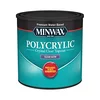 |
Minwax Polycrylic Protective Finish, Clear Satin A water-based topcoat made specifically for use over painted and stained wood, including cabinets and doors.
|
As an Amazon Associate we earn from qualifying purchases.
How to Prep Painted Cabinets Before Applying Polyurethane
Prep determines whether the topcoat bonds or peels off in sheets within a month. Rushing this step is the single most common reason a polyurethane-over-paint job fails.
- Confirm the paint has cured: Most latex cabinet paints feel dry within hours but need 2-3 weeks to fully cure. Applying poly too early traps solvents and causes cloudy patches.
- Clean thoroughly: Wipe every door and drawer front with a degreaser — kitchen cabinets collect a thin film of cooking oil that ordinary dusting misses, and polyurethane will not bond over it.
- Scuff-sand: Lightly sand with 220-grit sandpaper to knock down the paint’s sheen. This isn’t about removing paint — it’s about giving the topcoat something to grip.
- Tack off the dust: Wipe with a tack cloth or a microfiber cloth barely dampened with water. Any dust left behind gets sealed under the topcoat permanently.
Application Techniques for a Smooth, Drip-Free Finish
Brushing and spraying both work on cabinet doors, but they suit different setups.
| Method | Pros | Cons |
|---|---|---|
| Brush | More control, no overspray, works in a kitchen without masking the whole room | Can leave faint brush lines if the coat is too thick |
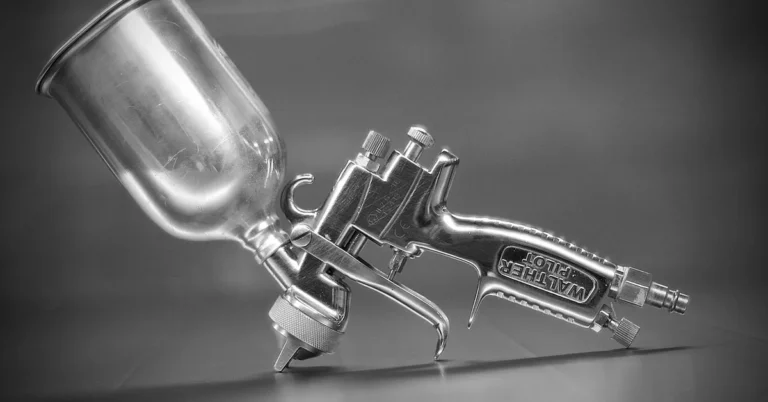
| Spray (HVLP) | Glass-smooth, factory-like finish | Doors must be removed and sprayed in a ventilated space or booth |
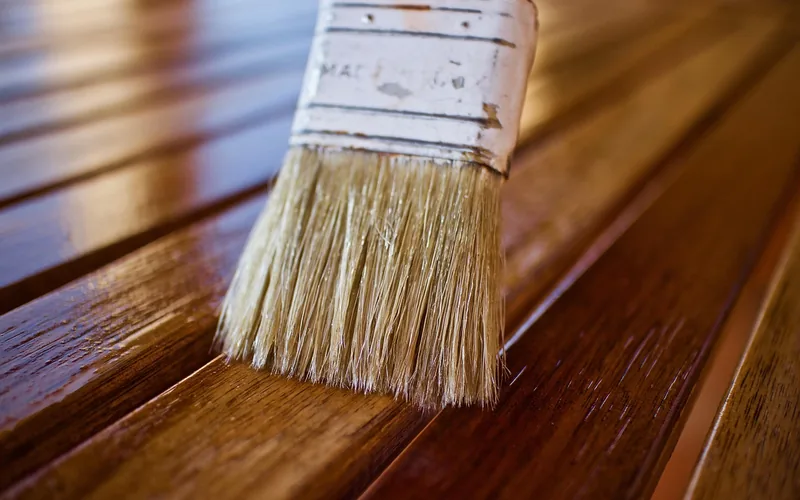
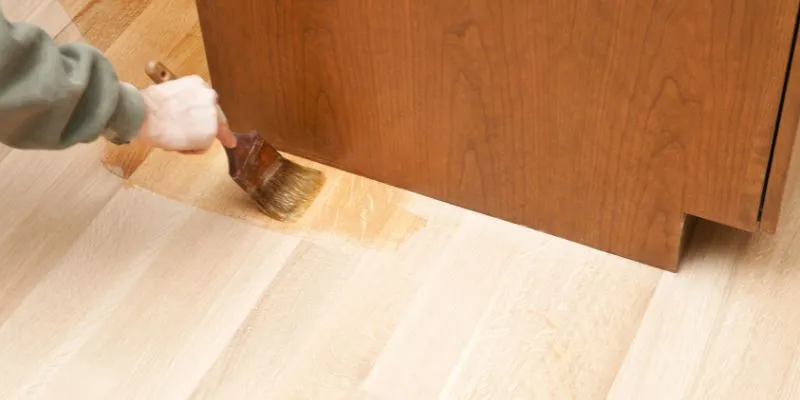
- Remove hardware and doors: Lay doors flat — vertical brushing on hung doors is what causes drips at the bottom edge.
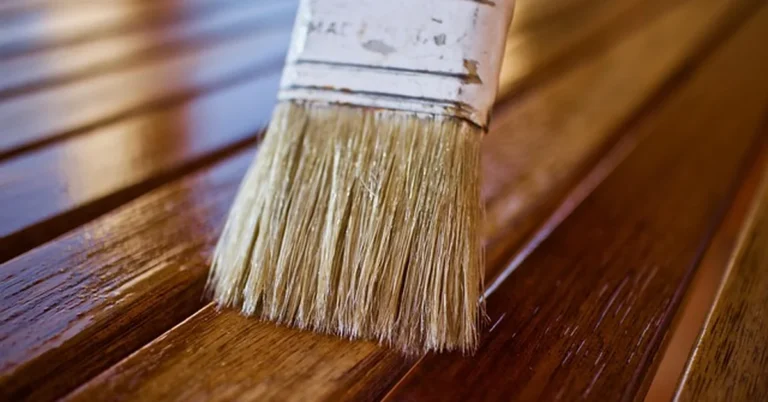
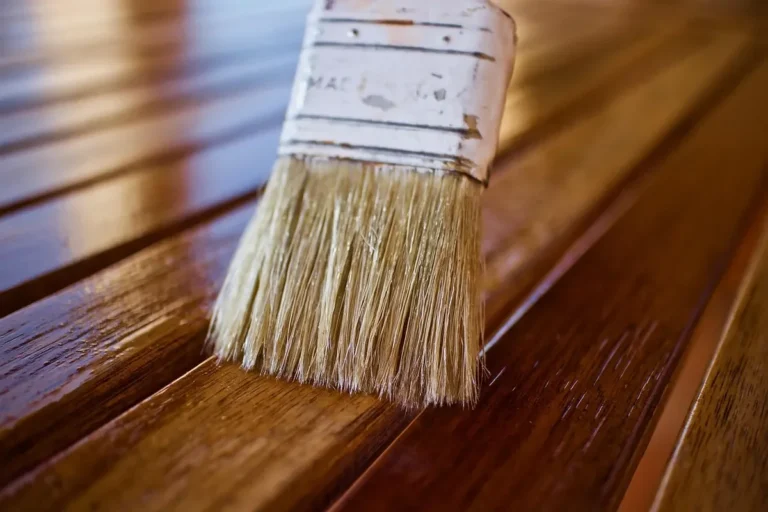
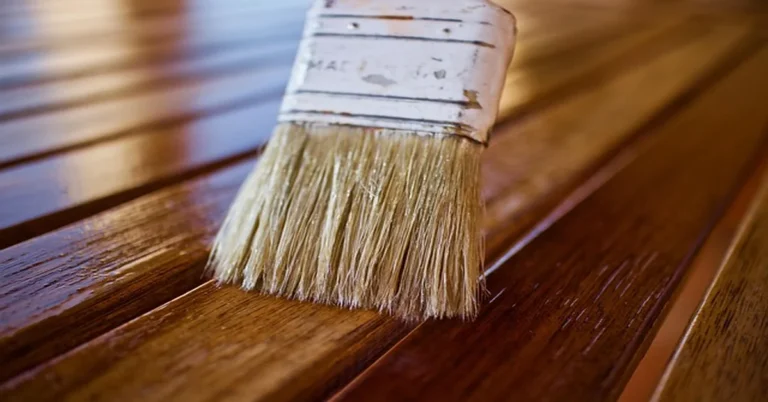
- Use a synthetic-bristle brush: Natural bristles absorb water-based poly and go limp.
- Thin coats only: Two or three thin coats dry harder and clearer than one thick one.
- Sand lightly between coats: A quick pass with 320-grit knocks down raised grain and dust nibs.
Drying Time and Curing Process
Drying is different from curing, and confusing the two is what causes most early damage. Water-based polyurethane feels dry to the touch in 2-4 hours and can usually take a second coat the same day. Full cure — the point where the film reaches its final hardness and can handle normal daily use without marking — takes about 7 days. Oil-based poly dries slower (6-8 hours between coats) and cures over roughly 30 days.
Keep doors off their hinges and drawers propped open during the cure window if possible. Closing a freshly coated door against its frame before the finish cures is a common way to weld two surfaces together or leave a permanent tack mark.
Common Mistakes to Avoid
- Applying over paint that isn’t cured: The single most common failure. Wait the full 2-3 weeks, not just overnight.
- Using oil-based poly over white paint: It will yellow — that’s chemistry, not a myth. Use water-based for anything light-colored.
- Skipping the scuff-sand: A glossy painted surface is too slick for polyurethane to grip without it.
- Applying too thick: Thick coats trap solvent, take far longer to cure, and are more likely to drip at edges and corners.
- Rehanging doors too soon: Reinstalling before the finish cures leads to sticking and surface marking at the hinges.
Maintaining Polyurethane-Coated Cabinets
Once cured, clean coated cabinets with a soft cloth and warm water with a few drops of mild dish soap — skip abrasive cleaners and scouring pads, which will dull the topcoat over time. Touch up isolated scuffs by lightly sanding the spot and re-coating just that panel rather than stripping the whole door. Most kitchens need a fresh coat every 3-5 years on the most-used doors, sooner near the stove and sink.
Frequently Asked Questions
Do painted cabinets always need a polyurethane topcoat?
No. Cabinets painted with a durable, high-sheen enamel (semi-gloss or gloss) are usually stain-resistant enough on their own. A topcoat is most worth adding over flat, eggshell, or satin latex paint, which scuffs and marks more easily without one.
Will polyurethane yellow painted cabinets?
Oil-based polyurethane will yellow white and light-colored paint over time — this is a real property of the resin, not a myth. Water-based polyurethane dries clear and stays clear, which is why it’s the recommended choice over painted surfaces.
How long should painted cabinets cure before applying polyurethane?
Wait at least 2-3 weeks after painting, even though the paint may feel dry within hours. Applying a topcoat before the paint has fully cured is the most common cause of cloudy spots, poor adhesion, and early peeling.
Can I apply polyurethane directly over paint without sanding?
It’s not recommended. A quick scuff-sand with 220-grit sandpaper removes the sheen and gives the polyurethane something to mechanically grip — skipping it is a common reason the topcoat peels off in sheets soon after application.
How long does polyurethane take to dry on cabinets?
Water-based polyurethane feels dry to the touch in 2-4 hours and can often take a second coat the same day. Full cure — when the finish reaches its final hardness — takes about 7 days for water-based and up to 30 days for oil-based polyurethane.
Conclusion
Polyurethane over painted cabinets is worth doing when the paint underneath is a lower-sheen latex that needs extra protection — and worth skipping when the cabinets are already coated in a hard cabinet enamel. When you do add it, water-based polyurethane, a full paint cure, a light scuff-sand, and thin coats are what separate a finish that lasts years from one that peels within months.
Sponsored / affiliate links. As an Amazon Associate I earn from qualifying purchases. I may earn additional commission from eligible campaigns.