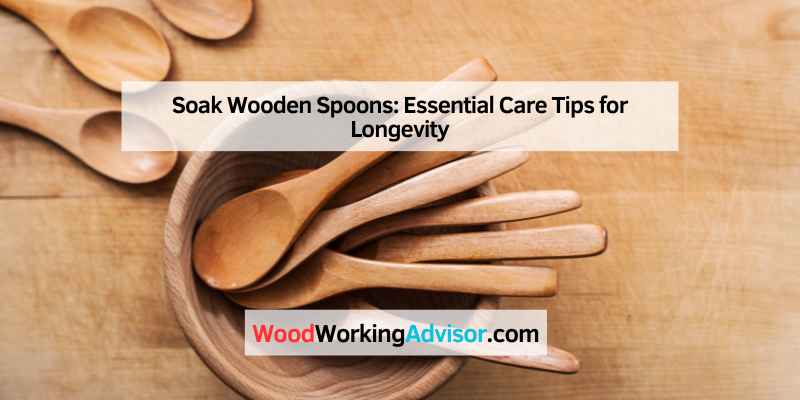
Soak Wooden Spoons: Essential Care Tips for Longevity
Soaking wooden spoons helps to clean and refresh them. It also prevents cracking and drying out.
Wooden spoons are a staple in many kitchens, known for their durability and natural beauty. Over time, they can absorb flavors and odors, making proper care essential. Soaking them not only cleans but also rejuvenates the wood, extending its life.
Regular maintenance prevents cracking and ensures your utensils remain safe for food preparation. Using warm, soapy water can effectively remove food residue. After soaking, thorough drying is crucial to avoid moisture damage. This simple practice keeps your wooden spoons in great shape and enhances your cooking experience. Embracing this method will ensure your kitchen tools are both functional and aesthetically pleasing for years to come.
The Significance Of Soaking Wooden Spoons
Soaking wooden spoons is a crucial practice. It helps maintain their quality and usability. Here are two main reasons why soaking is important.
Preserving The Integrity
Wooden spoons are natural products. They can dry out over time. Dry wood can crack and splinter. Soaking helps to:
- Maintain moisture levels
- Prevent cracks
- Keep the wood smooth
Soaking also helps preserve the natural oils in the wood. These oils provide protection against stains and odors.
Enhancing Durability
Soaking wooden spoons enhances their durability. Here’s how:
| Benefit | Description |
|---|---|
| Improved Flexibility | Soaked wood becomes more flexible, reducing breakage. |
| Longer Lifespan | Regular soaking extends the life of your spoons. |
| Resistance to Warping | Soaked spoons are less likely to warp. |
Taking the time to soak your spoons pays off. It ensures your kitchen tools last longer and perform better.
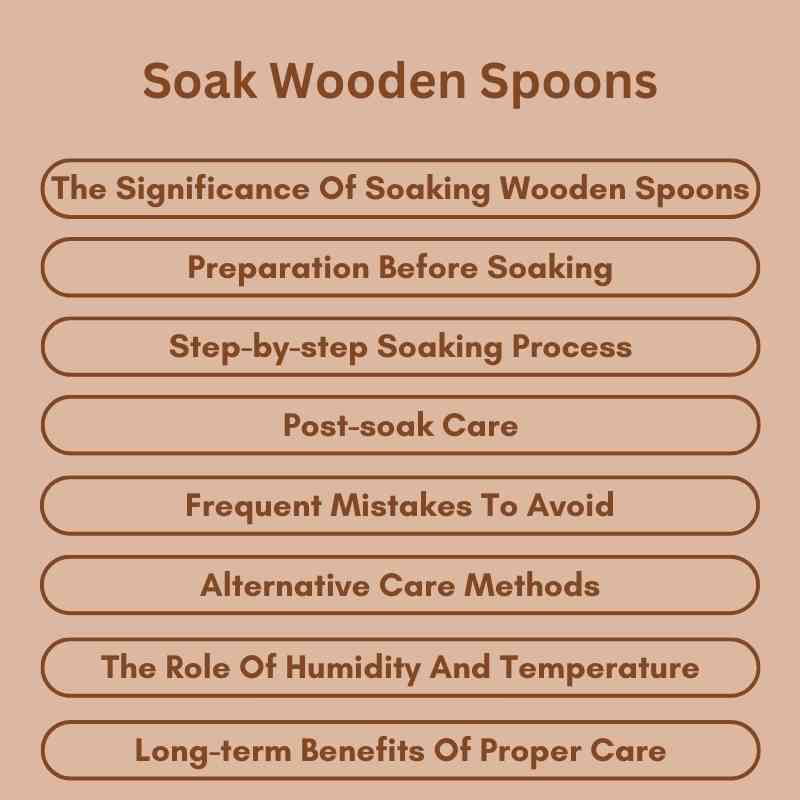
Preparation Before Soaking
Preparing your wooden spoons before soaking is essential. Proper preparation keeps them in good condition. Follow these steps to ensure effective soaking.
Selecting The Right Oil
Choosing the right oil is crucial for maintaining your wooden spoons. Here are some recommended oils:
| Oil Type | Benefits |
|---|---|
| Mineral Oil | Non-toxic and food-safe. |
| Coconut Oil | Antimicrobial properties. |
| Walnut Oil | Rich in nutrients, provides a nice finish. |
Choose mineral oil for everyday use. Coconut oil offers natural protection. Walnut oil adds a beautiful shine.
Cleaning Techniques
Proper cleaning is vital before soaking. Here are some effective techniques:
- Rinse: Quickly rinse the spoon under warm water.
- Scrub: Use a soft sponge to remove food particles.
- Soap: Use mild soap if needed, but rinse well.
- Dry: Pat the spoon dry with a clean towel.
Ensure no soap residue remains. This keeps the oil from absorbing properly.
Follow these cleaning techniques for the best results. Clean spoons soak up oil more effectively.
Step-by-step Soaking Process
Soaking wooden spoons helps maintain their quality. This process prevents cracking and extends their lifespan. Follow these simple steps for the best results.
Timing Matters
Timing is crucial in the soaking process. Too long or too short can cause issues.
- Short Soak: 15-30 minutes for light cleaning.
- Medium Soak: 1-2 hours for regular maintenance.
- Long Soak: Up to 24 hours for deep conditioning.
Choose the right soak time based on your spoon’s condition.
Ideal Conditions For Soaking
Set the perfect environment for soaking. This ensures better results.
| Condition | Recommended Level |
|---|---|
| Water Temperature | Warm (not boiling) |
| Water Type | Filtered or Distilled |
| Additives | Olive oil or mineral oil |
Ensure the water is warm but not too hot. Use filtered water for the best results. Consider adding oil for extra conditioning.
Post-soak Care
After soaking your wooden spoons, proper care is essential. This ensures they stay durable and beautiful. Follow the tips below for the best results.
Drying Methods
Drying wooden spoons correctly helps prevent cracking and warping. Here are some effective methods:
- Air Drying: Place spoons on a clean, dry towel. Let them dry naturally.
- Dish Rack: Lay spoons on a dish rack. Ensure they have good airflow.
- Sunlight: Avoid direct sunlight. It can cause fading and drying out.
Always ensure spoons are completely dry before storing. Moisture can lead to mold.
Storage Solutions
Storing wooden spoons properly extends their life. Consider these options:
| Storage Method | Description |
|---|---|
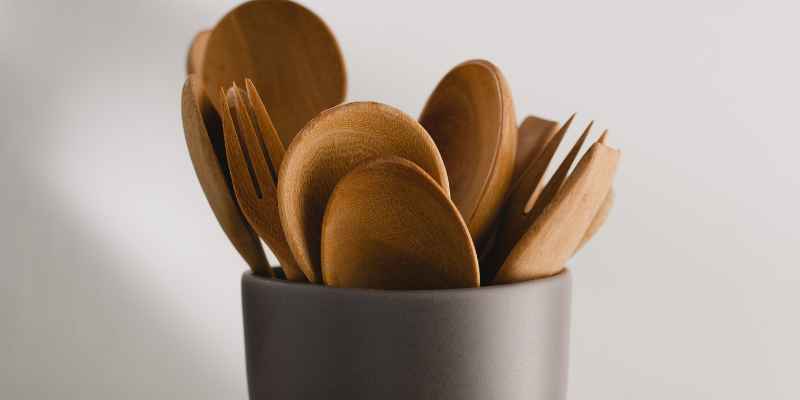
| Utensil Holder: | Use a ceramic or wooden holder for easy access. |
| Drawer Organizer: | Store spoons in a drawer with dividers. |
| Magnetic Strip: | Attach spoons to a magnetic strip for display. |
Keep wooden spoons away from heat and moisture. This helps maintain their quality.
Frequent Mistakes To Avoid
Soaking wooden spoons can help maintain their quality. Avoiding common mistakes is crucial. Here are key points to remember for proper care.
Over-soaking Risks
Over-soaking wooden spoons can damage them. Here are the main risks:
- Cracking: Excessive moisture can lead to cracks.
- Warping: Prolonged soaking can change their shape.
- Bacterial Growth: Wet wood can harbor bacteria.
Limit soaking to 15-30 minutes. Always dry your spoons immediately after soaking.
Common Misconceptions
Many people hold misconceptions about soaking wooden spoons. Here are some truths:
| Misconception | Truth |
|---|---|
| Wooden spoons need soaking for hours. | Soak for 15-30 minutes only. |
| Dishwasher soaking is safe. | Dishwashers can damage wooden spoons. |
| Any liquid can be used for soaking. | Use warm water, not harsh chemicals. |
Understanding these misconceptions helps in better care.
Alternative Care Methods
Wooden spoons need special care. Using the right methods keeps them strong and beautiful. Explore natural cleaning agents and periodic maintenance tips.
Natural Cleaning Agents
Using natural cleaning agents helps maintain your wooden spoons. Here are some effective options:
- Baking Soda: Great for scrubbing. Mix with water for a paste.
- Vinegar: Disinfects and removes odors. Rinse well after use.
- Lemon Juice: Brightens wood and leaves a fresh scent.
- Olive Oil: Conditions wood. Use sparingly to avoid greasiness.
These agents are safe and non-toxic. They protect your wooden spoons while keeping them clean.
Periodic Maintenance Tips
Regular maintenance extends the life of wooden spoons. Follow these simple tips:
- Wash spoons by hand, using warm soapy water.
- Dry them immediately with a towel.
- Apply olive oil once a month for conditioning.
- Avoid soaking spoons in water for long periods.
- Store spoons in a dry place, away from direct sunlight.
These practices keep your wooden spoons in top shape. Enjoy cooking with well-maintained utensils.
The Role Of Humidity And Temperature
Humidity and temperature affect the longevity of wooden spoons. Understanding these factors helps maintain their quality. Proper care ensures they last longer in your kitchen.
Impact On Wooden Spoons
Wooden spoons absorb moisture from the air. High humidity can cause them to swell. This leads to cracks and splits over time.
Low humidity can also harm wooden spoons. The wood dries out and becomes brittle. This makes them prone to breaking during use.
| Humidity Level | Effect on Wooden Spoons |
|---|---|
| High Humidity | Swelling and potential cracking |
| Low Humidity | Dryness and brittleness |
Adjusting Care Techniques
Adjust care based on humidity and temperature levels. Here are some tips:
- Store wooden spoons in a cool, dry place.
- Avoid leaving them in water for long periods.
- Apply mineral oil regularly to keep them moisturized.
Monitor the environment where you keep your wooden spoons. Use a hygrometer to measure humidity levels.
- Check humidity regularly.
- Adjust storage conditions as needed.
- Follow care techniques to prolong their life.
These steps help maintain the integrity of your wooden spoons. Enjoy cooking with them for years to come!
Long-term Benefits Of Proper Care
Taking care of wooden spoons offers many long-term benefits. Proper soaking and maintenance keep them functional and beautiful. Let’s explore the key advantages.
Cost Savings
Wooden spoons are durable. Proper care extends their life significantly. Here are some ways you save money:
- Longer Lifespan: Well-maintained spoons can last for years.
- Less Replacement: Fewer purchases mean more savings.
- Reduced Damage: Proper soaking prevents cracks and warping.
Investing time in care reduces overall kitchen costs. You won’t need to replace spoons often.
Sustainable Kitchen Practices
Using wooden spoons is eco-friendly. Proper care supports sustainable practices. Here’s how:
- Renewable Resource: Wood is a natural, renewable material.
- Less Plastic: Reduces reliance on single-use plastics.
- Biodegradable: Wooden spoons break down naturally.
Taking care of your wooden spoons promotes a green kitchen. It’s a simple choice for a healthier planet.
Frequently Asked Questions
How Do I Soak Wooden Spoons Properly?
To soak wooden spoons, fill a bowl with warm water and add a few drops of mild dish soap. Let the spoons sit for about 10 to 15 minutes. After soaking, gently scrub with a soft sponge and rinse thoroughly.
This helps remove any food particles and odors.
Why Should I Soak Wooden Spoons?
Soaking wooden spoons helps to loosen stuck-on food and prevents bacteria growth. Wood is porous, so soaking can also rejuvenate the wood, keeping it from drying out. Regular soaking maintains the spoons’ integrity and extends their lifespan, ensuring they remain safe for food preparation.
Can I Soak Wooden Spoons Overnight?
Soaking wooden spoons overnight is not recommended. Extended exposure to water can cause the wood to swell and crack. Instead, soak for a shorter duration, about 10 to 15 minutes, for effective cleaning without damaging the spoons. Quick rinsing is usually sufficient for routine care.
What Is The Best Way To Dry Soaked Wooden Spoons?
After soaking, dry wooden spoons by towel-drying them immediately. Avoid air drying, as moisture can seep into the wood. Place them in a well-ventilated area to ensure they dry completely. Proper drying prevents warping and maintains the spoon’s durability for future use.
Conclusion
Soaking wooden spoons is essential for their longevity and performance. It helps prevent cracking and keeps them looking fresh. Regular care ensures your spoons remain a staple in your kitchen for years. Embrace this simple practice to maintain the beauty and functionality of your wooden utensils.
Happy cooking!