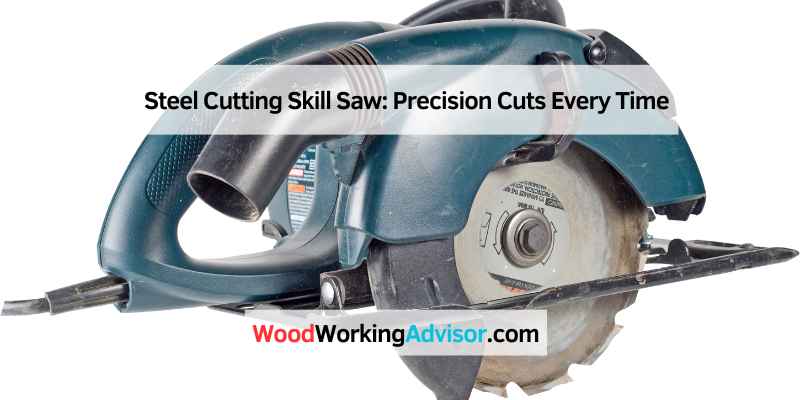
Steel Cutting Skill Saw: Precision Cuts Every Time
A steel cutting skill saw is a specialized power tool designed for cutting through metal. It typically features a carbide-tipped blade that ensures precision and durability.
Steel cutting skill saws are essential for both professionals and DIY enthusiasts tackling metalwork projects. These saws deliver powerful performance, making them ideal for cutting steel and other metals with ease. Equipped with high-quality blades, they provide clean and accurate cuts, minimizing the need for additional finishing work.
Whether you are fabricating metal structures or making repairs, having the right skill saw can enhance your efficiency. Understanding the features and capabilities of these tools helps users select the best option for their specific needs. Invest in a reliable steel cutting skill saw to streamline your metal cutting tasks effectively.
The Evolution Of Steel Cutting Tools
The journey of steel cutting tools is fascinating. It shows how technology has advanced over the years. From simple tools to powerful machines, each step has made steel cutting easier and faster.
From Manual To Power Saws
Early steel cutting tools were simple and manual. Craftsmen relied on their strength and skill. Here’s a quick look at this evolution:
| Era | Tool Type | Key Features |
|---|---|---|
| Ancient Times | Hand Saws | Basic design, manual labor |
| 19th Century | Band Saws | Introduced powered cutting |
| 20th Century | Skill Saws | Increased efficiency and speed |
Manual tools required hard work. They took time to cut through steel. With the invention of power saws, cutting became quicker. Users could cut steel with less effort.
Innovations In Steel Cutting Technology
Innovation has played a vital role in steel cutting tools. Here are some major advancements:
- Circular Saws: These saws use a rotating blade for smooth cuts.
- Laser Cutting: This technology uses lasers for precise cuts.
- Plasma Cutters: They cut steel with high-temperature plasma.
- Water Jet Cutting: This method uses high-pressure water for cutting.
Each innovation has led to better performance. Modern tools allow for precision and speed. Steel cutting has become accessible to many industries. With these advancements, anyone can achieve professional results.
Essential Features Of A Steel Cutting Skill Saw
A steel cutting skill saw is a powerful tool. It makes cutting steel easy and efficient. Understanding its essential features can enhance your experience. Here are the vital aspects to consider.
Blade Characteristics
The blade is the heart of a skill saw. Choosing the right blade ensures clean cuts. Important blade characteristics include:
- Material: Blades are usually made of high-speed steel or carbide.
- Diameter: Common sizes range from 7.25 to 10 inches.
- Tooth Count: More teeth give smoother cuts; fewer teeth cut faster.
- Tooth Design: Ripping and crosscutting designs affect performance.
Using the correct blade type is crucial for optimal results. You can customize your saw for different steel types.
Motor Power And Performance
The motor power influences a skill saw’s cutting ability. A strong motor performs better under heavy loads. Key aspects of motor power include:
| Motor Power (Amps) | Performance |
|---|---|
| 10 Amps | Good for light to medium tasks |
| 15 Amps | Ideal for heavy-duty cutting |
| 20 Amps | Best for industrial applications |
A higher amp rating offers better torque and speed. This ensures smooth operation while cutting through steel. Look for features like variable speed settings for added control.
Types Of Steel Cutting Skill Saws
Choosing the right steel cutting skill saw is essential for precise cuts. Each type offers unique advantages. Here, we explore three main types: Circular Saws, Band Saws, and Chop Saws.
Circular Saws
Circular saws are versatile tools for cutting steel. They use a toothed blade that rotates around an arbor. This design allows for quick and accurate cuts.
- Advantages:
- Portable and lightweight
- Fast cutting speed
- Easy to use for various thicknesses
- Common Uses:
- Sheet metal cutting
- Angle iron cutting
- Pipe and tube cutting
Band Saws
Band saws feature a long, continuous blade. This design allows for intricate cuts and curves. Band saws are great for thicker steel.
- Advantages:
- Can cut complex shapes
- Minimizes material waste
- Ideal for heavy-duty tasks
- Common Uses:
- Custom metal fabrication
- Pipe cutting
- Large sheet metal sections
Chop Saws
Chop saws are designed for straight cuts. They use a circular blade that moves downwards. This design ensures precise cuts in thick materials.
- Advantages:
- High cutting accuracy
- Suitable for repetitive cuts
- Heavy-duty performance
- Common Uses:
- Metal framing
- Structural steel cutting
- Rebar and conduit cutting
Safety First: Operating A Skill Saw
Using a skill saw can be dangerous without proper safety measures. Understanding safety protocols protects you and others around you. Follow these guidelines to ensure safe operation.
Personal Protective Equipment
Wearing the right personal protective equipment (PPE) is crucial. Here’s a list of essential gear:
- Safety glasses: Protect your eyes from flying debris.
- Hearing protection: Prevent hearing loss from loud noise.
- Dust mask: Avoid inhaling sawdust and particles.
- Work gloves: Protect your hands while handling materials.
- Steel-toed boots: Protect your feet from heavy objects.
Safe Handling Techniques
Follow these safe handling techniques to operate a skill saw safely:
- Always check the blade before use. Ensure it is sharp and properly installed.
- Keep your hands clear of the cutting line.
- Use both hands to grip the saw firmly. Maintain control.
- Ensure the work area is clean and free of obstacles.
- Always cut on a stable surface. Avoid using the saw on uneven ground.
- Never bypass safety features. They are there for your protection.
By following these safety tips, you minimize risks while using a skill saw. Stay aware and focused at all times.
Preparing For The Cut
Before using a steel cutting skill saw, proper preparation is essential. This ensures safety and accuracy. Follow these steps to set up your workstation and measure the steel correctly.
Setting Up Your Workstation
Creating an efficient workstation is crucial. A well-organized area helps with focus and safety. Follow these steps:
- Choose a flat, stable surface.
- Ensure good lighting in the area.
- Keep all tools within reach.
- Wear appropriate safety gear:
- Safety glasses
- Ear protection
- Gloves
Check your steel cutting skill saw before starting:
- Inspect the blade for damage.
- Ensure the saw is plugged in securely.
- Verify all safety features are functional.
Marking And Measuring Steel
Accurate measurements prevent mistakes. Take your time with this step. Use the following tools:
- Measuring tape
- Marker or chalk
- Square or straight edge
Follow these steps for marking:
- Measure the length of the cut.
- Mark the starting point clearly.
- Use the square to ensure straight lines.
- Double-check all measurements.
Remember these tips:
| Tip | Description |
|---|---|
| Mark Clearly | Use bold lines for easy visibility. |
| Secure the Steel | Clamp the steel to prevent movement. |
| Measure Twice | Always double-check your measurements. |
With a proper setup, you are ready to cut steel safely and effectively.
The Art Of Making Precision Cuts
Precision cutting with a steel cutting skill saw is essential for any project. Achieving clean and accurate cuts ensures a professional finish. This skill enhances safety and efficiency. Understanding the tools and techniques is vital.
Guides And Fences
Using guides and fences improves accuracy in your cuts. These tools provide a straight edge to follow. Here are some common types:
- Table Saw Fences: Ideal for large sheets of material.
- Clamp-on Guides: Portable and easy to set up.
- Laser Guides: Offers visual alignment for precision.
Position the guide firmly before cutting. This prevents any movement during the process. Always double-check measurements before starting.
Controlling Speed And Pressure
Speed and pressure significantly affect the quality of your cut. Adjusting these settings can make a big difference.
| Material Type | Recommended Speed | Pressure Level |
|---|---|---|
| Steel | Medium | Moderate |
| Aluminum | High | Light |
| Wood | High | Moderate |
Too much pressure can damage the material. Too little pressure may cause rough edges. Find the right balance for the best results.
Maintenance Tips For Your Skill Saw
Proper maintenance keeps your steel cutting skill saw in top shape. Regular care ensures safety and efficiency. Follow these essential tips for optimal performance.
Regular Cleaning
Cleaning your skill saw is crucial. Dust and debris can affect performance. Here’s how to clean it effectively:
- Unplug the saw before cleaning.
- Use a soft brush to remove sawdust.
- Wipe the exterior with a damp cloth.
- Check the air vents for blockages.
Regular cleaning extends the lifespan of your tool. Aim for cleaning after each use.
Blade Sharpening And Replacement
A sharp blade enhances cutting efficiency. Dull blades can strain the motor. Follow these steps for blade care:
- Inspect the blade for wear.
- Sharpen the blade regularly.
- Replace the blade when it shows significant wear.
Here’s a quick guide for blade types:
| Blade Type | Use Case | Replacement Frequency |
|---|---|---|
| Carbide-tipped | General cutting | Every 50 cuts |
| High-speed steel | Fine cuts | Every 30 cuts |
| Diamond blade | Tile and masonry | As needed |
Stay vigilant about blade condition. This ensures safe and precise cuts.
Creative Uses For A Steel Cutting Skill Saw
A steel cutting skill saw is a versatile tool. It serves many purposes beyond simple cutting. Homeowners and professionals alike can benefit from its capabilities. Here are some creative uses for a steel cutting skill saw.
DIY Home Projects
DIY enthusiasts can transform their homes easily with a skill saw. Here are some fantastic projects to consider:
- Metal Shelving Units: Cut steel sheets for custom shelves.
- Garden Fencing: Create unique fence designs using metal.
- Art Installations: Craft sculptures or wall art from steel.
- Furniture Frames: Build sturdy bases for tables and chairs.
Each project adds a personal touch to your space. Safety gear is essential for these tasks. Always wear goggles and gloves while working.
Professional Construction Tasks
In professional settings, a steel cutting skill saw excels in various applications. Here are key tasks:
| Task | Description |
|---|---|
| Structural Framing | Cut steel beams and columns for building frameworks. |
| Pipe Cutting | Efficiently cut pipes for plumbing and HVAC systems. |
| Metal Roofing | Trim sheets to fit roofs and ensure proper installation. |
| Signage | Craft custom metal signs for businesses or events. |
Using a skill saw enhances productivity on job sites. It saves time and ensures precision. Proper training and safety practices are crucial in professional settings.
Choosing The Right Saw For Your Project
Finding the perfect steel cutting skill saw is crucial for your project. The right saw enhances efficiency and safety. Consider your specific needs and budget before making a choice.
Comparing Brands And Models
Many brands offer steel cutting skill saws. Each brand has its unique features. Here’s a quick comparison:
| Brand | Model | Power (Amps) | Weight (lbs) | Price ($) |
|---|---|---|---|---|
| Brand A | Model X | 15 | 10 | 150 |
| Brand B | Model Y | 13 | 8 | 120 |
| Brand C | Model Z | 14 | 12 | 130 |
Evaluate specifications and customer reviews. Popular brands often have better support. Choose a model that fits your style and comfort.
Assessing Your Needs And Budget
Assess your project requirements carefully. Ask yourself these questions:
- What type of steel will you cut?
- How thick is the material?
- Will you use the saw frequently?
Next, set a budget. High-quality saws may cost more but last longer. Here are tips to manage your budget:
- Research prices online.
- Look for discounts and sales.
- Consider renting for one-time projects.
Balancing needs with budget helps you find the best option. Choose wisely to ensure your project’s success.
The Future Of Steel Cutting Technology
The future of steel cutting technology promises exciting innovations. As industries evolve, so do the tools used for cutting steel. The next generation of steel cutting skill saws is on the way. These advancements will enhance efficiency and precision, shaping a new era in metalworking.
Advancements On The Horizon
New technologies are redefining steel cutting. Here are some key advancements:
- Laser Cutting: Provides high precision and reduces waste.
- Plasma Cutting: Faster than traditional methods and versatile.
- CNC Technology: Automates cuts for consistent results.
- Improved Blade Materials: Enhances durability and cutting speed.
These advancements aim to simplify processes. They will save time and reduce costs for businesses.
The Role Of Automation In Steel Cutting
Automation plays a crucial role in modern steel cutting. It enhances productivity and accuracy.
| Automation Type | Benefits |
|---|---|
| Robotic Arms | Streamlines tasks and reduces human error. |
| Smart Software | Optimizes cutting paths for efficiency. |
| Remote Monitoring | Tracks performance and predicts maintenance needs. |
Automation leads to faster production times. It allows workers to focus on complex tasks. Businesses can achieve higher output with fewer resources.
Investing in advanced steel cutting technology is essential. Companies must stay competitive in the market.
Frequently Asked Questions
What Is A Steel Cutting Skill Saw?
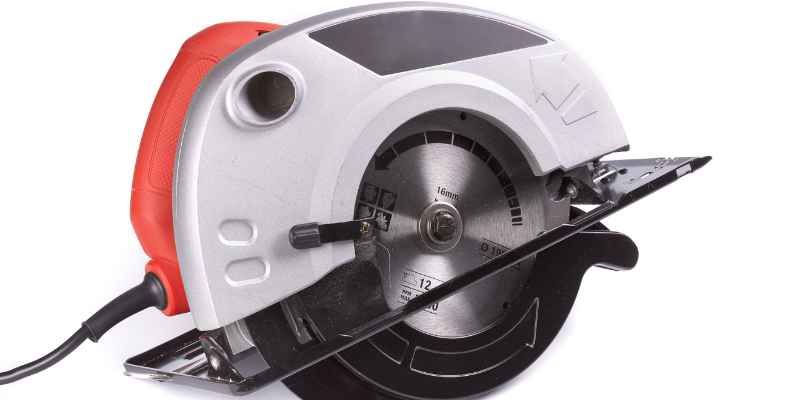
A steel cutting skill saw is a power tool designed specifically for cutting metal. It typically features a specialized blade that can efficiently slice through various types of steel. This tool is essential for construction, metalworking, and DIY projects requiring precision metal cuts.
How Does A Skill Saw Cut Steel?
A skill saw cuts steel using a high-speed rotating blade. The blade’s teeth are designed for cutting through metal, providing clean and precise cuts. Proper technique and the right blade type enhance the cutting performance, ensuring safety and efficiency during use.
What Blade Is Best For Steel Cutting?
The best blade for cutting steel is typically a carbide-tipped or bi-metal blade. These blades are designed to withstand high temperatures and provide durability. Selecting the right tooth count based on the thickness of the steel is crucial for optimal cutting performance.
Can A Skill Saw Cut Stainless Steel?
Yes, a skill saw can cut stainless steel, but it requires the right blade. A specialized stainless steel cutting blade is essential for this task. This ensures clean cuts and minimizes the risk of damaging the material or the tool.
Conclusion
Choosing the right steel cutting skill saw can greatly enhance your projects. It’s essential to consider factors like power, blade type, and safety features. Investing in a quality saw will ensure precision and efficiency. With the right tool, you can tackle any cutting task with confidence and ease.
Upgrade your toolkit today!