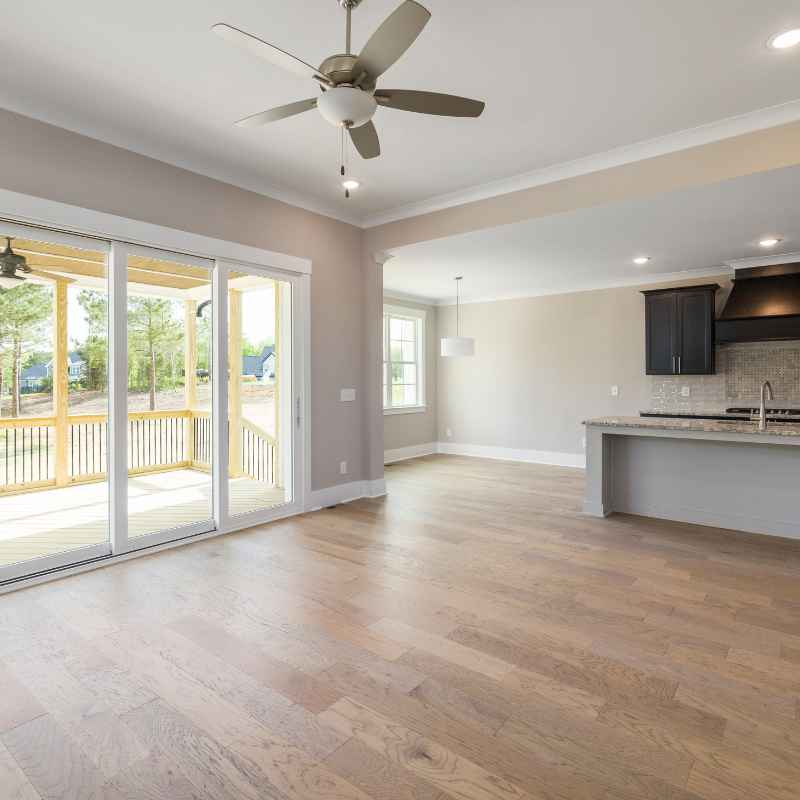
Sustainable Vinyl Flooring Options Worth Buying This Year
Vinyl flooring can be a great choice for homes. Many new options focus on being sustainable. These choices use recycled materials and eco-friendly processes. They offer durability and style without harming the environment as much. This guide helps you pick the best sustainable vinyl flooring for your needs.
What is Sustainable Vinyl Flooring?
Sustainable vinyl flooring means it’s made with less harm to nature. It often uses recycled stuff. This could be old vinyl or plastic.
It also uses fewer bad chemicals when made. The goal is to use less energy. It also means it lasts a long time.
A floor that lasts is good for the planet. It means you don’t need a new one as fast.
Many people think vinyl is all bad for the environment. Some older vinyl was. But today’s makers are changing that.
They want to make better choices. They look at where materials come from. They check how things are made.
They also think about what happens when the floor is old.
This kind of flooring tries to be kinder. It cares about air quality in your home. It cares about water used in making it.
It cares about waste left behind. It’s a big change from how things used to be done.
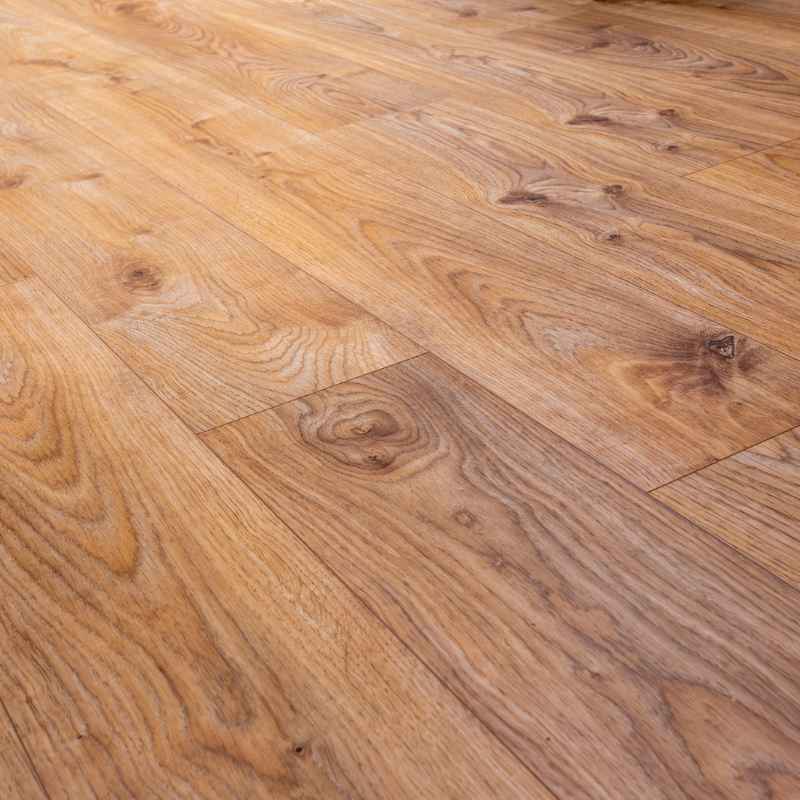
Why Choose Sustainable Vinyl Flooring?
Picking sustainable options is smart for many reasons. It helps our planet. Less waste goes into landfills.
It uses fewer new resources. This means less mining and drilling. It also often means better air quality in your home.
Fewer harsh chemicals are used. This is good for your family’s health. Plus, these floors are built to last.
A durable floor saves you money. It also means fewer replacements over time. This all adds up to a win-win.
Think about it like this. When you buy food, you might pick organic. You do this because it’s grown with fewer pesticides.
It’s better for you and the soil. Sustainable flooring is like that for your house. It’s a healthier choice for your living space and the world outside.
Many people are now looking for these types of products. They want to feel good about their purchases. They want their homes to reflect their values.
Sustainable vinyl flooring lets them do that. It offers peace of mind.
Types of Sustainable Vinyl Flooring
There are a few main types of sustainable vinyl flooring. They all aim to be better for the earth. Let’s break them down.
Each has its own way of being green.
Recycled Content Vinyl
This is one of the most common ways flooring is made sustainable. Makers use old vinyl. This could be from old flooring or other plastic items.
They clean it up and use it again. This stops it from going to the trash. It also means they don’t need to make as much new plastic.
That uses less oil and energy.
Some floors are made with a lot of recycled stuff. Others have a little. The amount is often listed.
Look for floors that use a high percentage. This shows a bigger commitment to recycling. It’s a simple way to make a good choice.
Low-VOC Vinyl
VOC stands for Volatile Organic Compounds. These are chemicals. They can be released into the air.
They come from many building materials. Some can be bad for your health. They can cause headaches or breathing problems.
Low-VOC vinyl means it has very few of these bad chemicals. This makes your home’s air cleaner. It’s safer for everyone, especially kids and pets.
Even if it doesn’t have recycled content, being low-VOC is a big plus for sustainability.
Manufacturers are working hard to make their products safer. They test them. They get them certified.
These certifications show that the product meets strict standards. This gives you confidence. You know you are picking something healthier.
Bio-Based Vinyl Alternatives
This is a newer area. Some makers are exploring ways to use plants. They might use plant oils or other natural stuff.
They mix these with vinyl. This can reduce the amount of oil-based plastic needed. It’s a way to make vinyl more natural.
It’s not always 100% natural. But it’s a step in the right direction. It uses renewable resources instead of just fossil fuels.
These options are still growing. They might be harder to find. But they are a sign of where the industry is heading.
More innovation means more green choices for you.
Understanding Certifications
What to Look For:
- GreenGuard: Checks for low chemical emissions.
- Cradle to Cradle: Evaluates products for material health, recyclability, and manufacturing.
- FloorScore: Specifically for flooring, ensuring low VOCs.
These labels help you trust the claims.
Real-World Experience with Sustainable Vinyl
I remember helping a friend, Sarah, pick out flooring for her new home. She was really set on making eco-friendly choices. She loved the look of luxury vinyl plank (LVP).
But she was worried about the environmental impact. Many stores just showed her standard options. She felt a bit lost.
Then, we found a showroom that specialized in greener options. The salesperson showed us a vinyl plank made with 80% recycled content. It also had a FloorScore certification.
Sarah was so relieved. She loved the wood-look texture. It felt sturdy and well-made.
We laid it in her kitchen. It looked amazing. It felt good knowing it wasn’t adding a lot of new waste to the planet.
She also noticed the air in her home felt fresher. She said she didn’t get that “new house smell” that sometimes made her nose tickle. It was a small change for her home, but a big step for her peace of mind.
How is Vinyl Flooring Made Sustainable?
Making anything sustainable takes thought at every step. For vinyl flooring, it starts with the materials. Then it moves to how it’s produced.
Finally, it looks at its life after it’s installed.
Material Sourcing
The main vinyl in flooring is PVC. It comes from salt and oil. To make it sustainable, companies first try to use less new PVC.
They achieve this by using recycled PVC. This is often post-industrial waste. That means scraps from making other vinyl things.
Or it can be post-consumer waste. That’s old vinyl products that people are done with.
Other materials are used too. Fillers might be added. Some companies use natural minerals.
Others use recycled paper. The goal is to use less virgin material. They also look for materials that are safer.
They avoid things like heavy metals or harmful phthalates.
Manufacturing Processes
Making vinyl can use energy and water. Sustainable makers try to reduce this. They use more efficient machines.
They might use renewable energy sources like solar or wind. Some factories recycle their own water. They also try to reduce waste during production.
Any scraps are often recycled back into new batches.
The chemicals used are also important. Some older methods used harsh solvents. Modern sustainable methods aim for water-based adhesives.
They also reduce the number of harmful chemicals in the final product. This affects indoor air quality greatly. It’s a big focus for certifications.
End-of-Life Considerations
What happens when the floor is old? This is a key part of sustainability. Some vinyl can be recycled.
Companies are setting up take-back programs. This means you can return old vinyl flooring. It gets recycled into new products.
This closes the loop. It prevents waste from ending up in landfills.
Durability also plays a role. A floor that lasts 20 years is more sustainable than one that only lasts 5. It doesn’t need to be replaced as often.
This saves resources and money. Sustainable vinyl is often made to be tough. It resists scratches and wear well.
Quick Scan: Sustainable Vinyl Benefits
| Benefit | Description |
| Reduced Waste | Uses recycled materials, less landfill impact. |
| Lower Emissions | Low VOCs improve indoor air quality. |
| Resource Conservation | Uses less virgin oil and natural resources. |
| Healthier Homes | Fewer harmful chemicals mean safer living spaces. |
| Longevity | Durable floors last longer, reducing replacement needs. |
Where Does Sustainable Vinyl Flooring Work Best?
You can use sustainable vinyl flooring almost anywhere. Its toughness and water resistance make it ideal for many spots in the house. It’s a practical choice for busy families.
Kitchens and Bathrooms
These areas often have spills and moisture. Vinyl is naturally water-resistant. This makes it great for kitchens and bathrooms.
You don’t have to worry as much about water damage. A spill won’t ruin the floor. This means it can last longer in these high-traffic areas.
The ease of cleaning is also a big plus. A quick mop or wipe is usually all that’s needed. This saves time and water.
It fits well with a sustainable lifestyle. No harsh cleaning chemicals are usually required.
Living Rooms and Bedrooms
For living areas and bedrooms, you want comfort and style. Many sustainable vinyl options look just like real wood or stone. They can make a room feel warm and inviting.
They are softer underfoot than tile or stone. This adds comfort for relaxing or playing.
The low VOC aspect is especially important here. These are the rooms where you and your family spend a lot of time. Breathing clean air is vital.
Sustainable vinyl helps provide that.
High-Traffic Areas
Hallways, entryways, and playrooms get a lot of use. Kids run through them. Pets walk on them.
Shoes track dirt. Sustainable vinyl is known for its durability. It can handle this wear and tear well.
It won’t scratch or dent easily.
The resilience means it stays looking good for years. This means you won’t need to replace it soon. This saves resources and money.
It’s a smart long-term investment for your home.
Contrast: Normal vs. Concerning Vinyl
Normal Sustainable Vinyl:
- Made with recycled content (e.g., 50%+).
- Certified low-VOC (e.g., FloorScore, GreenGuard Gold).
- Durable and long-lasting.
- Easy to clean with mild soap and water.
- Manufactured with energy efficiency in mind.
Concerning Vinyl:
- Made with 100% virgin materials.
- High VOC content, strong chemical smell.
- Scratches and wears easily.
- Requires harsh chemicals for cleaning.
- Manufactured with older, less efficient processes.
What This Means for You
Choosing sustainable vinyl flooring means you can have a beautiful home without guilt. You can get the look you want. You can also feel good about your choices.
It means less impact on the planet. It means a healthier space for your family. You don’t have to pick between style and sustainability anymore.
The options available today make it possible to have both.
When you look for new flooring, ask questions. Ask about recycled content. Ask about VOCs.
Look for certifications. This shows you are a mindful buyer. It encourages companies to keep making better products.
Your choice matters. It helps drive the market toward greener options.
It might cost a little more upfront. But the benefits are worth it. Longer life means fewer replacements.
Better air quality means a healthier family. Less waste means a happier planet. These are all good things.
They add value to your home and your life.
Tips for Buying Sustainable Vinyl Flooring
Buying any flooring can be a big decision. When you aim for sustainability, there are a few extra things to keep in mind. These tips will help you make the best choice for your home and the environment.
Read the Labels Carefully
Don’t just take a product’s word for it. Look for specific claims. See if it mentions recycled content.
Check for certifications like GreenGuard, FloorScore, or Cradle to Cradle. These are third-party checks. They give you real proof.
They show the product has been tested. It meets certain standards for eco-friendliness and health.
Sometimes, a brand will say “eco-friendly.” This can be vague. Specific numbers and certifications are better. They tell a clearer story.
They help you compare options honestly.
Consider the Entire Lifecycle
Think about where the materials come from. How is it made? And what happens when it’s old?
Some companies offer take-back programs. This means they will recycle your old flooring. This is a great sign of a truly sustainable product.
It shows they care about the whole life of the floor.
Also, think about installation. Are the adhesives used low-VOC? Is the installation process itself creating a lot of waste?
Asking these questions can lead you to more responsible choices.
Look for Durability
A floor that lasts a long time is inherently more sustainable. It means you won’t need to buy and install new flooring as often. Less manufacturing means less resource use.
Less waste also goes to the landfill. Sustainable vinyl is often designed to be very tough.
Check wear layers. These are the top protective coatings. A thicker wear layer usually means more durability.
It can resist scratches and scuffs better. This means your floor will look good for many years.
Quick Fixes & Tips
What to do:
- Always ask about certifications. Look for GreenGuard, FloorScore.
- Check for recycled content percentage. The higher, the better.
- Read reviews from other buyers about durability.
- Consider installation needs. Ensure eco-friendly adhesives are used.
- Ask about end-of-life options. Can it be recycled?
Frequent Questions About Sustainable Vinyl Flooring
Is sustainable vinyl flooring truly eco-friendly?
Yes, sustainable vinyl flooring makes significant strides toward being eco-friendly. It uses recycled materials, reduces harmful chemicals, and is often designed for long-lasting durability. While vinyl production has environmental aspects, these options minimize negative impacts compared to traditional choices.
What is the difference between regular vinyl and sustainable vinyl?
Regular vinyl might use only virgin materials and could have higher VOCs. Sustainable vinyl prioritizes recycled content, low VOCs, and often has eco-friendly manufacturing and disposal plans. It’s about the entire lifecycle and impact on health and the planet.
How much does sustainable vinyl flooring cost?
Sustainable vinyl flooring can sometimes cost slightly more upfront. This is due to the processes and materials used. However, its durability means fewer replacements.
This can save you money over time. The health benefits also add value.
Are there any downsides to sustainable vinyl flooring?
Finding options with very high recycled content or specific bio-based materials can sometimes be challenging. Availability might vary. It’s important to research brands and look for trusted certifications to ensure you’re getting a genuinely sustainable product.
Can I install sustainable vinyl flooring myself?
Many types of sustainable vinyl, like click-lock planks, are designed for DIY installation. Always check the product’s specific instructions. Using low-VOC adhesives is recommended for glued-down installations to maintain the health benefits.
What are the best brands for sustainable vinyl flooring?
Several brands are known for their commitment to sustainability. Look for companies that openly share their material sourcing, manufacturing practices, and certifications. Researching specific product lines that carry certifications like GreenGuard or FloorScore is a good starting point.
Conclusion
Picking sustainable vinyl flooring is a smart move. It helps your home and our planet. You get beautiful, durable floors.
You also support greener practices. With so many options now, you can find what fits your style and your values. Make informed choices.
Look for certifications. Enjoy your new, eco-friendly space.