Thermoplastic Polyurethane (TPU) Price: What Drives the Cost
Thermoplastic polyurethane (TPU) typically runs $2 to $5 per pound as bulk industrial resin, but the same material in the small spooled filament sold for 3D printers usually works out to $9–$14 per pound once it’s been processed and packaged for retail. That gap catches a lot of people off guard. Here’s why the price swings so much, and a note on why a woodworking site is covering a plastic in the first place.
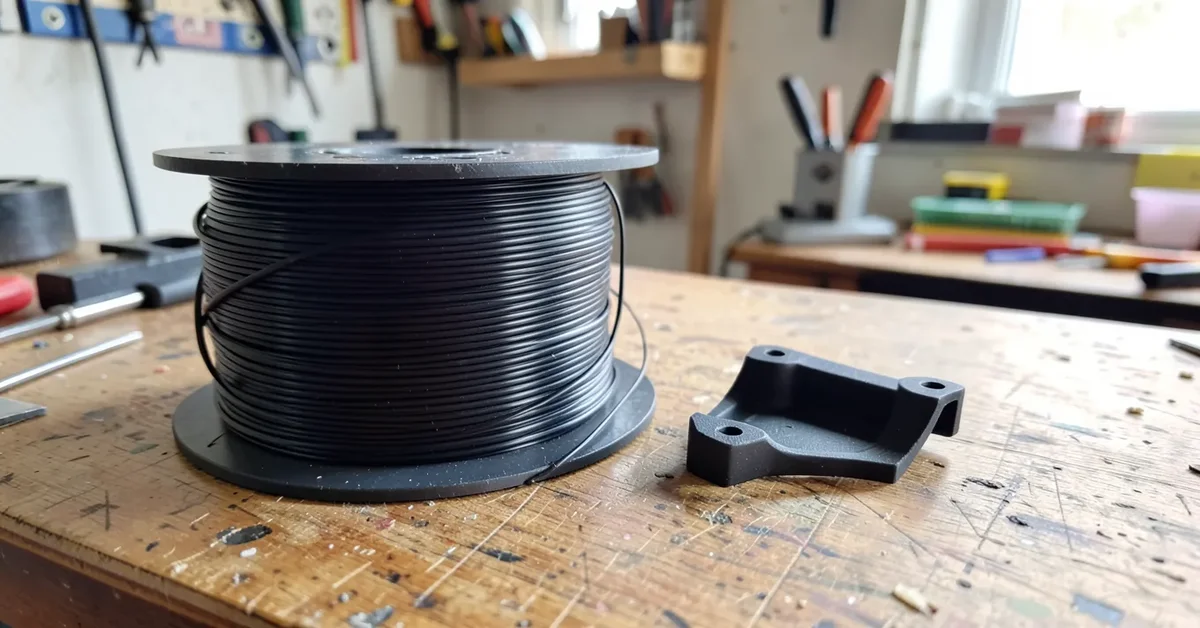
A quick heads-up on scope: TPU is a general-purpose engineering plastic, not a wood product. It shows up on this site because a growing number of woodworkers also own a 3D printer and use TPU filament to print flexible shop accessories, like non-slip feet, sanding-block grips, and drawer-liner bumpers, alongside common consumer uses like the TPU shoe soles covered elsewhere on this site. If you’re here for that shop-use angle, skip to the pricing-for-filament section below.
What TPU Actually Is
Best TPU Filament For Shop Accessories
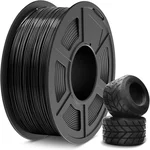 |
SUNLU TPU 3D Printer Filament, 1.75mm, 1kg, 95A – $21.99 A firmer 95A hardness that prints reliably on standard (non-direct-drive) extruders, good for shop jig feet, bumpers, and grips.
|
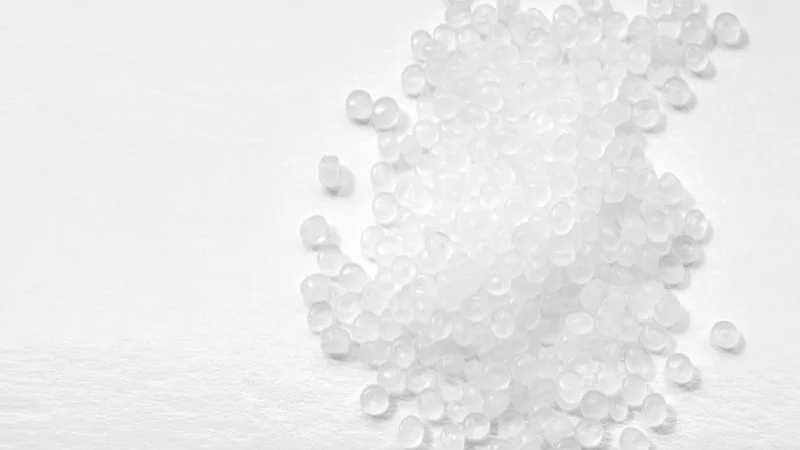
TPU is a block copolymer, meaning it’s built from alternating soft and hard chemical segments in the same polymer chain: the hard segments (typically formed from a diisocyanate reacting with a short-chain diol) give it strength and heat resistance, while the soft segments (a longer-chain polyol, either polyester- or polyether-based) give it flexibility and rubber-like stretch. That combination is why TPU behaves like a rubber but holds up to abrasion and oils far better than most actual rubber compounds. Common uses include phone cases, shoe midsoles and outsoles, cable jacketing, and increasingly, 3D-printer filament for flexible printed parts.
Why the Price Varies So Much
Four factors drive most of the swing in TPU pricing:
- Form and processing. Raw bulk pellets sold by the pound to manufacturers are the cheapest form. Film, sheet stock, and consumer-packaged 3D-printer filament all cost more per pound because of the extra processing, quality control, and packaging involved, and because they’re sold in much smaller quantities than industrial bulk orders.
- Hardness grade (durometer). TPU hardness is measured on the Shore A scale, roughly 60A (soft, rubbery) to 95A (firmer, more rigid) for common grades. Softer, lower-durometer TPU is generally harder to process consistently, which can push its price up relative to firmer grades, even though it feels “less premium” to the touch.
- Chemistry type. Polyether-based TPU is typically cheaper and holds up better to moisture and hydrolysis, making it common in footwear. Polyester-based TPU costs more but offers better abrasion and oil resistance, which is why it shows up in industrial and automotive parts.
- Raw material and oil prices. The diisocyanates and polyols used to make TPU are petrochemical derivatives, so feedstock costs track oil and gas markets to some degree, though supply contracts and specialty-grade demand usually matter more than day-to-day oil price swings for the finished material you’d actually buy.
Typical Price Ranges by Form
| Form | Typical Price Range | Common Use |
|---|---|---|
| Bulk pellets (industrial) | $2–$5 per lb | Injection molding, extrusion |
| Sheet or film stock | $5–$10 per lb | Cases, bags, gaskets |
| 3D-printer filament | $9–$14 per lb (roughly $20–$30 per kg spool) | Flexible printed parts, prototypes |
These are typical retail ranges, not fixed prices; check current listings from suppliers like SUNLU, Covestro, BASF, or Lubrizol before budgeting a project, since resin markets shift and filament pricing especially varies by brand and hardness grade.
Why a Woodworker Might Actually Buy TPU
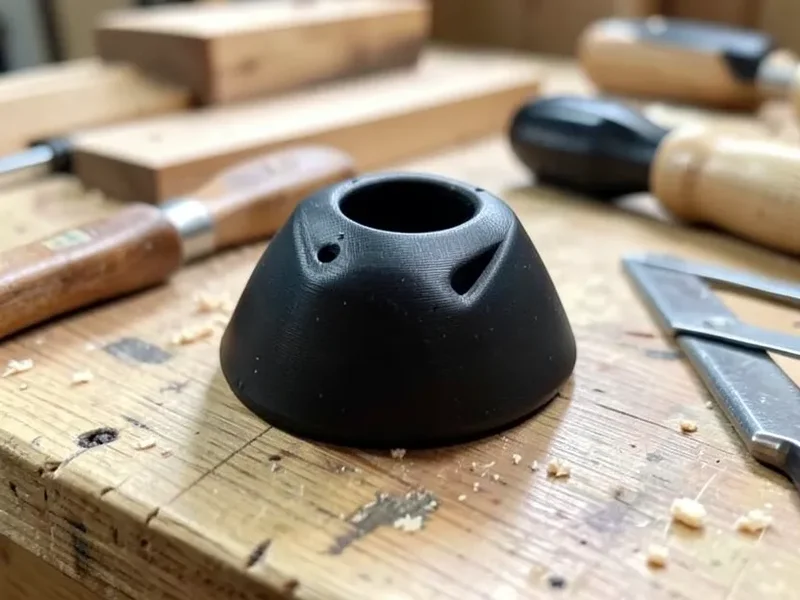
If you own an FDM 3D printer alongside your woodworking tools, TPU filament is worth keeping on hand for parts that need to flex or grip rather than stay rigid: non-slip feet for a shop-made jig, a soft bumper to protect a drawer runner, a printed handle grip, or a gasket for a dust-collection fitting. Most consumer 3D-printer TPU is sold at 95A hardness because it’s stiff enough to print reliably on a standard extruder without jamming, while softer 85A-90A grades feel more rubbery but need a direct-drive printer to feed well.
Benefits and Drawbacks
TPU’s real strengths are flexibility without brittleness, good abrasion and oil resistance compared to most rubbers, and the ability to be melt-processed and reprocessed, which makes mechanical recycling possible (though not always practical, since mixed-material products like a shoe sole bonded to other plastics are hard to separate for recycling in practice). The drawbacks are cost relative to plain commodity plastics like PVC, sensitivity to prolonged high heat (most grades soften well below typical injection-molding temperatures for rigid plastics), and inconsistent municipal recycling access, since TPU isn’t accepted in most curbside programs.
Cheaper Alternatives, and Their Trade-Offs
- PVC: roughly $1–$3 per lb, cheaper but stiffer and less resilient to repeated flexing.
- Silicone: roughly $3–$6 per lb, softer and more heat-tolerant, but generally weaker and harder to bond or print with standard FDM equipment.
- Rubber (natural or synthetic): roughly $2–$4 per lb, durable but harder to mold into precise shapes without industrial equipment.
Frequently Asked Questions
What is the price of thermoplastic polyurethane?
Bulk industrial TPU resin typically runs $2 to $5 per pound. Processed forms cost more: sheet and film run roughly $5 to $10 per pound, and consumer 3D-printer filament works out to about $9 to $14 per pound once packaged and spooled for retail.
Why is TPU more expensive than other plastics?
TPU costs more than commodity plastics like PVC because it’s a more complex copolymer to manufacture, uses pricier petrochemical feedstocks, and is processed and packaged in smaller batches for specialty uses like footwear, cases, and 3D-printer filament.
Where can I buy TPU?
Bulk resin is available from industrial suppliers like Covestro, BASF, and Lubrizol. For small-quantity use, 3D-printer TPU filament is sold by brands like SUNLU and OVERTURE through retailers such as Amazon.
Can TPU be recycled?
Yes, in principle, since it’s a thermoplastic that can be reground and reprocessed. In practice, recycling is limited because most municipal programs don’t accept it and many TPU products are bonded to other materials, making separation difficult.
Bottom Line
TPU pricing depends far more on form and processing than most explanations let on: the same base chemistry costs a few dollars a pound as bulk resin but two to three times that once it’s extruded and packaged as 3D-printer filament. If you’re picking TPU for a home shop project, decide whether you need bulk material for molding or just a spool for a printer, since that choice affects the price you should expect far more than shopping around between suppliers does.
Sponsored / affiliate links. As an Amazon Associate I earn from qualifying purchases. I may earn additional commission from eligible campaigns.