What Is Danish Oil? Composition, Uses & How to Apply It
Danish oil is a wipe-on penetrating wood finish, but the name does not describe one recipe. It is a marketing term, and the can you buy decides what is actually inside: an oil and varnish blend thinned with mineral spirits, or a solvent-free polymerized linseed oil. This guide compares what three makers publish for ingredients, soak times and dry times, then shows how to apply it and how to handle the oily rags that cause real fires.
Quick Answer
Danish oil is a penetrating oil finish that cures inside the wood instead of forming a thick film. Watco’s version is an oil and varnish blend in mineral spirits: soak 30 minutes, wipe, recoat once, ready for light use in 8-10 hours, and wait 72 hours before topcoating with polyurethane. Other brands differ, so follow the label on your can.
What Danish Oil Actually Is
Classic Danish Oil Pick
|
Watco Danish Oil, Natural (1 pint)
|
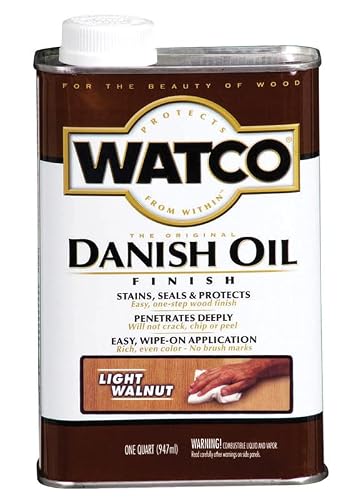
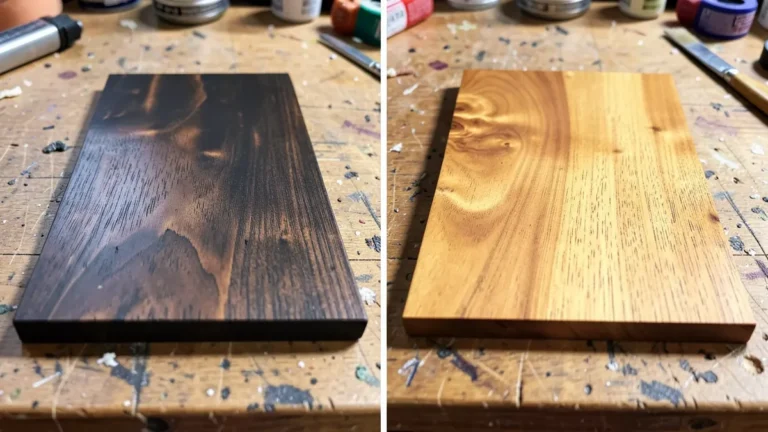
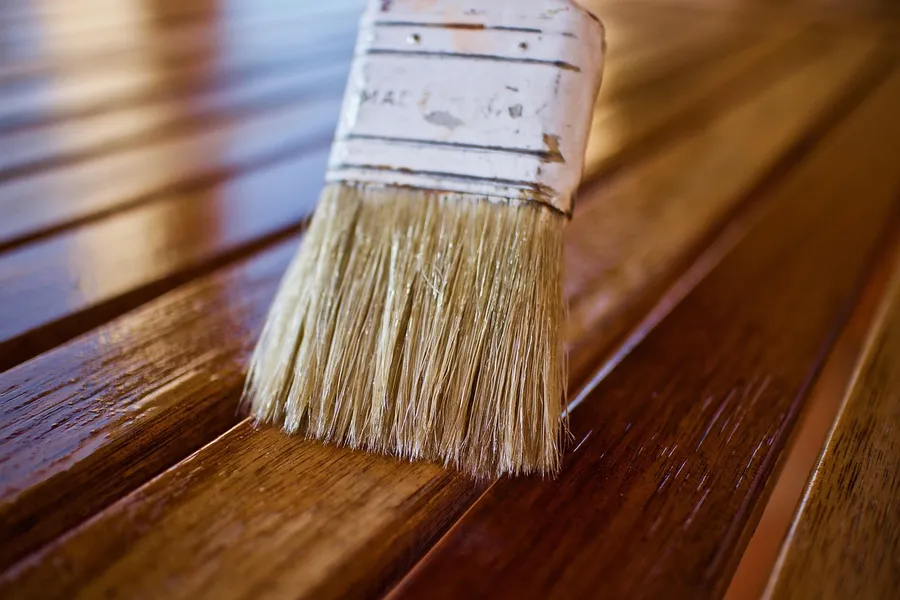
Watco describes its Danish Oil as a blend of penetrating oil and varnish that hardens in the wood, not on the wood surface. The oil soaks into the pores and cures there, which is why a scratch in an oiled tabletop can be sanded lightly and re-oiled instead of stripped. The name suggests a Scandinavian origin, but it is only a product label.
Because “Danish oil” is not a standard, two cans with the same name can behave differently. That is the main thing most guides skip, and it is why a single “3 coats, wait 24 hours” rule does not work for every product.
What Is in the Can: Three Makers, Three Recipes
The table below uses numbers from each maker’s own published data, not forum averages. Dry times are for roughly room temperature and normal humidity.
| Watco Danish Oil | Minwax Antique Oil Finish | Tried and True Danish Oil | |
|---|---|---|---|
| What it is | Raw linseed oil, soybean oil and hydrocarbon resin (450 VOC data sheet) | Wipe-on oil finish for interior wood | Polymerized linseed oil |
| Solvent | Low aromatic mineral spirits and light aromatic naphtha | Cleanup with mineral spirits | Maker states no solvents and no heavy metal driers |
| Soak time | 30 minutes, then wipe off; second coat soaks 15 minutes | 5-10 minutes, then buff off | At least 5 minutes, then rub until dry |
| Coats | Two coats in the same session | 2 recommended, 24 hours apart | Thin coats, burnish before every coat |
| Ready for use | 8-10 hours (light use) | Recoat time 24 hours | Cure at least 8 hours |
| Topcoat | Wait 72 hours before polyurethane | Not stated on product page | Not stated on product page |
| Where the maker says to use it | Interior bare wood; not recommended for floors or exterior surfaces | Interior | Interior woodwork; maker lists salad bowls, utensils and butcher blocks |
Sources: Watco technical data sheet WAT-16 (Rust-Oleum), the Minwax Antique Oil Finish product page, and the Tried and True Danish Oil product page. Check the label on your own can, because makers reformulate (Watco also sells a 350 VOC version whose sheet lists drying and semi-drying oils with a rosin ester).
The practical takeaway: there is no universal coat count or wait time. Watco has you finish two coats back to back in one sitting, Minwax has you wait a full day between coats, and Tried and True wants very thin coats burnished before each one. If you apply one brand using another brand’s schedule, you are the one most likely to end up with a sticky surface.
What Danish Oil Is Used For
Watco recommends its Danish oil for furniture, trim, molding or any bare interior wood surface, and says it will not chip, peel or wear away. In practice that makes it a good fit for:
- Indoor furniture: chairs, cabinets, shelving and tables that see normal household use.
- Tool handles: the oil conditions the fibers and leaves a grippy, non-glossy surface.
- Turned and carved pieces: where hand feel matters more than maximum protection.
- Softwoods like pine: Watco suggests wiping a coat of Natural on first and wiping it completely dry to help even out absorption.
It is the wrong choice for floors, exterior surfaces and high-wear work surfaces. If a food-contact piece is the goal, pick a finish whose maker states it is food safe and follow that product’s own cure instructions; Tried and True lists salad bowls and butcher blocks, while Watco’s data sheet makes no food-contact claim. For a head-to-head on durability, see Danish oil vs polyurethane, and for the teak oil question see teak oil vs Danish oil.
How to Apply Danish Oil (Watco Method)
These steps follow Watco’s data sheet. If you are using Minwax or Tried and True, use the soak and wait times in the table above instead.
- Sand the bare wood. Work in the direction of the grain through 120, 150, 180 and 220 grit, then remove all dust with a vacuum, tack cloth, or a rag dampened with mineral spirits.
- Test a hidden spot. Watco says to test on a small inconspicuous area and to finish the whole project with the same color.
- Flood the surface. Use a brush or cloth and add more to any spots that soak up all the liquid.
- Let it penetrate for 30 minutes. Then wipe off all the excess with a rag, following the grain. Watco stresses that removing every bit of excess is essential for proper dry time.
- Apply a second coat. Let it soak 15 minutes and wipe the surface completely dry.
- Wait 8-10 hours before light use. Dry time changes with temperature, humidity and ventilation, so allow longer in damp weather.
- Topcoat only after 72 hours. If you want polyurethane over it, Watco says to let the oil dry 72 hours first. For how long the polyurethane itself needs, see Minwax polyurethane drying times.
Oil finishes also react differently on blotch-prone species. On cherry, for example, see how to stain cherry wood before you flood a large piece. To maintain the finish later, Watco says to burnish the worn area with fine steel wool or 220 grit paper and re-apply the same color of Danish oil.
Danish Oil vs Other Common Finishes
| Finish | How it protects | Look | Typical use |
|---|---|---|---|
| Danish oil | Penetrates and cures in the wood | Natural, low sheen | Indoor furniture, handles, trim |
| Boiled linseed oil | Penetrating single oil | Warm amber tone | Tool handles, traditional work |
| Polyurethane | Film on the surface | Gloss to satin, visible film | High-wear tops, floors |
For the single-oil alternatives, read our guides to linseed oil for wood and how tung oil changes wood color.
Oily Rag Fire Safety
This is the part of oil finishing that actually burns houses down. The National Fire Protection Association reports an average of 900 home fires per year started when oily rags catch fire or are ignited. Oils such as linseed and soybean oil give off heat as they cure, so a crumpled rag in a pile or a trash can can heat itself until it ignites.
Following NFPA’s oily rag safety tips:
- Never leave finish-soaked rags in a pile.
- At the end of the day take them outside, hang them or spread them out, and weigh them down so they do not blow away. Keep them away from buildings.
- Once dry, put the rags in a metal container with a tight cover and fill it with a water and detergent solution.
- Keep that container in a cool place, out of direct sunlight and away from other heat sources, and check with your town about disposal.
Watco’s data sheet also lists a flash point of 104 F (40 C) for its Danish oil and warns to keep it away from flames or sparks, so no pilot lights, space heaters or grinders nearby while you work. The same rule applies to every oil finish, not just Danish oil. Our cherry staining guide has a short oily rag section too.
Choosing between an oil and a film on walnut? See how to finish black walnut for when Danish oil is enough and when a film finish is the better call.
Frequently Asked Questions About Danish Oil
What Is Danish Oil Made Of?
There is no single recipe. Watco’s technical data sheet for its 450 VOC Danish Oil lists raw linseed oil, soybean oil and a hydrocarbon resin, thinned with mineral spirits and light aromatic naphtha. Tried and True Danish Oil is a polymerized linseed oil that the maker says contains no solvents or heavy metal driers.
What Are the Disadvantages of Danish Oil?
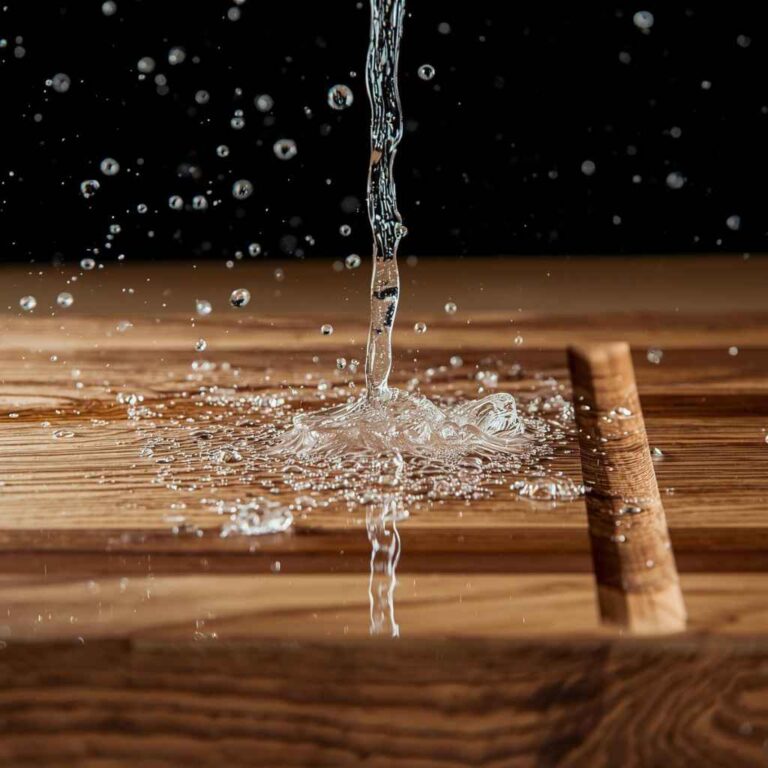
It is a thin, penetrating finish, so it protects less against water and abrasion than a film finish such as polyurethane. Watco does not recommend its Danish oil for floors or exterior surfaces, solvent-based versions smell strongly and are flammable, and rags soaked with it can start a fire if they are left in a pile.
Why Would You Use Danish Oil?
Use it when you want the wood to look and feel like wood. It wipes on and off with a cloth, needs no sprayer, and a worn spot can be sanded lightly and re-oiled without stripping the whole piece.
Is Danish Oil the Same as Linseed Oil?
No. Linseed oil is one ingredient. Danish oil is a product category, and the maker’s label decides what is inside. Watco blends linseed and soybean oil with a resin and solvent, while Tried and True uses only polymerized linseed oil. Both are linseed based, so both still need safe rag disposal.
Is Danish Oil Better Than Tung Oil?
Neither is better in every case. Danish oil is usually faster and easier to apply, but the common idea that it is just tung oil is wrong: Watco’s data sheet lists linseed and soybean oil, not tung oil. For a food-contact bowl or board, choose a finish whose maker states it is food safe and follow that label.
Sponsored / affiliate links. As an Amazon Associate I earn from qualifying purchases. I may earn additional commission from eligible campaigns.