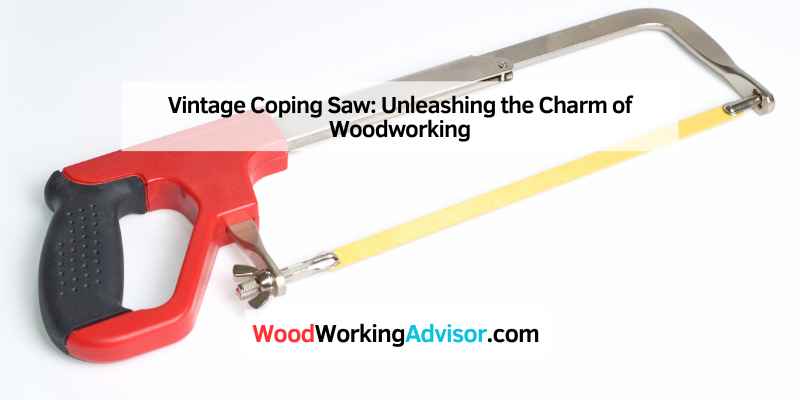
Vintage Coping Saw History: 1500s Origin to 1887 Patent
A vintage coping saw traces back to mid-16th-century frame saws, but the name “coping saw” itself only dates to Christopher Morrow’s 1887 U.S. patent.
Buying a vintage model without knowing this history means overpaying for a “rare 1700s coping saw” that’s really a common 20th-century bracket saw — or missing a genuinely early piece because you didn’t recognize its features. This guide covers the real timeline, what to look for when buying, and how to restore and use one safely.
The Allure Of Vintage Tools
Best Replacement Blade Pick
 |
Stanley 15-061 Coping Saw Blades, 15 TPI (4-Pack) – $6.68 Standard 6.5-inch pin-end blades that fit most vintage coping saw frames — the exact part this guide’s Restoration and Care section points to once an old saw’s original blade is rusted or snapped.
|
As an Amazon Associate we earn from qualifying purchases.
Vintage tools carry a charm that modern tools often lack. Each piece tells a story. They represent an era of craftsmanship and dedication. Vintage coping saws are no exception. Their beauty and functionality captivate woodworkers and collectors alike.
Timeless Craftsmanship
Vintage coping saws showcase incredible craftsmanship. Many were handmade by skilled artisans. They used high-quality materials, ensuring durability and strength.
- Well-balanced design for easy handling.
- Sharp blades for precise cuts.
- Ergonomic handles for comfort.
These tools often have intricate details. They reflect the passion of their makers. Each saw is unique, adding character to any workshop.
The Beauty Of Aged Tools
The aesthetic appeal of vintage tools is undeniable. Their patina tells tales of use and history. Over time, wood and metal develop a unique look.
| Material | Appearance | Age Effect |
|---|---|---|
| Wood | Rich color variations | Deepens with time |
| Metal | Rusty textures | Enhances character |
Many woodworkers appreciate the character of aged tools. They become conversation starters. Vintage coping saws add charm to workshops and homes.
Collecting vintage tools can be rewarding. Each tool sparks joy and nostalgia. Their beauty and functionality make them timeless treasures.
Coping Saw Defined
The coping saw is a versatile hand tool for woodworkers. It allows for precise cutting of intricate shapes and curves. This tool has a thin blade, making it ideal for delicate tasks.
Essential Features
The coping saw has several key features that enhance its functionality:
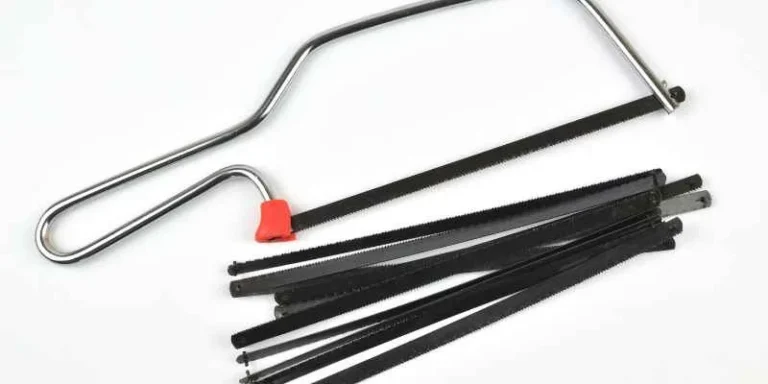
- Frame: A U-shaped frame holds the blade in place.
- Blade: The blade is thin and flexible, allowing for tight curves.
- Handle: The handle provides a comfortable grip for control.
- Blade tension: Adjusting the tension helps maintain blade integrity.
Historical Significance
The coping saw has a rich history in woodworking. It became popular in the 19th century. Craftsmen used it for intricate designs in furniture and cabinetry.
This tool allowed artisans to express creativity. The ability to cut complex shapes revolutionized woodworking.
| Era | Significance |
|---|---|
| 19th Century | Increased popularity among woodworkers. |
| Modern Day | Still used for detailed woodworking tasks. |
The coping saw remains a favorite among hobbyists and professionals. Its design has stood the test of time. The blend of functionality and artistry makes it essential in any workshop.
Evolution Of The Coping Saw
The coping saw has a rich history. Its design has changed over time. This tool is crucial for woodworkers. It allows for intricate cuts in wood. Understanding its evolution helps appreciate its value.
From Origin To Modern Day
The coping saw’s ancestor — a spring-tensioned frame saw — likely appeared in the mid-16th century alongside advances in clock-spring metallurgy. The specific name “coping saw” is much younger: it comes from an 1887 patent. Here’s a brief timeline of its evolution:
| Year | Development |
|---|---|
| Mid-1500s | Spring-tensioned frame saws emerge for marquetry work, following clock-spring metallurgy advances. |
| 1700s-1800s | Known as “Morris saws,” then “bracket saws” — used by cabinetmakers and jewelers for intricate cuts. |
| 1883-1887 | William Jones patents a jeweler’s saw frame (1883); Christopher Morrow patents the tool as a “coping saw” (1887), giving it the modern name. |
| 20th Century | Metal C-frames and interchangeable pin-end blades become standard. |
| Present Day | Modern coping saws with ergonomic handles and quick-release blade clamps. |
Over centuries, the coping saw became more versatile. Craftsmen adapted it for various tasks. This tool supports many crafts today.
Technological Advancements
Modern coping saws include several enhancements. These advancements improve efficiency and comfort. Key innovations include:
- Ergonomic handles: Reduce strain during use.
- High-carbon steel blades: Offer better durability.
- Quick-release mechanisms: Make blade changes faster.
These improvements ensure the coping saw remains relevant. It meets the demands of today’s woodworkers.
The evolution of the coping saw is fascinating. It has transformed from a basic tool into a sophisticated instrument. Each change reflects the needs of craftsmen.
📊 The coping saw’s frame-saw ancestor likely dates to the mid-1500s, but the tool wasn’t called a “coping saw” until Christopher Morrow’s 1887 U.S. patent — so a saw marked or sold as an “1700s coping saw” is almost certainly mislabeled. — Source: Lost Art Press, 2014
Choosing A Vintage Coping Saw
Finding the right vintage coping saw can be exciting. These tools have unique charm and history. Knowing what to look for helps you make a great choice.
What To Look For
Several factors determine the quality of a vintage coping saw:
- Blade Condition: Check if the blade is sharp or damaged.
- Frame Material: Look for strong materials like steel or hardwood.
- Handle Comfort: Ensure the handle feels good in your hand.
- Brand Reputation: Trusted brands often mean better quality.
- Unique Features: Look for special designs or features that stand out.
Assessing Value And Condition
Understanding a vintage coping saw’s value helps in your purchase.
Consider these points:
| Condition | Value Indicator |
|---|---|
| Excellent | High value, minimal wear |
| Good | Moderate value, some use marks |
| Fair | Lower value, significant wear |
| Poor | Very low value, needs repairs |
Examine the saw closely. Look for rust, cracks, or broken parts.
Research similar models online. Compare prices to gauge worth.
Check local vintage tool shops. They often provide insights and history.
Restoration And Care
Restoring a vintage coping saw can be rewarding. Proper care keeps it functional and beautiful. Follow these tips for cleaning, maintenance, and preserving authenticity.
Cleaning And Maintenance Tips
Keeping your coping saw clean is essential. Here are some simple steps:
- Dust Removal: Use a soft brush to remove dust.
- Rust Treatment: Apply rust remover on affected areas.
- Oil Application: Use a light machine oil on moving parts.
- Blade Care: Replace dull blades for better performance.
Regular maintenance helps extend the saw’s life:
- Inspect the frame for cracks.
- Check tension of the blade regularly.
- Store in a dry place to prevent rust.
Preserving Authenticity
Keeping the vintage look adds value. Here’s how to preserve authenticity:
| Action | Description |
|---|---|
| Avoid Over-Restoration | Keep original parts whenever possible. |
| Use Original Hardware | Retain screws and bolts from the original saw. |
| Natural Finishes | Choose oils and waxes that enhance the wood. |
Respect the history of the tool. Each scratch tells a story. Enjoy your vintage coping saw while preserving its charm.
Using A Vintage Coping Saw
Using a vintage coping saw brings a unique charm to woodworking. This tool allows for intricate cuts and designs. Many crafters appreciate its manual operation and historical significance. Mastering the vintage coping saw can enhance your craftsmanship.
Techniques And Tricks
Here are some effective techniques for using a vintage coping saw:
- Grip the Handle Firmly: Maintain control while cutting.
- Choose the Right Blade: Use finer blades for delicate work.
- Mark Your Cut Line: Clear lines help guide your saw.
- Use Steady Pressure: Avoid forcing the saw; let it do the work.
- Practice Curves: Move slowly for smooth, rounded cuts.
Here are some tricks to improve your technique:
- Start with softer woods to gain confidence.
- Keep your workspace organized for easy access.
- Take breaks to prevent fatigue and maintain precision.
Comparing Vintage And Modern Usage
Understanding the differences between vintage and modern coping saws is crucial.
| Feature | Vintage Coping Saw | Modern Coping Saw |
|---|---|---|
| Blade Attachment | Manual, often requiring tools | Quick-release mechanism |
| Materials | Wood and metal | Advanced materials like carbon steel |
| Weight | Heavier, more stable | Lighter, easier to maneuver |
| Cost | Often collectible, can be pricey | Generally affordable |
Each type has its benefits. Vintage saws offer a sense of history. Modern saws provide convenience and efficiency. Choose based on your project needs.
Projects Suited For A Vintage Coping Saw
A vintage coping saw is a versatile tool. It excels in intricate cutting tasks. Many projects benefit from its precision. Here are some ideas to inspire your creativity.
Ideal Materials And Patterns
Choosing the right materials is crucial. The vintage coping saw works best with:
- Softwoods: Pine, cedar, and fir are excellent choices.
- Hardwoods: Maple, oak, and cherry can also be used.
- Plywood: Great for layered designs.
- Thin materials: Ideal for detailed cuts.
Patterns can enhance your projects. Popular options include:
| Pattern Type | Description |
|---|---|
| Floral Designs | Beautiful shapes for home decor. |
| Geometric Shapes | Modern and stylish patterns. |
| Animal Silhouettes | Fun and playful designs. |
| Custom Names | Personalized projects for gifts. |
Inspirational Project Ideas
Here are some exciting project ideas:
- Decorative Wall Art: Create stunning pieces for your home.
- Wooden Toys: Make safe and fun toys for kids.
- Picture Frames: Craft unique frames for your favorite photos.
- Jewelry Boxes: Design elegant storage for your accessories.
- Coasters: Personalize coasters for your drinks.
Each project showcases the beauty of craftsmanship. A vintage coping saw adds charm and precision.
The Community Of Vintage Tool Collectors
The world of vintage tool collecting is vibrant and welcoming. Enthusiasts share a passion for craftsmanship. Among these tools, the vintage coping saw stands out. Collectors appreciate its design and history. This community fosters connections and shared knowledge.
Connecting With Other Enthusiasts
Finding fellow collectors enriches the experience. Here are some ways to connect:
- Join online forums and groups.
- Attend local meetups.
- Participate in social media discussions.
Sharing stories and tips creates bonds. Many collectors enjoy exchanging tools. This practice keeps the history alive.
Resources And Events
Many resources exist for vintage tool collectors. Here are some valuable ones:
| Resource/Event | Description |
|---|---|
| Online Forums | Platforms for discussion and sharing tips. |
| Collector Shows | Events to buy, sell, and trade tools. |
| Workshops | Hands-on learning about restoration. |
Events often feature expert speakers. They share insights about vintage tools. Collectors can learn about value and care.
The community thrives on shared knowledge. Every interaction helps preserve the craft. The vintage coping saw is more than just a tool; it represents history.
Frequently Asked Questions
What Is A Vintage Coping Saw?
A vintage coping saw is a hand tool used for intricate cutting tasks. It features a thin, flexible blade and a C-shaped frame. This tool is ideal for cutting curves and detailed shapes in wood or other materials. Collectors appreciate vintage models for their craftsmanship and unique designs.
How To Maintain A Vintage Coping Saw?
To maintain a vintage coping saw, regularly clean the blade and frame. Check the tension of the blade; it should be tight but not overly strained. Store it in a dry place to prevent rust. Occasionally, oil the pivot points to ensure smooth operation and extend its lifespan.
Where To Buy Vintage Coping Saws?
You can find vintage coping saws at antique shops, flea markets, or online marketplaces like eBay and Etsy. Specialty woodworking stores may also carry them. Ensure you check the condition before purchasing. Look for reputable sellers who provide clear photos and detailed descriptions of the saw’s history.
What Are The Benefits Of Using Vintage Tools?
Using vintage tools, like coping saws, connects you with traditional craftsmanship. They often offer superior quality and durability compared to modern tools. Vintage tools can also provide a unique aesthetic to your workspace. Additionally, using them can enhance your woodworking skills and appreciation for historical techniques.
Conclusion
The vintage coping saw is a remarkable tool with a rich history. It combines craftsmanship and functionality, making it a must-have for any woodworking enthusiast. Embracing its classic design not only enhances your projects but also connects you to the art of traditional woodworking.
Explore its potential and elevate your creations today.
Sponsored / affiliate links. As an Amazon Associate I earn from qualifying purchases. I may earn additional commission from eligible campaigns.