Vinyl Hardwood-Look Flooring in a Roll: What to Know First
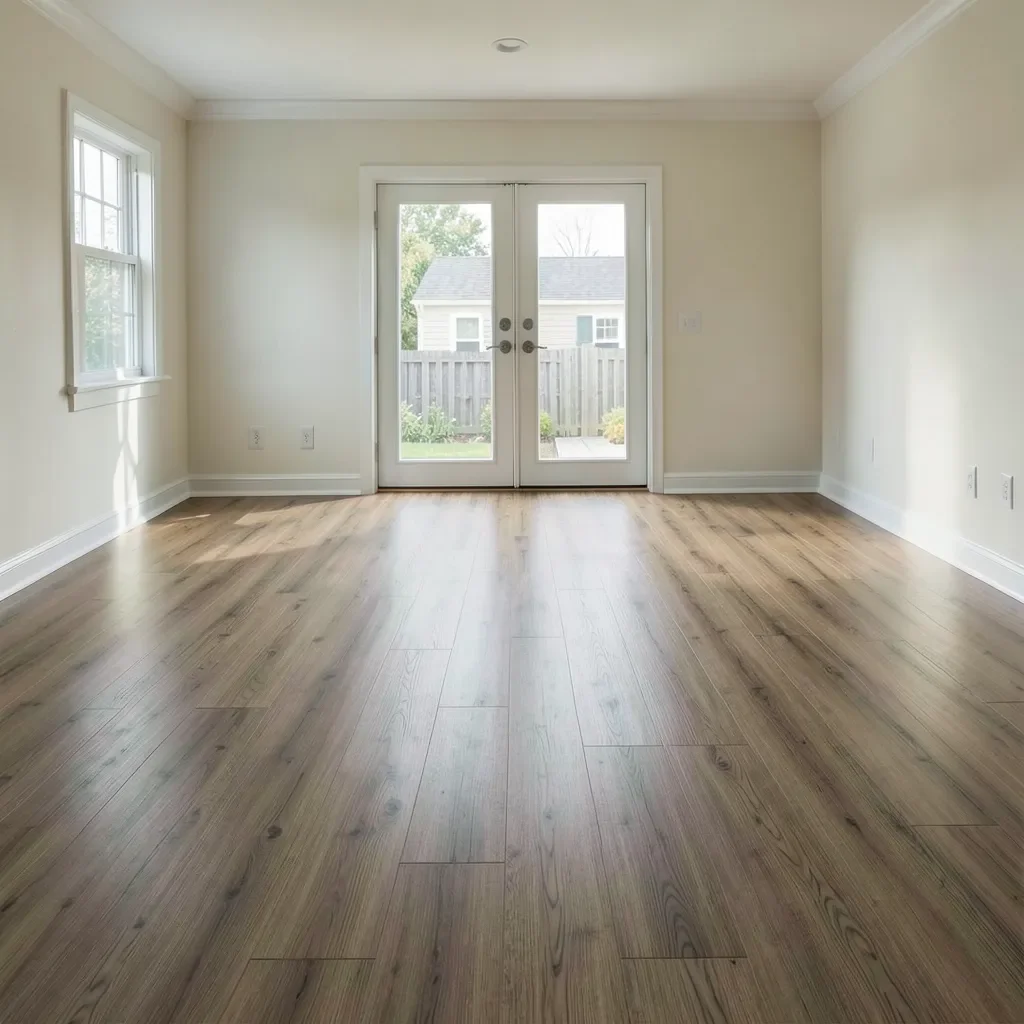
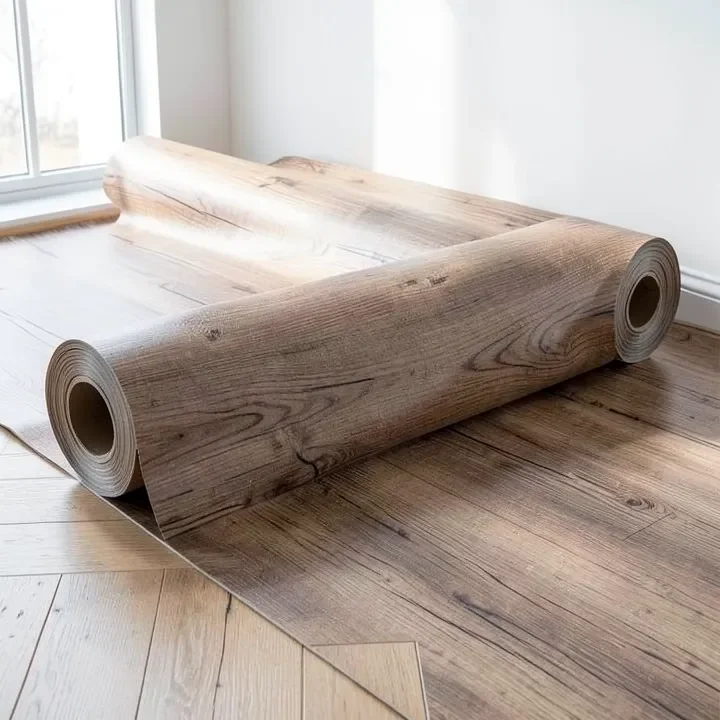
Sheet vinyl flooring printed to look like hardwood comes in large rolls (typically 6 or 12 feet wide) and installs as one continuous piece rather than individual planks, which is the main practical difference from vinyl plank flooring – fewer seams, but a harder, less forgiving installation if the subfloor isn’t perfectly flat first.
Roll vs. Plank: The Real Tradeoff
Best for Checking Subfloor Moisture First
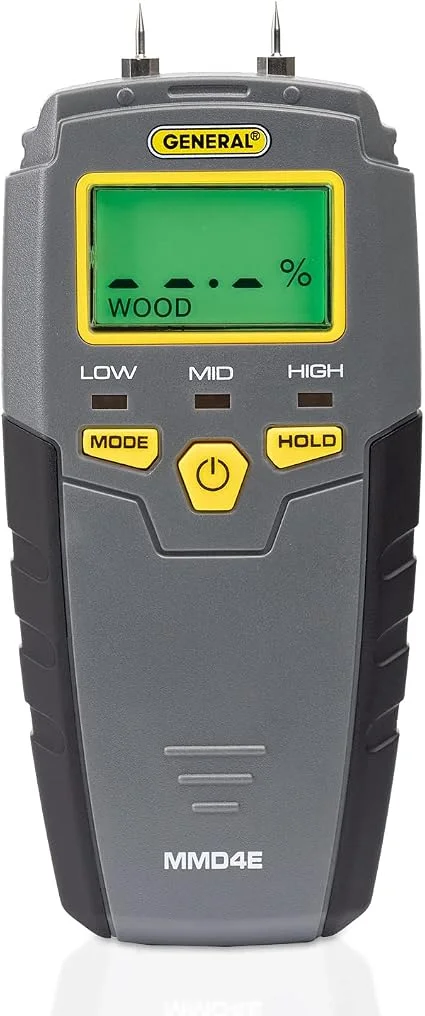 |
General Tools MMD4E Moisture Meter – $38.83 Confirming the subfloor is dry before a full-spread glue-down installation avoids trapping moisture under the sheet, directly protecting against the voids and wear this guide warns about.
|
A 12-foot-wide roll can cover most rooms with zero or one seam, which beats plank flooring’s dozens of click-together joints for moisture resistance in a bathroom or laundry room. The tradeoff: a roll is heavy, awkward for one person to handle, and any subfloor imperfection telegraphs through the thin sheet visibly, while thicker vinyl plank hides minor subfloor flaws better on its own.
Subfloor Prep Isn’t Optional
Sheet vinyl is thin enough that a subfloor with dips, bumps, or old adhesive ridges shows through as visible telegraphing once installed – self-leveling compound or a full skim coat is often necessary before laying the roll, not just for aesthetics but because voids under the sheet accelerate wear and can crack the material over time.
Full-Spread Adhesive vs. Perimeter-Only
Full-spread adhesive (glued down across the entire floor) gives the most durable, longest-lasting installation and is standard for commercial use, while a perimeter-glued or loose-lay installation is faster and more DIY-friendly but more prone to bubbling or shifting over time, especially in high-traffic areas.
Seam Placement When a Single Roll Isn’t Wide Enough
For rooms wider than the roll’s own width, plan the seam location before cutting – placing it under where furniture will sit, or running it parallel to the main light source rather than perpendicular, makes an unavoidable seam far less visually noticeable than an arbitrary placement dictated purely by the roll’s dimensions.
Acclimating the Material Before Installation
Vinyl flooring should sit unrolled (or loosely rolled) in the installation room for 24-48 hours before final installation, letting it adjust to the room’s actual temperature and humidity – skipping this step risks the material expanding or contracting slightly after installation, which can cause bubbling or gapping at the edges within the first few weeks.
Cutting the Roll to Room Dimensions
A sharp utility knife and a straightedge handle straight cuts along walls, while a compass or template method transfers irregular wall shapes (around door frames, cabinets) onto the material before the final trim – cutting slightly oversized and trimming down after rough-fitting the sheet in place is more forgiving than trying to cut exact dimensions before the material is laid out.
Cost Comparison to Other Flooring Types
Sheet vinyl typically runs $1-3 per square foot for material, meaningfully cheaper than vinyl plank ($2-5) or real hardwood ($5-15+), making it a genuine budget option for a full-room installation – though professional installation labor, if hired out, narrows that gap somewhat compared to a DIY plank installation that’s often easier for an inexperienced installer to execute cleanly.
Lifespan Expectations
A quality sheet vinyl installation lasts 10-20 years under normal residential use, shorter than plank vinyl’s typical 15-25 year range, largely because sheet vinyl’s thinner wear layer shows scuffs and traffic patterns sooner than the thicker wear layers common on premium plank products.
Repairing Damage to Sheet Vinyl
A small tear or gouge in sheet vinyl is patchable with a matching offcut piece and seam sealer, cut to overlap the damage and blended at the edges – keeping leftover material from the original installation specifically for this purpose is worth the storage space, since matching an exact discontinued pattern years later is often impossible.
Frequently Asked Questions
Is sheet vinyl or vinyl plank better for a bathroom?
Sheet vinyl generally, since a large roll can cover the whole room with zero or one seam, minimizing the joints where water could penetrate compared to plank flooring’s many click-together seams.
Do you need to level the subfloor before installing vinyl roll flooring?
Usually yes – sheet vinyl is thin enough that subfloor dips and bumps telegraph through visibly, and voids under the sheet can accelerate wear or cracking.
Can one person install a roll of vinyl flooring?
Difficult but not impossible for a small room – the material is heavy and awkward to position without wrinkling or trapping air, so a second person makes the job significantly easier.
Sponsored / affiliate links. As an Amazon Associate I earn from qualifying purchases. I may earn additional commission from eligible campaigns.