Water Putty Vs Bondo: Ultimate Repair Showdown
Are you staring at that dent in your wall or that scratch on your wooden table, wondering how to fix it? You’re not alone.
Many people face the dilemma of choosing between Water Putty and Bondo for their repair needs. Both are popular options, but which one is right for you? With the right choice, you can save time, money, and get results that last.
Imagine the satisfaction of seeing your surfaces look as good as new, without the stress of trial and error. Dive into this guide where we break down the pros and cons of Water Putty and Bondo, so you can make the best decision for your next project. Your perfect fix is just a few scrolls away!
Material Composition
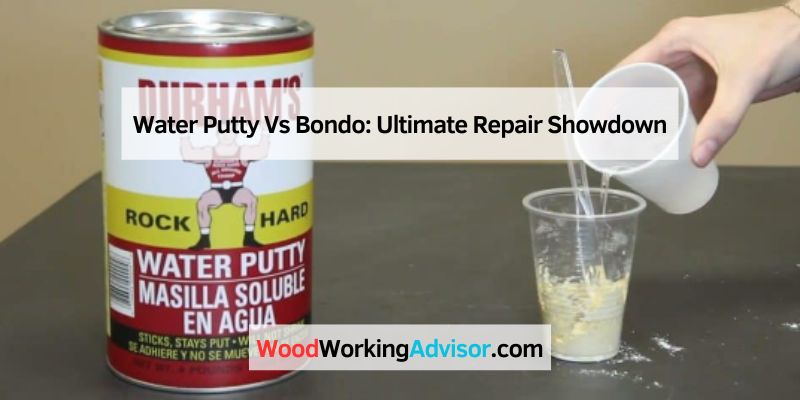
Water putty is a type of filler. It’s made from gypsum powder. This powder is mixed with water. The mixture becomes a paste. This paste is used to fill holes and cracks. Water putty is white and can be sanded. It hardens when dry. Many people use it for repair jobs. It’s easy to mold and shape.
Bondo is another filler. It is used for repairs too. Bondo is a mix of polyester resin and hardener. It comes in a can. Bondo is strong and durable. It dries quickly and can be painted over. It is often used in car repairs. Many people like it for its strength. It can also be sanded smooth.
Application Methods
Water putty is a smooth paste. Mix it with water. It fills holes in wood. It’s easy to use. Just blend and apply. It dries quickly. Paint can cover it afterward. Perfect for small repairs. Handy for fixing cracks. Not good for outdoor use. Rain can wash it away. Ideal for indoor projects. Use a putty knife for best results. Smooth finish every time. Make sure area is clean first.
Bondo is a tough filler. Mix it with a hardener. Use it for strong repairs. Great for cars and wood. It’s durable and waterproof. Best for outdoor fixes. Sand it for a smooth surface. Paint sticks well to it. Resistant to weather. It sets fast. Use a spreader tool. Follow the mixing instructions. Bondo lasts a long time. Ensure surface is clean before applying.
Strength And Durability
Water putty is known for its long-lasting strength. Once dry, it becomes very hard. It can fill gaps and holes. It is easy to mold into shapes. This makes it great for crafts and repairs. It is also resistant to cracking. But, it might not handle heavy weight. It is not waterproof. So, it’s best for indoor use.
Bondo is very strong and durable. It is often used in car repairs. It can handle heavy weight and pressure. Bondo is waterproof. This makes it good for outdoor use. It dries quickly. It can be sanded to a smooth finish. It is tough and long-lasting. Bondo is perfect for bigger repairs.
Drying And Curing Times
Water putty needs time to dry. Typically, it dries in 1-3 hours. The drying time depends on the layer’s thickness. Thicker layers take longer. Thin layers dry faster. Make sure the putty is completely dry. Touching it too soon can ruin it. Airflow helps it dry. Use a fan if needed. Dry rooms are best for drying. Avoid using in wet spaces. Check it by gently touching. If it feels firm, it is dry.
Bondo cures quickly. It usually cures in 10-15 minutes. Curing means it hardens. After mixing, work fast. It sets fast, so be ready. The curing time is short. This means less waiting. Do not touch while curing. It can ruin the finish. Bondo needs proper mixing. Mix it well for the best cure. A warm room helps it cure well. Cold slows down curing.
Surface Finish
Water putty gives a smooth finish on surfaces. It dries hard and can be sanded easily. This makes it great for filling holes and cracks. It holds paint well. You can use it on walls and wood. It is easy to mix with water. It’s also non-toxic and safe to use indoors.
Bondo is used for repairing surfaces. It is often used on cars and furniture. It dries fast and becomes very hard. Sanding is needed for a smooth finish. Bondo works well for deep cracks. It is not easy to mix. You must follow the instructions carefully.
Cost And Value
Water Putty is a popular choice for many. It’s known for being affordable. A small tub costs around $5 to $10. This makes it easy on the pocket. Its low cost makes it accessible. Even for small projects, it is a good option. Water Putty is also easy to use. This helps save on labor costs.
Bondo is another popular option. It costs more than Water Putty. A small can is around $20 to $25. It is often used for car repairs. This makes it more expensive. Bondo offers a strong hold. This may justify its higher cost. Many people find it worth the price. It is chosen for its durability.
Best Use Cases
Water putty is best for filling holes in walls. It is great for indoor repairs. It is not good for outdoor use. Water putty dries hard and smooth. It is easy to paint over. It does not shrink or crack easily. Use water putty for fixing small damages. Great for DIY projects at home. It is affordable and simple to use.
Bondo works well on cars and metal surfaces. Perfect for outdoor repairs. It is strong and durable. Bondo can resist rain and sun. Use Bondo for fixing dents and scratches. It dries fast and can be sanded smooth. Bondo is ideal for professional use. It can handle heavy-duty repairs. It is great for long-lasting fixes.

Credit: durhamswaterputty.com
Environmental Considerations
Water putty is made from natural materials. It is often more environmentally friendly. This putty contains fewer chemicals. It is safe for the planet and people. Water putty is easy to use and not harmful. It does not give off bad smells. Many people like its simple and safe nature.
Bondo is a type of filler used for repairs. It is made from chemicals. Some of these can be harmful to the environment. It can release strong odors. This makes it less friendly to the air. Bondo can be strong and durable. But its chemical makeup is a concern. People should use it with care.
User Experiences
Water putty is easy to use. Many people say it is smooth. It fills cracks well. It dries quickly. Some users find it a bit messy. It can be a little hard to sand. But it holds strong. Perfect for small fixes. Users love its affordable price. Many recommend it for indoor use only.
Bondo is popular for car repairs. It is strong and durable. People say it dries fast. It is easy to sand. Perfect for outdoor projects. Some find the smell strong. It can be tricky to mix. But the results are worth it. Users trust its quality. Many say it is worth the price.

Credit: www.reddit.com
Frequently Asked Questions
What Is Water Putty Used For?
Water putty is used to fill cracks, holes, and imperfections in wood, plaster, and other surfaces. It dries hard and can be sanded, painted, or stained for a smooth finish. Ideal for repairs, it ensures surfaces look seamless and well-maintained.
Is Durham’s Water Putty Good For Exterior Use?
Durham’s water putty is not recommended for exterior use. It is best suited for indoor projects due to its water-soluble nature. Exposure to moisture can compromise its durability, making it unsuitable for outdoor environments. Opt for a weather-resistant filler for exterior applications.
Can You Screw Into Durham’s Water Putty?
Yes, you can screw into Durham’s water putty. Ensure it is fully cured and dry. Use a drill to create a pilot hole for better results. This method helps prevent the putty from cracking or chipping.
What Is A Good Substitute For Water Putty?
A good substitute for water putty is wood filler or spackle. These materials effectively fill gaps and cracks. They are suitable for indoor and outdoor repairs. Ensure the chosen product matches your project’s specific requirements for durability and finish.
Conclusion
Choosing between water putty and Bondo depends on your project needs. Water putty works well for indoor repairs. It’s easy to apply and sand. Bondo, on the other hand, is perfect for outdoor tasks. It offers strength and durability. Both have their strengths.
Consider the surface and conditions. Think about the project’s demands. This will guide your choice. Both products serve well in their own ways. Understanding each helps in making the right decision. Always test on a small area first. This ensures you’re happy with the result.