Wedge Wood Splitter: Best Splitting Wedges & Sizes (2026)
A wedge wood splitter is a hand-driven steel wedge — not a powered log splitter — that you strike with a maul or sledge to force logs apart along the grain. Most run 7 to 8.5 inches long and weigh 3 to 5 pounds, like the Estwing E-5 below. Confusing the two costs buyers money: a $20 wedge and a $400 hydraulic splitter solve different problems. This guide covers wedge types (2-way, 4-way, diamond), what specs actually matter, and when a wedge beats a powered splitter.
Quick answer: A wedge wood splitter is a solid-steel wedge (usually 3–5 lb, 7–8.5 in long) driven into a log with a maul. It’s a manual hand tool — the “hydraulic” and “electric” versions some sites describe are actually a different product category, powered log splitters, not wedges.
What Is a Wedge Wood Splitter?
OUR PICK
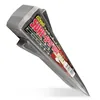 |
ESTWING Sure Split Wedge, 5 lb Solid Steel (E-5) – $21.06 A hand-sharpened, USA-forged fin-splitting wedge sized for hardwood rounds up to about 16 inches across.
|
As an Amazon Associate we earn from qualifying purchases.
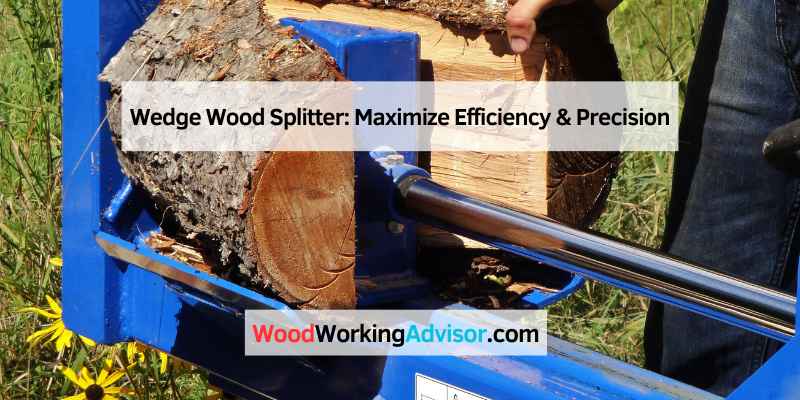
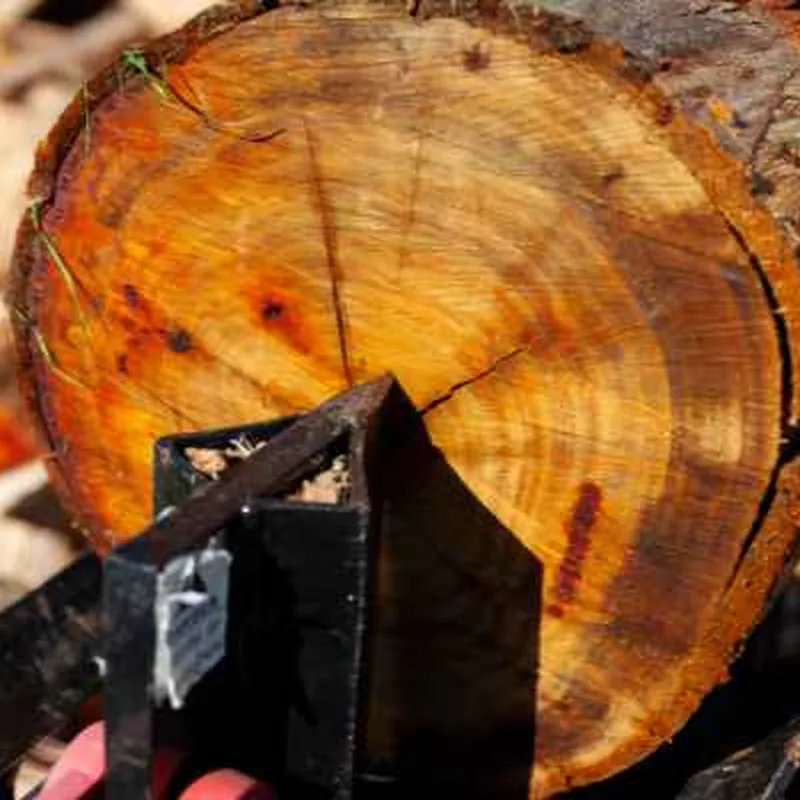
The wedge wood splitter is one of the oldest wood-processing tools still in daily use. It works on a simple principle: a tapered piece of hardened steel concentrates the force of a hammer blow into a thin edge, then widens as it’s driven deeper, forcing the log’s fibers apart along the grain.
A Brief History
The concept of wood splitting with wedges dates back thousands of years, and the basic geometry hasn’t changed much — only the steel has. Cast and drop-forged wedges replaced hand-forged ones in the 19th century, and today’s versions add fins, twisted shanks, or diamond cross-sections to reduce the effort needed per swing.
Wedge vs. Powered Log Splitter
This is the most common point of confusion in wedge shopping. A true wedge is a manual hand tool with no motor, no hydraulics, and no price tag above about $30. If you’re comparing “splitting force in tons” or “cycle time,” you’re actually looking at a powered log splitter — a separate machine category. Use the table below to tell them apart before you buy.
| Tool | Power source | Typical cost | Best for |
|---|---|---|---|
| Splitting wedge | Maul or sledge (manual) | $15–$35 | Occasional use, straight-grained rounds under 16 in. |
| Hydraulic log splitter | Gas engine or electric motor | $300–$1,500+ | Large volumes, knotty or twisted-grain hardwood |
| Electric wedge splitter | Electric motor, driven ram | $150–$400 | Quiet, indoor-adjacent use with moderate volume |
Splitting Wedge Types
Real splitting wedges fall into a handful of design categories, and the differences aren’t cosmetic — they change how many swings a round takes.
- 2-way wedge: The classic doorstop shape. Splits a round into two halves per strike. Cheapest and most common.
- 4-way wedge: A cross-shaped head that splits a round into quarters in one hit — faster on straight-grained rounds, harder to start on twisted grain.
- Diamond wedge: A diamond cross-section instead of a flat wedge. Slower to bite in initially, but once seated it cuts through with less resistance than a traditional flat wedge.
- Twisted-shank wedge: The body is twisted along its length, which rotates the wood fibers apart rather than just pushing them — effective on stringy hardwoods like elm.
Length and weight matter more than the marketing copy suggests: most quality wedges run 7 to 8.5 inches long and weigh 3 to 5 pounds. A 3-pound wedge is easier to carry and swing all day; a 5-pound wedge like the Estwing E-5 below drives deeper per hit on hardwood but tires your arm faster.
Key Features To Look For
Choosing the right wedge comes down to steel quality, edge geometry, and weight matched to the wood you split most.
Steel and Edge
- Drop-forged or solid high-carbon steel holds an edge and resists mushrooming under a sledge.
- A hand-sharpened bevel bites into the log faster than a dull factory edge.
- Fins or a beveled edge add outward force as the wedge is driven deeper.
Weight and Length
Match weight to your wood: 3–4 lb for softwood and rounds under 12 inches, 5 lb and up for hardwood rounds 12–16 inches across. Anything larger usually needs a powered splitter regardless of wedge weight.
Maximizing Efficiency With a Wedge
A wedge splits fastest when you work with the wood’s grain instead of fighting it. These techniques come from actual splitting sessions, not theory.
- Check the round for existing radial cracks first — set the wedge on one and it splits with a fraction of the force.
- Set the round on a solid chopping block, not bare ground, so the impact energy transfers into the wood instead of the earth.
- Start with a light tap to seat the wedge before swinging full force — a wedge that isn’t seated will bounce out.
- Inspect the round for knots; aim the wedge to the side of them, not through them.
- Start with smaller, straight-grained rounds before tackling large or knotty ones.
- If a wedge sticks after two solid hits, add a second wedge on the opposite side rather than forcing it.
Safety Protocols
- Wear eye protection. Steel-on-steel contact between a maul and a mushroomed wedge head can throw metal fragments.
- Check your swing radius for people, pets, and low branches before every strike.
- Retire any wedge with a mushroomed or cracked head — that’s the #1 cause of wedge-related injuries.
Maintenance and Care
A steel wedge needs almost no maintenance, but the little it does need prevents most safety issues.
| Task | Frequency |
|---|---|
| Check head for mushrooming/cracks | Before every use |
| Wipe down and lightly oil | After each use, especially in humid climates |
| Touch up the edge with a file | Every 10–15 splits, or when it stops biting in |
Store wedges dry and lightly oiled to prevent rust. For a closer look at cutting your own wooden wedges by hand rather than buying steel ones, see our guide on how to cut wood wedges.
Frequently Asked Questions
What Is A Wedge Wood Splitter?
A wedge wood splitter is a solid-steel hand tool, usually 7 to 8.5 inches long and 3 to 5 pounds, that you drive into a log with a maul or sledge to split it along the grain. It’s a manual tool, distinct from powered hydraulic or electric log splitters.
How Does A Wedge Wood Splitter Work?
A wedge works by concentrating hammer force into a narrow steel edge, then widening as it’s driven deeper to force the wood’s fibers apart. Fins, bevels, or a twisted shank add extra outward force as the wedge sinks in.
What Are The Benefits Of Using A Wedge Wood Splitter?
A wedge costs a fraction of a powered splitter, needs no fuel or electricity, and is light enough to carry into the woods. For occasional firewood processing or rounds under about 16 inches, it’s often faster to set up than starting a gas splitter.
Are Wedge Wood Splitters Safe To Use?
Yes, when the head isn’t mushroomed or cracked and you wear eye protection. Most wedge injuries come from steel fragments thrown by a worn maul or wedge head, not the splitting action itself.
How Long Should A Splitting Wedge Be?
Most quality splitting wedges run 7 to 8.5 inches long and weigh 3 to 5 pounds. Shorter, lighter wedges (3–4 lb) suit softwood and rounds under 12 inches; heavier 5 lb wedges like the Estwing E-5 handle larger hardwood rounds.
Conclusion
A wedge wood splitter is the simplest, cheapest tool for processing firewood by hand — but it’s a manual hand tool, not the same thing as a hydraulic or electric log splitter. Match wedge weight and type to your typical round size, retire any wedge with a mushroomed head, and step up to a powered splitter only once volume or log size outgrows what a wedge and a maul can handle.
Sponsored / affiliate links. As an Amazon Associate I earn from qualifying purchases. I may earn additional commission from eligible campaigns.