What Is a Firmer Chisel? (Bevel vs. Mortise Chisel Guide)
A firmer chisel has a rectangular, unbeveled blade — thicker than a bevel-edge bench chisel, thinner than a dedicated mortise chisel — built for mallet-driven chopping in rebates, housings, and mortises. Use a beveled paring chisel for that same heavy work instead, and the thin edge can twist or chip inside the cut. This guide covers what separates a firmer chisel from bevel-edge and mortise chisels, where the name comes from, and how to sharpen and store one.
What Makes a Firmer Chisel Different
A firmer chisel is a bench chisel with a fully rectangular blade cross-section — no bevels along the sides, only the cutting edge itself is ground. That square profile keeps the blade’s side walls flush against the cut, so it resists twisting or digging in the way a thinner, side-beveled chisel can under a mallet blow. It isn’t as thick as a dedicated mortise chisel, so it’s not built for repeatedly levering waste out of a deep mortise — but it takes mallet strikes far better than a bevel-edge bench chisel, which is designed for lighter, hand-pushed paring cuts.
Firmer Chisel vs. Bevel-Edge vs. Mortise Chisel
The three bench-chisel families do different jobs, and picking the wrong one is why a chisel purchase disappoints. Here’s how they actually compare on the workbench, not just on the shelf label.
| Chisel Type | Blade Cross-Section | Driven By | Best For |
|---|---|---|---|
| Bevel-edge chisel | Angled bevels on both sides, thin | Hand pressure, light taps | Paring, dovetails, tight corners |
| Firmer chisel | Fully rectangular, no side bevels | Mallet | Rebates, housings, general mortising |
| Mortise chisel | Thick rectangular, extra depth | Heavy mallet | Deep, repeated mortise chopping and levering waste |
For the deep, load-bearing mortises used in mortise and tenon joinery, a dedicated mortise chisel still out-performs a firmer chisel — but for the shallower rebates and housings that come up in general carpentry, the firmer chisel is the better-balanced tool of the three.
What Is a Firmer Chisel Used For?
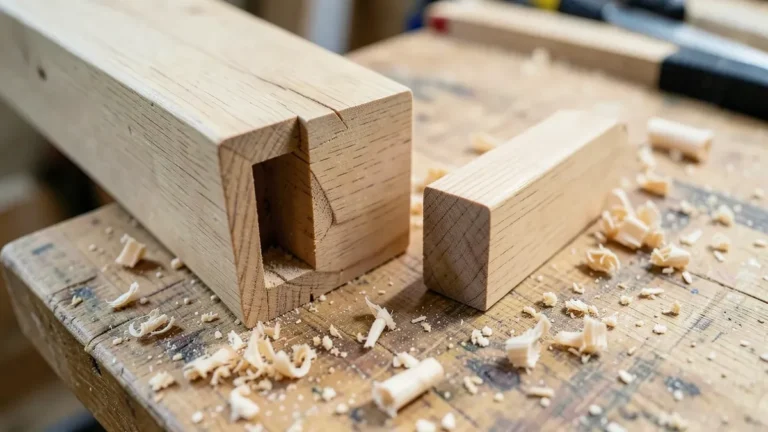
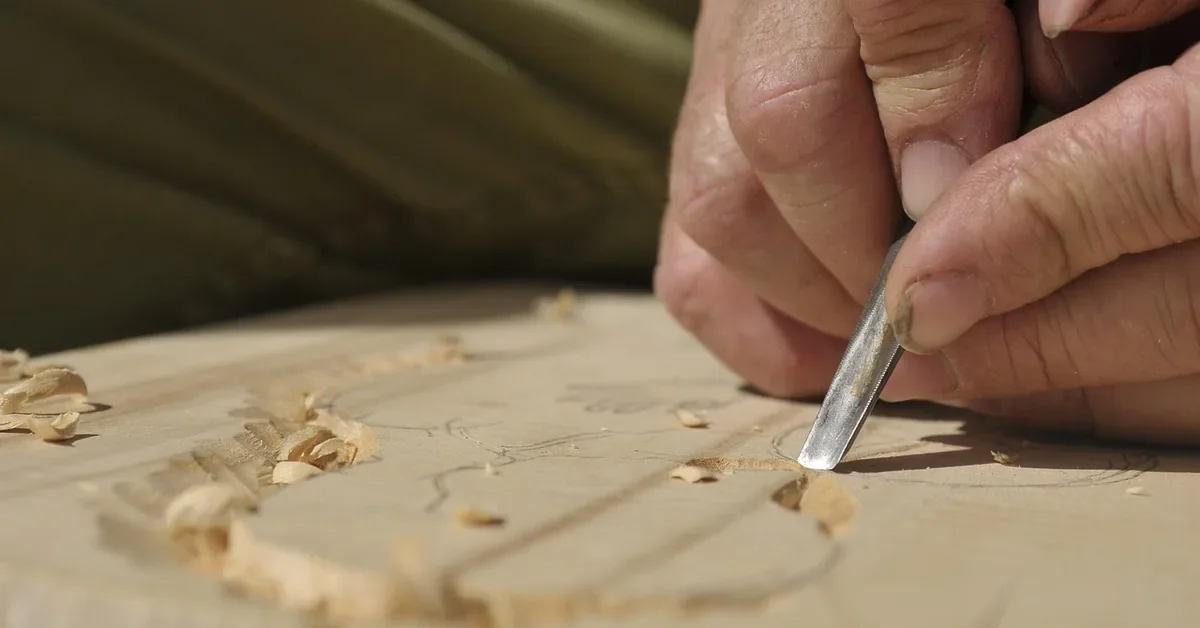
A firmer chisel is used for heavy, mallet-driven chopping: cutting rebates, half-laps, and housings, and chopping mortises in general joinery. Its square, unbeveled sides also make it good at cleaning out the flat walls of a dado or housing, since there’s no beveled edge to twist and gouge the surface. Historically, firmer chisels were the tool for whacking out wide notches in timber framing and shipbuilding, and joiners choosing between mortise and tenon tools for a staircase, door, or window frame reached for a firmer chisel before bevel-edge chisels became the default bench tool.
It sits in the middle of the family: too stout for delicate paring work a bevel-edge chisel handles better, and not thick enough to replace a true mortise chisel on deep, repeated mortising. That middle position is exactly why it fell out of everyday use as bevel-edge chisels got more versatile — more on that below.
Choosing a Firmer Chisel (or a Bevel-Edge Set Instead)
True firmer chisels are a specialty item today — most hardware stores stock bevel-edge bench chisels instead, since one bevel-edge set now covers both paring and light mallet work for most home shops. If your projects genuinely call for mallet-driven rebates, housings, and general mortising rather than fine paring, look for a set described as square-edge or firmer-pattern from a specialty toolmaker. If you’re building a general-purpose kit and don’t yet own a starter set, a beveled bench chisel set covers the widest range of everyday cuts:
Best Starter Chisel Set Pick
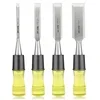 |
HURRICANE 4-Piece Wood Chisel Set – $13.39 A 25° bevel-edge set (1/4″, 1/2″, 3/4″, 1″) in CR-V steel — the everyday counterpart to the firmer chisel this guide covers, for the paring and light-mallet cuts a firmer chisel isn’t built for.
|
As an Amazon Associate we earn from qualifying purchases.
Blade Steel and Handle Types
Firmer chisel blades are typically forged from high-carbon steel, which takes a sharper edge than modern chrome-vanadium alloys and holds it well for mallet work, at the cost of needing more careful rust prevention. Some modern reproductions use chrome-vanadium or tool steel instead, trading a little edge retention for lower maintenance.
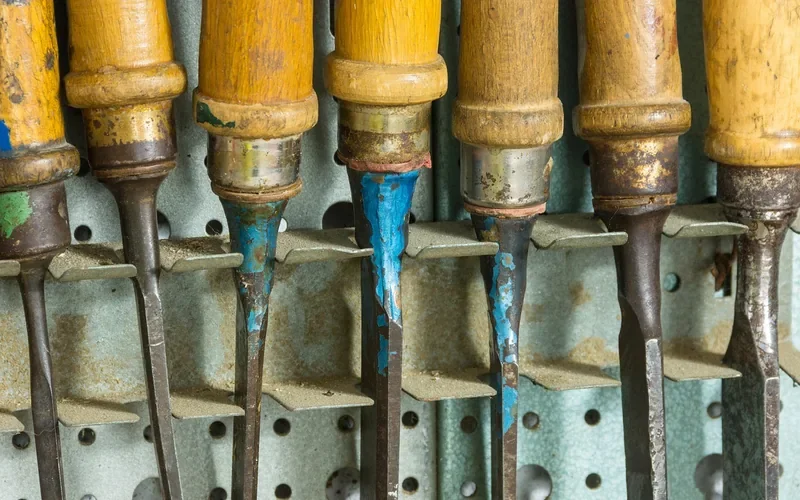
Handles come in two configurations: tang handles, where a spike from the blade is driven into a wooden or plastic handle, and socket handles, where the handle fits into a hollow socket forged onto the blade. Socket handles are the traditional choice for firmer chisels specifically, because the socket spreads out mallet impact instead of concentrating it on a thin tang — the socket is part of why an original firmer chisel survives decades of mallet strikes that would eventually split a tang handle.
Where the Name “Firmer” Comes From
The name has two competing origin stories, and honestly neither is fully settled. One traces “firmer” to the French formoir, meaning “to form” — a fitting root for a chisel used to form joints like rebates and housings. The other traces it to fermoir, meaning “clasp,” possibly referencing an early use in fitting hardware. Either way, English-speaking joiners had settled on “firmer chisel” by the time it became the standard heavy bench chisel for staircases, doors, and window frames — well before bevel-edge chisels took over that role.
Are Firmer Chisels Still Made Today?
Yes, but they’re a specialty item rather than a hardware-store staple. A handful of toolmakers still produce true square-edge, socket-handled firmer chisels for traditional joiners and restorers, but most retail “chisel sets” sold today are bevel-edge chisels, because one bevel-edge set now handles both paring and light mallet work well enough for most shops. If you specifically need a firmer chisel’s rectangular profile for mortising or rebate work, search for “socket firmer chisel” rather than a generic “wood chisel set” — the generic search returns almost entirely bevel-edge results.
“The first time I tried paring a stopped housing with a bevel-edge bench chisel, the corner rolled under the mallet and chipped the shoulder. Switching to a square-sided firmer chisel for the same cut fixed it immediately — the flat sides ride the housing walls instead of digging in.”
Sharpening a Firmer Chisel
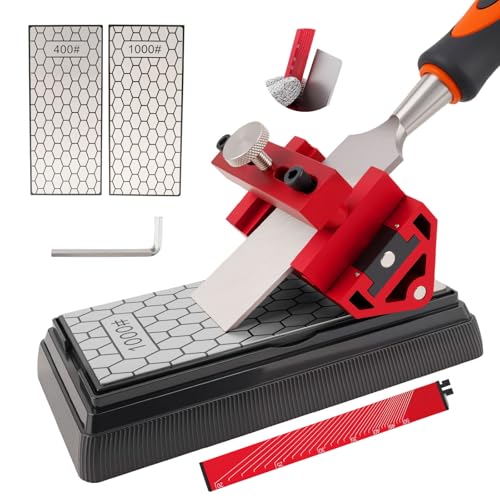
A firmer chisel sharpens the same way any bench chisel does: flatten and polish the back first, then hone the bevel on the cutting edge only — the square sides never get a bevel of their own. Coarse-grit stones (around 220-400) reshape a damaged or rounded edge; fine grits (1000 and up) polish it to a working edge. A honing guide holds the blade at a consistent angle, usually 25-30 degrees for a chisel that takes mallet strikes, which matters more here than on a paring chisel because a shallower edge chips faster under impact.
For the full stone progression, angle settings, and the paper test that confirms a sharp edge, see this site’s guide to sharpening wood chisels — the technique is identical for a firmer chisel’s flat back and single bevel.
Maintaining and Storing a Firmer Chisel
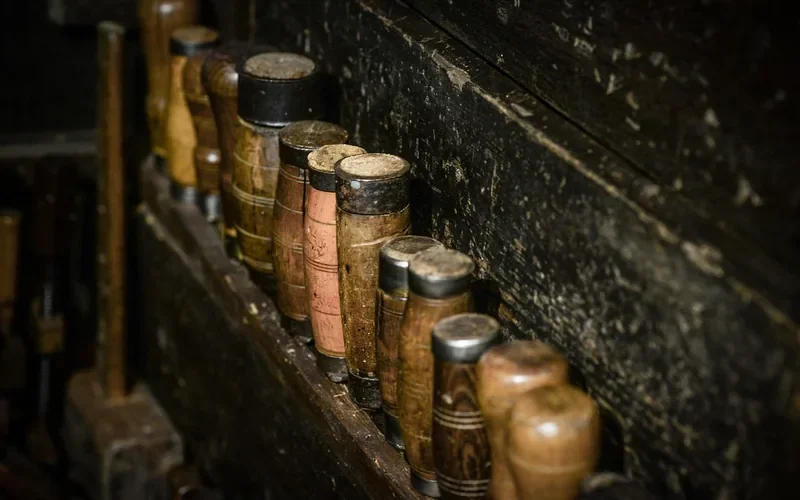
High-carbon steel firmer chisel blades rust faster than chrome-vanadium blades if left damp, so wipe the blade dry after use and apply a light coat of oil before long-term storage. Store chisels edge-protected — a blade guard, a slotted rack, or a roll — rather than loose in a drawer where the edges knock against other tools and chip.
Safety Tips
- Always cut away from your body, with both hands controlling the chisel.
- Strike a firmer chisel only with a wooden or urethane mallet — a steel hammer will mushroom the handle end and can chip it; see this site’s mallet vs. hammer comparison for why the distinction actually matters for chisel work.
- Keep the workpiece clamped so it can’t shift mid-cut.
- Wear safety glasses — chips fly further than expected on hardwood.
- Store the chisel with its edge guarded whenever it’s not in your hand.
Common Mistakes to Avoid
The most common mistake is reaching for a firmer chisel on delicate paring work it was never built for — the thick, square profile that makes it strong under a mallet also makes it clumsy for fine dovetail cleanup, where a bevel-edge chisel’s angled sides let it get into the corner. The second is over-sharpening: repeatedly regrinding a firmer chisel’s edge past what’s needed removes steel and shortens the tool’s life for no real gain in sharpness. One or two passes on a fine stone, checked with a paper test, is usually enough to bring an edge back.
Frequently Asked Questions
What is a firmer chisel used for?
A firmer chisel is used for mallet-driven chopping of rebates, half-laps, housings, and general joinery mortises. Its rectangular, unbeveled blade resists twisting under mallet impact, which makes it better suited to heavier work than a bevel-edge bench chisel.
How is a firmer chisel different from a bevel-edge chisel?
A firmer chisel has a fully rectangular blade with no side bevels, while a bevel-edge chisel has angled bevels running along both sides. The bevels let a bevel-edge chisel get into tight corners and dovetails; the square sides let a firmer chisel take mallet blows without twisting.
What does “firmer” mean in firmer chisel?
The origin isn’t fully settled. Most sources trace it to the French “formoir” (to form); others trace it to “fermoir” (clasp). Either way, “firmer chisel” was the established English term for this square-sided, mallet-driven bench chisel long before bevel-edge chisels became the default.
Are firmer chisels still made today?
Yes, but only as a specialty item from a handful of toolmakers. Most chisel sets sold today are bevel-edge chisels, since one bevel-edge set now covers both paring and light mallet work for most home shops.
What’s the difference between a firmer chisel and a mortise chisel?
A mortise chisel has a thicker, deeper blade built to repeatedly lever waste out of a deep mortise under heavy mallet blows. A firmer chisel is thinner than that, making it better for shallower rebates and housings but less suited to deep, repeated mortising.
Conclusion
A firmer chisel earns its place between a bevel-edge bench chisel and a dedicated mortise chisel — its rectangular, unbeveled blade takes mallet strikes without twisting, which makes it the right tool for rebates, housings, and general mortising rather than fine paring. Most home shops today reach for a bevel-edge set instead, and that’s a reasonable trade-off for lighter work — but for anyone chopping real joinery by hand, understanding what a firmer chisel does differently is worth the five minutes it takes to read this page.
Sponsored / affiliate links. As an Amazon Associate I earn from qualifying purchases. I may earn additional commission from eligible campaigns.