What Does TPI Mean on Sawzall Blades: Low vs. High Teeth Per Inch
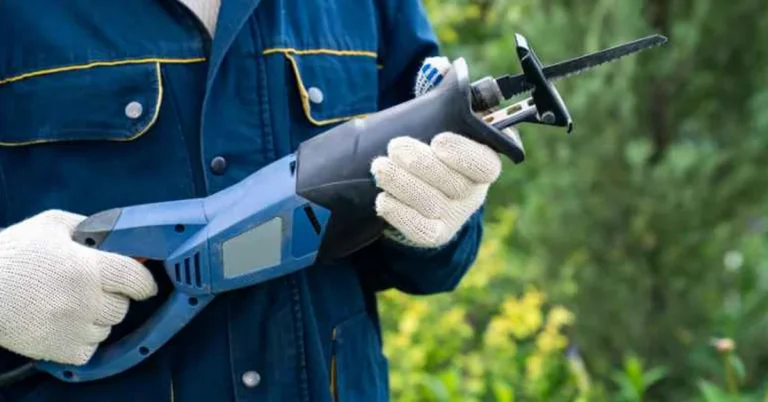
TPI stands for teeth per inch — the number of cutting teeth counted along one inch of a reciprocating saw (Sawzall) blade. It’s the single most important spec on the blade, because it decides whether the blade rips through material fast and rough or cuts slow and clean. A demolition blade built for gutting nail-filled studs might carry just 3 teeth per inch, while a blade meant for slicing thin electrical conduit can carry 24 or more. Get the TPI wrong for the material you’re cutting and you’ll either strip teeth off the blade almost immediately or spend twice as long fighting through a cut that should have been quick.
What Does TPI Actually Mean on a Sawzall Blade?
Best Multi-TPI Blade Set
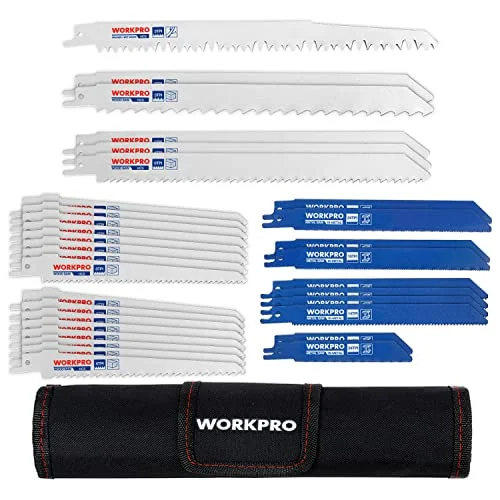 |
WORKPRO 32-Piece Reciprocating Saw Blade Set – $24.99 Covers the whole TPI range discussed above in one case — 3 TPI demo blades up to 24 TPI thin-metal blades — so you’re not buying single blades one at a time as a job’s material changes.
|
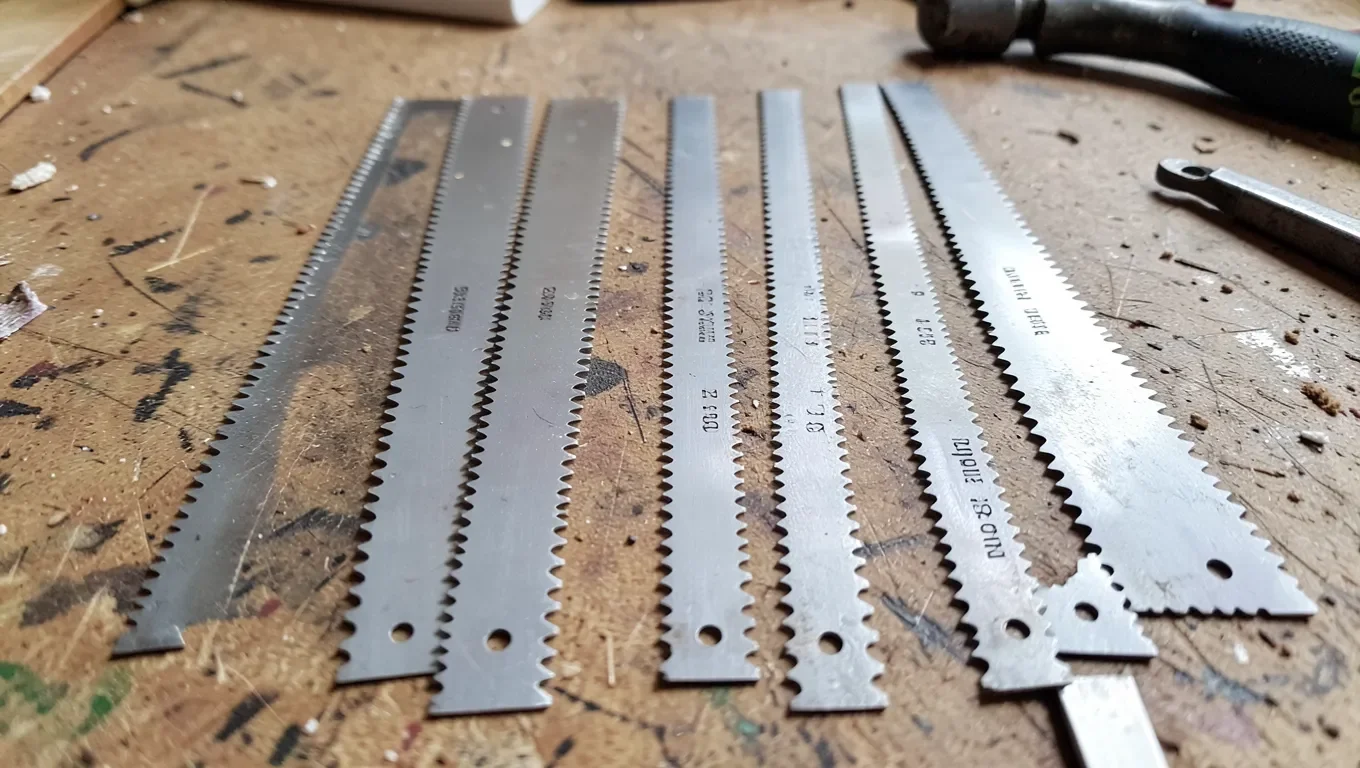
Count the teeth along any one-inch stretch of the blade’s cutting edge and that number is the TPI stamped on the packaging — manufacturers print it right on the blade shank (for example “6 TPI” or “18 TPI”) so you can tell blades apart at a glance in a toolbox. Fewer, larger teeth (low TPI) each remove a bigger bite of material per stroke, which is what makes low-TPI blades fast but leaves a rougher edge. More, smaller teeth (high TPI) each take a tinier bite, which is slower but leaves a cleaner, smoother cut line. It’s the same tradeoff you’d see comparing a coarse rasp to a fine file — more material removed per pass versus a cleaner finish.
There’s a rule of thumb blade manufacturers build around: at least 3 teeth should be touching the material at any given moment during the cut. Too few teeth in contact (TPI too low for a thin workpiece) and the blade can snag, skip, or strip individual teeth off the blade because each tooth is taking too aggressive a bite for the material’s thickness. That’s why thin sheet metal needs a high-TPI blade even though the metal itself isn’t especially hard to cut — it’s a thickness problem, not a hardness problem.
TPI Ranges by Material
Reciprocating saw blades are sold across roughly a 3 TPI to 24+ TPI spread, and each band is built for a different job:
- 3–6 TPI (coarse/demolition): the fastest, most aggressive cut. Used for framing lumber, wet or green wood, tree limbs, and general demolition where speed matters more than a clean edge and you’re not fighting embedded nails.
- 6–10 TPI (general wood): the everyday wood-cutting range — softwood framing, plywood, fence posts. A step cleaner than a pure demo blade without sacrificing much speed.
- 8–11 TPI (nail-embedded wood): bi-metal blades in this range are built specifically to survive hitting nails and screws buried in old lumber — remodeling and demo work where you can’t guarantee the wood is fastener-free.
- 14–18 TPI (general metal): pipe, angle iron, rebar, and thicker metal stock. Enough teeth in contact to avoid stripping on moderate-thickness metal.
- 18–24+ TPI (thin metal): sheet metal, conduit, EMT, and thin-wall tubing. The high tooth count keeps at least 3 teeth on the material even though the stock itself is thin, which is what prevents the blade from snagging or shearing a tooth off.
Hardwoods (oak, maple, hickory) generally cut better with a slightly higher TPI than softwoods of the same thickness — the denser grain tends to chip or tear at very low TPI, so nudging up toward the 8–10 TPI range instead of 3–6 TPI often gives a cleaner edge without giving up much speed.
How TPI Affects Cutting Speed and Finish
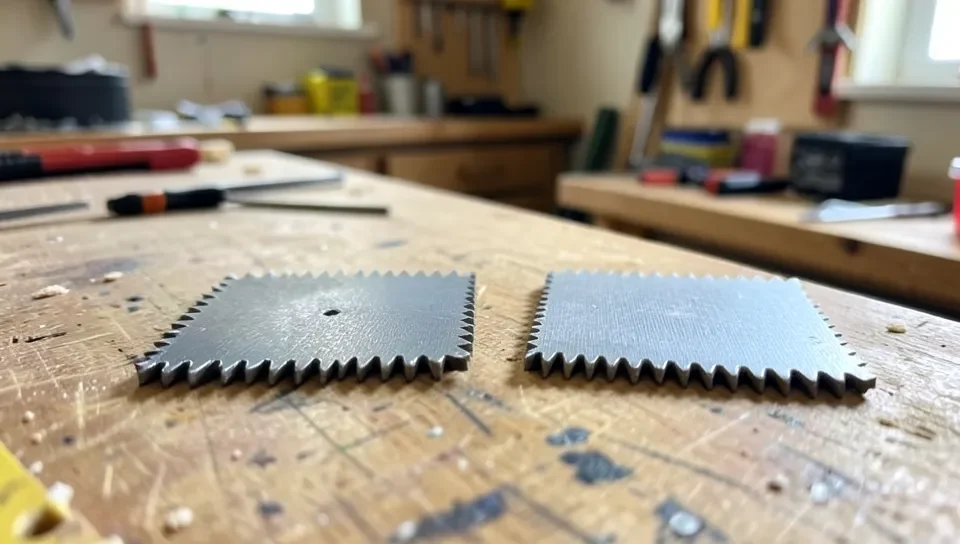
Speed and finish quality move in opposite directions as TPI changes, and that tradeoff is really about how much material each tooth removes per stroke, not about the blade being sharper or duller. A 3 TPI demolition blade takes huge bites and clears material fast, but each bite leaves a visibly rougher, more torn edge — fine for framing lumber that’s getting covered by drywall, not great for anything that needs to look finished. An 18 TPI metal blade takes tiny bites, moves through the cut much more slowly, but leaves a clean, almost polished edge with minimal burring.
Blade length is a separate spec from TPI and matters just as much for the actual job: Sawzall blades commonly run from 4 inches (tight, precise cuts) up to 12 inches (reaching through thick stock or into a wall cavity). Bone is a special case worth flagging separately — it needs a noticeably lower TPI than either standard wood or metal blades, which is why butchering/processing during hunting season calls for its own blade choice; see our reciprocating saw blades for deer bone cutting comparison for specific picks in that category.
Choosing the Right TPI for Your Job
Two questions decide the TPI you need: what’s the material, and how thick is it? Material tells you the rough band (wood vs. metal), and thickness fine-tunes it within that band because of the 3-teeth-in-contact rule above. A 2×4 stud and a sheet of 1/8-inch aluminum flashing don’t just need different TPI because one is wood and one is metal — even two pieces of the same material at different thicknesses can call for different TPI. Thick material can tolerate (and cuts faster with) a lower TPI; thin material needs a higher TPI so enough teeth stay engaged to avoid snagging.
A practical way to stay covered on mixed jobs — renovation work that might hit wood, old nails, and the odd metal pipe bracket in the same afternoon — is keeping a multi-TPI blade set on hand rather than buying single blades one at a time as a job demands them. That’s exactly the gap a variety pack fills, and it’s what we’ve linked to below.
Maintaining and Storing Sawzall Blades
Blade life is mostly about two things: keeping teeth clean and keeping the blade dry. Sawdust and resin buildup between teeth dulls the cutting edge faster than actual use does, so a quick brush-off with a stiff wire brush after each session keeps the teeth cutting efficiently longer. For metal-cutting blades specifically, a light coat of machine oil wiped along the blade before storage prevents surface rust from forming between uses — bi-metal and carbide-tipped blades are more rust-resistant than plain high-carbon steel, but none of them are rust-proof.
Store blades flat or hanging in a dedicated case rather than loose in a toolbox drawer — loose blades knocking against other metal tools chip teeth and dull edges even when the saw itself isn’t being used. A damaged tooth doesn’t just cut worse; it also throws off the blade’s balance mid-stroke, which is its own minor safety issue.
Safety Tips When Changing and Using Blades
Always unplug a corded saw or pull the battery on a cordless one before swapping blades — reciprocating saw blade clamps are quick-release by design, and an accidental trigger pull while your fingers are near the shoe is a real risk, not a theoretical one. Wear safety glasses any time the saw is running; a snapped tooth or blade fragment on a low-TPI demolition cut can travel further than you’d expect.
Gloves and hearing protection are worth it for extended cutting sessions, and a dust mask matters more than people expect when cutting old lumber, drywall, or masonry-adjacent material where the dust itself (not just the noise) is the real long-term hazard. Inspect the blade before each use — a bent or cracked blade should be retired, not pushed through one more cut.
Frequently Asked Questions
What does TPI mean on Sawzall blades?
TPI stands for teeth per inch — the number of cutting teeth counted along one inch of the blade. Lower TPI (3–8) means fewer, larger teeth for fast, rough cuts. Higher TPI (14–24+) means more, smaller teeth for slower, cleaner cuts.
What TPI is best for cutting wood?
For general wood cutting, 6–10 TPI works well. Demolition and framing lumber can go as low as 3–6 TPI for maximum speed, while wood that might have embedded nails is safer with an 8–11 TPI bi-metal blade built to survive hitting metal.
What TPI is best for cutting metal?
For general metal like pipe or angle iron, 14–18 TPI is the typical range. Thin metal — sheet metal, conduit, EMT — needs 18–24+ TPI so at least 3 teeth stay in contact with the material at all times, which prevents the blade from snagging or stripping teeth.
Why does thin material need a higher TPI than thick material?
Blade manufacturers build around the rule that at least 3 teeth should be touching the material during a cut. On thin stock, a low-TPI blade with large, widely-spaced teeth may only have one tooth engaged at a time, which causes snagging and can strip a tooth off the blade. A higher TPI keeps more teeth engaged even on thin material.
Bottom Line
TPI is the spec that decides whether a Sawzall blade favors speed or a clean edge, and matching it to both your material and its thickness — not just “wood” or “metal” in the abstract — is what keeps a blade cutting efficiently instead of snagging or stripping teeth. Keep a couple of TPI ranges on hand rather than one all-purpose blade, and you’ll spend a lot less time swapping blades mid-project.
Sponsored / affiliate links. As an Amazon Associate I earn from qualifying purchases. I may earn additional commission from eligible campaigns.
 25 Pack 6 Inch 6/12 TPI Reciprocating Saw Blades for Nail-Embedded Wood Cutting, Bi-Metal Reciprocating Saw Blade for Cutting Wood with Stud and Nail, Bi-Metal Blades for Reciprocating Sawzall
 25 Pack 6 in 14/18 TPI Reciprocating Saw Blades for Sawzall Blades,M42 Steel Cobalt Bi-Metal Blades for Automobile Dismantling Metal Cutting,Replace for Milwaukee for Dewalt for Diablo Blade