What Goes under Hardwood Flooring: Essential Layers for Durability
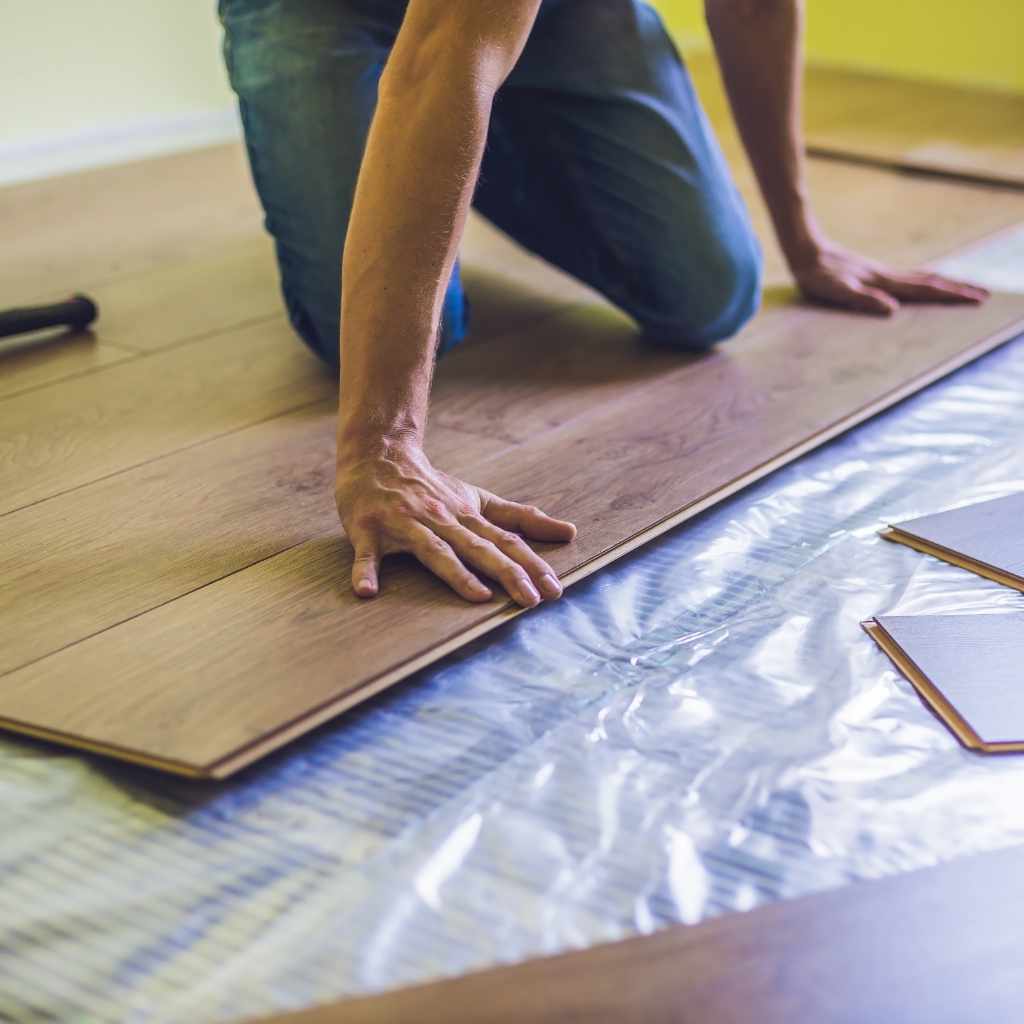
What goes under hardwood flooring? A few important layers. They help keep the floor strong and dry. Also, they stop noise and keep the house warm. Simple things, but very helpful.
Biography
This table summarizes the essential layers and materials that go underneath hardwood flooring, their functions, and considerations for choosing the proper underlayment.
| Layer | Description | Common Materials | Purpose / Function |
|---|---|---|---|
| Subfloor | The structural layer directly attached to floor joists. It must be flat, dry, and structurally sound to provide a solid base. | Plywood, Oriented Strand Board (OSB) | Provides a stable and sturdy foundation for the hardwood flooring. Ensures proper thickness and flatness for installation. |
| Underlayment | A thin, protective padding layer installed above the subfloor and beneath the hardwood. Sometimes optional but highly recommended. | Foam, Felt/Fiber, Cork, Rubber, Vapor barriers (plastic film) | Moisture protection, noise reduction, cushioning for comfort, and smoothing minor subfloor imperfections. Acts as a vapor barrier in humid or concrete slab installations to prevent warping. Helps with sound absorption and thermal insulation. |
| Consideration | Recommended Materials | Benefits |
|---|---|---|
| Moisture Protection | Vapor barrier (plastic film), Moisture-resistant foam, Rubber, Felt | Prevents hardwood floor warping and buckling, especially over concrete slabs or humid areas. |
| Comfort and Sound Insulation | Foam, Rubber, Cork, Felt | Absorbs sound to reduce hollow noises. Adds cushioning for walking comfort. Cork also provides temperature insulation. |
| Stability and Support | Cork, Denser foam, Felt | Provides a firmer surface to prevent excessive flexing of hardwood planks over time. Felt offers moisture resistance with moderate cushioning. |
- Always ensure the subfloor is clean, dry, flat, and structurally sound before installation.
- Felt underlayment is a traditional choice favored for nail-down hardwood installations due to breathability and sound dampening.
- Rubber underlayment is excellent for sound and moisture resistance but should not be used under vinyl flooring due to staining.
- Cork underlayment is praised for stability, sound absorption, and thermal insulation.
- Vapor barriers are essential when installing hardwood over concrete slabs or in humid environments.
- Using an underlayment helps prolong the life of the hardwood floor and improves comfort and noise control.
Early Life
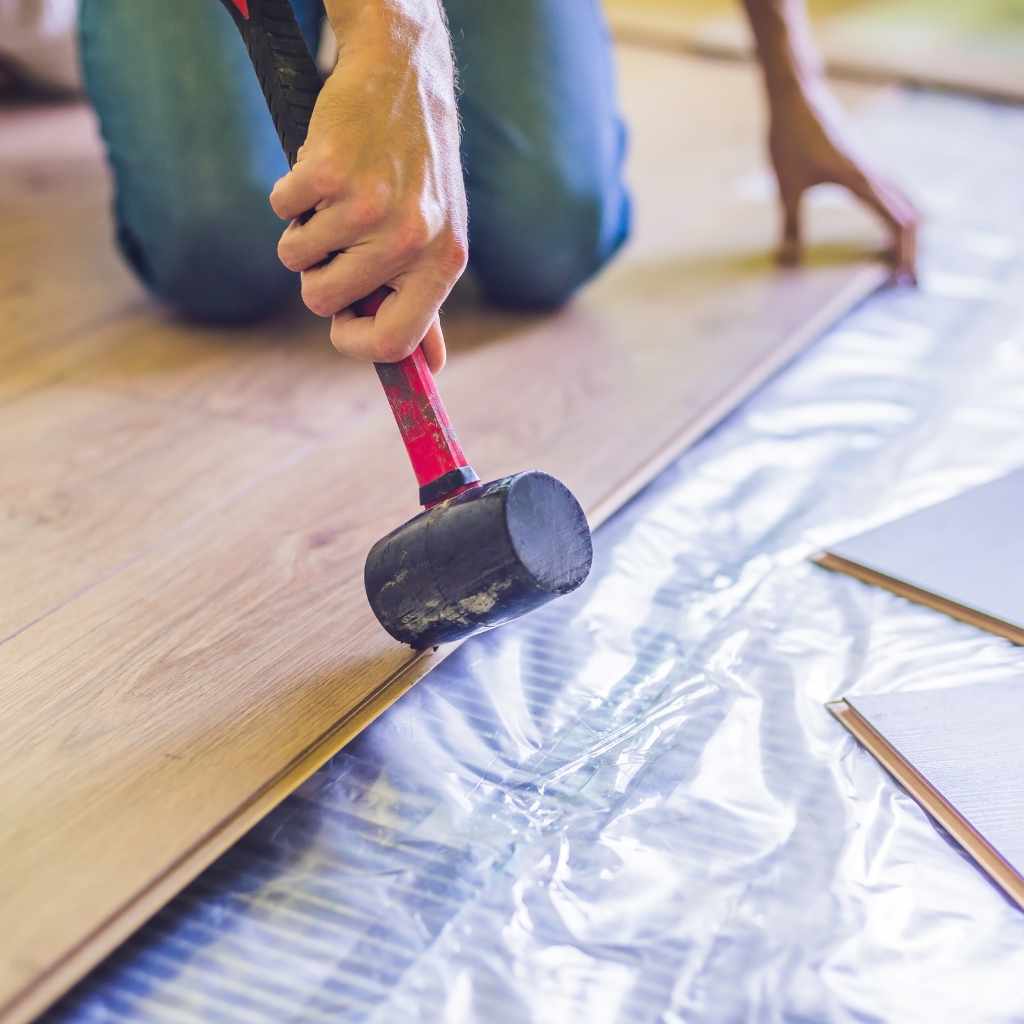
Hardwood flooring starts with important layers beneath it. First, there is the subfloor. This is a strong base made from plywood or OSB. It holds up the hardwood and must be flat and thick enough to keep the floor steady. On top of the subfloor, there is often an underlayment. This thin layer helps in many ways. It can stop moisture from coming up, reduce noise, and make walking more comfortable. People use materials like foam, cork, or felt for underlayment. These layers work together to protect the hardwood and make it last longer. So, under your beautiful hardwood floor, there is a strong subfloor and a helpful underlayment.
Family
| Family Member | Name | Description |
|---|---|---|
| Parent | Subfloor | The subfloor is the base of the floor. It holds everything up. Usually made from plywood or OSB boards. It must be strong and flat. |
| Parent | Underlayment | Underlayment is a thin layer between the subfloor and hardwood. It can be foam, felt, cork, or rubber. It protects from moisture and makes the floor quieter. |
| Sibling | Foam Underlayment | Foam is soft and light. It helps with sound and small bumps in the subfloor. It is easy to install and often used under hardwood floors. |
| Sibling | Felt Underlayment | Felt is made from recycled fibers. It is traditional and good at reducing noise and moisture. Many experts prefer it for nail-down hardwood floors. |
| Sibling | Cork Underlayment | Cork is natural and eco-friendly. It is great for soundproofing and comfort. Cork also helps with moisture but is a bit more expensive. |
| Sibling | Rubber Underlayment | Rubber is durable and blocks sound well. It also protects from moisture. Rubber underlayment is thicker and heavier than foam or felt. |
Height, Weight, And Other Body Measurements
| Layer | Material | Purpose / Function | Benefits | Recommended Use / Notes |
|---|---|---|---|---|
| Subfloor | Plywood or Oriented Strand Board (OSB) |
|
|
|
| Underlayment | Foam, Felt/Fiber, Cork, Rubber, Vapor Barrier (plastic film) |
|
|
|
Choosing Underlayment For Hardwood Flooring
| Purpose | Recommended Underlayment Material | Notes |
|---|---|---|
| Moisture Protection | Vapor Barrier (Thin Plastic Film), Moisture-Resistant Foam, Felt, Rubber | Essential over concrete slabs or humid environments to prevent warping and buckling |
| Sound Reduction & Comfort | Foam, Rubber, Cork, Felt | Foam and rubber absorb sound well; cork adds temperature insulation; felt offers basic sound absorption |
| Stability & Support | Cork, Denser Foam, Felt | Denser materials prevent hardwood flexing; felt provides moisture resistance with moderate firmness |
Additional Design Principle: The Rule Of Three In Flooring
| Design Principle | Description | Application to Flooring |
|---|---|---|
| Limit your choices | Use no more than three types of flooring materials throughout the home | Creates a cohesive, balanced, and spacious visual effect |
| Consider room function | Assign flooring types based on room usage |
|
| Ensure smooth transitions | Make floor transitions natural and intentional, avoiding jarring changes | Improves home resale value and aesthetic appeal |
Wife/husband / Girlfriend/boyfriend
“What Goes Under Hardwood Flooring” is not a person, but rather a topic related to home flooring. So, it does not have a wife, husband, girlfriend, or boyfriend.
This topic discusses the layers that come under hardwood floors, such as the subfloor and underlayment. The subfloor is usually plywood or oriented strand board (OSB), which supports the hardwood planks. The underlayment is a thin layer that helps with moisture protection, noise reduction, and comfort.
Since “What Goes Under Hardwood Flooring” is a concept, it does not have personal relationships like a human would. There are no current or previous partners.
There is no relationship data available because this is a subject, not a person.
| Partner Type | Name | Marriage Date | Additional Info |
|---|---|---|---|
| No relationship data available | |||
To sum up, “What Goes Under Hardwood Flooring” is a topic about construction and home improvement. It does not have a personal life or relationships. Instead, it helps homeowners understand what materials and layers are needed under hardwood floors for a strong and lasting floor.
Career, Achievements And Controversies
“What Goes Under Hardwood Flooring” is not a person, but a topic important in the flooring industry.
It became well known because many people want to know how to properly install hardwood floors.
Proper installation includes knowing what layers go under the hardwood floor to make it last longer and work well.
The “career” here means the use and study of the materials placed under hardwood flooring.
These layers include the subfloor and the underlayment.
- Subfloor: This is the strong base layer made of plywood or OSB. It is fixed to the floor frame and must be flat and thick enough.
- Underlayment: A thin padding layer placed above the subfloor but below the hardwood. It helps protect against moisture, reduce noise, and make the floor more comfortable.
Many guides and videos from companies like Lowe’s and flooring experts show how to prepare these layers before putting hardwood floors on top. These resources are popular for people doing home projects or working in flooring.
Since “What Goes Under Hardwood Flooring” is a subject, not a person or company, it has no awards.
However, the knowledge around these layers is often shared by professionals and associations in the flooring and construction industries.
The National Wood Flooring Association (NWFA) and other groups recognize good practices in flooring installation, including proper use of subfloors and underlayments.
There are some debates and issues around what type of underlayment to use and how to install it.
Some people argue about which materials are best for moisture protection or sound reduction.
Others discuss the cost and difficulty of installing the right layers.
On forums like Reddit and industry sites, some flooring experts talk about problems like hardwood floors warping or making noise if the underlayment or subfloor is not done correctly.
These problems show how important it is to know what goes under hardwood flooring.
Also, some mention that real hardwood floors are sometimes seen as expensive and hard to keep, but they are still popular because of their beauty and durability.
In short, “What Goes Under Hardwood Flooring” refers to the important layers that support hardwood floors.
These layers keep the floor strong, dry, and quiet.
Knowing about them helps people install floors that last many years.
While there are no awards or fame for this topic, it is well respected in the flooring and building world.
Some disagreements exist about the best materials, but overall, the right underlayers make hardwood floors better.
FAQ
1. What Is The First Layer Under Hardwood Flooring?
The first layer is usually a subfloor. It is a strong, flat surface. It holds the hardwood floor in place.
2. Do I Need Underlayment Under Hardwood Floors?
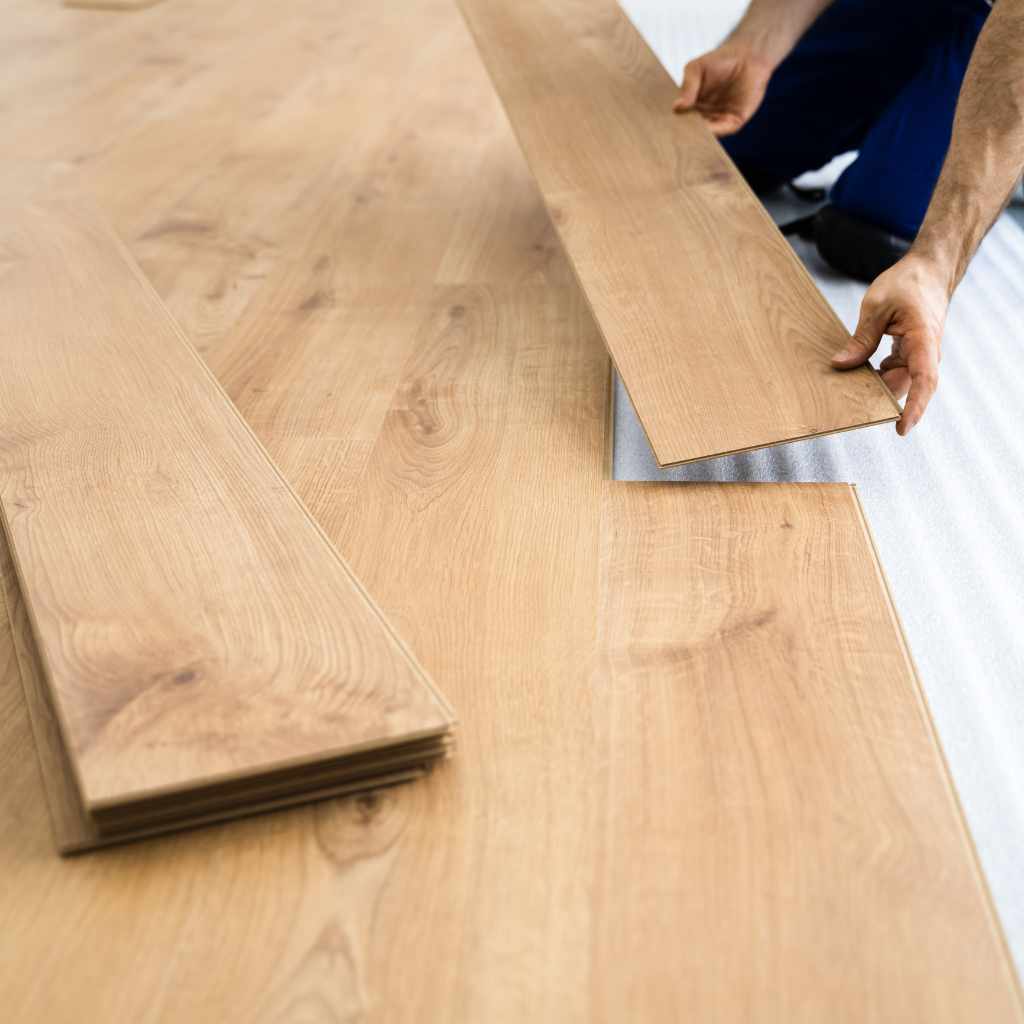
Yes, many times you do. Underlayment is a thin layer between the hardwood and the subfloor. It helps with noise and moisture.
3. What Materials Are Used For Underlayment?
Common materials are foam, cork, or felt. They make the floor softer and stop sounds from echoing.
4. Can I Put Hardwood Flooring Directly On Concrete?
No, not directly. You need a moisture barrier first. This stops water from damaging the wood.
5. Why Is A Moisture Barrier Important?
Wood can get damaged by water. A moisture barrier protects the floor and helps it last longer.
6. Does Underlayment Help With Cold Floors?
Yes, some underlayments can keep the floor warmer. They add a small layer of insulation.
7. Can I Skip Underlayment To Save Money?
It is not a good idea. Underlayment protects your floor and makes it more comfortable. Skipping it may cause problems later.