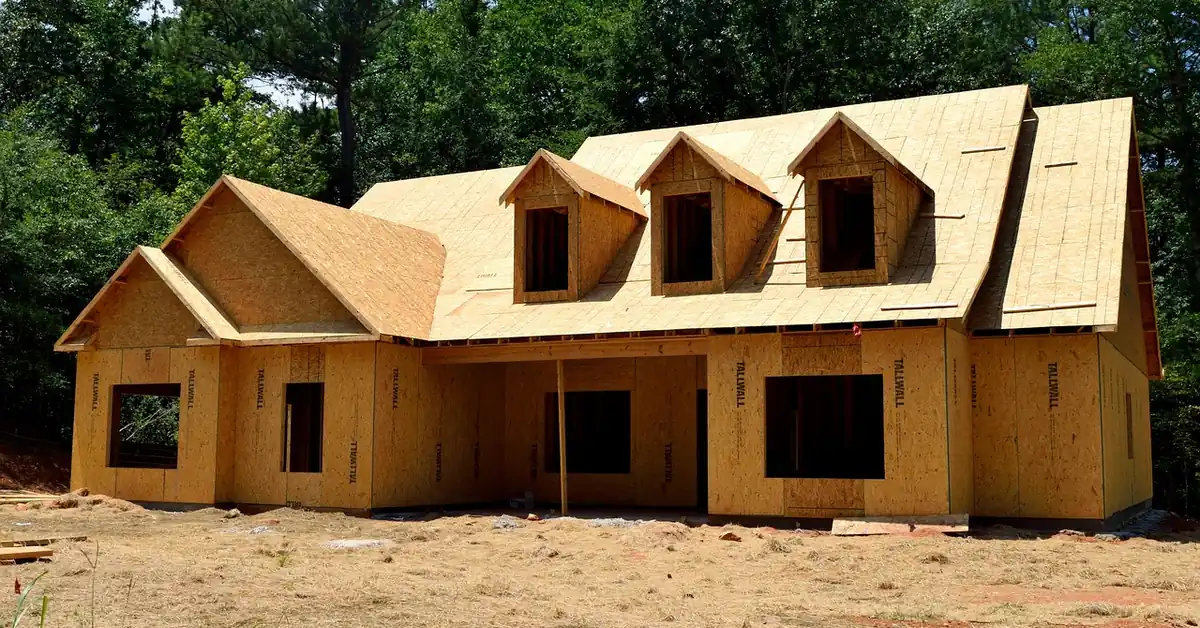
Waferboard vs OSB: Is Waferboard Still Made in 2026?
Waferboard is the random-flake wood panel that OSB (Oriented Strand Board) replaced decades ago – true structural-grade waferboard is now nearly impossible to find at a standard lumber yard. Substituting one for the other can fail inspection, since waferboard’s un-oriented flakes swell and delaminate faster than OSB’s cross-layered strands. This guide covers what actually separates the two panels, whether waferboard is still sold anywhere, and which one your project needs.
What Is Waferboard?
Best OSB & Subfloor Screw Pick
Grip-Rite PrimeGuard Plus Star-Drive Screws – $10.98
A self-starting, T-25 star-drive screw sized right for fastening OSB or plywood sheathing to studs and joists – the coarse thread and corrosion coating covered in the comparison table above matter most once panels are exposed to any moisture.
- Best for: Fastening OSB or plywood sheathing without pre-drilling
- Why we picked it: Corrosion-resistant coating suits the damp job sites where waferboard used to fail
- Main drawback: 1 lb box is small for a full subfloor – buy the 5 lb option below for bigger jobs
Compare more sheathing screw options
 Option 1 Grip-Rite PTN2S5 Deck Screws (5 lb) – $29.97
|
 Option 2 Deck Plus Wood Screws, #8 x 2in (5 lb) – $29.98
|
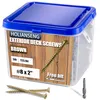 Option 3 Torx Star-Drive Deck Screws, 620-Pc – $24.99
|
As an Amazon Associate we earn from qualifying purchases.
Waferboard is an engineered wood panel made from wood wafers or flakes bonded with resin under heat and pressure, with the flakes laid down in random, unoriented directions. It was one of the first non-veneer structural wood panels developed in North America, dating back to the 1950s and 1960s. Because its flakes aren’t cross-layered the way OSB’s strands are, waferboard is weaker and more moisture-sensitive than the panel that eventually replaced it – which is why it’s now mostly limited to non-structural uses like packaging, temporary bracing, and hobby projects.
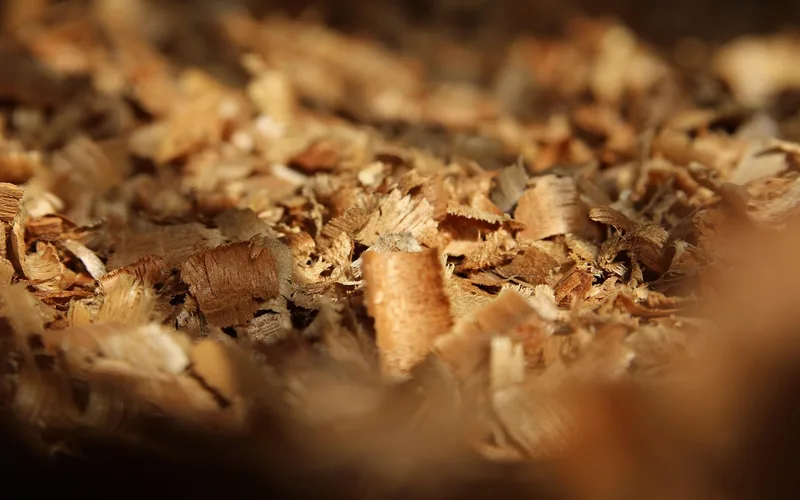
Waferboard is cheaper than plywood when you can find it, and it’s lightweight and easy to cut with standard tools. That made it popular decades ago for subflooring, wall sheathing, sheds, and furniture backing – roles that OSB has since taken over almost entirely.
What Is OSB (Oriented Strand Board)?
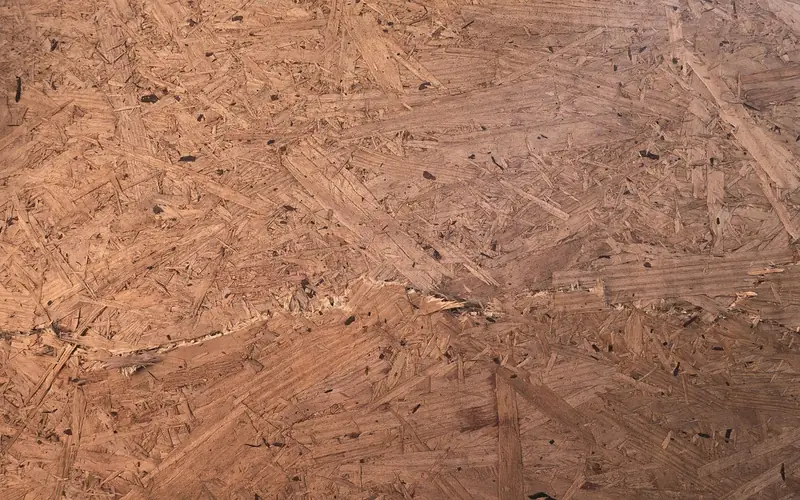
OSB stands for Oriented Strand Board. It’s made from long, thin wood strands bonded with resin and pressed into cross-oriented layers – a structure similar to the alternating grain pattern in plywood veneers. That layered, directional arrangement is what gives OSB more consistent strength and better moisture resistance than waferboard’s randomly placed flakes.
OSB is used in walls, roofs, and floors throughout residential construction. It holds weight well, it’s cheaper than plywood in most markets, and according to APA – The Engineered Wood Association, OSB panels are graded and span-rated under the same performance standards used for structural plywood sheathing. See APA’s OSB standards for the full span-rating tables.
Waferboard vs OSB: Strength, Moisture, Cost, and Availability
Side by side, the gap between the two panels comes down to that internal strand structure. Here’s how they actually compare on the factors that matter for a real project:
| Factor | Waferboard | OSB |
|---|---|---|
| Flake/strand layout | Random, no cross-layering | Oriented, layered in alternating directions |
| Bending/shear strength | Lower, more variable | Higher, more consistent |
| Moisture resistance | Swells and delaminates quickly | Better, though still not waterproof |
| Available today (2026) | Rare – mostly discontinued for structural use | Standard stock at nearly every lumber yard |
| Typical use | Packaging, temporary bracing, hobby crafts | Wall/roof/floor sheathing, subflooring |
📊 OSB’s share of North American structural wood panel production climbed from about 55% in 2012 to roughly 71% by 2022 – Source: Fastmarkets industry analysis
Is Waferboard the Same Thing as OSB?
No – waferboard and OSB are related but not identical. Both are engineered wood panels made from compressed wood flakes bonded with resin, and OSB is often described as waferboard’s technical successor. The difference is internal structure: waferboard’s flakes are laid randomly, while OSB’s strands are oriented and layered in alternating directions like plywood veneers. That extra engineering is what makes OSB stronger and more moisture-resistant, and it’s why OSB replaced waferboard in nearly every structural application by the 1990s. Some older building codes and product listings still use the two terms loosely, which is where the confusion comes from – but structurally, they aren’t the same panel.
“In older homes we’ve worked on, any leftover waferboard sheathing is usually the first thing to go during a remodel – it’s noticeably softer at the edges and more moisture-damaged than the OSB going back up in its place.”
Is Waferboard Still Made and Sold Today?
Structural-grade waferboard is genuinely hard to find now. Major manufacturers phased it out decades ago in favor of OSB, and most big-box retailers and lumber yards no longer stock it as a mainstream building product. A handful of specialty or regional mills may still produce small runs, usually sold as scrap-grade or hobby-grade panels rather than a certified structural product – which is also where hobbyists and crafters occasionally still find waferboard for shop jigs, templates, or non-structural projects.
For any load-bearing use – subflooring, wall sheathing, roof decking – OSB is what you’ll actually be buying today, whatever the sign at the lumber yard says. If you want to check current sheet prices before you shop, our OSB and plywood price breakdown covers common thicknesses.
Don’t Confuse These Terms: Beaverboard and Electronic “Wafer Boards”
A few similar-sounding terms trip people up when researching waferboard and OSB:
- Beaverboard is a much older material – a low-density fiberboard made from shredded wood pulp, popular for interior wall paneling in the early-to-mid 1900s. It predates both waferboard and OSB and was never used as structural sheathing.
- “Wafer board” in electronics has nothing to do with wood. It’s a term some hobbyists use for a solderless breadboard or bare circuit-board substrate used in prototyping. If you landed here searching for that, you’re after an electronics component, not a building material.
- Particle board is a fourth, unrelated engineered panel – lower density than either waferboard or OSB, and mainly used in furniture and cabinetry rather than framing. See our guide on fastening into particle board if that’s what you’re actually working with.
- MDF (medium-density fiberboard) is smoother and denser than any of the above, but still not a structural sheathing panel – our MDF vs OSB comparison breaks down when each one actually makes sense.
Which Should You Use for Your Project?
For anything structural – subfloors, wall sheathing, roof decking – use OSB. It’s stronger, more consistent, more moisture-resistant, and it’s what’s actually stocked at nearly every lumber yard in 2026. Waferboard’s random flake layout made it fine for light, non-structural work decades ago, but it isn’t a realistic substitute for OSB on anything load-bearing today.
If moisture exposure is a real concern for your project – a shed floor, an outdoor structure, a damp crawlspace – read our breakdown of what actually happens when OSB gets wet before you buy. And if plywood is also on your shortlist, our CDX plywood vs OSB comparison covers that trade-off directly. For general moisture questions across engineered panels, see is moisture-resistant MDF worth it.
Both panels belong to the same family of engineered sheet goods we cover throughout our plywood and sheet-goods guides, so if you’re still narrowing down a material, that’s a good place to keep comparing.
Frequently Asked Questions
Can waferboard be used outdoors or in wet areas?
No, not reliably. Waferboard’s random flake structure absorbs water quickly and the panel can swell, soften, or delaminate once exposed to rain or standing moisture. OSB handles occasional wetting better, though neither panel is truly waterproof without additional sealing or flashing.
What is another name for waferboard?
Waferboard is sometimes called flakeboard, and it’s occasionally referred to loosely as OSB even though the two aren’t structurally identical. In Canada, an early trade name for a similar random-flake panel was Aspenite.
What is wafer board used for today?
Where it’s still available, waferboard is mainly used for non-structural jobs: packaging, temporary bracing, shop jigs and templates, and light craft or hobby projects. It’s not recommended for subfloors, wall sheathing, or anything load-bearing.
Is OSB more expensive than waferboard?
OSB is usually priced close to or slightly above what waferboard cost when it was widely available, but waferboard is now rare enough that a direct price comparison rarely matters in practice. Compare current OSB sheet prices against plywood instead, since that’s the real choice most buyers face today.
How long does OSB sheathing last compared to waferboard?
OSB typically holds up for the life of a structure when kept dry and properly flashed, while older waferboard installations are more prone to sagging, swelling, and edge damage over the same timeframe. That durability gap is the main reason OSB became the industry standard.
Conclusion
Waferboard and OSB come from the same engineered-wood family, but OSB’s oriented, layered strands made it stronger and more moisture-resistant – which is why OSB replaced waferboard in structural construction decades ago. Outside of hobby projects and packaging, waferboard isn’t something you’ll realistically find or use in 2026.
If your project is load-bearing, buy OSB and match the thickness and span rating to the job. Check local lumber yard stock and current pricing before you commit, and when in doubt, ask the yard directly whether what’s on the shelf is actually OSB or a different panel altogether.
Sponsored / affiliate links. As an Amazon Associate I earn from qualifying purchases. I may earn additional commission from eligible campaigns.