What is a Sealed Hardwood Floor: Ultimate Guide to Protection & Shine
A sealed hardwood floor is wood covered with a clear protective layer. This layer stops water and dirt from damaging the wood. It also helps keep the floor looking nice for a long time. Easy to clean. Long-lasting. A smart choice for many homes.
Biography
| Aspect | Description / Details | Source / Reference |
|---|---|---|
| Definition | A sealed hardwood floor is a wood flooring surface that has been coated with a protective finish such as varnish, oil, water, or solvent-based sealants. This coating fills the pores of the wood with polymer molecules, creating a smooth, protective barrier that repels water, dirt, and debris. |
Shark Cleaning Hacks, CountyOffice.org |
| Purpose of Sealing | Sealing hardwood floors protects the wood from moisture damage, dirt infiltration, scratches, and stains, thereby extending the floor’s lifespan and maintaining its appearance. | SafeGroup Blog, BISSELL |
| How to Identify if Floor is Sealed | A simple DIY test involves dropping a small amount of water on an inconspicuous area of the floor. If the water beads up on the surface, the floor is sealed. If the water is absorbed, it is unsealed. | Reddit – r/HardWoodFloors, Perma Chink Systems |
| Sealed vs Unsealed Floors | Sealed floors have a protective finish and do not require waxing; unsealed floors absorb moisture and often require waxing or oiling for protection. Sealed floors are easier to clean and maintain. | Fin Wood Ltd., Quora |
| Common Sealant Types | Sealants can be oil-based, water-based, or solvent-based treatments. These penetrate or coat the wood surface to protect against water, dirt, and wear. | Wikipedia – Wood flooring, Shark Cleaning Hacks |
| Maintenance Tips | Clean sealed hardwood floors with appropriate hardwood floor cleaners. Avoid excess water. For unsealed floors, special care with waxing or polishing is needed. | BISSELL, eHow |
| Additional Notes | The term “sealed floor” often refers to on-site finished hardwood floors where each plank is individually sealed. Some older hardwood floors may not have been sealed. | Reddit – r/HardWoodFloors, Facebook – Our Old House |
Early Life
Hardwood floors have a long history. They were first made by settlers who had easy access to wood. These floors were often made from strong woods like oak, mahogany, and walnut. Over time, people learned to protect these floors by sealing them. Sealing means covering the wood with a special layer to keep water and dirt out. This makes the floors last longer and look nice. Today, many hardwood floors are sealed with a clear coat called polyurethane. This helps keep the floor clean and safe from damage. So, sealed hardwood floors started as simple wood floors and grew into strong, protected surfaces used in many homes.
Family
| Family Member | Name | Information |
|---|---|---|
| Parent 1 | Hardwood Floor | Hardwood floors are made from solid wood. They give a warm and natural look to rooms. But wood can be damaged by water or dirt. So, it needs some protection. |
| Parent 2 | Sealing | Sealing means putting a protective layer on the wood. This layer stops water, dirt, and scratches from hurting the floor. It helps the floor last longer. |
| Sibling 1 | Polyurethane Coating | This is a common finish used to seal floors. It creates a smooth, shiny surface that protects the wood well. Water stays on top and does not soak in. |
| Sibling 2 | Water-Based Seal | This type of seal is easy to clean and less smelly. It helps keep the floor safe from stains and water damage. It is good for homes with kids or pets. |
| Sibling 3 | Oil-Based Seal | This seal soaks a little into the wood and makes it look rich. It protects the floor but can take longer to dry. It needs special cleaners. |
Height, Weight, And Other Body Measurements
| Aspect | Description | Details / Typical Values |
|---|---|---|
| Definition | ||
| Sealed Hardwood Floor | A hardwood floor coated with a protective layer (commonly polyurethane) that prevents water and stains from penetrating the wood surface. | – Protective coating acts as a barrier to moisture – Often stained or painted for additional protection – Allows use of water-based cleaners without damage |
| How to Identify a Sealed Hardwood Floor | ||
| Water Beading Test | Drop a few drops of water on the floor surface to see if it beads. | – Water beads up = sealed floor – Water soaks in = finish worn or unsealed |
| Surface Appearance | Look for a shiny or glossy surface that indicates a finish layer. | – Shiny, smooth surface typical of sealed floors – Cracks, buckling, or cupping may indicate sealing issues |
| Physical Measurements of Hardwood Flooring | ||
| Height (Thickness) | The thickness of hardwood planks affects durability and feel. | – Typical thickness ranges from 3/8″ (9.5 mm) to 3/4″ (19 mm) – Engineered hardwood floors vary but often ~3/8″ to 1/2 |
| Weight | Weight depends on wood species and plank size. | – Average hardwood density: 35-50 lbs/ft³ (560-800 kg/m³) – Weight per square foot varies with thickness and species – Example: 3/4″ oak ~ 4-6 lbs/ft² |
| Dimensions (Length & Width) | Varies widely depending on style and manufacturer. | – Width: 2.25″ to 7″ typical – Length: 12″ to 84″ or longer planks – Measurement is important for estimating coverage area |
| Load & Weight Distribution Considerations | ||
| Weight Distribution | Load capacity depends on floor joists and support structure. | – Floor joists bear the structural load – Concentrated loads on small areas may cause sagging or damage – Use plywood sheets to distribute heavy loads |
| Safety Factors | Floors are designed with safety factors to prevent collapse under normal loads. | – Bouncy or sagging floors indicate structural concern – Reinforcement may be required for heavy safes or machinery – Consult a structural engineer for heavy or uncertain loads |
| Additional Notes | ||
| Maintenance | Sealed floors require specific cleaning and resealing schedules. | – Use water-based cleaners safe for sealed hardwood – Avoid steam mops on sealed floors – Reseal every few years depending on wear and exposure |
| Terminology | “Sealed floor” often refers to on-site finished hardwood floors with a complete protective coating over all boards. | May differ from prefinished or waxed floors |
Wife/husband / Girlfriend/boyfriend
“What is a Sealed Hardwood Floor” is not a person, so it does not have a wife, husband, girlfriend, or boyfriend.
About “what Is A Sealed Hardwood Floor”
This term describes hardwood floors that have a protective coating applied. The seal helps protect the wood from moisture, stains, and wear. It creates a barrier that keeps water and dirt from soaking into the wood. This makes the floor easier to clean and more durable.
Previous Relationships (similar Terms)
| Term | Description | Relation to Sealed Hardwood Floor |
|---|---|---|
| Unsealed Hardwood Floor | Hardwood floors without a protective coating. They absorb water and stains easily. | Previous state before sealing was applied |
| Waxed Hardwood Floor | Floors finished with wax instead of a sealant. Requires different cleaning methods. | Another type of floor finish, sometimes confused with sealed floors |
| Polished Hardwood Floor | Floors treated to have a shiny surface, often sealed for protection. | Similar finish but focused on shine rather than just protection |
In short, “What is a Sealed Hardwood Floor” is a concept, not a person. It does not have a partner. But it relates closely to other floor types like unsealed or waxed floors, which can be thought of as its “past versions.”
Career, Achievements And Controversies
A sealed hardwood floor is not a person, but a type of wood floor that has a protective coating. This coating helps keep the wood safe from water, stains, scratches, and other damage. The seal acts like a shield, making the floor last longer and look better.
Sealed hardwood floors became well-known because they protect wood floors from everyday problems. People want floors that look nice and stay strong for a long time. Sealing hardwood floors is now a common way to keep homes clean and beautiful.
Wood floors have been used for many years. At first, people used simple oils or waxes to protect them. Over time, new types of sealers were made, like polyurethane, which is very strong. These sealers help keep wood from getting damaged by water or dirt.
- Polyurethane sealers: These are very common. Some dry fast and have little smell, while others give a warm color to the wood.
- Penetrating oils: These soak into the wood and protect it inside, not just on the surface.
- Protects floors from stains and water damage.
- Increases the life of hardwood floors by stopping scratches and wear.
- Enhances the natural beauty of the wood, showing its grain and color.
- Can be finished in many styles, from dull to shiny.
- Helps prevent a problem called “white lining,” which happens when wood changes size and the finish breaks.
Even though sealed hardwood floors are popular, they are not perfect. Some problems and debates include:
- Not good for all rooms: Hardwood floors, even sealed ones, can get damaged in places with lots of water like kitchens, bathrooms, or basements.
- Finish problems: Sometimes the seal can peel, chip, or show streaks. This can happen if the seal is not applied well or if the floor is used too much.
- Environmental concerns: Some sealers use chemicals that can smell bad or be harmful to the air inside a home. Water-based sealers are better but may not last as long.
Sealed hardwood floors are a way to protect and keep wood floors nice for many years. The idea started long ago and improved with better sealers. They are a smart choice for most rooms but not all. Like any product, they have some problems, but many people still choose them for beauty and protection.
FAQ
What Is A Sealed Hardwood Floor?
A sealed hardwood floor is a wooden floor that has a special layer on top. This layer protects the wood from water, dirt, and scratches. It helps the floor last longer and look nice.
Why Do We Need To Seal Hardwood Floors?
Wood can get damaged by water, stains, or scratches. Sealing the floor stops these problems. It keeps the wood safe and makes cleaning easier.
How Is A Hardwood Floor Sealed?
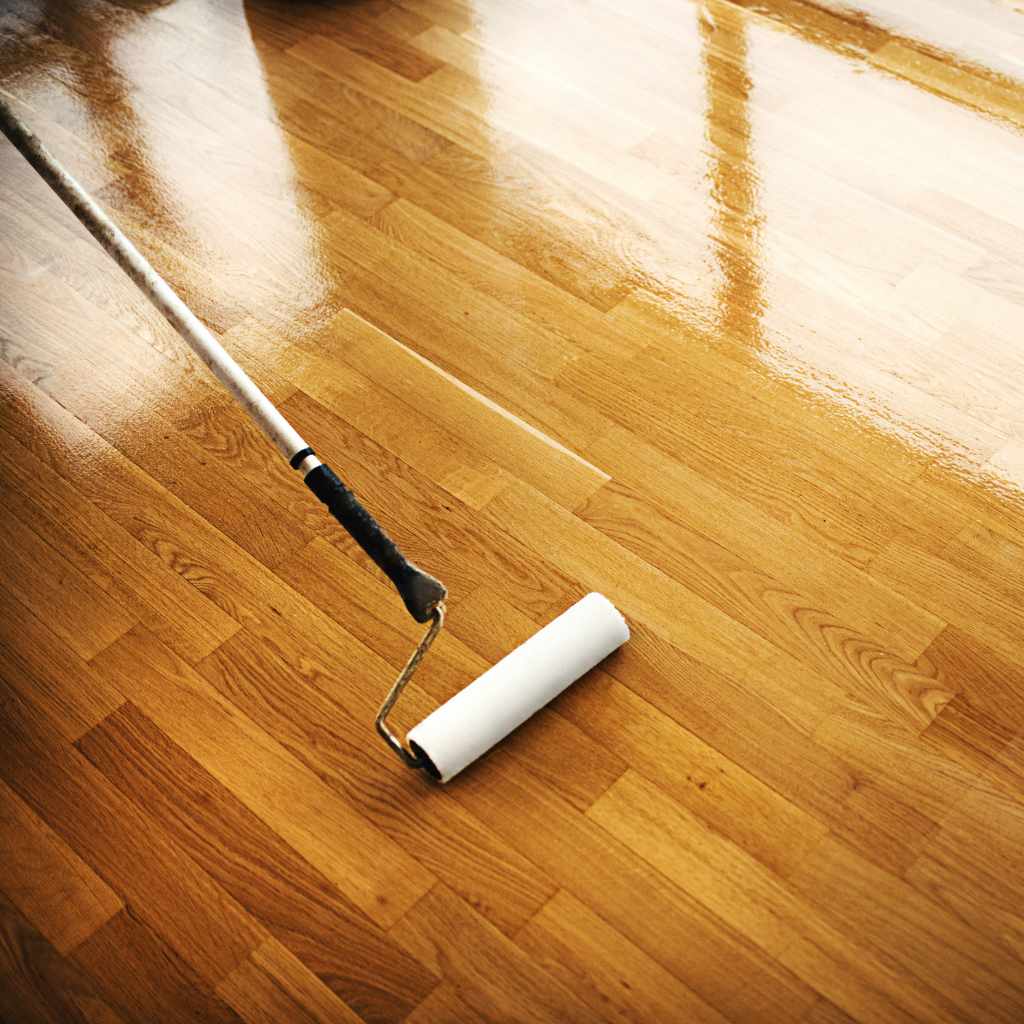
After the floor is made, a finish is put on the wood. This finish is like a thin, clear coat. It dries and hardens, making the floor strong and shiny.
Can I Seal My Hardwood Floor Myself?
Yes, you can. But it takes time and care. You need to clean the floor first and apply the finish evenly. If you do it wrong, the floor might not look good or last long.
How Often Should I Reseal My Hardwood Floor?
It depends on how much you use the floor. Usually, every few years is enough. If the floor looks dull or scratched, it might be time to seal again.
Does Sealing Change The Look Of The Floor?
Sealing usually makes the floor look shiny and fresh. It can make the wood color a little deeper, but it still looks natural.