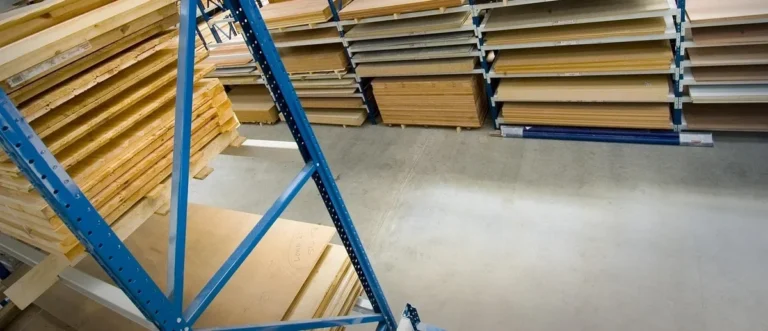
Best Marine Plywood for Boat Building (2026): based on specs
Bruynzeel is the safest premium pick for critical hull and deck panels, while Joubert or other BS 1088 meranti/okoume panels are better value for secondary structures; choose the lightest certified panel that matches your load and finish needs. The wrong plywood can swell, delaminate, or add unnecessary weight, and those failures are expensive to fix once a hull is closed. This guide compares the main marine plywood brands by species, standard, thickness, and price-to-performance for boat building.
Best marine plywood brand for boat building: top pick and why
The core trade-off is simple: buy the best panel for the part, not the most expensive stamp on the sheet. A hull side, a cockpit sole, and an interior liner ask for different things, even when all three carry a BS 1088 label.
📊 Bruynzeel plywood carries BS 1088 certification. Source: Bruynzeel Marine Plywood is the Perfect for Boat Builders.
Quick comparison
| Product | Badge | Best for | Price | ||
|---|---|---|---|---|---|
 |
OKOUME Marine Plywood 1/2 X 24 X 24WOODNSHOP | Our pick | 7-ply Okoume core · 24 x 24 in | $33.20
Price as of 13 Oct 2026
|
View |
 |
5 Pack Basswood Sheets for Crafts, 12 x 16 x 1/2 Inch 12mmACXFOND | Also great | Basswood · 12 x 16 in · 1/2 in thick | $34.99
Price as of 13 Oct 2026
|
View |
 |
RecPro 3/4" Marine Grade Plywood | 48" x 96" | 10 PackRecPro | Upgrade pick | 10-pack · 48 x 96 in · 3/4 in thick | $2,494.95
Price as of 13 Oct 2026
|
View |
Use the comparison table below as a buying filter, not a brand popularity list. The strongest choice depends on whether you need light weight, stiffness, wear resistance, or a cleaner surface for epoxy and fiberglass.
How we chose these marine plywood brands
This guide weighs the details that matter in boat building: BS 1088 or similar marine construction, veneer quality, glue durability, flatness, weight, and thickness range. The standard matters, but the panel build matters just as much.
BS 1088 and similar build standards
BS 1088 is often treated as a demanding benchmark for marine plywood. In practical terms, it points to tighter rules on veneer quality, bond integrity, and consistency than ordinary exterior plywood.
Species, veneer quality, and ply count
Okoume, also called Gaboon, is valued for light weight and a fine grain that finishes well. Heavier hardwood face options can be better where abrasion or screw-holding matters more than easy fairing.
Glue line durability and delamination risk
Weather and boil proof glue, often shortened to WBP, matters because a boat panel sees repeated wetting, drying, and temperature swings. If the glue line fails, the sheet can open up long before the wood itself is worn out.
Flatness, weight, and finish quality
A good marine panel should arrive flat, stay stable, and resist twist. That makes epoxy coating, fiberglass sheathing, and edge sealing easier, especially on long hull and deck runs.
Thickness range and buy value
Boat builders need different thicknesses for different jobs. Thin sheets help with curves and liners, mid-range sheets suit bulkheads, and heavier panels belong where span, wear, and fastener loads are higher.
What is marine plywood, and how is it different from exterior plywood?
Marine plywood is plywood built for wet service, with tighter control over veneer quality, adhesive performance, and internal gaps than typical exterior plywood. Exterior plywood may survive weather exposure, but it is not built to the same standard for boat hulls, decks, or sealed structural panels.
What BS 1088 means in practice
BS 1088 is often used as the marine benchmark because it targets consistency that matters in a boat: stable plies, good bonds, and fewer hidden defects. Bruynzeel carries BS 1088 certification, and the article description calls BS 1088 the highest and most stringent grading.
Why WBP glue matters
WBP glue, or weather and boil proof glue, is the adhesive family you want to see in a marine panel. It is designed to hold under wet conditions better than ordinary interior or low-grade exterior adhesives.
Why exterior plywood is a poor substitute for hull and deck work
Exterior plywood can be tempting on price, but it often brings more voids, less predictable plies, and weaker long-term bond reliability. In a boat, that can mean telegraphing through fiberglass, edge swelling, or delamination after repeated wet-dry cycles.
When a cheaper panel is still acceptable
For jigs, temporary molds, templates, and non-structural shop work, exterior-grade sheet goods can be acceptable if they never become part of the finished boat. Once the panel is part of a sealed hull or deck system, the risk climbs fast.
Which marine plywood species are best for boats?
Okoume and Gaboon are common choices for boatbuilding because they are light, fine-grained, and easy to fair. Heavier hardwood-faced panels can make more sense when the part will see traffic, hardware loads, or more abuse than a hull skin.
Okoume/Gaboon for light weight and fairing
Okoume, also referred to as Gaboon, is widely used where light weight and a smooth finish matter. It is a strong choice for hull panels, curved surfaces, and any place where you want less sanding before epoxy or fiberglass.
Hardwood face options for stiffness and wear
A denser face veneer can improve wear resistance and screw-holding on decks or soles. The trade-off is weight, and on a small boat that penalty can matter more than it does in a cabin panel.
When a heavier panel makes sense
If the part must stay flat under traffic, carry fasteners, or resist heel wear, a heavier marine panel can be the right call. That is more relevant for cockpit soles and some deck sections than for thin hull planking or interior liners.
Bruynzeel marine plywood: best for critical hull and deck panels
Bruynzeel is the premium choice when the panel has to do real structural work and still finish cleanly. The key signals are clear: BS 1088 certification, 100% weather resistant plies, WBF melamine glue, zero-defect face veneers, and no joints in the face.
It is also described as highly flat, stable, rigid, and lightweight, with a finish suited to epoxy or fiberglass. Those traits matter on hull panels and decks because fairing time drops when the sheet starts out true.
The drawback is cost and overkill. If the panel is hidden, lightly loaded, or easily replaced, this level of specification can be more than you need.
Best thicknesses for this use
For hull work, the useful thickness depends on the design, but roughly 1/8, 1/4, and 3/8 are often practical starting points for curved skins and lighter planking. Heavier structural areas may call for 3/4 or 1 inch stock where design rules allow it.
Buy or skip criteria
- Buy if the panel will be glassed, faired, and left in service as part of a primary hull or deck surface.
- Buy if you need the cleanest face veneer for epoxy work and want to reduce filling.
- Skip if the sheet will be hidden behind joinery or used only as a temporary pattern.
- Skip if your project needs a lower-cost panel and does not reward the extra finish quality.
RecPro marine grade plywood: best for decks and cockpit soles
RecPro is the better fit when you want a full-size sheet with structural strength for deck and sole work. The listed 48 x 96 in format and 3/4 in thickness make it easier to cover larger spans with fewer seams.
The product notes near void-free core construction, water-resistant treatment, and hand-laid plies. That combination points to a panel meant for flat, load-bearing areas where stiffness and bond reliability matter more than ultra-light weight.
The main drawback is weight and cost. A 3/4 in marine sheet is not the first choice for curved hull skins, and a 10-pack is more sheet than many small builds need.
Best thicknesses for deck builds
For decks and cockpit soles, 3/8 and 3/4 are the most useful thicknesses in many builds, with the final choice driven by span and support spacing. Thin 1/8 and 1/4 sheets are usually better for liners or curvature, not foot traffic.
Buy or skip criteria
- Buy if you need a stiff, broad panel for a sole, deck, or cabin top substrate.
- Buy if reduced voids and stable plies matter more than easy hand fairing.
- Skip if your project is small and you only need one or two sheets.
- Skip if the deck part must be very light and the span is short.
WOODNSHOP Okoume marine plywood: best for bulkheads and interior panels
WOODNSHOP’s Okoume sheet is a sensible lighter-duty marine option for bulkheads, trim panels, and small curved parts. The listed 7-ply Okoume core and sanded face make it easier to fit and finish than a rough utility sheet.
The strengths are the smooth face and the lighter Okoume species, which help when you need a clean interior surface that still behaves like marine stock. The drawback is the 24 x 24 in size, which limits it to smaller components and repairs rather than full hull or deck runs.
Based on the spec sheet, it is better for parts that need a neat finish than for large structural spans. It is not the first pick for a sole or a primary hull panel.
Best thicknesses for bulkheads and trim
For bulkheads and interior partitions, 1/4 and 3/8 are common starting points, while 1/2 can be appropriate for small stiffeners or localized reinforcement. Very thin 1/8 sheets are usually for liners, not load paths.
Buy or skip criteria
- Buy if you need a small, smooth marine panel for an interior structure or repair.
- Buy if the part will be sealed and painted or glassed after cutting.
- Skip if you need standard sheet size for a bulkhead or sole.
- Skip if the part must carry heavy hardware or deck traffic.
Boat-building decision table: which panel should you buy?
Match the panel to the part first, then check the standard and the face quality. A strong marine label does not fix the wrong thickness, and a beautiful face veneer does not help if the core construction is too weak for the load.
| Boat part | Best fit | Preferred thickness | Buy if | No-buy if |
|---|---|---|---|---|
| Hull | Bruynzeel | 1/8, 1/4, 3/8 | You need light weight, clean fairing, and a smooth face for epoxy or fiberglass | You only need temporary patterns or hidden backing parts |
| Deck | RecPro | 3/8, 3/4 | You need stiffness, span control, and a larger sheet format | The deck panel is short-span and weight is the top concern |
| Bulkhead | WOONDSHOP Okoume | 1/4, 3/8 | You want a lighter interior panel with a clean finish | The bulkhead carries major loads or large hardware |
| Cockpit sole | RecPro | 3/4 | You need wear resistance and better stiffness under foot traffic | The sole is heavily curved or weight-critical |
| Interior panel | WOODNSHOP Okoume | 1/8, 1/4 | You want an easy-to-finish surface and low weight | The panel will take repeated impacts or fastener loads |
Flatness, rigidity, and failure mode to avoid
Flatness reduces fitting time and improves the bond line when you glue or glass the panel. Delamination is the failure to watch for, because once the glue line opens, water can move through the sheet even if the face still looks acceptable.
Rot resistance is not waterproofing
Rot resistance helps the panel survive wet service, but it does not make wood immune to water. The real goal is to seal edges, cover exposed cut faces, and avoid trapping moisture where the panel cannot dry.
Which one should you buy?
Choose Bruynzeel for high-value hull and deck work where finish quality, bond reliability, and low weight justify the premium. Choose RecPro for larger deck or cockpit sole panels where stiffness and span matter more than the lightest possible sheet.
Best choice by budget
If budget is tight, buy the best-certified panel only for the most critical exposed parts and use lower-cost material only where the structure allows it. Premium marine plywood is often overkill for hidden interior pieces, jigs, and mockups.
Best choice by boat part
For hull panels, start with the lightest certified panel with a clean face and stable plies. For decks and soles, prioritize thickness, rigidity, and bond quality. For bulkheads and interior panels, weight and finish quality usually matter more than maximum crush resistance.
When to spend more and when to save
Spend more when replacement would be painful after the boat is closed. Save when the part is accessible, non-structural, or easy to replace. Say your 16-foot skiff needs a hull skin that will be glassed and painted; paying for better face veneer and cleaner bond lines makes sense. Suppose a cabin liner will be hidden behind trim; a premium marine sheet may be unnecessary.
Frequently asked questions
What is marine plywood?
Marine plywood is plywood made for wet service, with better control over veneer quality, bond strength, and internal defects than ordinary exterior plywood. It is used in boats because it is less likely to swell, open up at the glue line, or fail under repeated moisture exposure.
What makes marine plywood different from exterior plywood?
Marine plywood is built to a stricter standard, usually with better face veneers, more consistent plies, and adhesives suited to wet conditions. Exterior plywood can survive weather exposure, but it may contain more voids and less predictable glue performance, which is a poor match for sealed boat structures.
Is BS 1088 the standard I should look for?
BS 1088 is a strong sign that the panel was built with boat use in mind, and it is commonly treated as a high-stringency benchmark. It does not replace part-by-part judgment, though. Species, face quality, ply consistency, and thickness still need to match the job.
Can marine plywood be used for a boat hull?
Yes, marine plywood is commonly used for hulls, especially on small to mid-size craft. For hull work, look for a light, stable panel with strong bond integrity, a clean face veneer, and the right thickness for the design. Poorly chosen sheet goods can add weight and create future repair work.
How much does marine grade plywood cost per sheet?
Marine plywood prices vary by species, thickness, certification, and sheet size. Small specialty panels can be far less expensive than full-size structural sheets, while premium certified stock costs more. As a rule, expect to pay more for cleaner face veneers, better plies, and larger formats.
Where can I buy marine plywood?
You can buy marine plywood through lumberyards, marine supply dealers, specialty plywood distributors, and some online sellers. Availability often depends on importer stock and regional freight access, so the same brand may be easy to source in one area and harder to find elsewhere.
Where can I buy marine plywood near me?
Local availability usually comes from specialty lumber yards, boatbuilding suppliers, and cabinet or hardwood dealers that carry marine stock. Call ahead and ask about species, standard, sheet size, and whether the panel is genuinely marine grade rather than just exterior-rated.
Is there marine plywood for sale online?
Yes, marine plywood is sold online, but shipping can change the real cost fast, especially for large sheets. Check whether the seller names the species, the standard, and the thickness clearly, and confirm whether the panel is in stock before you plan a build around it.
Sponsored / affiliate links. As an Amazon Associate I earn from qualifying purchases. I may earn additional commission from eligible campaigns.
 30 Pack 12"x18"x1/16 Basswood Sheets for Crafts- Thin Plywood Sheets - Balsa Wood Sheets -Unfinished Wood Boards for Painting,Laser Cutting,Engraving, Burning and CNC Cutting
 5 Pack 12"x18"x1/16 Basswood Sheets for Crafts- Thin Plywood Sheets - Balsa Wood Sheets -Unfinished Wood Boards for Painting,Laser Cutting,Engraving, Burning and CNC Cutting