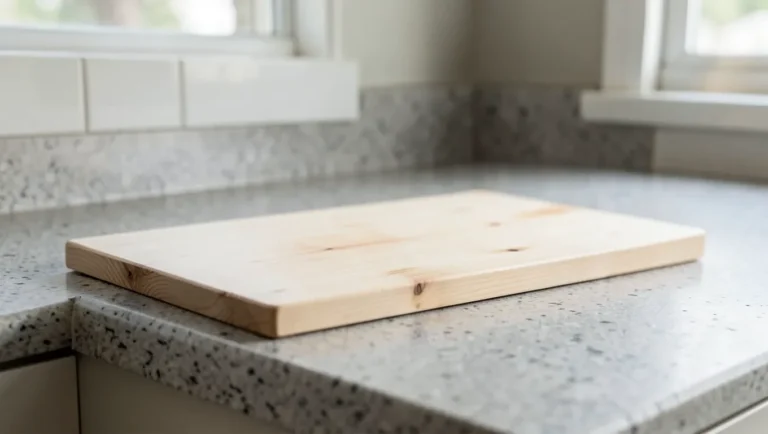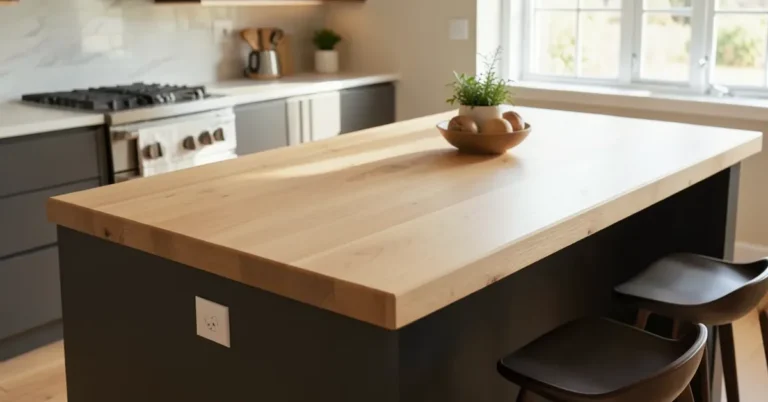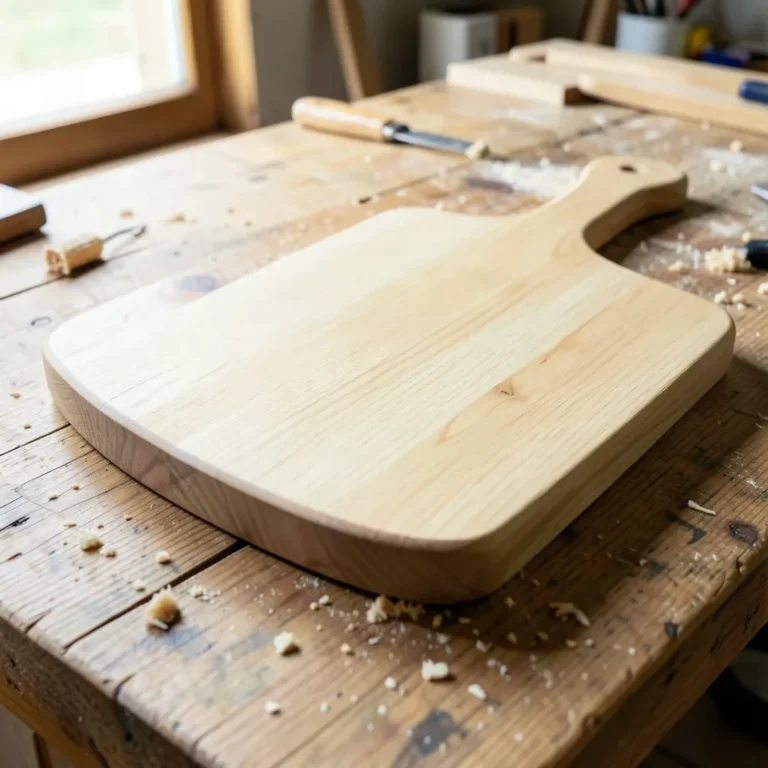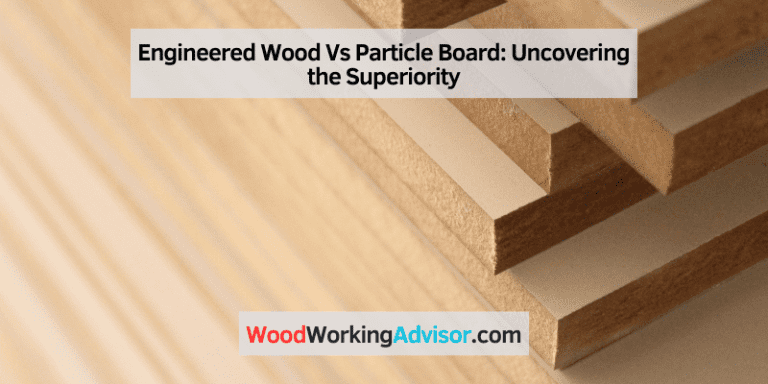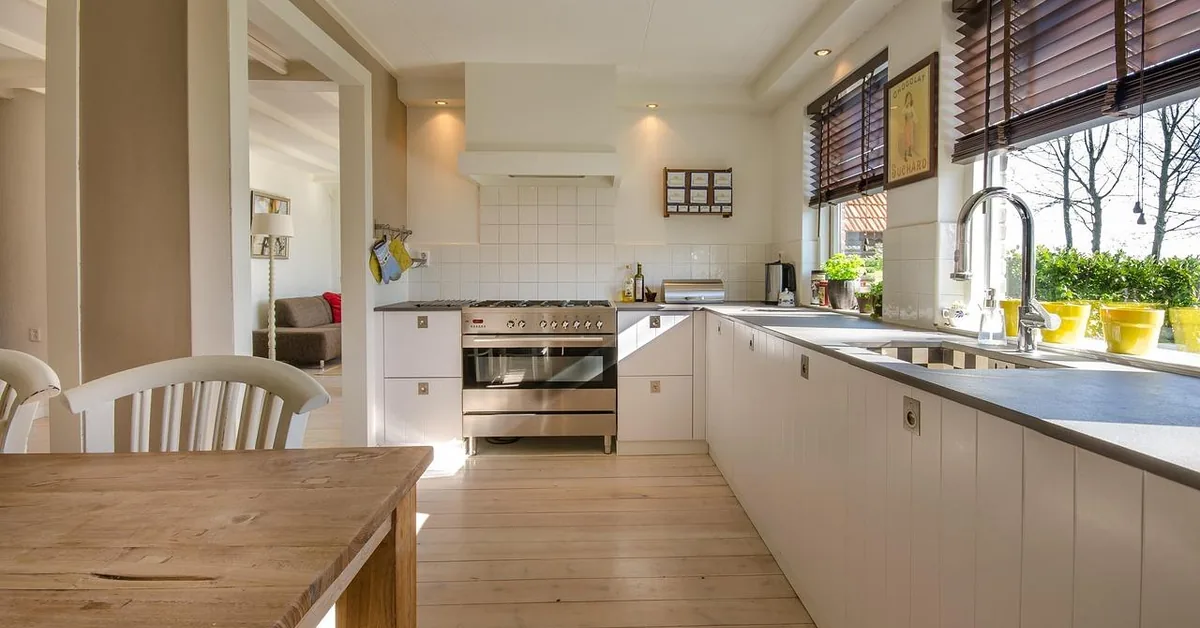
What Is Blondewood? Light Hardwoods Like Maple, Birch and Ash
Blondewood is not a species. It is a trade and design term for pale wood, usually maple, birch, ash or beech, and sometimes a darker species finished to look pale. The catch is that “blonde” describes color, not strength: Janka hardness among the common pale woods runs from 1,450 lbf for hard maple down to 380 lbf for white pine. This guide covers what the word means, how the species compare, and how to keep the pale tone from turning amber.
What Does Blondewood Actually Mean?
Blondewood (also written blonde wood or blond wood) is a color label for light-toned wood, not a botanical name. “Blond” is an old color word. Wikipedia notes that the Oxford English Dictionary records it for non-hair uses too, including “pale wood.” In furniture and flooring, the label gets used in three overlapping ways: a naturally pale species such as maple, birch or ash; a pale finish applied to a darker or plainer wood; and a design style, the bright, low-contrast Scandinavian look.
Best Clear Finish for Pale Wood
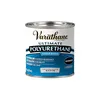 |
Varathane Water-Based Ultimate Polyurethane, Satin (Half Pint) – $13.49 A water-based clear topcoat is the finish type that avoids the amber shift of oil-based poly on maple, birch and ash, as explained in the finish section below. The listing describes a satin sheen with excellent clarity.
|
As an Amazon Associate we earn from qualifying purchases.
Two common assumptions are wrong. First, blondewood is not one species, so a “blonde” dining table and a “blonde” floor can differ a lot in hardness and price. Second, it is not always hardwood: eastern white pine, which is a softwood, is also pale, and the Wood Database rates it at only 380 lbf. Birch is sometimes assumed to be a softwood too, which our guide to whether birch is a softwood settles.
The one-word spelling “blondewood” shows up mostly in search queries and retail tags. People searching it also type “blonde wood,” “blond oak wood” and “natural oak vs blonde wood,” so this page covers those meanings too.
Blonde Wood Types Compared: Janka Hardness, Weight and Color
The table uses figures from the Wood Database. Janka hardness is the force in pounds-force needed to embed a steel ball into the wood, so a bigger number means a more dent-resistant surface. Specific gravity is measured at 12 percent moisture content, so a bigger number means a denser, heavier board. The last column records only what the Wood Database states about color change; “not stated” means the species page does not say, not that the wood never changes.
| Wood | Janka (lbf) | Specific gravity | Natural color | Color change noted |
|---|---|---|---|---|
| Hard maple | 1,450 | 0.71 | Sapwood nearly white to cream, sometimes reddish or golden; heartwood darker reddish brown | Not stated |
| European beech | 1,450 | 0.71 | Pale straw, sometimes pink or brown | Not stated in the article text |
| White ash | 1,320 | 0.67 | Sapwood beige to light brown, very wide; heartwood light to medium brown | Not stated |
| Yellow birch | 1,260 | 0.69 | Nearly white sapwood; heartwood light reddish brown | Not stated |
| Yellow poplar | 540 | 0.46 | Sapwood pale yellow to white; heartwood light cream to yellowish brown, sometimes gray or green streaks | Colors tend to darken on exposure to light |
| Eastern white pine | 380 | 0.40 | Sapwood pale yellow to nearly white; heartwood light brown | Tends to darken with age |
📊 Hard maple (1,450 lbf) is about 2.7 times harder than yellow poplar (540 lbf), even though both are sold as pale wood. Source: Wood Database, Hard Maple and Wood Database, Yellow Poplar.
Most blonde wood is really sapwood
Look at the color column. For hard maple, birch and ash, the pale tone belongs to the sapwood, the outer layer of the tree, while the heartwood is darker: reddish brown in maple and light reddish brown in birch. A pale maple board is therefore partly a matter of which part of the log it came from. That is why two “maple” tabletops can look different. For how pale maple takes color, see our guides on staining maple and modernizing maple cabinets.
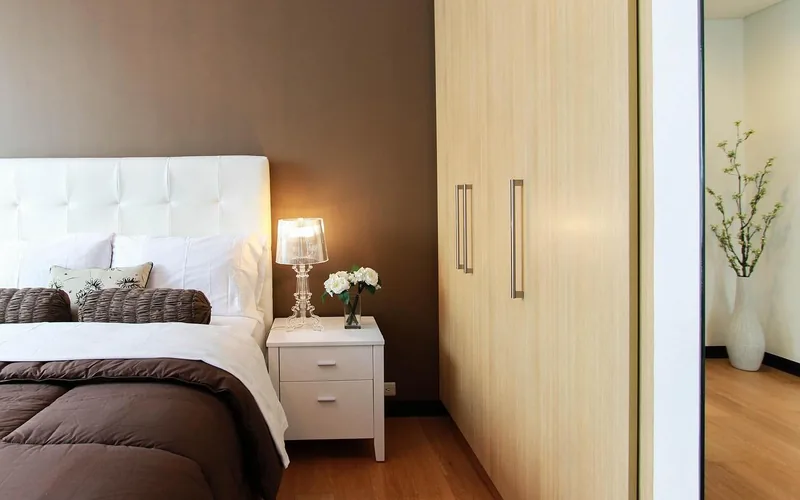
Is blonde oak the same thing?
Not usually. The Wood Database describes white oak heartwood as light to medium brown with an olive cast (1,350 lbf) and red oak heartwood as light to medium brown with a reddish cast (1,220 lbf). Neither is naturally blonde in the way maple sapwood is, so a “blonde oak” look generally comes from a lightened or pale-finished board rather than the raw species. That last point is our reading of the color data, not a trade definition we found in a source. For a species-by-species view, use our types of wood guide.
Why Pale Wood Changes Color, and What Your Finish Does About It
Two things change the color of a pale piece over time: the wood and the coating on it. On the wood side, the Wood Database says yellow poplar colors tend to darken on exposure to light and that eastern white pine tends to darken with age. It does not give a fade rate for maple, birch or ash, and neither do we. On the finish side, the difference is well documented by the makers themselves.
Minwax describes its water-based Polycrylic as “non-yellowing, non-ambering” and says it is suitable for light woods like maple, ash and birch. It lists its oil-based Performance Series Varnish as one that “adds a warm amber tone.” The practical rule is simple: on a pale wood you want to keep pale, use a water-based clear topcoat; use an oil-based one when you want the warmth. Our comparison of water-based and oil-based polyurethane goes deeper, and does polyurethane darken wood covers the color shift in detail.
- Test the finish on a scrap or hidden area first, since Minwax notes that the wood species affects the final color.
- Choose a water-based clear topcoat for maple, birch, ash and beech if the goal is to keep the board pale.
- Check the can for approved uses. The Minwax Polycrylic page lists interior woodwork and furniture, and the Varathane listing lists furniture, windows, cabinets and trim. Floors need a product labeled for floors.
- Do not put Polycrylic over red mahogany stain; Minwax says to use its fast-drying polyurethane there.
- Wait for the recoat time on the label. Both products above list about 2 hours between coats.
- If a stain is the source of an unwanted yellow cast, see why wood stain looks yellow.
Pale pieces that start to look dull or gray rather than yellow have a different problem, which our guide to removing gray from wood explains.
Making Wood Look Blonde: Whitewash, Pickling and Bleaching
If your wood is not naturally pale, there are two routes. The first is a pigmented wash. Minwax offers a water-based Pickled Oak stain that it describes as penetrating, with 200-plus tintable colors in a single grain-enhancing coat, ideal for small projects, unfinished furniture, cabinets, doors and trim. The page says to test on a hidden area and notes that wood species will impact the final color. To bring the grain forward on a pale piece, see how to make wood grain stand out.
The second route is chemical bleaching, which removes color rather than adding it. Bleach products carry their own hazard warnings, so read the label and the safety data sheet and wear the eye and skin protection they specify. We do not cover the bleaching steps here; our guide to bleaching oak for a lighter finish does.
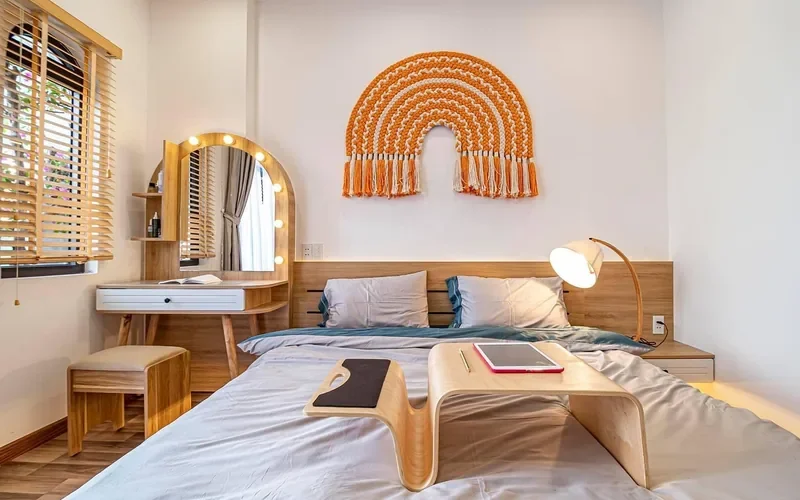
Which Blonde Wood Should You Choose?
Match the Janka number to the job, then check the finish.
- Floors, counters and heavy-use tables: hard maple or European beech at 1,450 lbf, or white ash at 1,320 lbf, resist dents best of the group. Our hickory vs maple cabinets guide compares maple with a harder rival.
- Cabinets and furniture frames: yellow birch at 1,260 lbf or white ash at 1,320 lbf give a pale, reasonably hard result.
- Painted pieces and hidden parts: yellow poplar at 540 lbf is soft, and paint hides its streaks. Expect dents if it is left bare.
- Budget or rustic interiors: eastern white pine at 380 lbf is the softest option here. See our best finish for pine for how it takes a topcoat.
None of these hardness figures tells you the price or the board color you will actually receive, so look at the specific boards, not just the species name on the tag.
Frequently Asked Questions
What is blondewood?
Blondewood is a trade and design label for light-toned wood, not a single species. It usually means naturally pale woods like maple, birch, ash or beech, but it can also describe a darker wood finished to look pale. Always ask for the actual species, since hardness varies widely.
Is blonde wood a hardwood?
Often, but not always. Hard maple, white ash, yellow birch and European beech are hardwoods, and yellow poplar is a hardwood too, though a soft one at 540 lbf. Eastern white pine is also pale and is a softwood at 380 lbf.
Which blonde wood is the hardest?
Of the pale woods compared here, hard maple and European beech tie at 1,450 lbf on the Janka scale, ahead of white ash at 1,320 lbf and yellow birch at 1,260 lbf, per the Wood Database.
Does blonde wood turn yellow?
It can. The Wood Database says yellow poplar tends to darken on exposure to light and white pine tends to darken with age. An oil-based finish adds an amber tone, while Minwax describes its water-based Polycrylic as non-yellowing and non-ambering.
Is blonde oak the same as light oak?
Not necessarily. The Wood Database describes both white and red oak heartwood as light to medium brown, so a blonde oak look usually means the wood has been lightened or finished pale. Test any white wash or stain on a hidden area first.
Conclusion
Blondewood describes how wood looks, not what it is, so choose by species and finish together. Hard maple, beech and ash handle daily wear, poplar suits paint, and a water-based clear topcoat is the finish type that keeps pale wood from turning amber. Check the Janka number, check the can, and test on a scrap before you commit.
Sponsored / affiliate links. As an Amazon Associate I earn from qualifying purchases. I may earn additional commission from eligible campaigns.