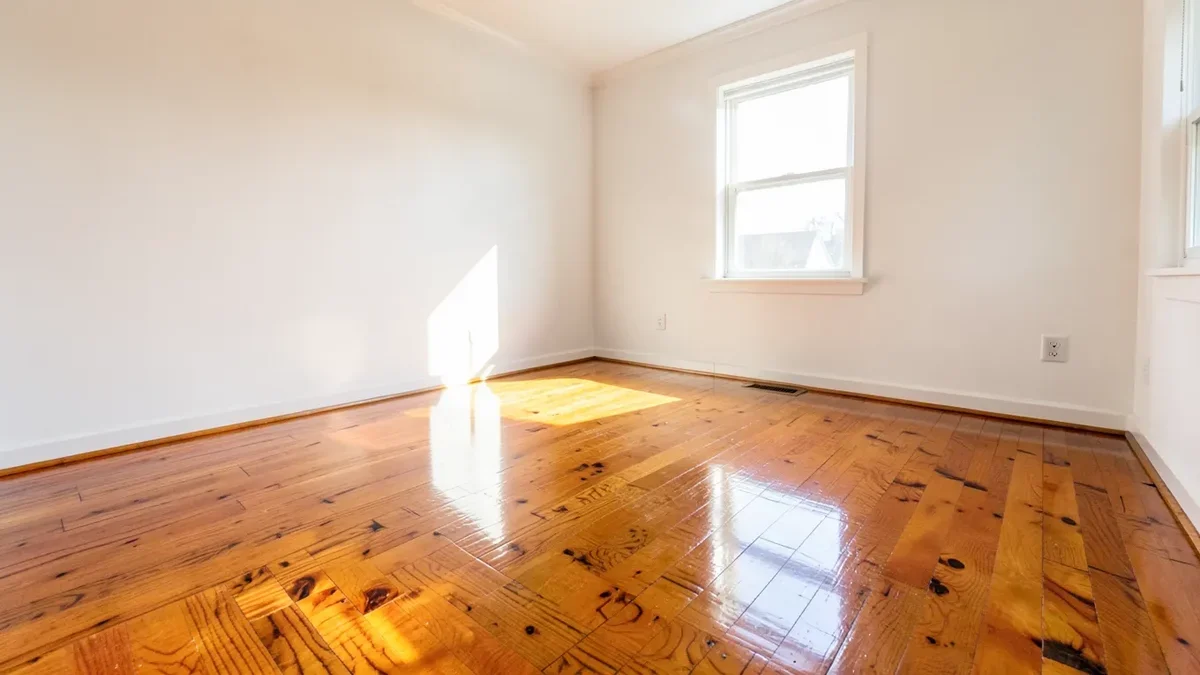
What Is the Best Finish for Hardwood Floors? (Oil vs. Water-Based Poly & More)
The best finish for hardwood floors is water-based polyurethane for most homes, because modern formulas now match oil-based durability while drying in hours instead of days and skipping the strong odor. But that answer changes if you have a busy household that needs maximum scratch resistance, want a natural matte look, or you’re hiring a pro who can apply a moisture-cured urethane. Below is a breakdown of all four real finish categories — including moisture-cured urethane, which most buying guides skip entirely — with the actual dry times, VOC levels, and recoat intervals you need to pick correctly the first time.
Best Finish for Hardwood Floors at a Glance
If you just want a solid default: a quality water-based polyurethane is the right call for the vast majority of homes, since it protects as well as oil-based finishes did a decade ago, without the multi-day off-gassing period. Bona Traffic HD is the one we point most readers to — it’s a commercial-grade waterborne finish rated for very low VOC output (under 150 g/L) and it’s the product professional floor refinishers reach for on high-traffic jobs.
Best Water-Based Polyurethane for Hardwood Floors
 |
Bona Traffic HD Satin Waterborne Finish – $170.99 The commercial-grade water-based polyurethane referenced in this guide — a low-VOC, fast-dry formula built to match or beat older oil-based durability.
|
That said, don’t stop reading here if your situation is unusual — a rental with a tight move-back-in deadline, a household with large dogs, or a floor you want to look like it was never coated at all each call for a different one of the four finish types below.
The 4 Types of Hardwood Floor Finishes, Compared
Most articles on this topic only cover two of these. There are actually four distinct finish categories on the market, and the one most homeowners have never heard of — moisture-cured urethane — is also the most durable one available.
| Finish Type | Dry to Touch | Full Cure | VOC Level | Typical Recoat Interval | DIY-Friendly? |
|---|---|---|---|---|---|
| Oil-based polyurethane | 8–10 hrs | ~30 days | High (350–450+ g/L) | 7–10 years | Yes |
| Water-based polyurethane | 2–3 hrs | 7–30 days (brand-dependent) | Low (often under 250 g/L) | 7–10 years | Yes |
| Moisture-cured urethane | 1–2 hrs (humidity-dependent) | ~30 days | Very high (600+ g/L) | 10–15+ years | No – pro only |
| Penetrating oil / hardwax oil | 4–8 hrs | 2–5 days (80% at day 2 for hardwax blends) | Low | Spot-repair anytime; full re-coat every 3–6 years | Yes |
A few numbers in that table are worth pausing on. The recoat interval for oil- and water-based polyurethane looks nearly identical — the real gap between them used to be durability, and modern waterborne resins have mostly closed it. Moisture-cured urethane’s 10-to-15-year interval is the longest of any option, which is exactly why commercial spaces (restaurants, gyms, retail floors) almost always use it despite the fumes and the pro-only application. And penetrating oil is the odd one out: it doesn’t really have a “recoat the whole floor” clock the way the others do, because you can spot-treat a worn patch with more oil instead of sanding and refinishing the entire room.
Oil-Based vs. Water-Based Polyurethane: The Real Tradeoffs
This is the comparison almost everyone actually needs, since polyurethane in one form or the other covers most residential floors. Oil-based poly cures into a warm amber tone that keeps deepening for years under UV exposure — on light species like white oak or maple, that amber shift is dramatic enough that some homeowners are surprised by how different their floor looks 18 months later. Water-based poly stays close to water-clear, so the wood keeps its original tone; if you picked a pale, cool-toned wood specifically for its color, that clarity matters more than any durability spec.
Odor and downtime are the other real difference. Oil-based finishes need 24 hours before you can walk on the final coat and roughly 72 hours before furniture goes back — and the fumes during application are strong enough that most people plan to be out of the house. Water-based finishes are usually walkable same-day and don’t carry that same off-gassing burden, which is the main reason it’s become the default pick for occupied homes and for families with kids, pets, or anyone with respiratory sensitivity.
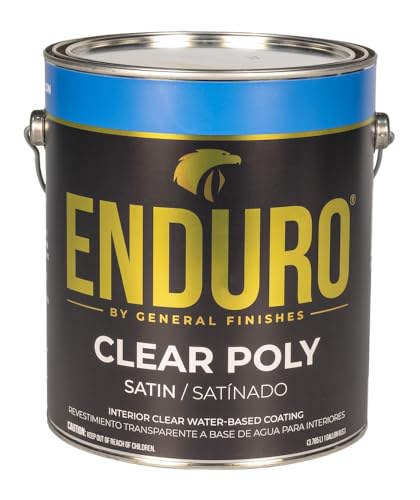
Where oil-based still wins outright is upfront cost and gap-filling: it’s typically the cheaper product per gallon, and its slower cure gives it slightly better self-leveling in minor imperfections. Where it used to win — raw scratch resistance — is no longer a clean advantage. Commercial-grade waterborne finishes like the one in the product box above are formulated specifically to match or beat older oil-based durability numbers, which is why professional refinishers increasingly default to water-based even on high-traffic commercial jobs.
Moisture-Cured Urethane and Penetrating Oil: The Options Most Guides Skip
Moisture-cured urethane is the finish you’ve probably walked on in a restaurant or gym without knowing it. It cures by reacting with ambient humidity rather than air-drying, which gives it the hardest, most chemical- and abrasion-resistant surface of any of the four types — but the tradeoff is real: it has some of the strongest fumes in the finishing world, it’s extremely sensitive to humidity during application (too dry or too humid and the cure goes wrong), and it’s essentially never a DIY product. If you’re weighing it, you’re hiring a professional crew, not picking up a can at the hardware store.
Penetrating oil finishes — classic tung or linseed oil, and newer hardwax-oil hybrids like Rubio Monocoat — work completely differently from the three film-forming finishes above. Instead of sitting on top of the wood as a plastic-like layer, the oil soaks into the wood fibers and hardens from the inside, which is why the surface still feels like wood instead of like a coating. Rubio-style hardwax oils reach roughly 80% cure within two days and full cure around five days, considerably faster than most people assume. The real cost of this finish isn’t the application — it’s the ongoing maintenance: expect to re-oil worn traffic paths every 3 to 6 years, versus a full sand-and-refinish for the film finishes above. In exchange, a scuffed patch under a chair leg can often be fixed by rubbing in a little more oil, no sanding required — something you simply can’t do with a polyurethane film once it’s scratched through.
How to Choose Based on Your Home
Match the finish to how the room actually gets used, not just to what looks best in a showroom sample.
- Large dogs or heavy foot traffic: a commercial-grade water-based polyurethane (or moisture-cured urethane if you’re bringing in a pro) will outlast a standard-grade finish by years in an entryway or main living area.
- You need the room back fast: water-based poly is walkable same day and furniture-ready in roughly 24–48 hours, versus 3+ days for oil-based.
- You want a natural, low-sheen, “unfinished” look: penetrating oil or hardwax oil is the only category of the four that doesn’t leave a visible plastic-like film on the surface.
- Budget is the deciding factor: oil-based polyurethane is usually the least expensive per gallon, though a DIY water-based job can still come out cheaper than hiring a pro for anything else on this list.
- You’re refinishing a rental between tenants: fast-drying water-based poly minimizes the days the unit sits empty.
Application and Cure Time Basics
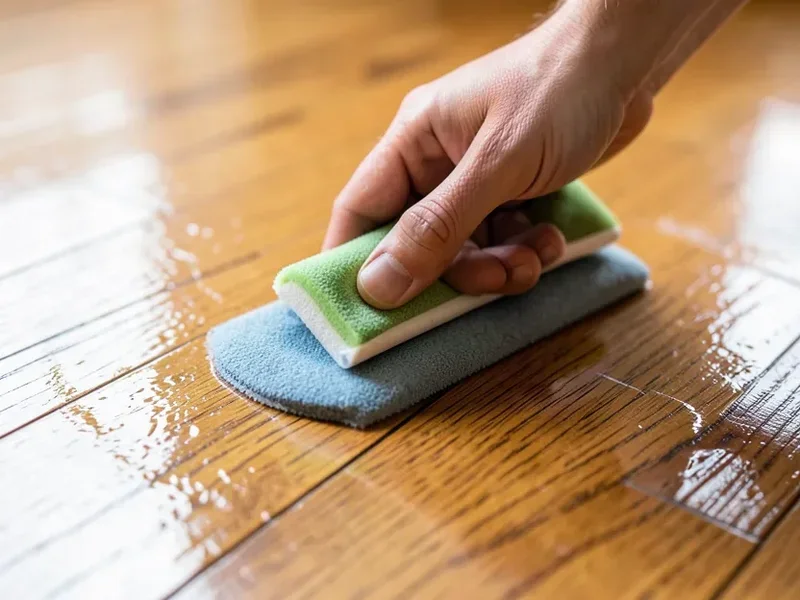
Regardless of which finish you pick, the floor has to be sanded down to bare wood (or at minimum screened and deglossed if you’re recoating an existing film finish) and thoroughly vacuumed before anything goes on — leftover dust under the new coat is the single most common cause of a gritty, uneven final result. Film-forming finishes (oil- and water-based poly, moisture-cured urethane) go on with a brush, roller, or T-bar applicator in thin, even coats along the grain, with light sanding or screening between coats. Penetrating oils go on differently: they’re wiped on with a cloth or applicator pad, left to soak in for a set window, and then the excess is wiped off — leaving oil sitting on the surface instead of being wiped off is the most common mistake and leaves a tacky, uneven film.
“Dry to touch” and “fully cured” are not the same thing, and mixing them up is what causes most post-refinishing damage. A water-based floor might be walkable in socks after a few hours, but it hasn’t reached its full hardness for one to four weeks depending on the product — rugs, heavy furniture, and rolling chair mats should stay off the floor until the manufacturer’s full-cure window has passed, not just the walkable window.
Frequently Asked Questions
What is the most durable finish for hardwood floors?
Moisture-cured urethane is the most durable of the four options, which is why it’s the standard finish in commercial spaces like restaurants and gyms. It’s a professional-only application, though — for a DIY-friendly finish, a commercial-grade water-based polyurethane is the most durable option most homeowners can apply themselves.
Is oil-based or water-based polyurethane better for hardwood floors?
Water-based polyurethane is the better default for most homes: it dries faster, has far lower odor, and modern commercial-grade formulas now match oil-based durability. Oil-based still has an edge on upfront cost and gives floors a warm amber tone that some homeowners specifically want.
How long does polyurethane take to fully cure on hardwood floors?
Water-based polyurethane is typically walkable in a few hours but takes 7 to 30 days to fully cure depending on the product. Oil-based polyurethane is walkable after about 24 hours but takes roughly 30 days to reach full hardness. Rugs and heavy furniture should wait for full cure, not just the walkable window.
What is moisture-cured urethane and should I use it at home?
Moisture-cured urethane is a film finish that hardens by reacting with humidity in the air rather than by air-drying. It produces the hardest, most chemical-resistant surface of any hardwood floor finish, but it has strong fumes and an application process sensitive to humidity levels, so it’s almost always applied by a professional crew rather than as a DIY project.
How often do penetrating oil finishes need to be reapplied?
Most penetrating oil and hardwax-oil finishes need a full re-oiling of the floor every 3 to 6 years, though worn traffic paths can often be spot-treated with additional oil in between — something you can’t do with a polyurethane film once it’s scratched through to bare wood.
Bottom Line
For most homes, a commercial-grade water-based polyurethane like Bona Traffic HD is the right finish: it now holds up as well as oil-based options did a decade ago, dries fast enough to keep the room usable, and skips the multi-day odor. Reach for oil-based if budget or that warm amber tone matters more than dry time. Bring in a professional for moisture-cured urethane only if you’re refinishing a high-traffic or commercial space and want the longest possible interval between refinishes. And choose a penetrating oil finish if you want the floor to still look and feel like wood rather than like it’s wearing a plastic coat — just budget for re-oiling every few years instead of a full refinish every decade.
Sponsored / affiliate links. As an Amazon Associate I earn from qualifying purchases. I may earn additional commission from eligible campaigns.