What is the Best Hardwood Floor: Ultimate Guide to Top Choices
Looking for the best hardwood floor? It depends on your home and style. Some woods are strong. Others look warm and natural. Which one fits you? Simple and clear answers ahead.
Biography
| Category | Details | ||||
|---|---|---|---|---|---|
| Top Hardwood Flooring Brands |
|
||||
| How to Choose the Best Brand |
|
||||
| Hardwood Flooring Grades |
Note: Grade affects appearance more than durability; durability depends on wood species and Janka hardness. |
||||
| Best Grade Recommendation | Prime or AB grade is recommended for sleek, modern, or high-end designs due to its clean and uniform appearance. | ||||
| Engineered Hardwood vs Luxury Vinyl Plank (LVP) |
Choice depends on priorities such as budget, durability, water resistance, and aesthetic preferences. |
||||
| Design Principle: The Rule of Three |
|
||||
| Recommended Wood Species for Hardwood Floors |
|
||||
| Additional Tips |
|
Early Life
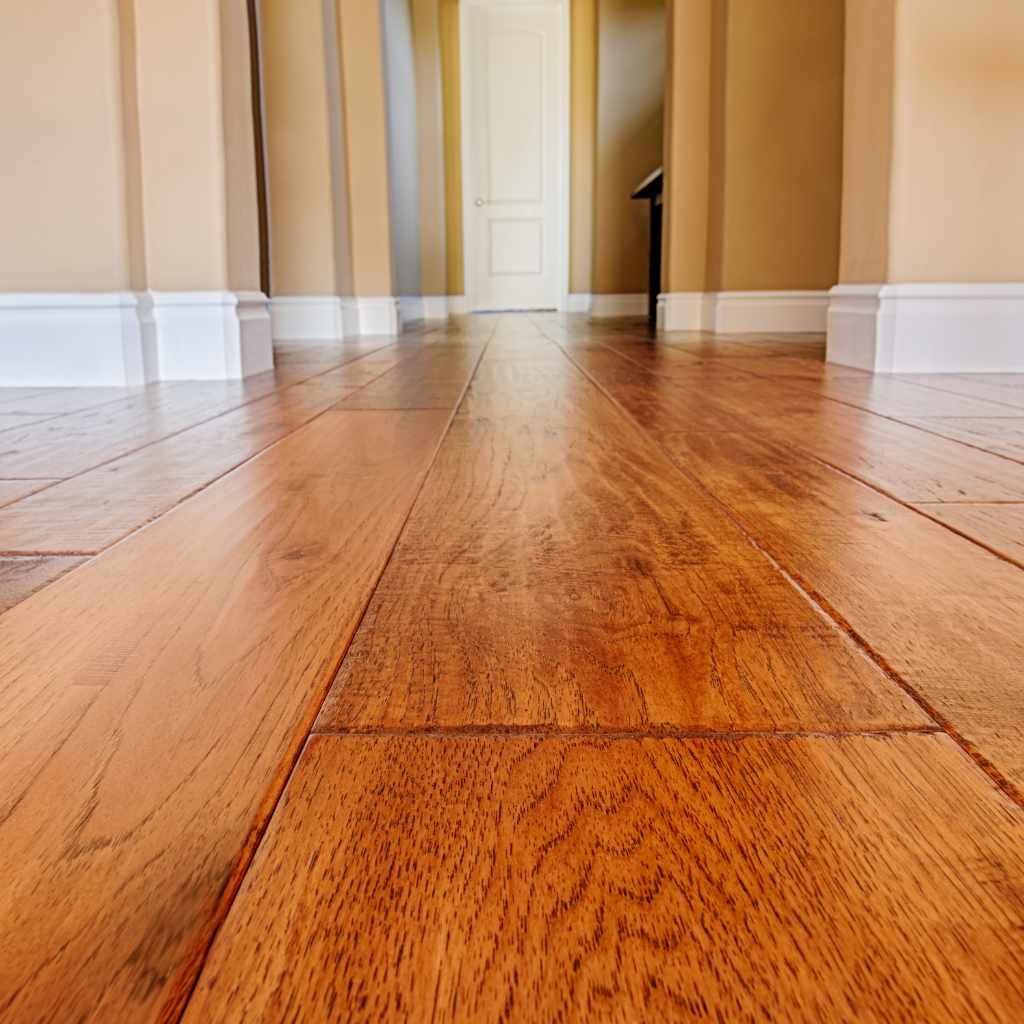
The story of hardwood floors begins long ago in places like Austin, Texas. People first used strong woods like oak, maple, and hickory to make floors. These woods were born in forests and carefully chosen for their hard nature. Over time, as homes grew in size and style, the types of wood used for floors moved from simple pine and fir to more durable and beautiful options. This change happened slowly, as people learned which woods could last the longest and look the best. Simple strip patterns were common at first, but later, more detailed styles like herringbone and parquet came into use, especially in wealthier homes. Hardwood floors were raised in importance because they could last for many years, making them a smart choice for houses everywhere.
Family
| Name | Relation | Description |
|---|---|---|
| Hickory | Parent | Hickory is very hard and strong. It is best for places where many people walk. It has a mix of light and dark colors, giving a natural look. It resists dents and scratches well. |
| Maple | Parent | Maple is hard and smooth. It gives a clean, modern look. Maple is good for busy rooms. It is light-colored and has a simple grain pattern. |
| Oak | Parent | Oak is a popular wood. It is tough and lasts long. Oak has a strong grain pattern, which helps hide scratches. It is also easier to stain different colors. |
| Brazilian Cherry | Sibling | This wood is very durable but can be expensive. It has a rich, deep color. It is less common but loved for its strength and beauty. |
| Walnut | Sibling | Walnut is darker and softer than Hickory or Maple. It looks beautiful but needs more care because it can scratch easily. It is great for warm and elegant rooms. |
Choosing the best hardwood floor depends on what you need. Hickory, Maple, and Oak are the main “parents” because they are very strong and popular. They can stand up to a lot of walking and use. Brazilian Cherry and Walnut are “siblings” that offer beauty and strength but might need more care or cost more. Think about your room and style when picking the right wood for you.
Height, Weight, And Other Body Measurements
| Hardwood Type | Durability (Hardness & Resistance) | Appearance & Grain | Typical Use | Cost | Other Considerations |
|---|---|---|---|---|---|
| Hickory | Highest durability; toughest domestic hardwood; highly resistant to dents and scratches | Unique rustic look with mix of light and dark colors; pronounced grain pattern | High-traffic areas like hallways, living rooms | Moderate | Best for durability; requires quality installation; harder to stain evenly |
| Maple | Very hard and durable; smooth surface ideal for high traffic | Light color with smooth, uniform grain; modern aesthetic | High-traffic spaces; modern interior designs | Moderate | Hard surface can show scratches; finish important for protection |
| Oak (Red & White) | Strong and durable; slightly softer than Hickory | Pronounced, classic grain; easy to stain; warm tones | Versatile use: living rooms, dining rooms, bedrooms | Moderate | Popular and widely available; good balance of durability and appearance |
| Brazilian Cherry | Very durable; harder than most domestic hardwoods | Rich reddish-brown color; exotic look | High-end applications; luxury flooring | High | More expensive; color darkens over time |
| Walnut | Softer than Hickory and Maple; more prone to scratches | Dark, warm brown; elegant and rich appearance | Low to moderate traffic rooms; bedrooms, offices | Moderate to High | Requires more care; beautiful finish but less durable |
| Floor Type | Standard Thickness | Wear Layer (for Engineered) | Impact on Durability & Refinishing | Installation Notes |
|---|---|---|---|---|
| Solid Hardwood | Typically 3/4 inch (19 mm) | Not applicable | Can be sanded and refinished multiple times; very durable | Requires proper subfloor; sensitive to moisture |
| Engineered Hardwood | 3/8 inch to 1/2 inch (9.5 mm to 12 mm) common | Wear layer thickness varies from 1.5 mm to 6 mm | Wear layer thickness determines refinishing potential; good moisture resistance | More stable in humid areas; easier installation options |
| Room Use Consideration | Select harder woods (Hickory, Maple, Oak) for high-traffic areas (hallways, living rooms). Softer woods (Walnut) better for bedrooms or low-traffic zones. |
| Finish Importance | Protective finish greatly affects scratch and stain resistance; sometimes more than wood species. |
| Installation Quality | Proper installation is critical to look and longevity; poor installation compromises flooring regardless of wood type. |
| Design Principle – Rule of Three | Limit flooring types to 3 in a home for cohesive, visually balanced spaces. Assign flooring by room function for smooth transitions and resale value. |
Wife/husband / Girlfriend/boyfriend
“What is the Best Hardwood Floor” is not a person, so it does not have a husband, wife, boyfriend, or girlfriend. However, if we think of it like a star or a person, we can talk about its “partners” in terms of popular hardwood floor types that go well with it.
Current “partner”
The current top hardwood floors often paired with the idea of “best hardwood floor” are:
- Hickory – Known for its durability and toughness, often chosen for busy homes.
- Maple – Hard, smooth, and good for modern looks.
- Oak – Very popular, strong, and easy to maintain.
If we imagine these as current partners, Hickory could be seen as the main “spouse” due to its high durability and popularity.
Previous “relationships”
Before Hickory, Maple, and Oak became the favorites, other hardwood types were also popular choices. Here are some previous well-liked options:
| Hardwood Type | Details |
|---|---|
| Brazilian Cherry | Durable and beautiful but more expensive. Used in luxury homes. |
| Walnut | Dark and rich color, softer wood, needs more care. |
| Ash | Strong and light-colored, once popular for its look and strength. |
Summary
So, “What is the Best Hardwood Floor” is like a concept that has many “partners” over time. Right now, Hickory, Maple, and Oak are the most common and trusted choices. Before that, Brazilian Cherry and Walnut were popular too. This helps homeowners pick the best fit for their needs.
Career, Achievements And Controversies
“What is the Best Hardwood Floor” is not a person but a popular topic discussed widely in home improvement and flooring communities.
It became well-known because many people want to know which hardwood flooring is best for their homes.
The topic gained attention through websites, videos, and guides that explain different types of hardwood floors, their quality, and uses.
The topic started getting more interest as homeowners and builders looked for reliable information on hardwood flooring.
Many websites and flooring experts created articles, videos, and guides to answer common questions like “Which wood is the hardest?” or “What grade of wood is best?”
Popular works include detailed guides on wood species like Hickory, Oak, and Maple, and explanations of hardwood grades such as Prime (AB) grade and Rustic grade.
These resources help buyers choose floors based on durability, looks, and price.
Since “What is the Best Hardwood Floor” is a subject and not a person or company, it has not received awards.
However, many flooring brands and experts who produce content on this topic have won recognition for their quality and service.
The topic itself is supported by reputable sources like Home Depot, Consumer Reports, and flooring manufacturers, which adds trust to the information shared.
There are some debates and disagreements related to this topic.
For example, some people argue about which wood species is truly the hardest or most durable.
Others disagree on whether solid hardwood or engineered hardwood is better for certain rooms.
Some controversies also come from the cost and maintenance of hardwood floors compared to other options like laminate or vinyl.
Additionally, some users complain about misleading marketing that claims one type of hardwood is “the best” without mentioning drawbacks.
In short, “What is the Best Hardwood Floor” is a topic with many opinions.
Choosing the best hardwood floor depends on the buyer’s needs, budget, and style.
No single floor is perfect for everyone.
FAQ
1. What Is Hardwood Flooring?
Hardwood flooring is made from real wood. It is strong and looks nice. Many people use it in their homes.
2. Which Type Of Wood Is Best For Floors?
There are many types. Oak, maple, and cherry are popular choices. Oak is strong and lasts long. Maple is hard and smooth. Cherry has a warm color.
3. Should I Choose Solid Or Engineered Hardwood?
Solid hardwood is one piece of wood. It can be sanded many times. Engineered hardwood has layers. It is good for places with moisture, like basements.
4. How Do I Pick The Best Hardwood Floor For My Home?
Think about where you will put it. Some woods handle water better. Also, check the color and style you like. Your budget matters too.
5. Is Hardwood Flooring Easy To Clean?
Yes. You just need to sweep or vacuum often. Use a damp mop sometimes. Avoid too much water to keep the wood safe.
6. How Long Does Hardwood Flooring Last?
With care, it can last many years. Sometimes, over 20 years. You may need to refinish it to keep it looking new.
7. Can Hardwood Floors Be Used In Kitchens?
Yes. But be careful with water and spills. Wipe up quickly to stop damage.