What is the Coping Saw Used for: Precision Cuts Unveiled
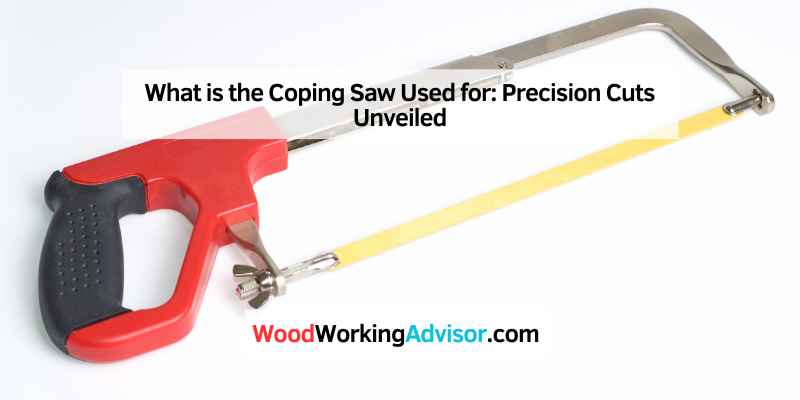
A coping saw is used to cut intricate shapes and curved trims in woodworking and carpentry. It allows for seamless fittings between two surfaces and is commonly used for coping moldings and cutting fine curves.
With a coping saw, you can create precise and detailed cuts in wooden materials, making it a valuable tool for finish carpentry and trim work. Coping saws are essential for achieving clean and accurate cuts, especially in intricate woodworking projects.
They are particularly useful for creating curved trims for roof eaves and cutting out complex shapes in wooden materials. The versatility of coping saws makes them a valuable asset for any woodworker or carpenter looking to achieve precise and professional results in their projects. Whether it’s coping moldings or clearing waste in joinery, a coping saw is an indispensable tool for achieving seamless and precise cuts in woodworking and carpentry projects.
Introduction To The Coping Saw
A coping saw is a type of bow saw that is used to cut intricate external shapes and interior cut-outs in woodworking or carpentry. It is primarily used to “cope” or saw the crossings between two surfaces to allow them to fit together seamlessly.
With a coping saw, one can cut out any intricate shape in wooden materials or make curved trims for roof eaves.
A Brief History
The coping saw is a versatile tool that has been in use for centuries. Its origin can be traced back to the early 16th century when it was mainly used by carpenters and woodworkers to create intricate designs and patterns on wood. Over the years, the coping saw has undergone several modifications to enhance its functionality and efficiency. Today, the coping saw is a must-have tool for any professional woodworker or DIY enthusiast.
Basic Anatomy Of A Coping Saw
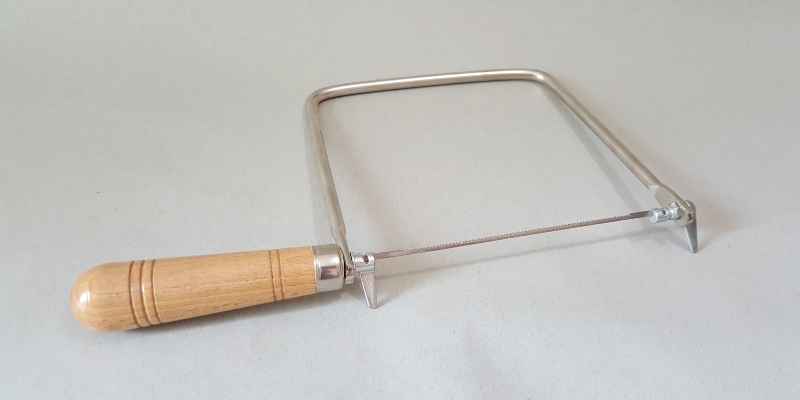
A coping saw consists of a thin, flexible blade that is attached to a C-shaped frame. The blade is usually between 6 and 8 inches long and has small, sharp teeth that allow it to cut through wood with ease. The frame of the saw is made of metal and has a handle at the top that provides a comfortable grip for the user. The frame also has a tightening mechanism that allows the user to adjust the tension of the blade for different cutting tasks.
The blade of the coping saw can be easily replaced, making it easy to switch between blades of different sizes and teeth configurations. This feature makes the coping saw a versatile tool that can be used for a wide range of cutting tasks, from intricate designs to simple cuts.
In conclusion, the coping saw is a valuable tool that every woodworker should have in their arsenal. With its ability to make intricate cuts and patterns, it is a must-have for anyone looking to take their woodworking skills to the next level.

Key Features And Design
The coping saw is a versatile tool with a unique design that makes it perfect for various woodworking tasks. Let’s explore the key features and design elements that set the coping saw apart from other saws.
Frame And Blade Structure
The frame of a coping saw is typically made of steel or cast iron, ensuring durability and stability during use. It consists of a handle and a C-shaped frame that holds the blade in place. The handle is designed to provide a comfortable grip, allowing for precise control and maneuverability.
The blade of a coping saw is thin and narrow, often made of hardened steel. This design allows for intricate cuts and precise curves, making it ideal for detailed woodworking projects. The blade is attached to the frame using tensioned pins, ensuring a secure hold while allowing for easy blade replacement.
Adjustable Tension Mechanism
One of the notable features of a coping saw is its adjustable tension mechanism. This mechanism allows you to adjust the tightness of the blade, providing control over the blade’s flexibility and cutting efficiency.
By tightening the tension, you can make the blade stiffer, which is useful for straight cuts and cutting harder materials. On the other hand, loosening the tension increases the blade’s flexibility, making it easier to maneuver around curves and intricate shapes.
This adjustable tension mechanism ensures versatility in cutting different materials and shapes, making the coping saw a valuable tool for various woodworking applications.
With its unique frame and blade structure, as well as the adjustable tension mechanism, the coping saw offers unmatched precision and control for intricate cuts and curves. Whether you need to shape wooden materials or create decorative trims, the coping saw is a must-have tool for any woodworking enthusiast.
Coping Saw Vs. Fret Saw
When it comes to woodworking, having the right tools is essential. Two popular saws that are often used for intricate cuts and shaping wood are the coping saw and the fret saw. While these two saws may seem similar, they have distinct differences in design and functionality. Understanding these differences can help you choose the right saw for your project.
Differences In Design
The coping saw and the fret saw have different designs that make them suitable for specific tasks. Here are the key differences:
| Coping Saw | Fret Saw |
|---|---|
| Has a thin, narrow blade | Has a thicker, wider blade |
| Blade is tensioned by a tensioning screw | Blade is tensioned by a frame |
| Blade can be rotated for cutting at different angles | Blade is fixed and cannot be rotated |
| Designed for cutting tight curves and intricate shapes | Designed for straight cuts and long, sweeping curves |
Choosing The Right Saw For Your Project
When deciding between a coping saw and a fret saw, consider the following factors:
- Type of cut: If your project requires tight curves or intricate shapes, a coping saw is the better choice. If you need to make straight cuts or long, sweeping curves, a fret saw is more suitable.
- Blade thickness: The thickness of the blade determines the minimum radius of the curves you can cut. A thinner blade, like the one on a coping saw, allows for tighter curves.
- Blade rotation: If you need to cut at different angles, a coping saw with a rotating blade is more versatile.
- Blade tensioning: Consider how the blade is tensioned. Some woodworkers prefer the ease of a tensioning screw on a coping saw, while others prefer the stability of a frame tensioning system on a fret saw.
By considering these factors, you can choose the right saw for your specific woodworking project and achieve the desired results.
Blade Selection And Installation
The coping saw is used for cutting intricate shapes and curves in woodworking. Proper blade selection and installation are crucial for achieving accurate and clean cuts. By choosing the right blade and installing it correctly, woodworkers can effectively maneuver around tight corners and create detailed designs with ease.
When it comes to using a coping saw, the selection and installation of the blade are crucial steps that directly impact the cutting performance and overall success of your project. Proper blade selection ensures smooth and accurate cuts, while correct blade installation guarantees stability and precision during operation.
Types Of Blades
There are various types of coping saw blades available, each designed for specific cutting tasks. Choosing the right blade for your project is essential to achieve desired results. Here are some common types of coping saw blades:
| Type | Features |
|---|---|
| Standard Tooth Blade | Designed for general-purpose cutting in wood and other soft materials. |
| Extra-Fine Tooth Blade | Ideal for intricate cuts and precise shaping of delicate materials like veneer and laminates. |
| Coarse Tooth Blade | Used for aggressive cutting in thicker and harder materials such as metal or plastic. |
It is important to select the appropriate blade based on the material you are working with and the type of cut you intend to make.
Steps To Install The Blade Correctly
Installing the coping saw blade properly ensures its stability and allows for efficient cutting. Follow these steps to install the blade correctly:
- Loosen the tensioning screw or knob on the coping saw to release the blade.
- Insert the blade into the saw’s frame, aligning the teeth with the handle.
- Tighten the tensioning screw or knob to secure the blade in place. Ensure the blade is properly tensioned for optimal performance.
- Check the blade’s position and adjust it if necessary, ensuring it is centered and aligned with the handle.
- Verify that the blade is securely fastened by gently pulling on it.
Once the blade is correctly installed, you are ready to start using the coping saw for your cutting tasks.
Remember to regularly inspect the blade for any signs of wear or damage and replace it when necessary. A sharp and properly installed blade will ensure clean and accurate cuts, making your coping saw experience efficient and enjoyable.
Preparing For The Cut
The coping saw is a versatile tool used for cutting intricate shapes and curves in wood. It is commonly used in finish carpentry and trim work for coping moldings and creating seamless joints. This saw allows for precise and detailed cuts, making it a valuable tool for woodworking projects.
Before using a coping saw, it is important to prepare your material by marking it and securing it in place. These steps are essential for achieving a clean and accurate cut.
Marking Your Material
Start by marking the area you want to cut with a pencil or marker. This will give you a guide for where to make your cut and help ensure accuracy. If you are cutting intricate shapes, it may be helpful to draw the shape on a separate piece of paper and use it as a template.
Securing The Workpiece
Once you have marked your material, it is important to secure it in place. This will prevent it from moving around while you are cutting and help ensure a smooth and even cut.
One way to secure your workpiece is to use clamps. Place the clamps on either side of the area you want to cut and tighten them to hold the material in place. If you don’t have clamps, you can also use a vise or even hold the material down with your non-dominant hand.
Another option is to attach your material to a workbench or sawhorse with screws. This will provide a stable surface for cutting and prevent the material from moving around.
By following these steps and taking the time to prepare your material, you can ensure a clean and accurate cut with your coping saw.
Mastering The Cutting Technique
The coping saw is an essential tool for cutting intricate shapes and curved trims in woodworking. It is mainly used to “cope” the crossings between two surfaces, allowing them to fit together seamlessly. This versatile saw is ideal for creating fine curves and clearing waste in joinery, making it a must-have for finish carpentry and trim work.
Mastering the Cutting Technique of a coping saw is essential to achieve precise cuts and curves. This versatile tool can cut through various materials, including wood, plastic, and metal, making it a must-have for any DIY enthusiast.
Starting The Cut
Before starting the cut, ensure that the blade is tightly secured in the saw frame. Position the saw perpendicular to the material and start the cut with a few pull strokes. Use light pressure and let the saw do the work, guiding it along the cut line.
Cutting Curves And Circles
To cut curves, angle the saw as needed and follow the cut line with short strokes. If the curve is too tight, make relief cuts to remove excess material. To cut circles, drill a pilot hole at the center of the circle, insert the saw blade, and start cutting along the circumference.
Making Precision Cuts
To make precision cuts, use a coping saw with a fine-toothed blade and take your time. Use a clamp or vise to secure the material and keep it from moving. For intricate cuts, use a coping saw with a narrow blade and make relief cuts as needed.
In conclusion, mastering the cutting technique of a coping saw is essential to achieve precise cuts and curves. By following these tips, you can use this versatile tool to tackle any DIY project with ease.
Advanced Techniques And Tips
When it comes to using a coping saw, there are a few advanced techniques and tips that can help you achieve more precise and efficient cuts. By mastering these techniques, you’ll be able to tackle a wide range of projects with ease.
Using One Or Two Hands
One of the key aspects of using a coping saw effectively is understanding how to grip and control the saw. You have the option to use either one or two hands, depending on the complexity of the cut and your personal preference.
When using one hand, hold the handle firmly and guide the saw with your dominant hand. This technique works well for simple and straight cuts.
For more intricate and curved cuts, using two hands can provide better control and stability. Grip the handle with your dominant hand and place your other hand on the frame of the saw to guide the blade along the desired path.
Turning The Blade Mid-cut
In certain situations, you may need to turn the blade of the coping saw mid-cut to navigate around corners or curves. This technique allows you to maintain a continuous and smooth cutting motion.
To turn the blade, simply release the tension on the saw by loosening the blade clamp. Rotate the blade to the desired angle, re-tighten the clamp, and continue cutting.
Dealing With Different Materials
Coping saws are versatile tools that can handle a variety of materials, including wood, plastic, and even metal. However, it’s important to adjust your technique based on the material you’re working with.
When cutting through soft materials like wood, apply gentle pressure to avoid splintering. For harder materials, such as metal or plastic, you may need to increase the pressure to ensure a clean cut.
Additionally, consider using the appropriate blade for the material. Blades with finer teeth are ideal for intricate cuts in wood, while blades with coarser teeth are better suited for thicker or tougher materials.
By following these advanced techniques and tips, you’ll be able to maximize the potential of your coping saw and achieve professional-level results in your woodworking projects.
Caring For Your Coping Saw
Proper care and maintenance of your coping saw are essential to ensure its longevity and optimal performance. By following a few simple steps, you can keep your coping saw in excellent condition for years to come.
Cleaning And Maintenance
Regular cleaning is necessary to remove any sawdust or debris that may accumulate on your coping saw. After each use, take a moment to wipe down the saw frame and handle with a clean, dry cloth. This will help prevent the buildup of dirt and ensure smooth operation.
In addition to cleaning, it’s important to perform regular maintenance on your coping saw. Inspect the blade for any signs of wear or damage, such as dullness or bent teeth. If necessary, replace the blade to maintain optimal cutting performance.
Blade Storage And Replacement
When not in use, it’s important to store your coping saw properly to prevent damage to the blade and ensure its longevity. Consider using a blade cover or sheath to protect the teeth from accidental contact and to keep the blade in good condition.
If you need to replace the blade, follow these simple steps:
- Loosen the tension on the saw frame by turning the tensioning knob counterclockwise.
- Remove the old blade by sliding it out of the frame.
- Insert the new blade into the frame, ensuring that the teeth are facing forward.
- Tighten the tensioning knob clockwise to secure the blade in place.
Remember to always use the appropriate blade for the task at hand. Different types of blades are available for cutting different materials, so choose the one that best suits your needs.
By following these care and maintenance tips, you can ensure that your coping saw remains in excellent condition and continues to provide precise and accurate cuts for your woodworking projects.
Projects And Applications
A coping saw is a versatile tool used for cutting intricate shapes and making curved trims in woodworking. It is specifically designed for coping or sawing the crossings between two surfaces to allow them to fit together seamlessly, making it ideal for finish carpentry and trim work.
This saw is perfect for cutting fine curves and clearing waste in joinery, providing precision and control for various woodworking projects and applications.
Trim Work And Finish Carpentry
When it comes to trim work and finish carpentry, a coping saw is an indispensable tool. This versatile saw is perfect for creating seamless joints and intricate cuts in molding and other wooden materials. With its thin, narrow blade and adjustable frame, the coping saw allows for precise, controlled cuts, making it ideal for shaping and fitting trim pieces.
Whether you’re working on baseboards, crown molding, or window casings, the coping saw excels at cutting fine curves and waste removal in joinery. Its ability to cut inside corners by coping one piece of molding to fit snugly against another is what sets it apart from other saws. This technique ensures a clean, professional-looking finish that enhances the overall aesthetics of your trim work.
Creating Artistic Woodworking Pieces
Beyond its practical applications in trim work, the coping saw also offers endless possibilities for creating artistic woodworking pieces. With this saw, you can unleash your creativity and bring your design ideas to life. The coping saw’s nimble blade allows you to cut intricate shapes and patterns with ease, making it a favorite tool among woodworkers who specialize in scrollwork, marquetry, and other decorative woodworking techniques.
Whether you’re crafting delicate wooden ornaments, intricate fretwork, or intricate inlays, the coping saw gives you the precision and control needed to achieve stunning results. Its ability to maneuver through tight curves and intricate details enables you to add intricate embellishments and unique touches to your woodworking projects.
In conclusion, the coping saw is a versatile tool that finds its applications in a range of projects and woodworking applications. From trim work and finish carpentry to creating artistic woodworking pieces, this saw provides the precision, control, and versatility needed to achieve professional-looking results. So, whether you’re a professional carpenter or a woodworking enthusiast, adding a coping saw to your toolkit is a worthwhile investment that will expand your creative possibilities and elevate the quality of your work.
Frequently Asked Questions
Why Would You Use A Coping Saw?
A coping saw is used to cut intricate shapes and curves in wood, especially for trim work and joinery. It allows for seamless fitting of surfaces and can create curved trims for roof eaves.
When Should You Use A Coping Tool?
Use a coping tool when you need to cut intricate shapes in wood or create curved trims. It’s ideal for finish carpentry, trim work, and joinery. Coping tools help maintain positive mental health and are essential for getting through tough times.
What Does A Coping Saw Cut Best When Used To Make?
A coping saw is best used for cutting fine curves and clearing waste in joinery. It is commonly used in finish carpentry and trim work for “coping” molding, where inside corners are joined by cutting the relief of one into the end of the other.
This saw is perfect for creating intricate shapes in wooden materials or making curved trims for roof eaves.
How Do You Use A Coping Saw Correctly?
To use a coping saw correctly, place the saw’s central teeth on the line to be cut and push the saw in a short stroke away from yourself to start the cut. Continue the cut, turning the handle and frame as needed to follow the cut line.
A coping saw is used to cut intricate external shapes and interior cut-outs in woodworking or carpentry.
Conclusion
The coping saw is a versatile tool for cutting intricate shapes and curves in woodworking. It is especially useful for creating coped joints and intricate trims. With the right technique, blade selection, and tensioning, the coping saw can be a valuable asset in any woodworker’s toolkit.
Mastering its use opens up endless possibilities for crafting detailed and precise woodworking projects.