What is the Difference between Hardwood And Engineered Hardwood: A Clear Guide
Have you ever stood in a flooring store, staring at the endless options, and wondered about the real difference between hardwood and engineered hardwood? You’re not alone.
Choosing the right flooring for your home is a big decision, one that impacts not only the look but also the feel and function of your space. Hardwood and engineered hardwood may seem similar at first glance, but they have distinct characteristics that can make a huge difference in your home.
Understanding these differences can save you time, money, and potential headaches. Whether you’re renovating or building from scratch, knowing the pros and cons of each option will empower you to make the best choice for your lifestyle and budget. Dive deeper into this topic and discover which type of flooring truly suits your needs. Keep reading to unlock the secrets that could transform your home’s aesthetic and durability.
Definition Of Hardwood
Hardwood comes from broad-leaved trees. Trees like oak and maple. These trees grow slowly. This makes hardwoods strong and durable. They are often used in furniture. Also in floors and building materials. Hardwoods have a natural beauty. They show unique grain patterns. These patterns are different in each piece of wood. This makes each piece special. Hardwoods can last a long time. With care, they stay beautiful for many years. They are also easy to clean.
Definition Of Engineered Hardwood
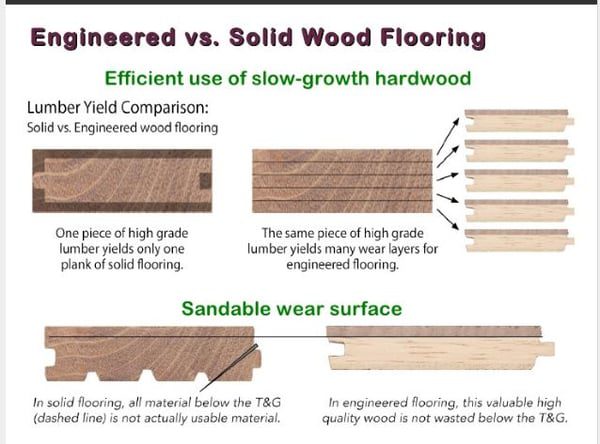
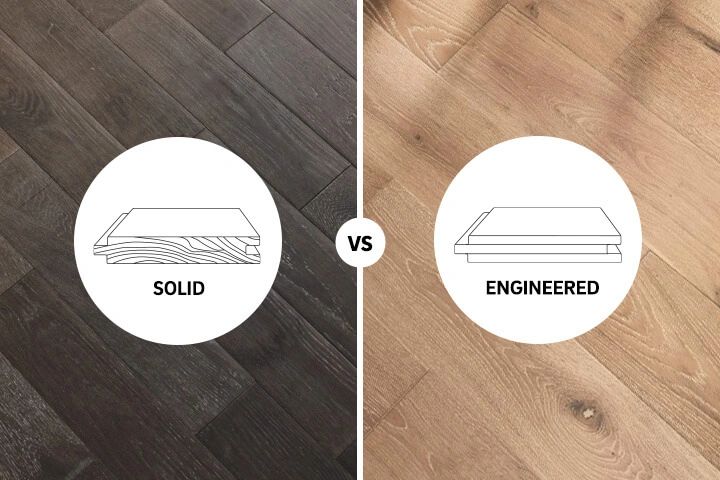
Engineered hardwood is made from layers. The top layer is real wood. Underneath, there are thin layers of wood. These layers are glued together. This makes the wood strong. It does not bend easily. It is less likely to get damaged by water. It can be used in places with high moisture. Engineered hardwood looks like solid hardwood. But it is cheaper. It is easier to install. It can be placed over concrete or other floors. This wood can be refinished. It lasts a long time. But not as long as solid hardwood.
Engineered hardwood comes in many styles. You can find different colors. It fits in any room. It is popular in kitchens and basements. It resists warping. It is good for places with changing weather. It is a smart choice for many homes. People like it because it is easy to care for. It adds beauty to any space.
Production Process
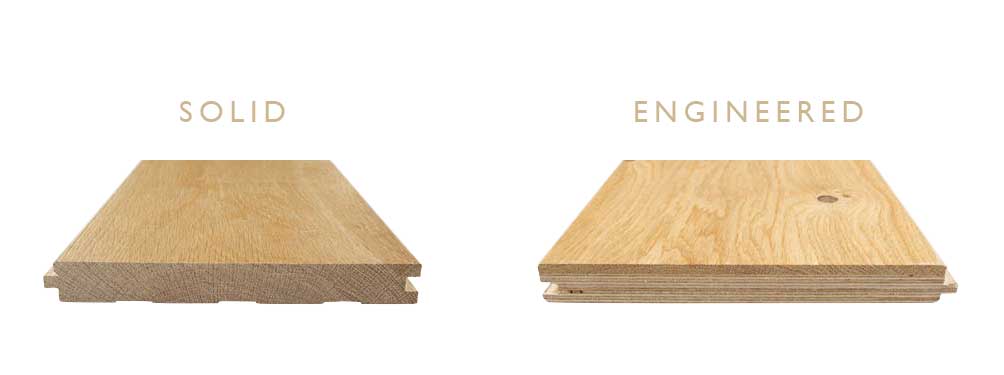
Hardwood comes from real trees like oak or maple. First, workers cut the trees into logs. Then, they saw the logs into thick planks. These planks are dried slowly to remove water. This makes them strong and stable. Finally, the planks are sanded to make them smooth. Hardwood is 100% wood. It feels solid and natural.
Engineered hardwood is different. It has many layers. The top layer is real wood. Underneath, there are plywood layers. These layers are glued together. This makes engineered hardwood strong and stable. It does not change shape easily with weather. Engineered hardwood is good for places with moisture. It looks like real wood but is more affordable.
Credit: woodpeckerflooring.com
Durability And Lifespan
Hardwood can last for many years. It is very strong. The natural wood makes it special. It can be sanded and refinished many times. This helps it stay beautiful longer. Proper care is needed. Sunlight can change its color. Water can cause damage. Regular cleaning helps it stay nice.
Engineered hardwood is also strong. It has several layers. This makes it stable. It does not warp easily. Humidity affects it less. It can be refinished once or twice. This extends its life. It looks like natural wood. Regular cleaning is important. Avoid too much water. This helps it last longer.
Appearance And Aesthetics
Hardwood floors are known for their natural beauty. Each plank has a unique grain pattern. This makes every floor look different. Colors can range from light to dark. Over time, hardwood can develop a rich patina. Scratches or dents add character to the wood. These floors can be sanded and refinished multiple times. This keeps them looking fresh.
Engineered hardwood looks like real wood. It has a thin layer of real wood veneer on top. This gives it an authentic appearance. The grains and patterns are consistent. It often has a smoother finish than solid wood. Colors and styles are diverse. This allows for more design choices. It does not develop a patina like hardwood. Yet, it remains beautiful and durable.
:max_bytes(150000):strip_icc()/engineered-hardwood-vs-solid-flooring-1821677_hero_0203-f8f7a371474d4e24b733fec5edfc46fc.jpg)
Credit: www.thespruce.com
Environmental Impact
Hardwood is sourced directly from trees, requiring more resources and impacting forests. Engineered hardwood uses layers, reducing wood usage and environmental strain. Choosing engineered options can lessen the ecological footprint.
Eco-friendly Aspects Of Hardwood
Hardwood comes from trees that are grown naturally. It is often seen as an eco-friendly option. These trees take years to grow. They provide homes for many forest animals. Cutting down trees can harm the environment. But, hardwood is long-lasting. It can be used for many years. This means less waste. Sustainable forestry practices help protect these trees. They make sure new trees are planted. This keeps the forest healthy. Using hardwood can be a good choice for nature lovers.
Eco-friendly Aspects Of Engineered Hardwood
Engineered hardwood is made from layers of wood. It uses less solid wood. This helps save trees. The top layer is real wood. The other layers are recycled wood fibers. This makes it more eco-friendly. It uses wood that might be wasted. Engineered hardwood is strong. It lasts a long time. It can be made with less impact on forests. It is often seen as a good choice for the planet.
Cost Comparison
Hardwood is often more expensive. Its price range starts around $5 per square foot. Some types can cost up to $10 or more. Prices depend on the wood type. Oak and maple are common choices. Exotic woods cost more. Installation costs add to the price. It can be expensive to install. Hardwood is a long-term investment. It lasts many years.
Engineered hardwood is usually cheaper. Prices start at $2 per square foot. It can go up to $8 depending on the brand. Engineered wood is easier to install. This saves on installation costs. It has a layered construction. The top layer is real wood. It looks like hardwood but costs less. It’s a good option for budget-friendly flooring.
Credit: brunosflooring.com
Installation Methods
Hardwood flooringusually needs nails or staples. Boards are secured to a wooden subfloor. This way is known as the nail-down method. Some choose the glue-down method. Adhesive is used to attach the wood. This works well on concrete subfloors. It takes time and skill.
Professional help is often needed. Installers check the moisture levelfirst. This prevents future problems.
Engineered hardwoodis more flexible. It can be nailed, glued, or floated. The floating methodis popular. Boards snap together without glue or nails. This is faster and easier.
Engineered wood handles humidity changesbetter. It is good for basements or kitchens. Installation costs are often lower. Many do it themselves.
Maintenance Requirements
Hardwood requires regular refinishing to maintain its natural beauty, while engineered hardwood needs less maintenance due to its durable top layer. Both options require cleaning and protection from moisture, but engineered hardwood often fares better in humid environments. Proper care ensures longevity for both types of flooring.
Maintaining Hardwood
Hardwood floors need regular care. Sweeping daily keeps dirt away. Mopping with a damp cloth helps. Avoid using too much water. It can harm the wood. Refinishing might be needed after some years. This keeps the floor shiny and new. Humidity control is also crucial. Wood can expand with moisture. Use a humidifier in dry seasons. Place rugs in high traffic areas. This prevents scratches and wear. Check for damages regularly. Fix small issues quickly to avoid big problems.
Maintaining Engineered Hardwood
Engineered hardwood is easier to care for. Vacuuming often removes dust. A soft broom works too. Use a damp mop for deeper clean. Avoid excess water here as well. Engineered wood is more moisture-resistant. But still, control indoor humidity. Refinishing is less often needed. This wood has a strong top layer. It stays nice for longer. Place mats at doorways. This helps keep dirt out. Check for scratches now and then. Quick fixes keep the floor looking great.
Ideal Use Cases
Hardwood is very strong and lasts a long time. It is best for living rooms, dining rooms, and bedrooms. These places don’t get wet often. Hardwood adds a rich and classic look to homes. It can be sanded and refinished many times. This keeps floors looking like new. Hardwood is not great for wet areas. Avoid kitchens and bathrooms. It doesn’t handle water well.
Engineered hardwood is good for rooms with some moisture. It’s perfect for basements and kitchens. The layers make it strong and stable. It can handle temperature changes. Engineered hardwood looks like real wood. It comes in many styles and colors. Easy to install on different surfaces. This makes it a great choice for many homes.
Frequently Asked Questions
What Are Hardwood And Engineered Hardwood?
Hardwood is solid wood cut directly from trees. Engineered hardwood consists of layers of wood bonded together. Both types provide durability and aesthetic appeal. However, they differ in construction, installation methods, and moisture resistance. These factors influence their performance and suitability for various environments.
How Does Durability Compare Between The Two?
Hardwood is generally more durable but can be prone to warping. Engineered hardwood is more stable due to its layered construction. This makes it better suited for areas with fluctuating humidity. Both options can last for decades with proper care and maintenance.
Can You Refinish Engineered Hardwood Like Hardwood?
Engineered hardwood can be refinished, but not as often as hardwood. The top layer of engineered hardwood is thinner. This limits the number of times it can be sanded and refinished. Hardwood allows for multiple refinishing, extending its lifespan significantly.
What Are The Cost Differences Between Them?
Hardwood typically costs more due to its solid composition. Engineered hardwood is often more affordable, offering a similar look at a lower price. However, prices vary based on wood species, quality, and installation method. Both options can add value to your home.
Conclusion
Choosing between hardwood and engineered hardwood depends on your needs. Hardwood offers timeless beauty and durability. Engineered hardwood provides stability and versatility. Both have their unique benefits. Consider your budget and lifestyle. Think about where you will install the flooring.
Each type suits different environments. Hardwood shines in dry areas. Engineered is great for basements and kitchens. Explore your options before deciding. Make an informed choice for your home. Enjoy the warmth and elegance of wood flooring. Both options enhance your living space.
Happy flooring!