Is Rubberwood Sustainable? Yes, With One Real Catch
Yes, rubberwood is sustainable – but only when it comes from a responsibly managed plantation. The core idea holds up: rubberwood is a byproduct of the natural rubber industry, cut only after a rubber tree has spent 25 to 30 years producing latex and stops yielding sap. That’s a genuine win over cutting down a hardwood tree specifically for its timber. But global demand for rubberwood has grown fast enough that some growers have cleared new land, including patches of rainforest, to plant more rubber trees. That’s the part most “rubberwood is eco-friendly” articles leave out, and it’s the difference between a real sustainability story and a marketing line.
The Short Answer: Yes, With One Real Catch
Rubberwood earns its reputation honestly, up to a point. A rubber tree (Hevea brasiliensis) is tapped for latex starting around age 5 to 7, and it keeps producing until its sap yield drops off in its late 20s. Historically, those spent trees were simply burned or left to rot once they stopped producing latex. Today, they’re milled into lumber instead – the same wood you’ll find in furniture, cutting boards, and toys labeled “rubberwood” or “parawood.” That reuse is real, and it does reduce pressure on hardwood forests that would otherwise be cut solely for timber.
Genuine Byproduct-Wood Pick
 |
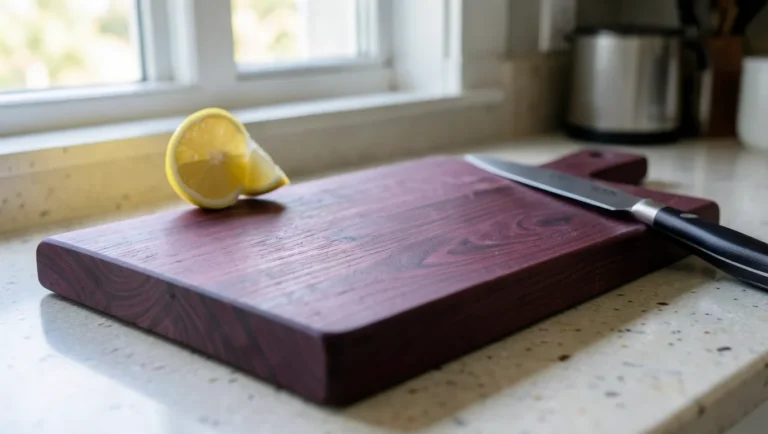
PJ Wood 11×14 Rubberwood Cutting Board – $24.99 A real example of the byproduct-wood reuse this article covers, not a tree cut down solely for its timber.
|
If you want to see that byproduct-reuse idea in a real product rather than just reading about it, a plain rubberwood cutting board is a good example – the wood in it came from a tree that had already finished its useful life as a latex source.
The catch is what happens upstream of that reused tree. Rubberwood and natural rubber demand have both climbed for years, and meeting that demand has meant planting more rubber trees, not just recycling old ones faster. Reporting from National Geographic and The Nature Conservancy has documented rubber plantations expanding onto cleared rainforest land in parts of Southeast Asia, which is the opposite of sustainable. So the honest answer isn’t a flat yes or no – it depends on whether the specific rubberwood you’re buying came from an established, responsibly managed plantation or from newly cleared land.
Why Rubberwood Earned Its Eco-Friendly Reputation in the First Place
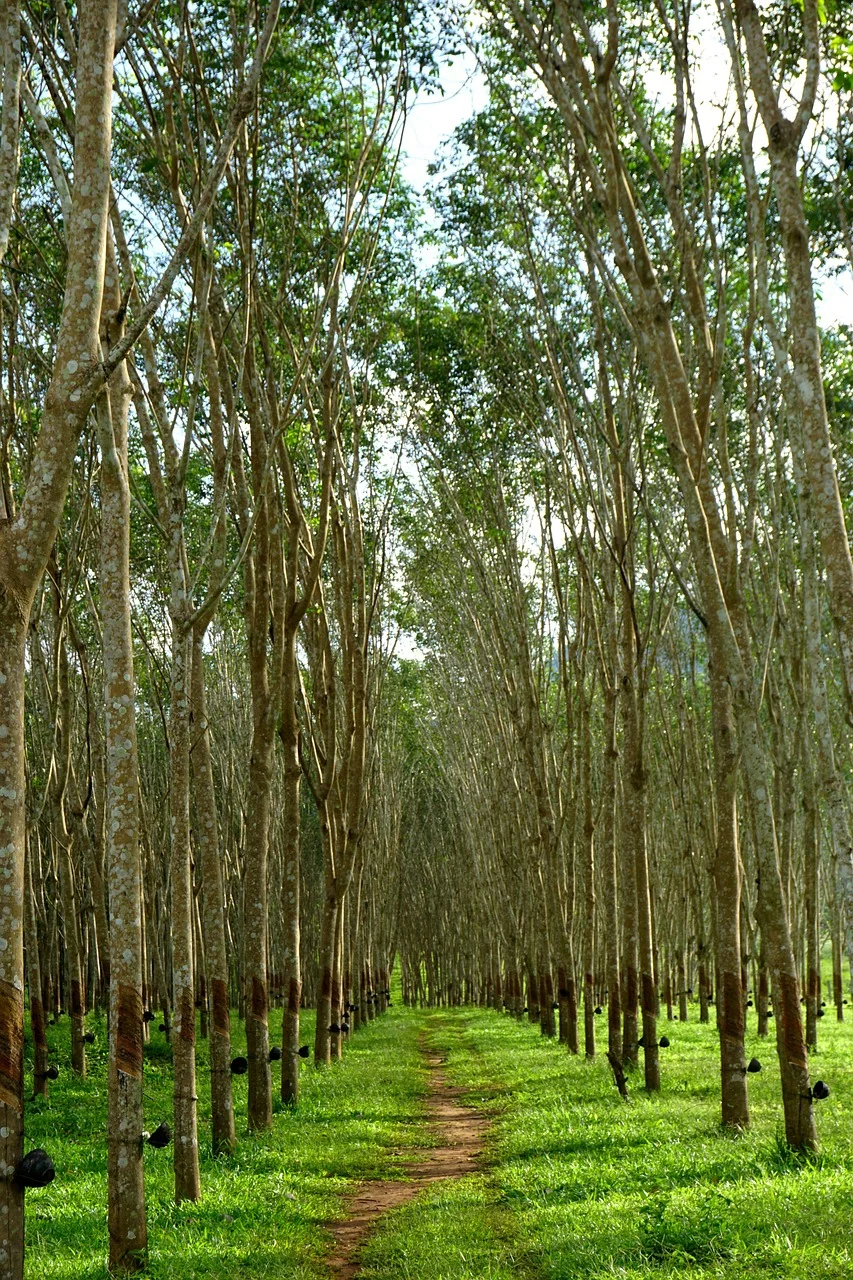
Rubber trees originally came from the Amazon basin in South America, but the vast majority of commercial rubber plantations today are in Southeast Asia – Thailand, Malaysia, Indonesia, and Vietnam produce most of the world’s natural rubber and, by extension, most of the world’s rubberwood. A single tree spends roughly two decades as a working latex source before its output slows down enough that tapping it isn’t worth the labor anymore.
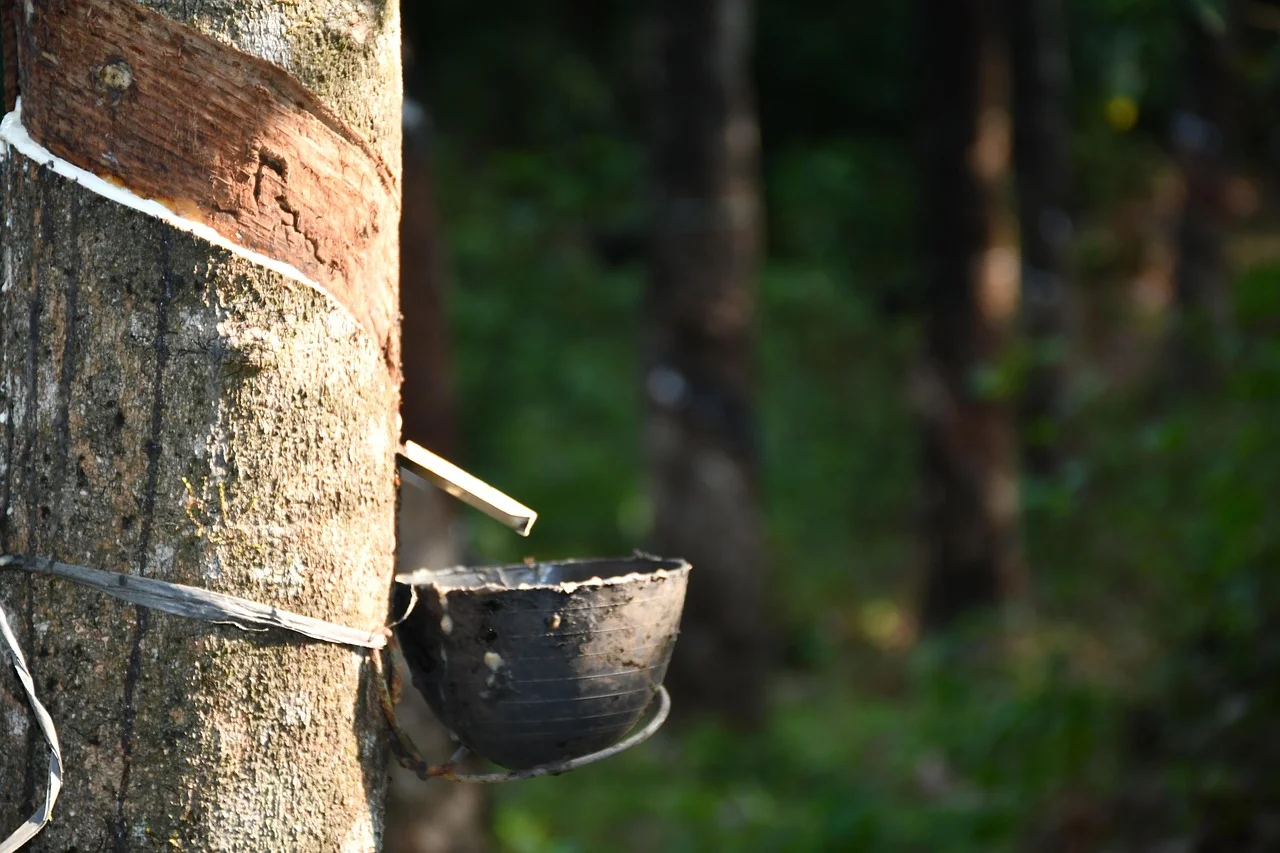
For most of the 20th century, that’s where the story ended: spent trees were felled and burned to clear the land for new saplings, with the wood treated as waste. The shift to milling that wood into lumber instead – starting in earnest in the 1980s in Malaysia – is what actually created the “sustainable” rubberwood industry. It turned a byproduct that used to be smoke and ash into furniture-grade timber, which is a legitimate example of getting more value out of a resource that was already being grown for another purpose.
The Catch: Plantation Expansion Is Eating Into Rainforest
The problem isn’t the recycling step, it’s the growth step before it. Natural rubber is used in far more than furniture – tires alone account for the majority of global rubber demand – and that demand has pushed plantation acreage higher across Southeast Asia for decades. New rubber tree plantations need land, and in several documented cases that land has come from clearing tropical forest rather than replanting on ground that was already agricultural.
This matters for rubberwood specifically because the wood is marketed as an environmental positive – a way to avoid cutting hardwood trees for furniture. That framing is only true if the rubber tree it came from was grown on land that was already a plantation, not on land that used to be rainforest. A rubberwood cutting board made from a 40-year-old tree on an established Malaysian plantation and one made from a tree planted on recently cleared land look identical on a store shelf, but they represent very different environmental outcomes.
How to Actually Verify Sustainable Rubberwood
Since you can’t tell the two apart by looking at the finished product, the practical fix is to check for third-party certification rather than trusting a product description that says “eco-friendly” or “sustainable.” The two certifications that matter here are the Forest Stewardship Council (FSC) and the Programme for the Endorsement of Forest Certification (PEFC). Both require independent audits confirming that a plantation isn’t clearing high-conservation-value forest, is managing replanting responsibly, and is following labor standards.
FSC has been extending certification specifically to rubberwood and bamboo growers in Malaysia, and several major Southeast Asian rubberwood suppliers have publicly committed to sourcing the large majority of their wood from certified plantations within the next few years. When you’re buying rubberwood furniture, flooring, or kitchenware, look for an FSC or PEFC logo or certification claim on the listing. If a retailer can’t say where the wood came from or point to a certification, treat the “sustainable” label as unverified rather than false – it might still be fine, but you have no way to confirm it.
Carbon Footprint and Other Environmental Upsides
Setting the plantation-expansion issue aside, rubberwood does have real environmental advantages once you’re looking at an already-established tree. Rubber trees absorb carbon dioxide throughout their 25-to-30-year growing life, and milling the tree into lumber instead of burning it keeps that carbon locked in the wood rather than releasing it into the atmosphere immediately. Rubber plantations, while not equivalent to a wild forest, also support more biodiversity than a clear-cut monoculture with nothing else growing in it – many operations intercrop or allow understory vegetation that provides habitat for insects and small animals.
Rubberwood is also a fast-maturing hardwood alternative compared with something like teak, which typically needs 20 to 80 years to reach a usable size purely as a timber crop. Because rubberwood is essentially a second harvest from a tree grown for a different primary purpose, it doesn’t carry the same land-use cost per board foot as a hardwood species planted and grown only to be cut down.
Durability and Best Uses for Rubberwood
Rubberwood is a moderately dense hardwood – harder than pine, softer than oak or teak – which makes it a practical choice for furniture, cutting boards, toys, and picture frames. It takes stain and finish well, carves cleanly, and has a light, even grain that works in both modern and traditional interiors. It’s also one of the more affordable hardwoods on the market, since the tree’s cost was already recovered through decades of latex production before it’s ever milled.
Where rubberwood falls short is moisture and outdoor exposure. It isn’t naturally rot- or water-resistant the way teak is, so it’s a poor choice for anything left outdoors or exposed to standing water – it will warp, swell, or develop mold without a sealed finish. For kitchen items specifically, that means drying a rubberwood cutting board immediately after washing rather than letting it air-dry wet.
Rubberwood vs Other Woods
Compared with hardwoods grown solely for timber, rubberwood’s sustainability case is strong for the reason already covered: it reuses a tree that was going to be cut down anyway. Solid rubberwood also holds up reasonably well against other solid woods on cost and durability, though it’s softer than oak, maple, or teak. Against acacia, another common furniture wood, the choice comes down more to hardness and water resistance than sustainability, since acacia is also often grown on working plantations rather than harvested from old-growth forest.
Common Concerns With Rubberwood
Rubberwood’s biggest practical weakness isn’t its environmental record, it’s pest resistance. Untreated rubberwood is more vulnerable to termites and other wood-boring insects than naturally oily hardwoods like teak, so most rubberwood furniture is kiln-dried and chemically treated against insects before it reaches a showroom. That treatment is effective, but it does mean rubberwood furniture isn’t automatically “chemical-free” just because the raw material started as a sustainability story.
The other common complaint is softness – rubberwood dents and scratches more easily than oak or maple under daily use, which is worth knowing before you put it under a rolling desk chair or use it as a high-traffic kitchen counter. It’s a better fit for furniture, cutting boards, and decor than for surfaces that take constant abrasion.
Frequently Asked Questions
Is rubberwood actually sustainable, or is that just marketing?
It’s mostly true, but not automatically. Rubberwood is a genuine byproduct of the natural rubber industry – trees are only cut after 25 to 30 years of latex production, so it doesn’t compete with hardwood forests for that timber. The complication is that rising demand for rubber and rubberwood has pushed some growers to plant new acreage on cleared rainforest land, which isn’t sustainable. Look for FSC or PEFC certification to know you’re getting rubberwood from a responsibly managed plantation rather than newly cleared forest.
What does FSC-certified rubberwood mean?
FSC (Forest Stewardship Council) certification means the plantation the wood came from was independently audited for responsible forestry practices – no clearing of high-conservation-value forest, responsible replanting, and fair labor standards. FSC has extended certification to rubberwood and bamboo growers in Malaysia, and several Southeast Asian rubberwood suppliers have committed to sourcing most of their wood from certified plantations within the next few years.
Is rubberwood more sustainable than teak or oak?
In terms of raw material efficiency, yes – rubberwood gets a second useful life out of a tree that was already being grown for latex, while teak and oak are cut specifically for their timber. Teak in particular takes 20 to 80 years to mature and is more often linked to tropical deforestation when it isn’t certified. That said, rubberwood is softer and less weather-resistant than teak, so it’s a better sustainability choice for indoor furniture than for outdoor pieces exposed to the elements.
How long does a rubber tree produce latex before it’s harvested for wood?
About 25 to 30 years. A Hevea brasiliensis tree starts producing usable latex around age 5 to 7 and keeps getting tapped until its sap yield drops off, typically in its late 20s. At that point it’s cut down and milled into rubberwood for furniture, flooring, and cutting boards instead of being burned, which is the original practice this entire sustainability argument is based on.
Conclusion
Rubberwood’s sustainability story is real, but it’s a conditional yes rather than an unconditional one. The wood itself is a genuine byproduct of trees that already spent decades producing latex, and using it instead of burning it is a legitimate environmental improvement. The part worth paying attention to is where the tree grew – an established plantation is a very different environmental story than land that was rainforest a few years ago. Checking for FSC or PEFC certification is the simplest way to buy rubberwood that lives up to the label instead of just repeating it.
Sponsored / affiliate links. As an Amazon Associate I earn from qualifying purchases. I may earn additional commission from eligible campaigns.