
What is Wacky Wood? Uncover the Quirky Secrets!
Wacky Wood is a type of particle board made from recycled wood chips and glue. It is commonly used as a building material for furniture, flooring, and walls due to its durability and affordability.
Wacky Wood is a versatile and eco-friendly building material that has gained popularity in recent years. It is made from recycled wood chips and glue, making it an environmentally conscious choice for construction projects. This type of particle board is known for its durability, affordability, and ease of use.
Wacky Wood can be found in a variety of applications, including furniture, flooring, and walls. It is a popular choice for DIY projects and home renovations due to its versatility and cost-effectiveness. Additionally, Wacky Wood is easy to paint and stain, allowing for customization to fit any design aesthetic. Overall, Wacky Wood is a great choice for those looking for an affordable and sustainable building material.
Introduction To Wacky Wood
Wacky Wood is a unique material that offers endless possibilities for creativity and fun. With its vibrant colors and flexible nature, it can be used for various crafts, DIY projects, and even as a building material. Discover the world of Wacky Wood and let your imagination run wild!
A Curious Phenomenon
Wacky Wood is a curious phenomenon that has been puzzling scientists and nature enthusiasts for years. This rare occurrence can only be found in a few select places around the world, and it is characterized by the unusual bending and twisting of trees. The phenomenon is not fully understood, and there are many theories as to why it happens. Some believe it is due to the unique soil conditions in the area, while others think it may be caused by strong winds or other environmental factors.
First Encounters
The first recorded encounters with Wacky Wood were in the early 20th century, when explorers stumbled upon these twisted trees while trekking through remote areas of the world. The strange formations were a mystery to these early adventurers, who had never seen anything quite like it before. Over time, as more and more people became aware of Wacky Wood, scientists began to study the phenomenon and try to unravel its mysteries.
Exploring Wacky Wood
Exploring Wacky Wood can be an exciting and rewarding experience for those who are interested in nature and science. Visitors to these areas can witness firsthand the unusual shapes and formations of the trees, and learn about the various theories as to why they grow this way. Some Wacky Wood areas have even been designated as nature reserves, in order to protect these unique formations and the plants and animals that call them home.
Wacky Wood is a fascinating and mysterious phenomenon that continues to captivate the imaginations of scientists and nature enthusiasts alike. While there is still much to learn about this curious occurrence, one thing is certain: the twisted and bent trees of Wacky Wood are a testament to the incredible power of nature, and the many wonders that can be found in the natural world.
Origins And Composition
When it comes to Wacky Wood, understanding its Origins and Composition is essential.
Natural Formations
- Occurs naturally in forests
- Comes from various tree species
Human Contributions
- Processed for commercial use
- Enhanced with treatments for durability
Varieties Across The Globe
Wacky Wood, a unique material known for its versatility and eco-friendly properties, comes in various forms across the globe. From the lush rainforests of South America to the dense forests of Europe, each region offers its own distinct varieties of Wacky Wood. In this section, we will explore the regional differences and notable examples of Wacky Wood from around the world.
Regional Differences
Wacky Wood exhibits fascinating regional differences, influenced by the specific climate, soil conditions, and tree species found in different parts of the world. These variations give rise to unique characteristics and appearances, making each type of Wacky Wood truly one-of-a-kind.
Let’s take a closer look at the regional differences in Wacky Wood:
- South America: The rainforests of South America are home to some of the most exotic and vibrant varieties of Wacky Wood. The dense vegetation and humid climate contribute to the growth of species with vibrant colors and intricate grain patterns.
- North America: In the vast forests of North America, Wacky Wood can be found in a range of shades and textures. From the rich reddish-brown hues of cherry wood to the light and airy characteristics of maple wood, each type offers its own unique appeal.
- Europe: European forests boast a diverse array of Wacky Wood varieties, thanks to the continent’s varied climates and tree species. From the deep, dark tones of oak wood to the pale elegance of birch wood, European Wacky Wood is renowned for its durability and beauty.
- Asia: In Asia, Wacky Wood is revered for its strength and resilience. Varieties such as teak and bamboo are highly sought after for their unique properties and sustainability. The warm climate and abundant rainfall in this region contribute to the growth of dense and sturdy Wacky Wood.
Notable Examples
Now that we have explored the regional differences, let’s delve into some notable examples of Wacky Wood from different parts of the world:
| Region | Notable Examples |
|---|---|
| South America | Purpleheart, Cocobolo, Brazilian Rosewood |
| North America | Cherry, Maple, Walnut |
| Europe | Oak, Birch, Beech |
| Asia | Teak, Bamboo, Rosewood |
These notable examples represent just a fraction of the diverse range of Wacky Wood found across the globe. Each variety possesses its own unique characteristics, making it ideal for various applications such as furniture, flooring, and artistic creations.
As we continue our exploration of Wacky Wood, we will delve deeper into the properties and uses of these remarkable materials. Stay tuned for more fascinating insights!
Properties And Characteristics
Wacky Wood is a unique and fascinating material that exhibits a range of distinctive properties and characteristics. From its physical traits to its unique behaviors, Wacky Wood is known for its exceptional qualities that set it apart from traditional woods. Let’s delve into the properties and characteristics of Wacky Wood in more detail.
Physical Traits
Wacky Wood possesses a remarkable combination of physical traits that distinguish it from other types of wood. Its vibrant colors and unusual patterns make it visually captivating, adding a touch of whimsy to any environment. The wood is also notably lightweight, making it versatile for a variety of applications. Its natural resistance to decay and durability make it an ideal choice for outdoor furniture and decorative pieces.
Unique Behaviors
Beyond its physical appearance, Wacky Wood exhibits unique behaviors that contribute to its charm. It has a tendency to change color when exposed to different environmental conditions, adding an element of surprise to its appearance. Furthermore, Wacky Wood has a flexible nature that allows it to be shaped and carved with ease, opening up creative possibilities for artisans and craftsmen.
Wacky Wood In Culture And Mythology
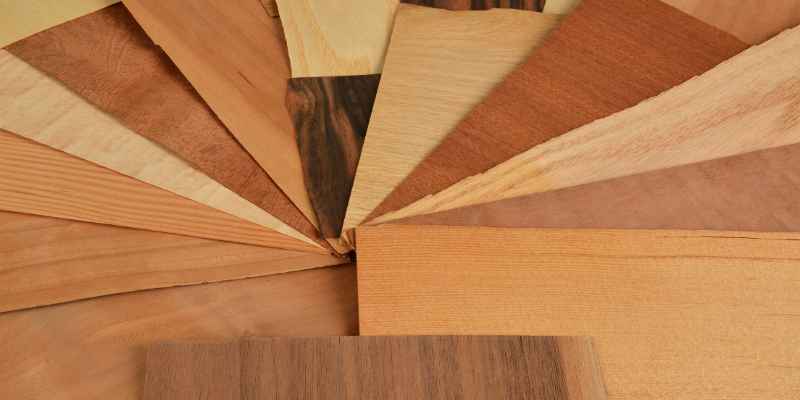
Wacky Wood holds a significant place in various cultures and mythologies around the world. From folklore and tales to symbolic meanings, this unique material has captured the imagination of people for centuries.
Folklore And Tales
Wacky Wood has been intertwined with captivating folklore and tales that have been passed down through generations. In many ancient cultures, it was believed that Wacky Wood possessed mystical properties, capable of bringing luck, warding off evil spirits, and even granting wishes.
One popular folktale tells the story of a brave adventurer who stumbled upon a hidden grove of Wacky Wood trees. According to the legend, anyone who could successfully navigate through this enchanted forest would be granted eternal happiness.
Another fascinating tale revolves around a magical staff carved from Wacky Wood. It was said that whoever possessed this staff would gain the ability to communicate with animals and harness the power of nature.
Symbolic Meanings
The symbolic meanings associated with Wacky Wood vary across different cultures and traditions. In some belief systems, it represents strength and resilience, as the wood itself is known for its durability and unique properties.
Furthermore, Wacky Wood is often seen as a symbol of growth and transformation. Just as the wood undergoes a metamorphosis from a simple tree to a durable material, it serves as a reminder that change is a natural part of life.
Additionally, Wacky Wood is associated with grounding and stability. Its solid and sturdy nature is often seen as a representation of the strong foundation one needs to navigate through life’s challenges.
In certain cultures, the presence of Wacky Wood is considered auspicious and is believed to bring prosperity and abundance. It is often used in rituals and ceremonies to attract positive energy and good fortune.
Overall, the cultural significance and mythological tales surrounding Wacky Wood highlight its timeless appeal and the deep-rooted connection humans have with this extraordinary material.
The Science Behind The Quirkiness
Exploring the science behind the quirkiness of Wacky Wood reveals fascinating insights into the biological and environmental factors that contribute to its unique characteristics. From the unusual shapes of its trees to the vibrant colors of its foliage, Wacky Wood is a natural wonder that captures the imagination. Let’s delve into the intriguing science behind this whimsical woodland.
Biological Explanations
Wacky Wood’s distinct features are the result of genetic anomalies within its plant species. The irregular growth patterns of its trees and the unconventional leaf shapes are attributed to these genetic quirks. This leads to the formation of bizarre tree formations and a diverse range of foliage patterns that set Wacky Wood apart from typical forests.
Environmental Factors
The unique environmental conditions in Wacky Wood play a pivotal role in shaping its whimsical nature. Factors such as mineral-rich soil and ideal temperature fluctuations contribute to the growth of vibrantly colored flora and unusual plant structures. The interplay of these environmental elements results in the extraordinary visual spectacle that is Wacky Wood.
Uses And Applications
Wacky Wood is a versatile material that can be used for a wide range of applications, including crafting, DIY projects, and educational purposes. It is lightweight, easy to work with, and eco-friendly, making it ideal for creative endeavors and hands-on learning activities.
Whether you’re building a model, creating unique art pieces, or teaching children about sustainability, Wacky Wood offers endless possibilities for imaginative expression.
Innovative Designs
The uses and applications of Wacky Wood are vast and diverse.
Practical Uses
Wacky Wood is known for its innovative designs and practical uses.
Innovative Designs
Wacky Wood offers a variety of creative and unique designs.
- Playful shapes for children’s furniture
- Artistic patterns for home décor
- Customizable options for personalized items
Practical Uses
Wacky Wood is not only visually appealing but also highly functional.
- Durable material for outdoor furniture
- Lightweight for easy transportation
- Water-resistant for use in wet environments
Conservation And Sustainability
Wacky Wood is committed to Conservation and Sustainability through various efforts.
Preservation Efforts
Wacky Wood actively preserves natural habitats and protects endangered species.
Sustainable Harvesting
Wacky Wood practices sustainable harvesting techniques to minimize environmental impact.
Wacky Wood In The Art World
Wacky Wood is a unique material gaining popularity in the art world. It offers artists a creative and unconventional medium to showcase their talent, with its quirky and unpredictable characteristics.
Inspiration For Artists
Wacky Wood’s unique shapes inspire artists to create imaginative and one-of-a-kind pieces.
Sculptures And Installations
Artists use Wacky Wood to sculpt intricate sculptures and large-scale installations.
How To Find And Work With Wacky Wood
Discover the unique charm of Wacky Wood, known for its whimsical patterns and vibrant colors, perfect for creative projects. Embrace its irregular shapes and textures to create one-of-a-kind pieces that stand out. Explore the beauty of Wacky Wood and unleash your creativity today.
Sourcing Tips
Look for quirky wood pieces in local forests or reclaimed lumber yards.
- Check online marketplaces for unique wacky wood options.
- Visit woodworking shops for insider tips on sourcing wacky wood.
Crafting Techniques
Experiment with unconventional designs to highlight the wood’s wackiness.
- Use bold colors to enhance the wacky patterns in the wood.
- Combine wacky wood with traditional materials for a unique contrast.
Future Of Wacky Wood
As we look to the future, the potential of Wacky Wood is truly exciting. The innovative technologies and sustainable practices being developed promise to revolutionize the industry. Let’s explore the future of Wacky Wood and the advancements that are shaping its path.
Innovations On The Horizon
Wacky Wood is poised to benefit from cutting-edge innovations that are set to transform the way we use and perceive wood. Advancements in nanotechnology are enabling the development of superior wood composites with enhanced strength and durability. These composites are not only eco-friendly but also offer remarkable performance, expanding the potential applications of wood in various industries.
- Nanotechnology is revolutionizing wood composites
- Enhanced strength and durability of wood products
- Expanding potential applications in diverse industries
Challenges And Opportunities
Despite the promising outlook, the future of Wacky Wood also presents a set of challenges and opportunities. One of the main challenges is to ensure that the sustainability of Wacky Wood is maintained as demand grows. This requires a concerted effort to promote responsible forestry practices and renewable sourcing. On the other hand, the increasing demand for sustainable materials presents a significant opportunity for the Wacky Wood industry to thrive and lead the way in sustainable innovation.
- Maintaining sustainability amidst growing demand
- Promoting responsible forestry and renewable sourcing
- Industry’s opportunity to lead in sustainable innovation

Frequently Asked Questions
What Is Wacky Wood?
Wacky Wood is a type of sustainable and eco-friendly building material made from recycled wood fibers and non-toxic binders. It is known for its unique and wavy texture, adding a touch of creativity to any architectural design. Wacky Wood is versatile, durable, and easy to work with, making it an excellent choice for both interior and exterior applications.
How Is Wacky Wood Made?
Wacky Wood is made by combining recycled wood fibers with non-toxic binders and compressing them under high pressure and heat. This process creates a solid and durable material that retains the natural beauty and texture of wood while being environmentally friendly.
The result is a unique and eye-catching building material that is both sustainable and visually appealing.
What Are The Benefits Of Using Wacky Wood?
Using Wacky Wood offers several benefits. Firstly, it is an eco-friendly option as it utilizes recycled wood fibers and non-toxic binders. Secondly, it adds a unique and creative touch to any architectural design with its wavy texture. Additionally, Wacky Wood is durable, versatile, and easy to work with, making it suitable for various applications.
Lastly, it contributes to sustainable construction practices by reducing waste and promoting recycling.
Can Wacky Wood Be Used For Both Interior And Exterior Applications?
Yes, Wacky Wood is suitable for both interior and exterior applications. Its durable and weather-resistant properties make it an excellent choice for exterior cladding, decking, and fencing. Inside, it can be used for wall paneling, ceilings, and even furniture. Whether you are looking to enhance the aesthetics of your outdoor space or add a unique touch to your interior design, Wacky Wood can fulfill your requirements.
Conclusion
Wacky Wood offers a unique and sustainable alternative to traditional wood products. Its versatility and eco-friendly nature make it an attractive choice for various applications. With its growing popularity, Wacky Wood is poised to revolutionize the way we think about wood.
Embrace the wackiness!