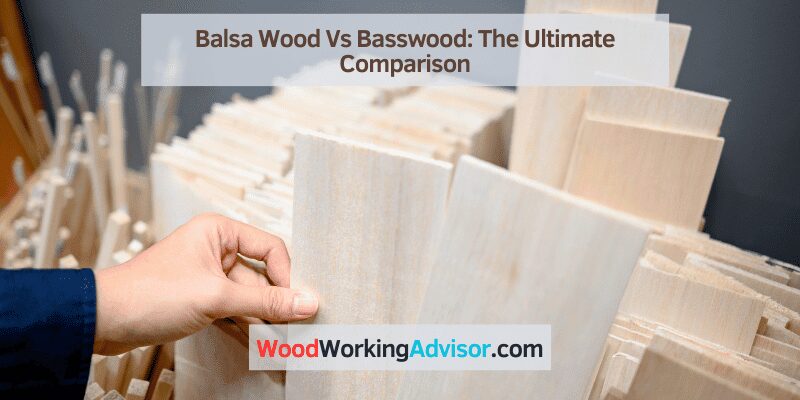
Balsa Wood vs Basswood: Density, Cost & Which to Use
Balsa wood runs about 6-16 lb/ft³ while basswood is roughly 20-26 lb/ft³ — basswood is 2-4x denser, making it the sturdier choice, while balsa wins on strength-to-weight ratio. Picking the wrong one costs real money: balsa prices have climbed since 2018 as Ecuador, source of about 95% of world supply, diverts wood to wind-turbine blade cores. This guide covers real density and cost data, which wood wins for RC aircraft vs. ship models, and genuine substitutes when neither fits.
Understanding Balsa Wood And Basswood
Best Model-Building Wood Pick
Balsa Wood Sticks Variety Pack (Multiple Sizes)
A mixed-size pack covers most RC aircraft framing and small craft projects without buying single sizes repeatedly.
- Best for: RC aircraft framing and lightweight craft models
- Why we picked it: covers the common 1/8″-1/4″ range hobbyists actually use, in one order
- Main drawback: balsa-grade quality varies by batch; inspect for straight grain before use
Compare more model-building wood and tool options
 Option 1 Basswood Carving Blocks Kit
|
 Option 2 X-ACTO Razor Saw Set
|
 Option 3 Precision Hobby Knife Set
|
As an Amazon Associate we earn from qualifying purchases.
Balsa wood and basswood are both popular choices for crafting and model making due to their lightweight and easy-to-work-with properties. Balsa wood is known for its softness and delicate grain, making it ideal for carving, while basswood is denser and offers more durability.
Each wood has its own unique characteristics, making them suitable for various projects.
Characteristics And Properties
Balsa wood, known for its lightness and strength, is a fast-growing tropical hardwood. It features a characteristic creamy-white color and a straight, uniform grain. The low density of balsa wood makes it extremely lightweight yet surprisingly durable, making it favored for various applications. On the other hand, basswood is also a lightweight wood, but it is slightly denser than balsa wood. It has a pale white to cream-colored appearance with a fine, even texture, making it versatile for different uses.
Common Uses In Different Industries
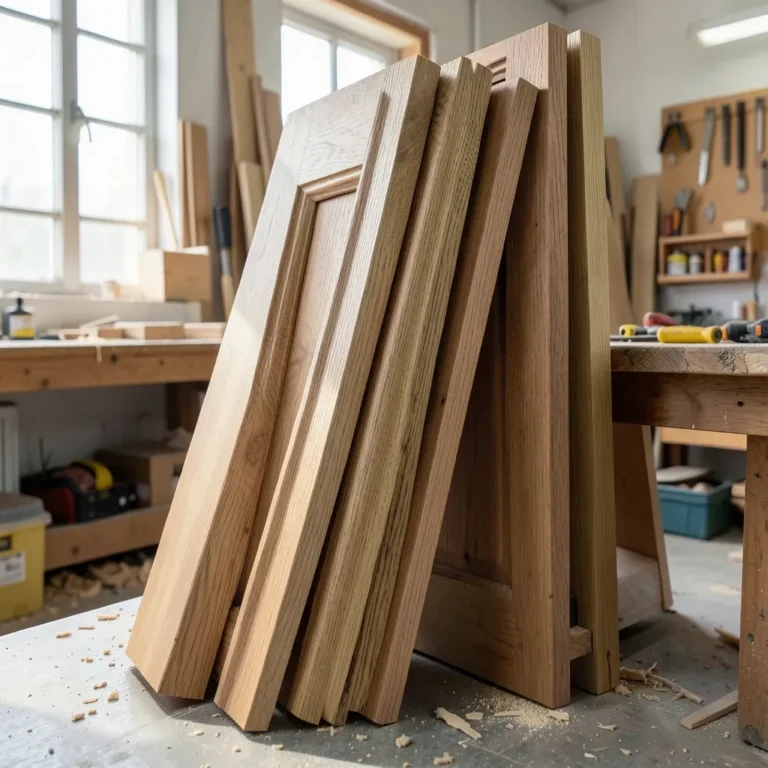
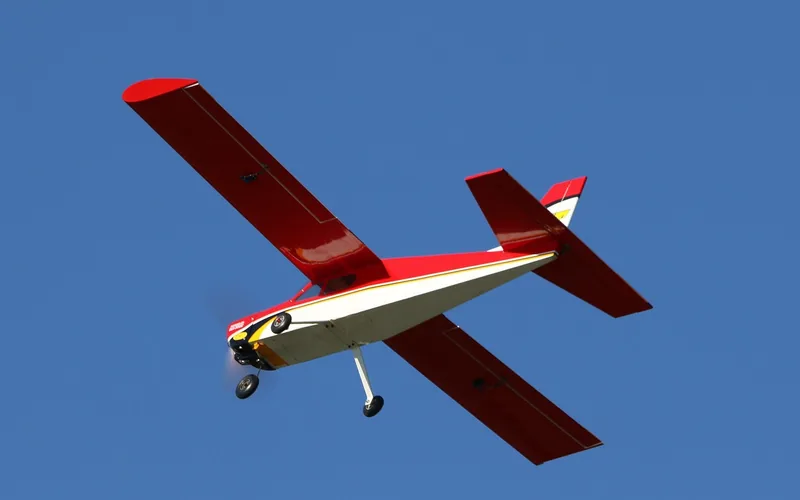
Balsa wood is commonly used in model aircraft, boats, and architectural prototypes due to its exceptional strength-to-weight ratio. It’s also utilized in the construction of surfboards and in the creation of intricate carvings and sculptures. Conversely, basswood is a popular choice for woodcarving, musical instruments, and intricate box making due to its workability, fine grain, and soft yet sturdy nature.
Strength And Durability Comparison
When it comes to choosing between balsa wood and basswood, one of the critical factors to consider is their strength and durability. Understanding the differences in density and hardness, as well as the pros and cons of their strength for various applications, is essential for making an informed decision about which wood type to use.
Density And Hardness Differences
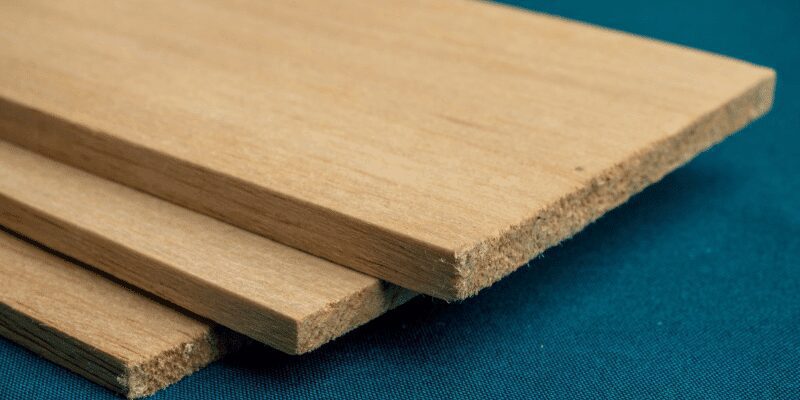
Balsa wood is known for its low density and softness, making it exceptionally lightweight and easy to work with. On the other hand, basswood has a higher density and hardness compared to balsa wood, offering more strength and durability.
Balsa wood is a wood species that typically runs 6-16 lb/ft³ (96-256 kg/m³), with hobby-grade sheet stock commonly averaging around 8-10 lb/ft³. Basswood is a wood species that typically runs 20-26 lb/ft³ (320-420 kg/m³) — roughly 2-4 times denser than balsa, depending on the specific stock compared. Source: The Wood Database, EngineeringToolbox wood density tables. This density gap is exactly why basswood holds screws and glue joints better while balsa wins on pure strength-to-weight for flying models.
Pros And Cons Of Strength For Various Applications
When it comes to strength and durability, basswood is favorable for applications that require sturdiness, such as structural models, carving, and furniture making. While balsa wood may not be as durable, its lightweight nature makes it ideal for applications where weight is a crucial factor, such as aviation models and lightweight prototypes.
Workability And Versatility
When it comes to choosing the right type of wood for your crafting and construction projects, workability and versatility are crucial factors to consider. Both balsa wood and basswood are popular choices due to their unique properties. Understanding their differences in workability and versatility can help you make an informed decision for your next project.
Ease Of Cutting And Shaping
Balsa wood, known for its lightweight and soft nature, is incredibly easy to cut and shape. It can be effortlessly carved with simple hand tools, making it an ideal choice for intricate detailing and delicate designs. On the other hand, basswood, although slightly denser than balsa wood, also offers excellent workability. Its fine, even texture allows for smooth cutting and shaping, making it suitable for a wide range of crafting applications.
Suitable For Different Crafting And Construction Projects
Both balsa wood and basswood are highly versatile and suitable for various crafting and construction projects. Balsa wood’s lightweight and easy workability make it ideal for creating model airplanes, architectural prototypes, and sculptures. Additionally, its buoyancy makes it perfect for crafting floating structures and models. Basswood, with its strong and stable nature, is favored for carving, model making, and creating intricate wooden objects. It is also commonly used in architectural models, furniture making, and musical instrument construction due to its uniform grain and durability.
Which Wood Wins For Model Building?
Model builders rarely need a general answer — the right wood depends on what’s being built. Balsa wood and basswood are not interchangeable across every model type, and using the wrong one shows up as either a too-heavy RC plane or a hull that won’t hold a screw.
| Model type | Better choice | Why |
|---|---|---|
| RC aircraft (skin/structure) | Balsa | Best strength-to-weight ratio for flight; basswood is used only at high-stress points like firewalls and landing gear blocks |
| Ship models (hull, frame) | Basswood | Holds a carving edge, resists rot better than sealed balsa, and takes screws/glue joints more reliably |
| Architecture/bridge models | Basswood (beginners), Balsa (competition low-mass builds) | Basswood’s consistency is easier to work with; balsa’s low mass matters for load-to-weight scoring |
Cost And Availability
When considering the pros and cons of balsa wood vs basswood for your next craft or woodworking project, cost and availability are key factors to consider. Understanding the pricing comparison and availability in different regions and markets will help you make an informed decision on which wood to choose.
Pricing Comparison
Before diving into a new project, it’s essential to understand the cost implications of the materials you plan to use. Cheap craft-store balsa strips are still inexpensive, but hobby-grade balsa sheet and block stock has gotten notably pricier since 2018. Ecuador supplies roughly 95% of the world’s balsa, and a large share now goes to wind-turbine blade cores rather than hobby suppliers — export prices roughly doubled around 2020 (Source: Mongabay, Buffalo Air-Park). Basswood lumber has stayed comparatively stable, commonly running about $5.50-$11 per board foot versus premium hobby-grade balsa at $15-$50 per board foot at specialty retailers (Source: Wood Database, hobbyist forum pricing reports). The cost difference can be significant, especially for larger projects, making basswood a budget-friendly option for many crafters and woodworkers.
Availability In Different Regions And Markets
Both balsa wood and basswood are widely available, but the level of availability can vary depending on your location and local markets. Balsa wood, being native to South and Central America, may be more readily accessible in those regions. However, due to its popular use in various industries, balsa wood is typically stocked by specialized suppliers and hobby stores worldwide.
On the other hand, basswood, native to North America and Europe, is more readily available in these regions. It’s commonly found in lumberyards, craft stores, and online marketplaces, making it easily obtainable for woodworking enthusiasts across different regions.
Environmental Impact And Sustainability
The choice between balsa wood and basswood goes beyond their physical characteristics and applications. Understanding the environmental impact and sustainability of these materials is crucial in making informed decisions. Let’s delve into the Eco-friendly aspects and Long-term impact on biodiversity and ecosystems of both woods.
Eco-friendly Aspects
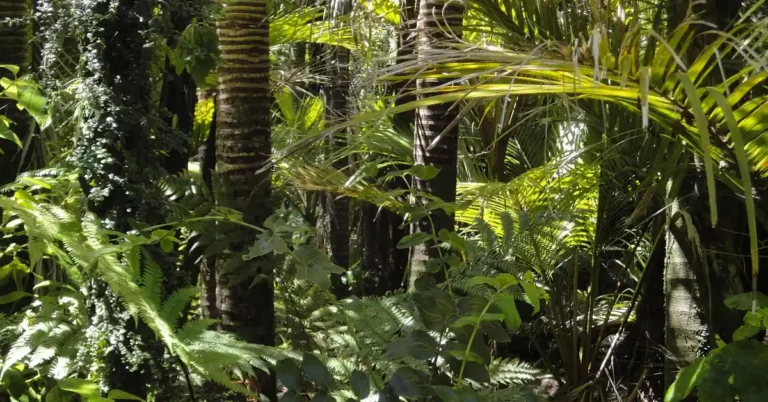
When comparing balsa wood and basswood from an environmental perspective, several factors come into play. Balsa wood is well-known for its rapid growth, with some species reaching maturity in as little as 5 to 10 years. This fast growth rate allows for sustainable harvesting and reduces the pressure on natural forests. On the other hand, basswood, although renewable, generally takes longer to mature, requiring more time to replenish.
Furthermore, balsa wood is often sourced from managed plantations, where trees are regularly replanted to maintain the balance between harvesting and regrowth. This sustainable approach minimizes the impact on natural habitats and promotes biodiversity within the ecosystems.
Long-term Impact On Biodiversity And Ecosystems
The long-term impact of utilizing balsa wood versus basswood extends to their effects on biodiversity and ecosystems. Balsa wood’s rapid growth and sustainable harvesting practices can contribute to the preservation of biodiversity by reducing the need for logging in old-growth forests. Additionally, the establishment of balsa plantations provides habitats for various species, fostering a more diverse and balanced ecosystem.
Conversely, the slower growth rate and longer regeneration time of basswood may lead to more significant disruptions in natural habitats during the harvesting process. This could potentially affect the overall biodiversity and ecological stability in certain regions where basswood is extensively sourced.
Frequently Asked Questions On Balsa Wood Vs Basswood
What Are The Key Differences Between Balsa Wood And Basswood?
Balsa wood is lighter and softer, making it ideal for crafting models, while basswood is harder and denser, suitable for carving and furniture making. Both woods offer different strengths and weaknesses, so choose based on your project needs.
Can Balsa Wood And Basswood Be Used Interchangeably In Projects?
While balsa wood and basswood both have their unique qualities, they can sometimes be used interchangeably, depending on the specific project. Understanding the characteristics of each wood will help determine which is best suited for your needs.
Are Balsa Wood And Basswood Sustainable Materials?
Both balsa wood and basswood are considered sustainable materials, as they are fast-growing and widely available. Their renewable nature makes them environmentally friendly choices for various crafting and building projects.
Is Basswood A Good Substitute For Balsa In RC Aircraft?
No, not for a full airframe. Basswood is 2-4 times denser than balsa, so a basswood-framed RC plane would be too heavy to fly well. Basswood is only used at specific high-stress points on an otherwise balsa airframe, such as firewalls and landing gear mounting blocks.
What Can I Use As A Substitute For Balsa Or Basswood?
Poplar, paulownia, jelutong, and foam board are the most common real substitutes. Paulownia is nicknamed “the other balsa” for its similar light weight and often greater stiffness. Poplar and jelutong work as basswood alternatives for carving, while foam board replaces both woods entirely in architectural models and RC wings where weight matters more than grain.
Real Substitutes When Neither Wood Fits
Poplar, paulownia, jelutong, and foam board are the genuine substitutes hobbyists reach for when balsa or basswood isn’t the right fit — each solves a different limitation of the original two.
- Poplar — harder than basswood, holds fine carved detail well; a reasonable substitute for basswood carving when more durability is needed.
- Paulownia — sometimes called “the other balsa,” similarly lightweight but often stiffer and stronger; a direct balsa substitute for structural model parts.
- Jelutong — a soft, fine-grained hardwood alternative favored by carvers who find basswood too bland-grained or balsa too fragile for detail work.
- Foam board / Gatorboard — not wood at all, but the standard substitute for architectural models and RC wings when weight matters more than wood grain or a natural finish.
Conclusion
Both balsa wood and basswood have their unique characteristics for different uses. Deciding between the two depends on the specific project requirements. Understanding their differences and applications is crucial for choosing the right material for your woodworking projects. Overall, both woods offer versatility and can enhance your craftsmanship.
Sponsored / affiliate links. As an Amazon Associate I earn from qualifying purchases. I may earn additional commission from eligible campaigns.
 46Pack Balsa Wood Sheets Basswood Craft Plywood 12"x12"x1/8", Smooth Wood Blanks, Wood Sheet for Laser Engraving, Suitable for Laser Cutting, Pyrography, DIY Architectural Models & Wood Craft Projects
 Balsa Wood Sheet, 24 Pack Plywood Sheets, Basswood Sheets 12X12X1/16 Inch, Unfinished Wood Boards Blanks for Laser Cutting, Engraving, Burning, Crafts((H305/17-24)