What Kind of Wood for Picnic Table: Best Choices Revealed
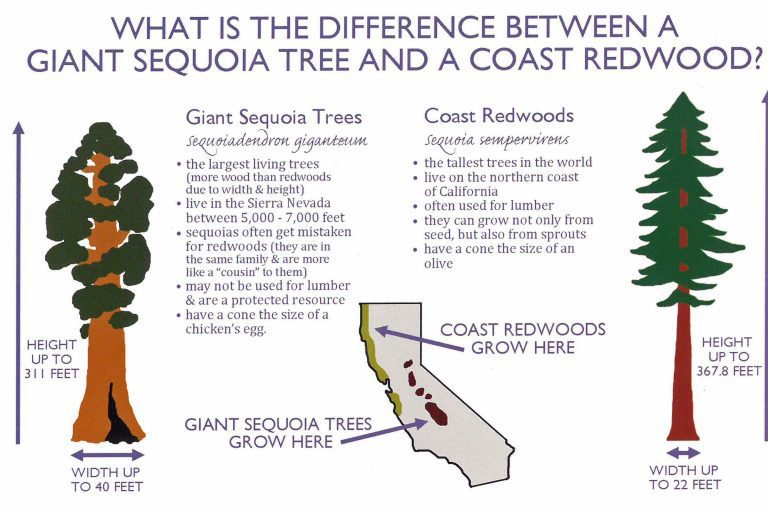
The best wood for a picnic table includes pressure-treated pine, cedar, and redwood. These types are durable, weather-resistant, and ideal for outdoor use.
Choosing the right wood for a picnic table can significantly impact its longevity and appearance. Pressure-treated pine is a popular choice due to its affordability and resistance to rot. Cedar and redwood offer natural beauty and excellent weather resistance, making them suitable for outdoor environments.
Each type has unique characteristics that cater to different preferences and budgets. Understanding the benefits of each wood type helps you make an informed decision. Whether you prioritize durability, aesthetics, or cost, selecting the right wood will enhance your outdoor experience and provide a comfortable space for gatherings and meals.
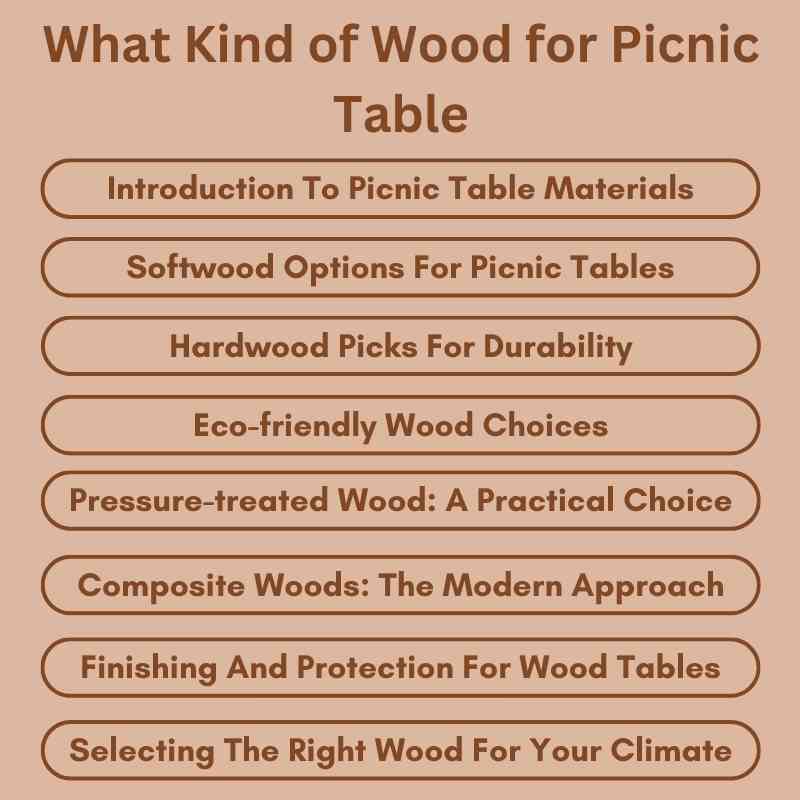
Introduction To Picnic Table Materials
Choosing the right wood for a picnic table is important. Durability, weather resistance, and cost are key factors. Different types of wood have unique properties. Softwoods like pine are affordable and easy to work with. Hardwoods like teak offer great durability but are more expensive.
Maintenance also plays a role in wood selection. Some woods need regular treatment to resist rot. Others are naturally resistant and require less care.
Wooden picnic tables provide many benefits. They offer a classic look and feel. Comfort is another advantage, as wood is warmer than metal. Wooden tables can be customized easily. They can be painted or stained to match your style.
Softwood Options For Picnic Tables
Pine is a popular choice for picnic tables. It is affordable and easy to find. Many people love its customizable nature. You can paint or stain it in many colors. This makes it a great option for personal style.
Cedar offers natural decay resistance. It lasts longer than many other woods. Cedar has a lovely aroma that many enjoy. Its rich color adds beauty to any picnic area. This wood requires less maintenance, making it a smart choice.
Hardwood Picks For Durability
Teak is known for its amazing weather resistance. This wood can handle rain, sun, and snow. It stays strong and beautiful for years. Teak does not warp or crack easily. Its natural oils help protect it from pests.
Oak offers classic strength and a beautiful grain. This wood is very durable and can last a long time. Oak tables can withstand rough use. The unique patterns in oak make each piece special. Its strength makes it perfect for family gatherings.
Eco-friendly Wood Choices
Bamboo is a great choice for picnic tables. It grows quickly and needs less water. This makes it a sustainable option. Bamboo is also very strong, which is perfect for outdoor use.
Reclaimed wood adds charm to picnic tables. It comes from old buildings and furniture. Using this wood reduces waste and helps the environment. Each piece has a unique look, making every table special.
| Type of Wood | Benefits |
|---|---|
| Bamboo | Fast-growing, strong, sustainable |
| Reclaimed Wood | Eco-friendly, unique, reduces waste |
Pressure-treated Wood: A Practical Choice
Pressure-treated wood is a popular choice for picnic tables. It resists rot and insects. This wood type lasts longer than untreated wood. Safety is crucial when using pressure-treated wood. Chemicals used in treatment can be harmful.
Always use a sealant on the surface. This helps protect against moisture. Regular maintenance is essential for longevity. Check for any signs of damage each season. Replace any cracked or splintered boards.
Ensure the table is placed in a dry area. This reduces the risk of mold and decay. Following these steps ensures a safe and durable picnic table.
Composite Woods: The Modern Approach
Composite woods offer many benefits for picnic tables. They are strong and durable. These materials resist weather and insects, making them last longer. Cleaning is easy with just soap and water.
Cost is an important factor. Composite woods can be more expensive than traditional wood. However, their long lifespan often makes them a better investment. You save money on repairs and replacements.
| Aspect | Composite Woods | Traditional Woods |
|---|---|---|
| Durability | High | Medium |
| Maintenance | Low | High |
| Cost | Higher Initial | Lower Initial |
| Longevity | Long | Short |
Finishing And Protection For Wood Tables
Choosing the right finish is key for wood tables. Staining enhances the wood’s natural beauty. It also adds protection against moisture. Use a high-quality sealant to keep your table safe from the elements.
Apply stain evenly with a brush or cloth. Wait for the stain to dry completely. Then, apply a second coat for extra durability. Always follow the manufacturer’s instructions for the best results.
Pests like termites can damage wood. Use natural repellents to keep them away. Regularly check for signs of rot. Treating the wood with preservatives helps prevent decay.
Selecting The Right Wood For Your Climate
Selecting the right wood for a picnic table depends on your local climate. Different woods react differently to heat and moisture. For hot and dry areas, cedar or redwood works well. These woods resist splitting and warping. In humid regions, teak and mahogany are good choices. They can handle moisture without rotting.
Cold climates benefit from pressure-treated pine. This wood is durable and resists decay. Hardwoods like oak and maple are also strong options. They withstand various weather conditions better than softwoods.
| Wood Type | Best For | Benefits |
|---|---|---|
| Cedar | Hot, dry areas | Resistant to splitting |
| Teak | Humid regions | Water-resistant |
| Pressure-treated pine | Cold climates | Durable and decay-resistant |
Conclusion: Making Your Decision
Choosing the right wood for your picnic table is essential. Cost, aesthetics, and durability play key roles in the decision. Here are some popular wood types:
| Wood Type | Cost | Durability |
|---|---|---|
| Pressure-Treated Pine | Low | High |
| Cedar | Medium | Medium |
| Redwood | High | High |
| Teak | Very High | Very High |
Pressure-treated pine is affordable and lasts long. Cedar offers a nice look and decent strength. Redwood gives a beautiful finish but costs more. Teak is the most expensive, yet it is very durable.
Frequently Asked Questions
What Is The Best Wood For A Picnic Table?
The best wood for a picnic table includes cedar, redwood, and pressure-treated pine. These woods are durable, resistant to decay, and can withstand outdoor elements. Cedar and redwood are naturally resistant to insects, while pressure-treated pine is more affordable and widely available, making it a popular choice.
How Long Does A Wooden Picnic Table Last?
A well-maintained wooden picnic table can last 10 to 15 years. Factors affecting longevity include wood type, weather conditions, and maintenance practices. Regular sealing and staining help protect the wood from moisture and UV damage. Choosing quality wood can significantly enhance the table’s lifespan.
Can I Use Treated Lumber For Picnic Tables?
Yes, treated lumber is suitable for picnic tables. It is chemically treated to resist rot, insects, and weather damage. However, ensure the wood is safe for food contact if planning to use it for dining. Always allow treated wood to dry before applying any finishes or sealants.
Is Hardwood Better Than Softwood For Picnic Tables?
Hardwood is generally more durable than softwood for picnic tables. Hardwoods like oak and maple offer strength and longevity. However, softwoods like pine and cedar are lighter and often more affordable. Your choice should depend on budget, desired durability, and aesthetic preferences.
Conclusion
Choosing the right wood for your picnic table is essential for durability and aesthetics. Consider options like cedar, redwood, or pressure-treated pine for longevity and resistance to the elements. Ultimately, selecting quality wood will enhance your outdoor experience and ensure your picnic table stands the test of time.
Enjoy your gatherings!