Palisander vs Walnut: Hardness, Cost & CITES Rules Compared
Walnut rates 1,010 lbf on the Janka hardness scale. “Palisander” — the European name for rosewood — is usually 2 to 3 times harder, but the number depends entirely on which species is actually in the board, because more than one wood is sold under that name.
That distinction matters for more than bragging rights. Genuine palisander (botanically Dalbergia) has been restricted under CITES since January 2, 2017, which affects how it can legally cross borders. A very similar-looking wood sold under the same name is not restricted at all. Below is what each wood actually is, the real hardness numbers by species, and how to tell which one you’re buying before you pay exotic-wood prices for it.
Palisander Wood: Species, Hardness, and the CITES Confusion
BEST ROSEWOOD LOOK WITHOUT THE CITES PAPERWORK
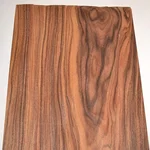 |
Santos Rosewood Raw Wood Veneer Sheet, 9.5″ x 80″ – $60.35 Machaerium scleroxylon (“Santos rosewood”) gives you the same dark, streaked palisander look discussed below without the Dalbergia import restrictions.
|
“Palisander” isn’t a botanical name — it’s a European (mostly German) trade term, and it has been applied to at least three different genera over the last century. Knowing which one is in front of you changes both the price and whether you need paperwork to move it across a border.
What “Palisander” Actually Refers To
Most of the time, “palisander” means East Indian Rosewood (Dalbergia latifolia) — the wood most European furniture and instrument makers have called by that name for over 300 years. It can also refer to Brazilian/Rio rosewood (Dalbergia nigra), the rarer and more strictly regulated of the two. Both belong to the genus Dalbergia.
Here’s the part most comparison articles skip: a third wood, Machaerium scleroxylon — sold as “Santos rosewood,” “Bolivian rosewood,” or “morado” — is routinely marketed as “palisander” or generic “rosewood” because it looks almost identical, down to the dark streaking. It is not a Dalbergia species, and it is not covered by the CITES listing described below. If a listing just says “rosewood veneer” with no species named, there’s no way to know from the name alone which of these three woods you’re actually getting — always ask the seller for the botanical name before buying, especially if you plan to ship a finished piece internationally.
The CITES Rule (What Changed in 2017 and Why It Still Matters)
At CITES CoP17 in October 2016, every species in the genus Dalbergia — over 300 species, including both kinds of genuine palisander — was added to CITES Appendix II, effective January 2, 2017. In practice this means:
- Commercial international trade in Dalbergia lumber, veneer, or finished goods requires CITES export/import permits.
- Personal, non-commercial items under 10 kg (about 22 lb) — a finished guitar, a jewelry box — are exempt, so a musician traveling with a rosewood-fretboard guitar doesn’t need a permit.
- Brazilian rosewood (Dalbergia nigra) is under the even stricter Appendix I, and has been since 1992 — new commercial harvest is essentially off the table regardless of the 2017 rule.
- Machaerium scleroxylon (“Santos”/”Bolivian” rosewood) is not a Dalbergia species and is not on the CITES list at all — this is why it’s become the practical substitute for the palisander look in the U.S. market.
None of this affects buying a finished, already-imported piece of furniture in the U.S. — it mainly matters if you’re sourcing raw lumber/veneer internationally, reselling finished goods across borders, or shipping an instrument overseas.
Characteristics Of Palisander (True Dalbergia Species)
- Hardness: East Indian Rosewood (D. latifolia) rates about 2,440 lbf on the Janka scale; Brazilian/Rio rosewood (D. nigra) runs higher, roughly 2,720–3,170 lbf depending on the specific board and source. Either way, that’s 2.4 to over 3 times harder than walnut’s 1,010 lbf.
- Durability: Dense and naturally resistant to rot and insect damage, which is part of why it was historically prized for outdoor and high-wear furniture.
- Workability: The density that makes it durable also dulls blades fast — expect to use carbide-tipped tools, and watch for natural silica deposits that accelerate wear.
- Color and grain: Reddish-brown to purplish-brown heartwood with darker interlocked streaking; it darkens further with age and UV exposure.
Uses And Applications Of Palisander Wood
Palisander’s strength and resonance make it a fixture in a few specific categories:
- Furniture making: High-end cabinets, tables, and headboards where the dramatic grain is the selling point.
- Musical instruments: Guitar fretboards and backs/sides, piano cases, and woodwind components, prized for tone and resonance.
- Decorative items and inlay: Carvings, small boxes, and marquetry, where a little wood goes a long way.
- Veneers: Because solid palisander is expensive and CITES-encumbered, most modern furniture uses palisander veneer over a cheaper substrate rather than solid lumber.

Walnut Wood
Walnut wood doesn’t try to compete with palisander on hardness or rarity — its appeal is that it’s a genuinely good, sustainably available domestic hardwood with a warm color and straight grain that suits far more budgets and projects.
Overview Of Walnut Wood
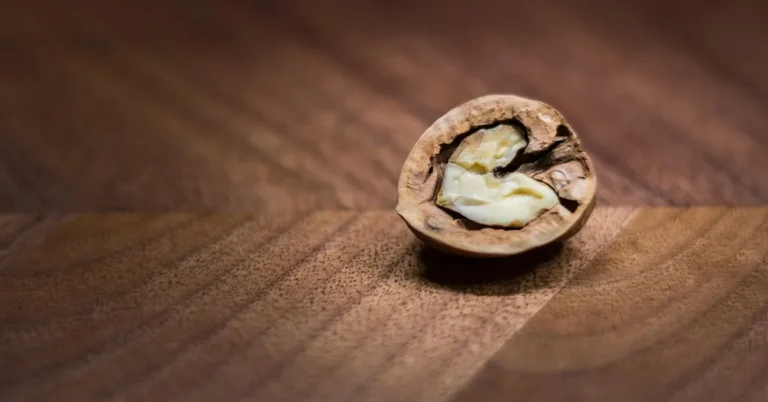
American Black Walnut (Juglans nigra) is the walnut species used in most U.S. furniture and flooring. It grows across the eastern and central United States, is not subject to any international trade restriction, and has been a staple cabinet wood for over a century.
Characteristics Of Walnut Wood
- Hardness: 1,010 lbf on the Janka scale — solidly mid-range among domestic hardwoods, harder than pine or poplar but softer than oak or hard maple.
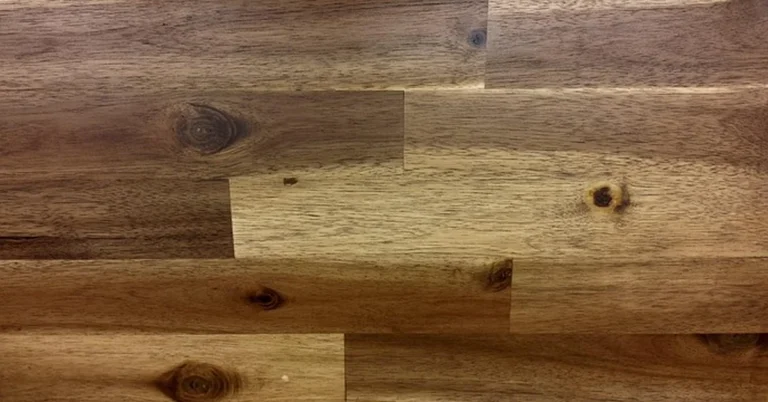
- Color and grain: Deep chocolate-brown heartwood with a pale sapwood band; grain is usually straight, occasionally wavy or curly in figured boards.
- Workability: One of the easiest hardwoods to machine, cuts, and sands cleanly with standard tooling — no carbide required.
- Stability: Low seasonal movement compared to most hardwoods, which is why it holds up well in flooring and tabletops.
Uses And Applications Of Walnut Wood
| Applications | Description |
|---|---|
| Furniture | Walnut is a mainstay for dining tables, cabinets, and case pieces where a warm brown tone works with almost any interior style. |
| Flooring | Walnut wood flooring is popular for its color, though at 1,010 lbf it dents more easily than oak or hard maple in high-traffic areas. |
| Craftsmanship | Its clean machining makes it a favorite for carving, turning, and detailed joinery. |
| Instrument Making | Used for guitar bodies and, less often, backs/sides — valued for tone but for different reasons than dense woods like palisander. |
Palisander Vs Walnut: Full Comparison
Both woods show up constantly in “which wood should I use” discussions. Here’s how they actually stack up once you separate real numbers from marketing language.
Appearance And Color
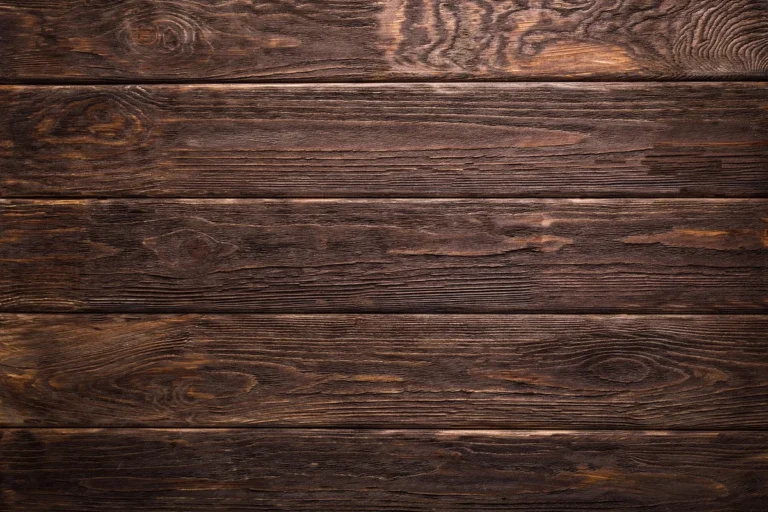
Palisander runs reddish-brown to purplish-brown with pronounced, often interlocked dark streaking — it reads as “exotic” at a glance. Walnut is a more even chocolate-brown with straight grain, occasionally wavy or curly in figured boards. Both darken somewhat with age and light exposure.
Durability And Hardness
This is the biggest real gap between the two. Walnut sits at 1,010 lbf on the Janka scale. Genuine palisander ranges from about 2,440 lbf (East Indian Rosewood) up to 2,720–3,170 lbf (Brazilian/Rio rosewood) depending on the source — roughly 2.4 to over 3 times harder. That extra hardness means better dent and wear resistance, but it also means palisander is genuinely harder on tools: expect faster blade dulling and a need for carbide-tipped bits.
Price And Availability
Palisander/rosewood veneer and lumber typically run well above domestic hardwood prices — driven up by both rarity and the CITES paperwork required for international commercial shipments. Walnut, compared to other premium hardwoods, is far easier to source domestically at a stable, moderate price — most lumber yards and specialty suppliers stock it in multiple grades.
Suitability For Different Furniture Styles
Palisander’s dramatic grain suits statement pieces — a headboard, a guitar back, an accent table — where cost isn’t the deciding factor. Walnut is the more versatile everyday choice: it works in traditional and contemporary furniture alike, and it’s the wood most woodworkers reach for when a project needs to look good without needing an exotic-wood budget.
Sustainability And Legal Status
This is where the two woods diverge sharply, and it’s not just about “how sustainable is the harvesting.” Every true Dalbergia species — which covers genuine palisander — has needed CITES export/import permits for commercial international trade since January 2, 2017; Brazilian rosewood specifically has been under the stricter Appendix I since 1992. Walnut carries no such restriction and is widely grown in managed U.S. forests. If your project involves shipping raw palisander lumber or veneer across a border (rather than buying a finished item domestically, or working with a substitute like Santos rosewood), factor the permit requirement into your timeline and budget before you commit.
Frequently Asked Questions Of Palisander Vs Walnut
What Is The Difference Between Palisander And Walnut?
Palisander is the European trade name for rosewood species in the genus Dalbergia, rating roughly 2,440–3,170 lbf on the Janka hardness scale depending on the exact species. Walnut (Juglans nigra) rates 1,010 lbf — meaning genuine palisander is 2.4 to over 3 times harder. Palisander also costs significantly more and, because it’s a Dalbergia species, has needed CITES export/import permits for commercial international trade since January 2, 2017. Walnut carries no such restriction.
Which Wood Is Better For Furniture, Palisander Or Walnut?
For a statement piece where budget isn’t the main constraint, palisander’s hardness and dramatic grain are hard to beat. For most everyday furniture and flooring, walnut is the more practical choice — it’s easier to source, easier to work with standard tools, and doesn’t carry any import-permit complications.
Are Palisander And Walnut Suitable For All Furniture Styles?
Both work across traditional and contemporary styles. Palisander leans toward luxury and antique-style pieces where its color and grain are the focal point. Walnut is more of an all-rounder, equally at home in a minimalist modern build or a traditional dining set.
Is All Wood Sold As “Palisander” Actually CITES-Restricted?
No. Genuine palisander (Dalbergia latifolia or Dalbergia nigra) is CITES-restricted, but wood sold as “Santos rosewood,” “Bolivian rosewood,” or “morado” is actually Machaerium scleroxylon — a different genus that looks similar but isn’t on the CITES list. If a listing doesn’t name the species, ask the seller before assuming either the price or the legal status.
Conclusion
The honest summary: walnut is the practical, affordable, unrestricted choice that suits the vast majority of furniture and flooring projects. Genuine palisander (true Dalbergia rosewood) is harder, more dramatic, and more expensive — and if you’re sourcing raw material internationally rather than buying a finished piece, it comes with real CITES paperwork that walnut simply doesn’t.
Before you pay exotic-wood prices, confirm which wood you’re actually getting. “Palisander” on a listing could mean true Dalbergia rosewood, or it could mean Machaerium scleroxylon sold under the same name — the look is similar, but the price, hardness, and legal status aren’t.
Sponsored / affiliate links. As an Amazon Associate I earn from qualifying purchases. I may earn additional commission from eligible campaigns.