What Nails Do You Use for Baseboards: Best Picks & Tips
To secure baseboards, it is recommended to use finishing nails or brad nails. Baseboards, also known as skirting boards, are an essential element of interior design, providing a finished look to the junction between the wall and the floor.
When it comes to fastening baseboards, selecting the right type of nails is crucial to ensure a secure and long-lasting installation. The most common nails used for baseboards are finishing nails or brad nails. These nails are thin and have small heads, which allows them to be easily concealed and provides a clean, professional finish.
Using the appropriate nails will ensure that your baseboards are securely attached and enhance the overall aesthetics of your space.
Introduction To Baseboard Nailing
Discover the right nails for baseboards to ensure a secure and lasting installation. Using finishing nails or brad nails is ideal for attaching baseboards with precision and minimal visibility. These nails provide a professional finish while holding the baseboards firmly in place.
Purpose Of Baseboards
Baseboards provide a decorative finish to a room.
They cover the joint between the wall and the floor.
Importance Of Choosing The Right Nails
Choosing the right nails ensures a secure and long-lasting installation.
It prevents splitting and damage to the baseboards.
Types Of Nails For Baseboards
When it comes to installing baseboards, using the right type of nails is crucial for a secure and professional-looking finish. There are two main types of nails commonly used for baseboards: finish nails and brad nails. Let’s take a closer look at each of these options:
Finish Nails
Finish nails are a popular choice for installing baseboards. They are thin and have a small head, making them less noticeable once they are driven into the baseboard and wall. These nails are typically made of steel and come in various lengths, such as 1½ inches or 2 inches, depending on the thickness of the baseboard and the depth needed for proper installation.
Brad Nails
Brad nails are another type of nail commonly used for baseboards. They are similar to finish nails but are even thinner and have a smaller head. Brad nails are typically made of galvanized steel or stainless steel, making them resistant to corrosion. They come in various lengths, ranging from ⅝ inches to 2 inches, depending on the thickness of the baseboard and the depth needed for secure attachment.
Both finish nails and brad nails can be used with a nail gun or driven in manually using a hammer. The choice between the two depends on personal preference, the type of baseboard material, and the specific requirements of the project.
It is important to note that using the correct size and type of nail is essential for proper installation. Using nails that are too short or too thin may not provide enough strength to hold the baseboard securely in place, while using nails that are too long or too thick may split the baseboard or the wall.
Before starting your baseboard installation, it is recommended to consult with a professional or refer to the manufacturer’s guidelines to determine the appropriate nail size and type for your specific project. This ensures a successful and long-lasting installation.
Factors To Consider When Selecting Nails
Choosing the right nails for your baseboards is crucial to ensure that they are secure and long-lasting. There are several factors to consider when selecting nails for baseboards, such as the nail length, nail gauge, and material compatibility. Below we will discuss each of these factors in detail.
Nail Length
The length of the nail you use for your baseboards is determined by the thickness of the baseboard and the depth of the wall studs. The nail should be long enough to penetrate through the baseboard and into the wall stud without coming out the other side. Typically, a 2-inch nail is sufficient for baseboards with thickness up to ¾ inch. For thicker baseboards, you may need to use longer nails.
Nail Gauge
The nail gauge refers to the thickness of the nail. The thicker the nail, the more it can hold. For baseboards, it is recommended to use nails with a gauge between 15 and 18. These nails are thick enough to hold the baseboard securely but not so thick that they will split the wood.
Material Compatibility
The material of the nail must be compatible with the material of the baseboard. For example, if you are using a wood baseboard, it is recommended to use nails made of stainless steel or galvanized steel. These materials are resistant to corrosion and rust, which can cause the nails to weaken over time. If you are using a PVC baseboard, it is recommended to use nails made of stainless steel or aluminum as they are compatible with PVC.
By considering these factors, you can ensure that you select the right nails for your baseboards, which will result in a secure and long-lasting installation.
Tools For Baseboard Installation
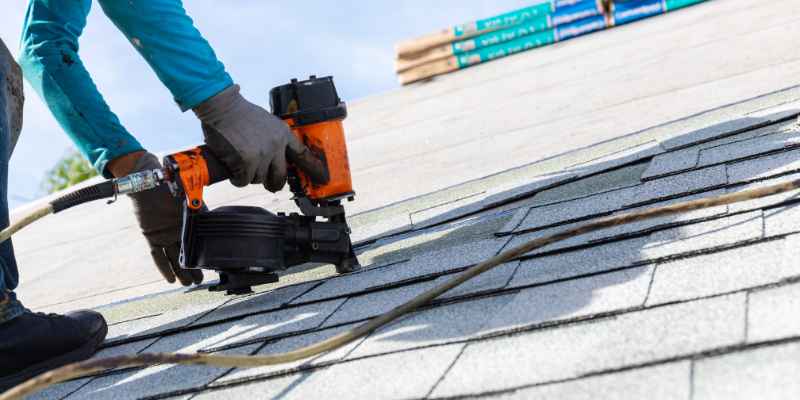
When it comes to baseboard installation, having the right tools is essential for a successful and efficient process. From hammers to nail guns and essential accessories, the choice of tools can greatly impact the outcome of your project.
Hammer Vs. Nail Gun
Choosing between a hammer and a nail gun for baseboard installation depends on personal preference and the scale of the project. While a hammer offers precision and control, a nail gun provides speed and efficiency.
Essential Accessories
When installing baseboards, essential accessories such as a nail set, putty, and a coping saw can aid in achieving a professional and polished finish. A nail set is useful for sinking nails below the surface, while putty helps to fill in any gaps or holes.
Preparation Steps Before Nailing
Before nailing baseboards, it’s essential to complete a few preparation steps to ensure a precise and secure installation. These steps include measuring and cutting the baseboards, as well as marking the nail placement to ensure a professional finish.
Measuring And Cutting Baseboards
Measure the length of the wall where the baseboard will be installed. Use a tape measure to get an accurate measurement, and mark the baseboard accordingly. Then, use a miter saw to cut the baseboard at the marked measurement. Ensure the cut is precise for a seamless fit.
Marking Nail Placement
Once the baseboard is cut to size, it’s crucial to mark the nail placement. Use a pencil to mark the locations where the nails will be driven into the wall. The markings should be evenly spaced and positioned to ensure the baseboard is securely attached.
Nailing Techniques For A Professional Finish
Achieve a professional finish for your baseboards with the right nails. Opt for finishing nails or brad nails for a seamless appearance. Mastering the nailing techniques will ensure a flawless outcome for your baseboard installation.
Angle And Positioning
One crucial aspect of nailing baseboards for a professional finish is getting the right angle and positioning. When nailing, it’s important to hold the nail gun at a slight angle, typically around 15 degrees, towards the baseboard. This angle allows the nail to penetrate the baseboard at an optimal depth without causing any damage or splitting.
Positioning is equally important when it comes to nailing baseboards. To ensure a secure attachment, position the nails approximately 1 inch from the top and bottom edges of the baseboard. This placement helps to prevent any visible nail holes and provides a neater appearance.
Avoiding Splitting Wood
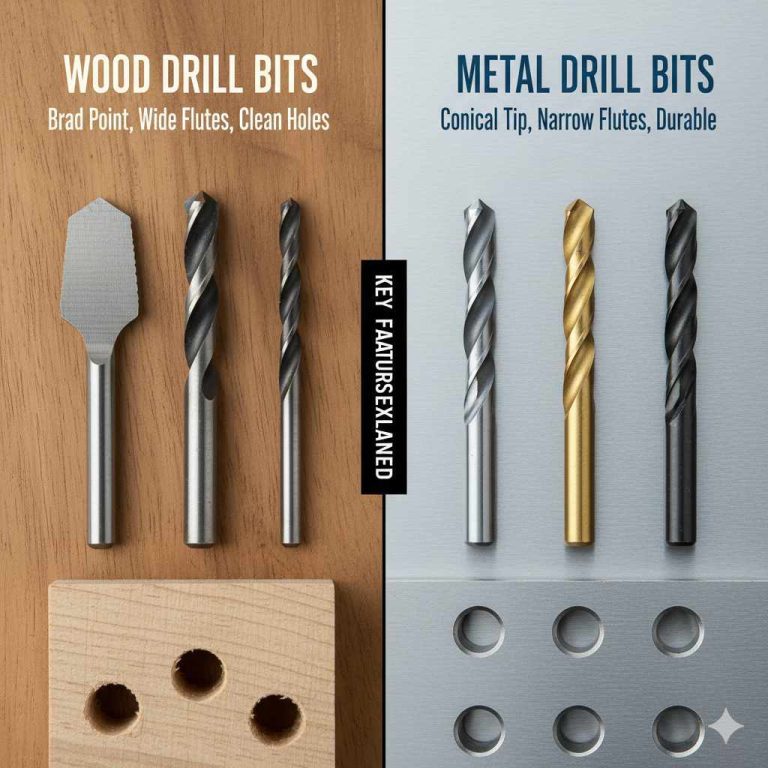
Splitting wood can be a common issue when nailing baseboards, but with the right technique, it can be easily avoided. To prevent splitting, start by pre-drilling pilot holes into the baseboard using a drill bit slightly smaller than the diameter of the nails you’ll be using. This step allows the nails to go in smoothly without causing any damage to the wood.
Another technique to avoid splitting is to use finishing nails instead of regular nails. Finishing nails have smaller diameters and tapered heads, making them less likely to split the baseboard upon insertion. Additionally, consider using a nail set to countersink the nails slightly below the surface of the baseboard. This helps to create a seamless finish and prevents any visible nail heads.
Summary:
| Technique | Benefit |
| Angle and Positioning | Prevents damage and provides a neater appearance |
| Avoiding Splitting Wood | Prevents splitting and creates a seamless finish |
- Hold the nail gun at a slight angle towards the baseboard.
- Position the nails approximately 1 inch from the top and bottom edges.
- Pre-drill pilot holes using a smaller drill bit.
- Use finishing nails with smaller diameters and tapered heads.
- Countersink the nails slightly below the surface with a nail set.
By following these nailing techniques, you can achieve a professional finish for your baseboards without any splitting or visible nail holes. Remember to take your time, use the right tools, and pay attention to the angle and positioning of the nails for the best results.
Common Mistakes To Avoid
When installing baseboards, it’s crucial to use the right nails to ensure a secure and professional finish. Common mistakes to avoid include using nails that are too short or too long, as well as failing to space them properly. It’s important to select the appropriate size and type of nails for baseboards to achieve a polished look.
Using The Wrong Nail Type
Choosing the right nail type is crucial for baseboards. Brad nails are ideal for baseboards.
Ensure nails are long enough to secure the baseboard properly.
Improper Nail Spacing
Incorrect nail spacing can lead to baseboard instability. Space nails 16 inches apart for optimal support.
Follow manufacturer guidelines for proper nail spacing.
Finishing Touches
When installing baseboards, the finishing touches are crucial for achieving a polished look.
Filling Nail Holes
Fill nail holes with wood putty to create a seamless surface.
Caulking And Painting
Caulk gaps between baseboards and walls for a professional finish.
Professional Tips For Best Results
Choosing the right nails for baseboards is crucial for a flawless finish. Professionals recommend using finishing nails for baseboards.
When To Consult A Professional
- For intricate baseboard designs
- If you lack experience in carpentry
Maintenance Tips
- Clean baseboards with a damp cloth regularly
- Touch up any nail holes with matching paint
Frequently Asked Questions
What Size Nail Should I Use For Baseboards?
The size of the nail you should use for baseboards depends on the thickness of the baseboard and the material of the wall you’re nailing it into. In general, 2-inch finishing nails work well for most baseboards. However, if the baseboard is thicker than usual, you may need to use longer nails.
Can I Use A Nail Gun For Baseboards?
Yes, you can use a nail gun for baseboards. A finish nailer is the best type of nail gun to use for baseboards because it shoots nails at an angle, which helps to prevent the wood from splitting. However, make sure you adjust the air pressure on the nail gun to avoid damaging the baseboard.
Should I Use Adhesive With Nails For Baseboards?
Using adhesive with nails for baseboards is optional, but it can provide extra support. Applying a small amount of construction adhesive to the back of the baseboard before nailing it to the wall can help to prevent it from shifting or warping over time.
However, be careful not to use too much adhesive, as it can ooze out and create a mess.
Conclusion
Choosing the right nails for baseboards is crucial for a professional and durable finish. By considering factors such as material, length, and placement, you can ensure a secure and visually appealing installation. With the correct nails, your baseboards will not only look great but also stand the test of time.