Where to Buy Mahogany Wood: African vs. Genuine Honduran
Where you can buy mahogany depends entirely on which mahogany you mean. Genuine Honduran mahogany (Swietenia macrophylla) is listed under CITES Appendix II due to decades of overharvesting, which means legal international trade requires permits and documentation — it’s still available through specialty exotic hardwood dealers, but in limited supply and at a real premium. African mahogany (genus Khaya) isn’t CITES-restricted and is what most current lumber, both online and at specialty dealers, actually sells when a listing just says “mahogany” without a species name.
Small Quantities: Online Hobby-Wood Retailers
Small-Project Size, No Lumber Yard Trip
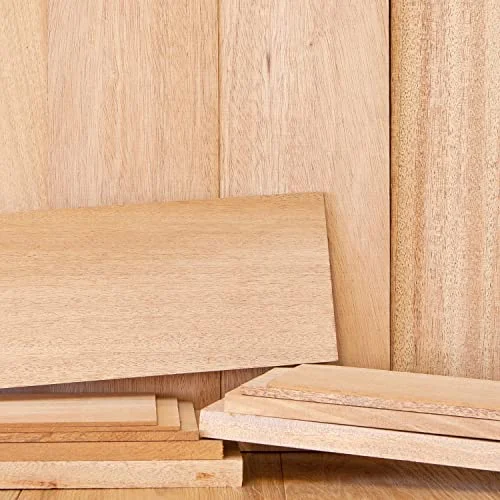 |
African Mahogany Hobby Board, 1/4″ x 7″ x 12″ – $12.30 A real, solid African mahogany board sized for small projects — no minimum order or lumber yard account required.
|
For small projects — crafts, scroll saw work, inlay, or just testing how mahogany finishes before committing to a larger piece — online retailers selling pre-cut hobby-size boards are the most convenient source, with no lumber yard account or minimum order required. These are almost always African mahogany, sized for craft and hobby work rather than furniture-scale builds, and shipped directly rather than requiring in-person pickup.
Larger Projects: Specialty Hardwood Dealers
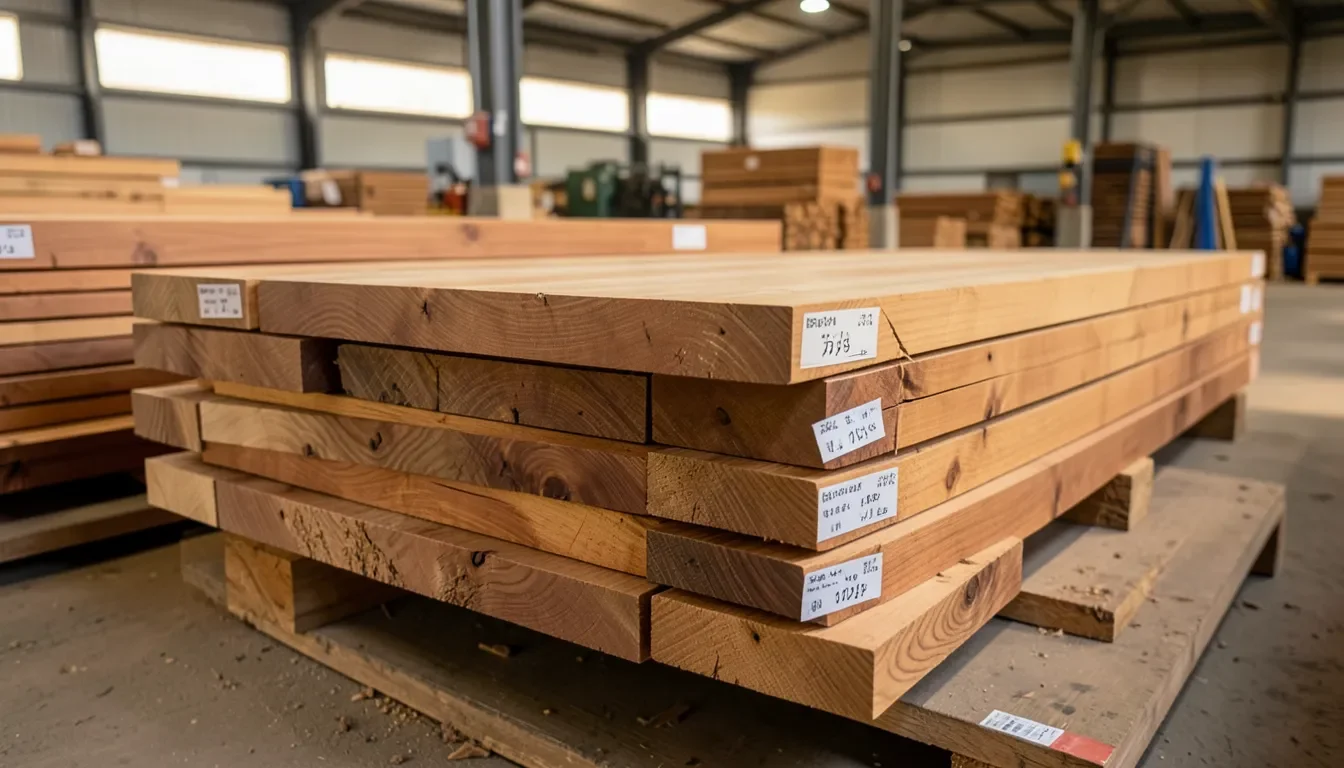
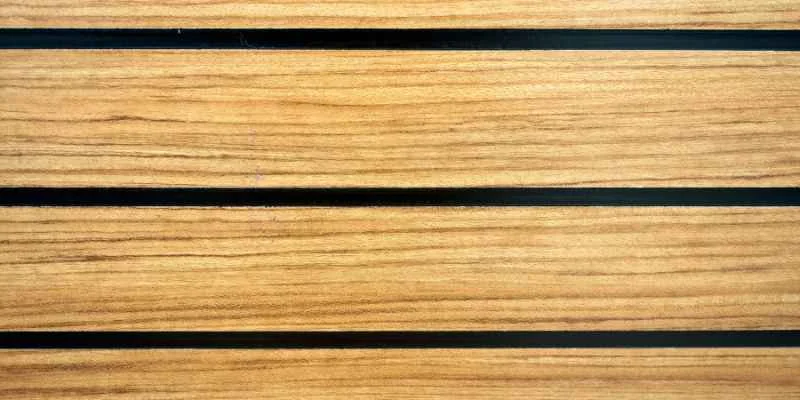
For furniture-scale lumber — full boards, thicker stock, or larger quantities — specialty exotic hardwood dealers are the standard source, whether ordering online for shipping or visiting in person if one operates near you. These dealers typically stock both African mahogany and, in more limited quantities, genuine Honduran or other CITES-documented mahogany species for buyers who specifically need the real thing and are prepared for the higher cost and paperwork that comes with it. Regular local lumber yards focused on construction-grade domestic softwoods rarely carry mahogany at all — it’s a specialty hardwood, not general building stock, so a general lumber yard is usually the wrong first call.
What to Actually Expect to Pay
| Source | Typical Price Range | Best For |
|---|---|---|
| Online hobby-wood retailer | $10-30 per small board | Crafts, small projects, testing the wood |
| African mahogany, specialty dealer | $8-15 per board foot | Furniture-scale projects |
| Genuine Honduran mahogany | $20-40+ per board foot | Restoration, species-critical work |
| Reclaimed/salvaged mahogany | Highly variable | Vintage restoration, sustainability priority |
These are rough starting points, not fixed prices — grade, thickness, and current market supply all move the actual number, and genuine Honduran mahogany in particular fluctuates more than African mahogany because of its restricted, less consistent supply chain. Get an actual quote from a specific dealer for your project’s real dimensions rather than budgeting off a general price range, especially for anything beyond a small hobby-sized purchase.
Mahogany Plywood vs. Solid Lumber
Mahogany plywood (a thin mahogany veneer over a plywood core) is a separate product from solid mahogany lumber, and it’s worth knowing which one you actually need before shopping. Plywood is the more practical, budget-friendly choice for large flat panels — cabinet sides, boat interiors, large tabletops, or a mahogany mirror frame — where solid lumber would be expensive and prone to more movement across a wide panel. Solid lumber is necessary anywhere the wood needs real structural thickness, will be shaped or carved, or where an edge will be visible and needs to show genuine solid grain rather than a plywood edge. Buying plywood when you actually need solid stock (or the reverse) is a common beginner mistake that only becomes obvious once the project is underway.
Checking Grade and Moisture Content Before Buying
Lumber grade (a system rating a board’s clearness, defects, and usable width) affects both price and what the board is actually good for — a lower grade with more knots and defects costs less and is fine for smaller cuttings where you can work around flaws, while a higher clear grade costs more but is necessary for large show-face panels where a knot or defect can’t be hidden. Ask about moisture content too, especially from a dealer you haven’t bought from before — lumber that hasn’t been properly kiln-dried or air-dried to a stable moisture level can warp, cup, or crack after you’ve already built with it, and a reputable specialty dealer should know and share this number on request rather than treating it as an odd question.
Verifying What You’re Actually Buying
Ask the seller directly whether a listing is Honduran, African, or another mahogany-family species — a reputable specialty dealer will know and tell you plainly, since it’s a real price and legal distinction, not a marketing detail they’d want to obscure. If genuine Honduran mahogany matters for your project (matching an antique restoration, for instance, where species consistency matters), ask specifically for CITES documentation with the purchase; a dealer unable or unwilling to provide it for a claimed Honduran mahogany sale is a real red flag, not a minor omission.
Shipping Considerations for Longer Boards
Hobby-size boards ship in a standard parcel box with no special handling, which is part of why they’re the easiest way to buy mahogany online without complications. Full-length furniture-scale boards are a different story — anything over roughly 6-8 feet typically needs freight (LTL) shipping rather than standard parcel service, which adds real cost and lead time compared to a small hobby order, and most specialty dealers quote freight separately rather than folding it into the item price. If a project can work with shorter boards jointed together rather than one continuous long piece, ordering in parcel-shippable lengths is often meaningfully cheaper once freight costs are factored in, even before accounting for the wait time freight shipping usually adds.
Reclaimed and Salvaged Mahogany
Reclaimed wood dealers and architectural salvage yards occasionally carry genuine vintage Honduran mahogany pulled from old furniture, doors, or millwork predating current CITES restrictions — often the most practical way to get real Honduran mahogany without new-harvest sourcing and paperwork concerns, since the wood itself predates the trade restrictions even though the same legal framework can still apply to resale depending on age and documentation. Condition and consistent sizing are the real trade-offs: reclaimed stock often needs re-milling, and matching grain and color across multiple reclaimed pieces for one project takes more selection effort than buying uniform new stock from a single supplier.
Woodworking Forums and Local Classifieds
Woodworking forums and local classifieds are a genuinely useful, often-overlooked source for mahogany, particularly for finding a fellow woodworker selling leftover stock from a finished project, or hearing about an estate sale with an old lumber stash. This route takes more patience than ordering from a dealer — there’s no guaranteed inventory or timeline — but it can turn up genuine older-stock Honduran mahogany at a better price than a specialty dealer, precisely because the seller isn’t pricing it as a rare commercial commodity. Treat any species claim from a private seller with the same verification approach as a dealer purchase; a private seller is even less likely to have CITES paperwork on hand than a business that regularly imports the wood.
Frequently Asked Questions
Where can I buy real mahogany wood?
Specialty exotic hardwood dealers carry both African mahogany and, in more limited supply, genuine CITES-documented Honduran mahogany. Online hobby-wood retailers sell small African mahogany boards for craft projects. General lumber yards rarely carry mahogany at all.
Why is Honduran mahogany hard to find?
It’s listed under CITES Appendix II due to decades of overharvesting, which requires permits and documentation for legal trade. This limits supply and raises the price compared to unrestricted African mahogany.
Is African mahogany a legitimate substitute for Honduran mahogany?
Yes, for most practical purposes. It’s a different genus, not a subspecies, but shares similar density, color, and working properties closely enough that it’s now the standard mahogany sold by most current lumber suppliers.
Should I buy mahogany plywood or solid lumber?
Plywood suits large flat panels like cabinet sides or tabletops where solid lumber would be costly and prone to movement. Solid lumber is necessary for anything carved, shaped, or where a visible edge needs to show real solid grain rather than a plywood edge.
Conclusion
For most projects, African mahogany from an online hobby retailer or specialty hardwood dealer covers the need at a reasonable price with no legal complications. Genuine Honduran mahogany is real and still purchasable, but expect a higher price, CITES paperwork, and a smaller pool of dealers actually carrying it — ask directly about species, grade, moisture content, and documentation before you buy if any of those specifics matter for your project, and factor freight shipping into your budget for anything longer than a standard parcel-sized board.
Sponsored / affiliate links. As an Amazon Associate I earn from qualifying purchases. I may earn additional commission from eligible campaigns.
 The Hardwood Edge Mahogany Hardwood Planks - 2-Pack Mahogany Wood for Unfinished Wood Crafts - 1/8’’ (3mm) 100% Pure Hardwood - Laser Engraving Blanks - Exotic Mahogany Planks for Crafts and Gifts
 The Hardwood Edge Mahogany Hardwood Planks - 4-Pack Mahogany Wood for Unfinished Wood Crafts - 1/8’’ (3mm) 100% Pure Hardwood - Laser Engraving Blanks - Exotic Mahogany Planks for Crafts and Gifts