Basswood vs Polycore Plantation Shutters (Real Specs Compared)
Basswood shutters are real wood, a soft 410 lbf hardwood that moves with humidity, while Polycore is PVC over an aluminum core that ignores moisture. Pick the wrong one for a steamy bathroom or a sun-baked window and you will see it within a few seasons. This guide compares hardness, moisture behavior, panel size, warranty, and care, and it shows where sellers disagree.
Basswood vs Polycore Shutters: The Short Answer
Best Shutter Dusting Tool
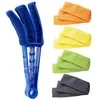 |
Hiware Window Blind Cleaner Duster Brush with 5 Microfiber Sleeves ($6.99) A curved three-arm duster that slides between louvers, so you can dust either shutter type without wetting basswood or scratching a Polycore finish.
|
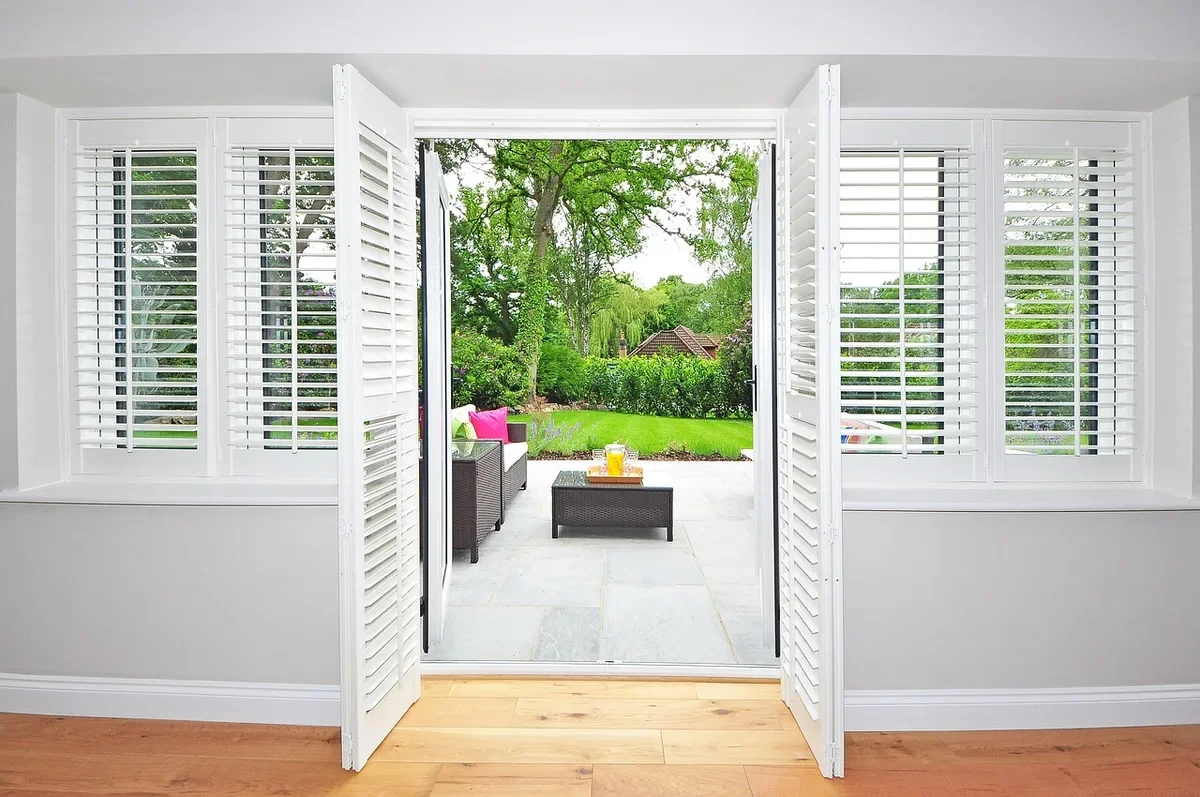
For most dry living areas and bedrooms, painted basswood is a good, lightweight choice, especially for wide openings. For bathrooms, kitchens, and windows with hard afternoon sun, Polycore is the lower-risk option because it is a polymer and does not take on water. Neither material is universally better, and the table below shows why.
| Spec | Basswood (Tilia americana) | Polycore |
|---|---|---|
| What it is | Solid hardwood, painted or stained | Solid PVC-type polymer co-extruded around an aluminum core |
| Hardness / density | 410 lbf Janka, about 26 lb per cubic foot dried | Not published as a wood-style rating |
| Moisture behavior | Shrinks 6.6% radially and 9.3% tangentially from green to dry; heartwood rated non-durable | Sold as moisture resistant; the polymer does not absorb water |
| Panel width | Lightweight and stable enough for wide panels, per wood-shutter sellers | Up to 36 inches per panel under warranty, per distributors |
| Finish | Field or factory paint or stain; can be refinished | Baked-on paint; 25 year finish warranty at some distributors |
| Fire | Burns like any wood | Described as fire retardant (state certified) by distributors |
| Biggest weakness | Humidity swings and dings in a very soft wood | Heat and weight complaints from competing sellers; not refinishable |
Sources for the numbers: basswood figures come from the Wood Database basswood profile; Polycore details come from distributors of the Sunland Shutters Polycore line. Warranty terms vary by dealer, so treat them as a starting point and read the paperwork.
What Basswood Actually Is (And Why It Is Used for Shutters)
Basswood is a light, fine-grained hardwood. The Wood Database lists it at 410 lbf on the Janka scale and a dried weight of roughly 26 pounds per cubic foot, and it calls the species very easy to work and one of the best woods for hand carving. That is exactly what a shutter maker wants: louvers are machined thin, and a light, even-grained wood cuts cleanly and paints smoothly.
The same profile shows the trade-off. Basswood is soft for a hardwood, has poor nail holding, and its heartwood is rated non-durable against decay. It is fine indoors, where it stays dry, but it is not a wood you would leave outside. If you want more background on how other species compare, our types of wood guide covers the basics.
Myth Check: Polycore Is Not Just Plastic
A common assumption is that a synthetic shutter is a hollow plastic louver that will droop. Polycore is marketed differently. Distributors describe it as a solid synthetic polymer with an internal aluminum core in the rails, stiles, and louvers, and they say the core is what lets a single panel reach 36 inches wide without sagging. The Sunland Shutters line behind it is described as combining PVC and aluminum through co-extrusion.
There is a fair counterpoint. Sellers who specialize in wood argue that polymer shutters are heavier than basswood and can bow in intense heat. Those are competitor claims and not lab results, but they are worth weighing if a large window gets direct sun for hours. Ask the installer how the panel is rated for that exposure before you sign.
Moisture and Humidity: Where the Materials Really Differ
Wood moves as it gains and loses moisture. The Wood Database lists basswood shrinkage of 6.6% radial, 9.3% tangential, and 15.8% volumetric from green to oven-dry. In a heated, air-conditioned house the swing is far smaller than those extremes, but it is why a wood shutter in a bathroom is always a bit of a gamble. Paint slows moisture exchange but does not stop it, and a chipped edge lets water in.
Polycore sidesteps this because the polymer does not take on water, which is why dealers recommend it for baths, kitchens, and laundry rooms. If you love the wood look for a humid room anyway, run an exhaust fan and keep the paint film intact, and expect to touch up chips promptly.
Lifespan Claims: Why the Numbers Do Not Agree
Searching for how long each material lasts turns up numbers that contradict each other, and the contradiction follows who is selling. One wood-focused seller says basswood lasts 20 to 30 years and poly lasts about 7 to 10. A polymer-focused dealer puts both at 15 to 20 years. Neither figure is an independent test, so do not treat any of them as fact.
| Source type | Basswood | Poly |
|---|---|---|
| Wood-shutter seller (Elizabeth Shutters) | 20 to 30 years | About 7 to 10 years |
| Mixed-material dealer (Shuttermart) | 15 to 20 years | 15 to 20 years (Polyclad) |
| Manufacturer warranty for Polycore, via distributors | Not applicable | 25 year finish warranty at some dealers |
The useful takeaway is to compare warranties, not marketing claims. A written warranty covering warping, sagging, and finish failure, with the panel width and window exposure stated, tells you more than a lifespan estimate from a seller.
Cost, Weight, and Installation
Price is another place where sellers split. Polymer dealers say their products usually start lower, while a wood seller says whole basswood costs the same as or less than poly and vinyl. Custom sizes, louver width, and hand finishing all move the price, so the only reliable comparison is two written quotes on the same window.
Weight matters more than most buyers expect. Basswood is light, which helps with wide panels and reduces hinge strain. Polycore panels are reported by competitors to be heavier, and the aluminum core is there to keep them straight. In both cases the frame has to be fastened into solid framing, not just drywall. Measure the window depth and width carefully first, and our guide on how to measure for faux wood blinds walks through the same inside-mount checks that apply to shutters.
Cleaning and Care for Each Material
- Basswood: dust with a dry microfiber cloth or duster. If you need a damp cloth, wring it nearly dry and wipe the slats along their length so water does not sit in the joints, then dry the louvers.
- Polycore: the finish tolerates a damp cloth or mild soapy water, and distributors describe it as easy to clean. Skip abrasive pads and strong solvents that can dull a painted surface.
- Both: dust monthly. Dry dust builds up on louver edges, and a wet wipe over dust turns it into streaks.
A slim brush that slides between louvers makes the routine faster, and a washable microfiber sleeve keeps dust out of the air instead of just moving it around.
Which Should You Choose?
- Pick basswood for dry rooms, wide windows, a natural or stained wood look, and the option to repaint later.
- Pick Polycore for bathrooms, kitchens, laundry rooms, and any room where humidity is the main threat.
- Be careful with either on large, sun-baked windows. Ask about panel width limits and read the heat and sagging language in the warranty.
- Compare quotes and warranties on the same window rather than trusting a generic lifespan number.
Basswood vs Polycore Shutters FAQ
Is Polycore real wood?
No. Polycore is a solid synthetic polymer (PVC) shutter co-extruded around an aluminum core, according to distributors of the Sunland Shutters line. It is built to look like a painted wood shutter, but no part of the louver is timber.
Is basswood or Polycore better for bathrooms?
Polycore is the safer pick for a steamy bathroom because PVC does not absorb moisture. Basswood can work in a bathroom with a good exhaust fan and an intact paint film, but it is a non-durable wood that swells and shrinks with humidity, so it is the riskier choice.
Which is cheaper, basswood or Polycore shutters?
Sellers disagree. Shutter dealers who sell polymer usually say it starts cheaper, while a wood-focused seller says whole basswood costs the same or less. Because pricing depends on size, louver width, and installer, get written quotes for both materials on the same window.
Can Polycore shutters sag or warp?
The aluminum core is there specifically to prevent sagging, and distributors state a single panel can reach 36 inches wide under warranty. Sellers of wood shutters argue that poly panels are heavier and can bow in intense heat, so check the warranty terms for panel width and sun-exposed windows.
Can you paint basswood shutters a different color later?
Yes. Basswood is easy to work and takes paint well, so a painted basswood shutter can be sanded, primed, and repainted. Polycore has a baked-on factory finish that is not designed to be repainted.
Bottom Line
Basswood is a light, easy-to-finish real wood that is best kept in dry rooms, while Polycore is a moisture-proof PVC-over-aluminum shutter that fits humid rooms and wide panels. Both are legitimate products, and the seller you talk to will lean toward the material they stock. Decide by room humidity, window size, and the warranty in writing.
Sponsored / affiliate links. As an Amazon Associate I earn from qualifying purchases. I may earn additional commission from eligible campaigns.