How to Make a Wooden Propeller (Carve, Balance & Finish)
A wooden propeller is carved from a single blank (balsa for flying models, harder wood for boats and display pieces), then shaped with a helical twist and carefully balanced before it’s usable — an unbalanced propeller vibrates badly and can shake a motor apart. This guide covers the full process: designing, cutting, carving the pitch, balancing, and finishing, plus how boat propeller design differs from an airplane prop.
What You Will Need
Best Propeller Balancer Pick
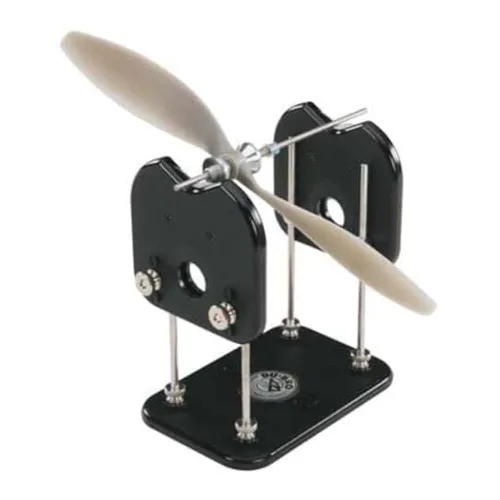
Du-Bro Tru-Spin Prop Balancer
A dedicated balancer makes Step 4 far more accurate than eyeballing it on a pin — friction-free bearings show even tiny imbalances.
- Best for: Anyone making more than a one-off propeller.
- Why we picked it: Widely used by RC and free-flight modelers for precisely this step.
- Main drawback: Overkill if you’re only balancing a single simple toy propeller.
Compare more propeller-building supplies
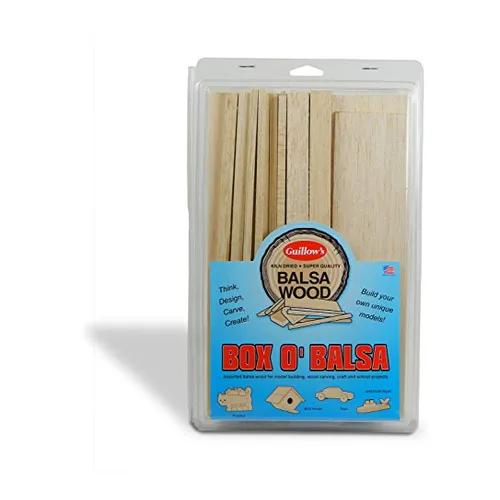 Option 1 Guillow’s Balsa Wood Block Set
|
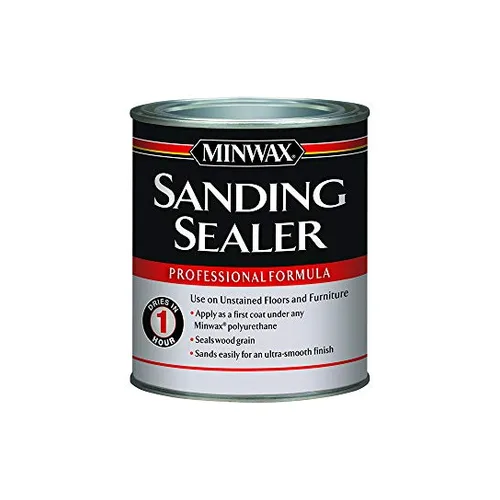 Option 2 Minwax Clear Sanding Sealer
|
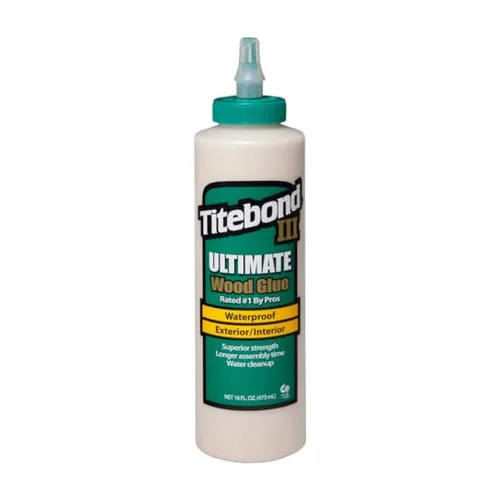 Option 3 Titebond III Wood Glue
|
As an Amazon Associate we earn from qualifying purchases.
Before you begin, gather all your tools and materials. Here’s a list of what you need:
- Wood: Choose lightweight wood like balsa or pine for a flying model — see our full woodworking projects hub for more beginner builds.
- Wood Glue: A strong adhesive for bonding wood pieces.
- Sandpaper: For smoothing edges and surfaces.
- Jigsaw or Bandsaw: For cutting the wood into shape.
- Drill: To make holes for the shaft.
- Ruler: For accurate measurements.
- Pencil: To mark your cuts.
Step 1: Design Your Propeller
The first step is to design your propeller. You can draw it on paper. Here are some tips:
- Decide the size of your propeller.
- Draw two blades for your propeller.
- Make sure they are symmetrical.
Once you have your design, transfer it to the wood. Use a pencil to outline the shape.
Step 2: Cut the Wood
Now it’s time to cut the wood. Use your jigsaw or bandsaw for this step:
- Follow the outline you drew, staying just outside the pencil line so you have room to sand to the final shape (see our balsa-cutting guide for blade and technique tips specific to soft, splintery balsa).
- Cut slowly and let the saw do the work — forcing the blade through balsa or pine can splinter the thin blade tips.
- Cut both blades from the same blank where possible, so the grain direction and density match on each side.
Step 3: Carve the Blade Twist (Pitch)
A flat, uncarved blank will spin but won’t actually move air or water efficiently — the blades need a helical twist called pitch:
- Rough-carve the underside of both blades first, aiming for a flat bottom near the hub that curves thinner toward the tips.
- Flip the blank over and carve the top side diagonally, from the trailing edge near the hub to the leading edge near the tip — this diagonal cut is what creates the twist.
- Work slowly and take thin shavings, especially with a knife on balsa; it’s much easier to remove more material than to add it back.
- Check both blades against each other by eye periodically to keep the twist roughly symmetrical.
Step 4: Balance the Propeller
An unbalanced propeller vibrates during use and can damage a motor or shaft over time — balancing is not optional for a functional propeller:
- Mount the propeller on a balancing stand (or a horizontal pin through the center hole) and let it hang freely.
- Whichever blade swings down and stays at the bottom is the heavy side.
- Sand the back of the heavy blade near the tip with 200-grit sandpaper, then recheck the balance.
- As the prop gets close to balanced, switch to 400-grit for finer adjustments — remove only a little material at a time and recheck often.
- If you don’t want to remove more wood, an alternative is adding a light coat of clear paint or sealant to the lighter blade instead.
Step 5: Sand and Finish
Once the propeller is carved and balanced, a smooth finish protects the wood and improves airflow (or water flow) over the surface:
- Sand the entire propeller with progressively finer sandpaper, finishing at 320-400 grit for a smooth surface.
- Wipe away all dust with a dry or slightly damp cloth.
- Apply 2-3 thin coats of clear sanding sealer or spar varnish, sanding lightly with fine sandpaper between coats.
- Let the final coat cure fully before mounting — check the product label, but most sealers need at least 24 hours.

Does a Boat Propeller Need a Different Design Than an Airplane Propeller?
Yes — a wooden boat propeller and an airplane propeller solve different problems, so their designs differ even though both are carved airfoils spinning in a circle. Airplane propellers use a fixed pitch angle and are typically carved from a single laminated blank, prioritizing light weight and efficiency in air. Boat propellers historically needed to be built up from multiple wood laminations for strength and durability in water, and their blade shape has to manage cavitation — the low-pressure bubbles that form and collapse against the blade surface, which can pit and damage the wood over time. If you’re building a boat propeller rather than a model airplane prop, use a harder, more water-resistant wood (oak or teak rather than balsa) and expect to laminate multiple layers rather than carving from one solid block.
Frequently Asked Questions
What Materials Do I Need For A Wooden Propeller?
It depends on the use: balsa or basswood for lightweight flying models (see balsa vs. basswood for which suits your build — balsa carves easier, basswood holds fine detail slightly better), and a harder wood like oak, maple, or plywood laminations for decorative pieces or boat propellers that need more durability. Either way, you’ll also need wood glue, sandpaper, and a clear sealer or varnish for finishing.
How Long Does It Take To Make A Propeller?
Creating a wooden propeller typically takes 4 to 6 hours, depending on skill level and design complexity.
Can Beginners Make Wooden Propellers?
Yes, beginners can successfully make wooden propellers with the right tools and guidance.
What Tools Are Essential For Making A Propeller?
Essential tools include a saw, sander, clamps, and measuring tools for accuracy.
Why Does a Wooden Propeller Need to Be Balanced?
An unbalanced propeller vibrates when it spins because one blade is heavier than the other, causing uneven centrifugal force. Over time, this vibration can loosen the motor mount, wear out bearings, or shake the whole model apart. Sanding a small amount of material off the heavy blade’s tip fixes most balance problems.
Is a Boat Propeller Made the Same Way as an Airplane Propeller?
No. Both are carved airfoils, but a wooden boat propeller is usually laminated from multiple layers of harder wood for durability in water and shaped to resist cavitation damage, while an airplane propeller is typically carved from a single lightweight blank like balsa and optimized for efficiency in air.
Sponsored / affiliate links. As an Amazon Associate I earn from qualifying purchases. I may earn additional commission from eligible campaigns.