What Is the Best Ash Wood Alternative? White Oak Guide
White oak is often a strong all-around ash substitute for furniture and joinery; in many cases, maple suits painted parts, hickory suits high-impact parts, and poplar is mainly useful for painted trim. Pick the wrong substitute and you can end up with parts that dent too easily, move differently with humidity, or finish with a mismatched grain. This guide matches ash replacements to strength, appearance, machining, and finishing behavior by project type.
What makes ash wood hard to replace?


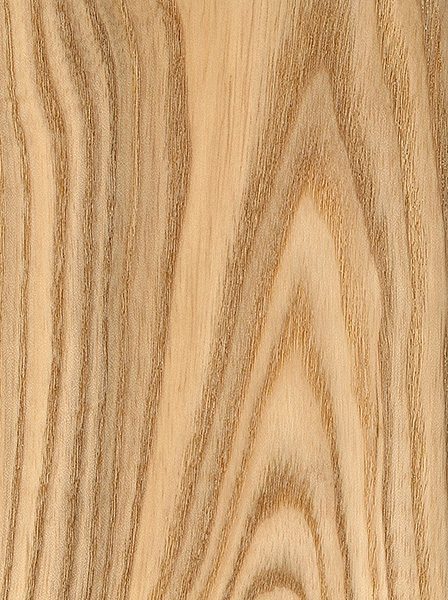
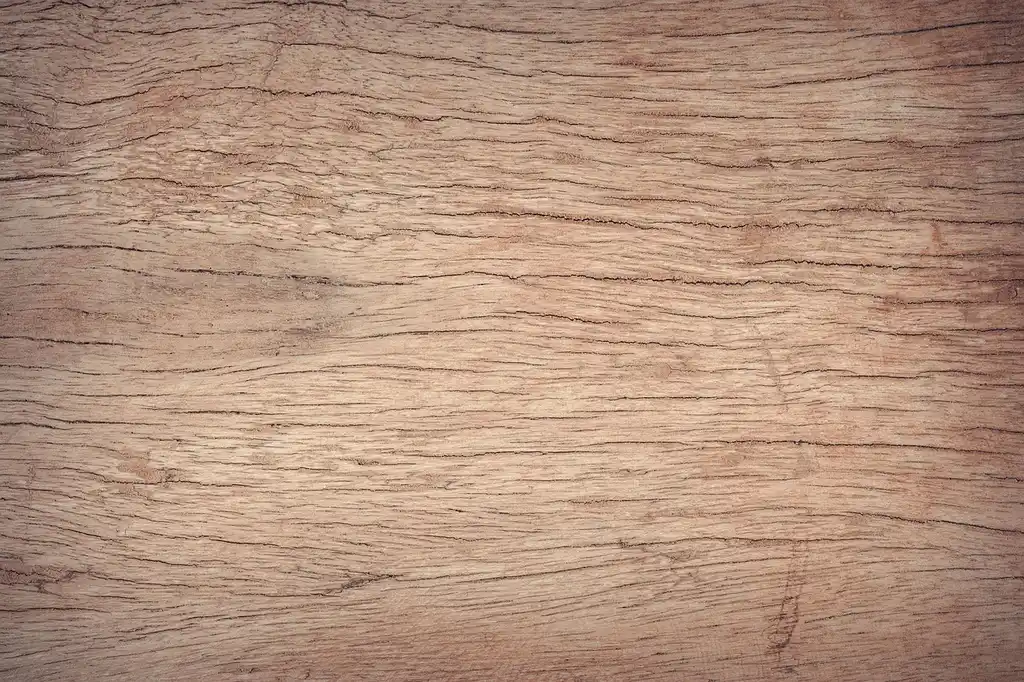
Ash is an open-grain hardwood with straight grain and a light tan to pale brown color. That mix gives it a look you can recognize under clear finish or stain, and it also explains why many substitutes fall short in one area or another.
Ash is commonly used for furniture, flooring, and tool handles, so substitute choice depends on the job. A chair rail needs different properties than a floor board, and a hammer handle needs a different wood than a painted shelf.
What you need to match
The main matching criteria are grain structure, strength, stainability, and cost. Grain structure affects whether the replacement reads like ash visually. Strength and dent resistance matter for wear parts. Stain response matters because ash’s open pores take color in a very recognizable way.
Janka hardness is a simple dent-resistance check reported in pounds-force, or lbf. Higher numbers usually mean more resistance to dents, which matters most for flooring and handles. It does not tell the whole story, but it is useful when you compare species quickly.
What is the closest visual match to ash?
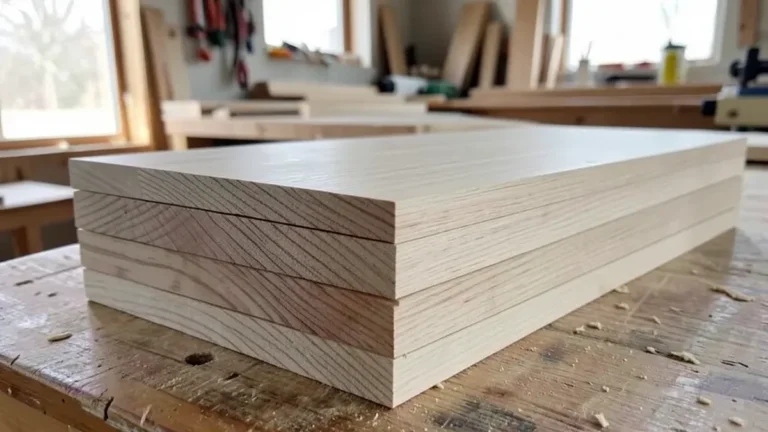
White oak is the closest overall match for many ash-like projects because it has a similar open-grain structure and strong, straight-lined figure. Red oak is also close visually and is often easier to source, but its pores and finishing behavior need more attention. Maple, beech, and birch look less like ash after stain because their grain is finer and less open.
Why white oak gets picked first
White oak is a ring-porous hardwood with similar open grain, good structural strength, and strong stain response. It often reads as “ash-like” under clear or medium stain because the pore pattern stays visible. It is also common in furniture and flooring, which helps when you need decent availability.
Why red oak is often the next choice
Red oak is another open-pored hardwood with visible grain and wide availability. It is often easier to buy than ash, and it stains in a familiar way once the pores are filled or the finish schedule is adjusted. The visual match is good, but red oak is usually a little more obviously oak than white oak.
Why maple, beech, and birch drift away from ash
Hard maple, beech, and birch have finer, less open grain than ash. That makes them look cleaner and more uniform, but also less like ash after stain. They can be excellent choices when the project wants a smoother, quieter surface rather than an ash-style open pore look.
Which wood should you choose for your project?
Start with the project, not the species name. Furniture, flooring, tool handles, and painted trim each put different demands on grain, hardness, and finish. If you match the use first, the substitute is much more likely to work and look right.
Furniture
For furniture, white oak is the closest all-around ash substitute when you want visible grain and good structural behavior. Red oak is a practical second choice if local supply or price is better. Beech also works well for indoor furniture, especially when a stable, even look matters more than ash-like pores.
Flooring
For flooring, choose a wood with enough dent resistance and a grain that suits the finish you want. White oak and hard maple are the strongest common choices here. Hickory is very dent resistant, but its look is less ash-like and its hardness can make installation and sanding more demanding.
Tool handles
For tool handles, hickory is the standout substitute because it is very hard and shock-resistant. Ash is valued for this same reason, but hickory usually beats ash when impact resistance matters more than appearance. It is not the closest visual match, but it is the better functional match for striking tools.
Painted or finished trim
For painted trim, hard maple and birch are strong choices because their fine grain takes paint well and leaves a smooth surface. If the trim will be stained, those same woods look less like ash than oak does. Poplar is often used for painted trim too, but it is not an ash-like substitute for visible-grain work.
Ash substitute decision table
Use this table as a buy-it-for-the-job guide. Grain match tells you how close the wood is to ash’s open, straight look. Hardness is a general Janka comparison for dent resistance, and workability covers sawing, sanding, and machining ease. Stain behavior matters most when the finish will stay visible.
| Replacement wood | Grain match to ash | Janka hardness, lbf | Workability | Stain behavior | Best use |
|---|---|---|---|---|---|
| White oak | High; open grain and straight figure are close to ash | About 1,360 | Good, though oak can dull cutters faster than softer hardwoods | Stains well; tannins can affect finish planning | Furniture and flooring |
| Red oak | Medium-high; visible open pores read similarly from a distance | About 1,290 | Good and widely available | Stains easily, but pores may need filling for a cleaner result | Furniture and trim |
| Hard maple | Low; fine closed grain looks less like ash | About 1,450 | Good, but the density can make machining and sanding slower | Can blotch if stained without prep; best for paint or light finish | Painted or modern finished parts |
| Hickory | Low to medium; coarser and less ash-like visually | About 1,820 | Harder to machine; tool wear can be higher | Accepts finish, but the grain often dominates the look | Tool handles and impact parts |
| Beech | Low to medium; fine, even grain is not very ash-like | About 1,300 | Good for indoor furniture and bent parts | Usually paints well; stain can look more uniform than ash | Stable indoor parts |
| Birch | Low; fine grain and uniform face differ from ash | About 1,260 | Good and often easy to source in sheet goods or boards | Very good for paint; stain match to ash is limited | Painted projects and budget builds |
How to read the table
If you need ash-like appearance, start with white oak or red oak. If you need dent resistance, look at Janka first and favor hickory or hard maple. If you need a smooth painted surface, grain match matters less than workability and uniformity.
Picture a 36-inch shop stool with a clear finish and visible side rails. White oak will read close to ash. Birch will not, even if the color is adjusted, because the grain structure gives the difference away.
Is oak a good substitute for ash wood?
Yes, oak is a good substitute for ash wood when you want similar grain visibility and solid structural performance. White oak is usually the better choice for the closest overall match. Red oak is easier to source in many areas and still works well for furniture and trim.
When white oak is the better choice
Choose white oak when the part needs a strong visual match and reliable strength. Its open grain and ring-porous structure are close to ash, and it handles clear and medium-toned stains well. It is often the best option when the finished piece will be seen up close.
When red oak is good enough
Choose red oak when availability, price, or turnaround matter more than a perfect match. It is a practical choice for furniture and trim, but pore filling may be needed for a smoother finish. Without that step, the grain can look more pronounced than ash.
When should you choose maple, hickory, beech, or birch?
Choose hard maple when you want smooth painted work or a modern look. Choose hickory when impact resistance matters most. Choose beech when you need stable indoor parts or bent components. Choose birch when paintability and local availability matter more than matching ash grain.
Hard maple for smooth painted or modern work
Hard maple has a fine, closed grain and higher density than ash. That makes it better for smooth painted parts and clean modern finishes, but less convincing as an ash visual substitute. It is a solid choice when you want durability without an open-pore look.
Hickory for handles and impact parts
Hickory is a strong choice for tool handles because it is very hard and shock-resistant. It is often used where repeated impact can split or fatigue softer woods. The tradeoff is appearance: hickory looks more rugged and less like ash after finishing.
Beech for stable indoor parts and bent work
Beech is a fine, even-grain hardwood that is often used for furniture and bent parts. It is less open-pored than ash, so it does not mimic ash as closely, but it is stable indoors and can be a good budget alternative in some markets.
Birch for painted projects and wider availability
Birch is useful when you care more about availability than visual similarity. It takes paint well and has a uniform face, which can be an advantage on cabinet parts and trim. For stain, though, it usually moves too far from ash’s open-grain look.
How do grain, hardness, and moisture content affect the choice?
Grain structure, hardness, and moisture content work together. Open versus closed grain affects visual similarity and stain absorption. Janka hardness helps compare dent resistance. Moisture content affects movement, so indoor stock should be acclimated before milling or installation.
Open grain versus closed grain
Ash is open-grained and straight-grained, so an ash substitute should ideally preserve that look if the finish will stay visible. White oak and red oak do this better than maple or birch. Closed-grain woods can still be excellent, but they will not read like ash after stain.
Ring-porous versus diffuse-porous behavior
Ring-porous woods, including ash and many oaks, have large earlywood pores that create a bold grain pattern. Diffuse-porous woods, such as maple and birch, have smaller pores spread more evenly through the growth ring. That is why oak feels closer to ash than maple does.
Moisture content and acclimation
For indoor woodworking, wood should be acclimated to the space before milling or installation. Many manufacturers and woodworking references aim for a moisture content near the room’s equilibrium level, often somewhere around the mid-single digits to high single digits indoors, though local climate can shift that target. If the stock is too wet, joints can loosen or cups can develop after installation.
Suppose a homeowner buys 4/4 red oak for a mudroom bench and installs it the same day. The boards may later shrink as they dry indoors, opening seams at the rails and changing the fit of the joinery. Acclimation is not optional on indoor work.
If ash is unavailable locally, choose the nearest species that matches the project, not the closest name on a search result. White oak is the first stop for visual and structural similarity. Red oak is a practical second choice. Hickory is the functional choice for handles, and birch or maple can be smarter for painted work.
- Identify the project type: furniture, flooring, handles, or trim.
- Decide whether appearance or performance matters more.
- Check local lumberyard stock for white oak, red oak, hickory, maple, beech, or birch.
- Compare grain structure before price. Open-grain woods usually match ash better.
- Check Janka hardness if the part must resist dents or impact.
- Buy stock that can acclimate before milling or installation.
A common first-timer mistake is buying the hardest board on the rack and assuming it is the best ash replacement. A hard, fine-grained species can be the wrong choice if the project needs visible pores or easy stain matching. Function comes first.
Frequently asked questions
What wood is closest to ash wood?
White oak is usually the closest overall match to ash because it shares an open grain, straight figure, and strong structural behavior. Red oak is also close, especially when ease of sourcing matters. For a stained visible-grain project, white oak usually gives the most convincing result.
What is the cheapest alternative to ash wood?
The cheapest alternative depends on local supply, but red oak, birch, and beech are often more available than ash in many markets. Price changes by region and grade, so the best low-cost choice is often the species that your local lumberyard stocks consistently in the needed thickness.
What hardwood looks most like ash?
White oak usually looks most like ash among common hardwoods because both species have open pores and a bold, straight grain pattern. Red oak is also similar, though it often needs more finish planning. Maple, birch, and beech are cleaner-looking but less ash-like after stain.
Can hickory replace ash for tool handles?
Yes. Hickory is one of the best choices for tool handles because it is very hard and shock-resistant. It is not the closest visual match to ash, but it often outperforms ash in impact applications. For hammers, axes, and other striking tools, hickory is a strong pick.
How do I match ash grain and color with another wood?
Start with a species that has open grain, such as white oak or red oak, then use the same stain system and finish schedule on sample pieces. Avoid closed-grain woods if the grain must stay visible. Match moisture content first, or the color and sheen can shift after assembly.
Sponsored / affiliate links. As an Amazon Associate I earn from qualifying purchases. I may earn additional commission from eligible campaigns.