Why Does MDF Skirting Go Mouldy: Causes & Solutions
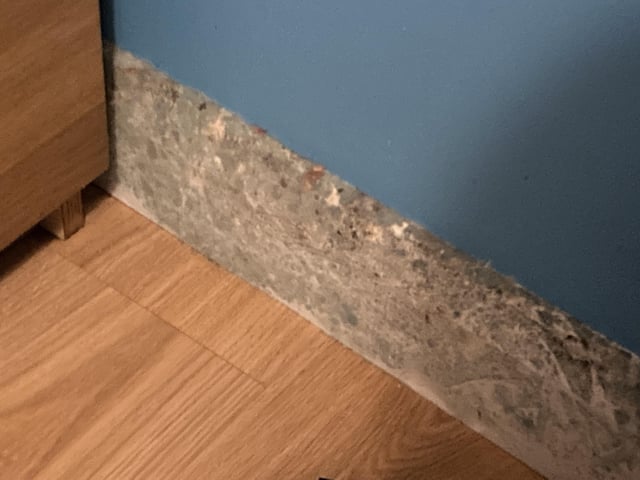
Have you ever noticed unsightly patches of mold creeping up your MDF skirting boards? It can be frustrating and concerning, especially when you want your home to look its best.
You might wonder why this happens and what you can do to stop it. You’re not alone in this struggle, and understanding the reasons behind mold growth on MDF skirting could be the key to keeping your home fresh and clean.
This article will delve into the common causes of mold on MDF skirting, providing you with practical tips to prevent it. By the end, you’ll have a clearer picture of how to protect your home and keep it looking pristine. Let’s uncover the mystery behind moldy MDF skirting and discover ways to maintain your home’s beauty and health.
MDF Skirting Board Basics
MDF stands for Medium Density Fibreboard. It’s made from small wood fibers. These fibers are glued together. The glue is strong and keeps the fibers tight. MDF is smooth and easy to cut. It can be painted easily. MDF is cheaper than real wood. It’s popular for making skirting boards.
MDF skirting boards are used in homes. They cover the gap between the wall and floor. They protect walls from damage. MDF is also used for furniture. People use it for shelves and cabinets. MDF can be shaped and designed. It’s useful for decorative items too. Its smooth surface is ideal for painting.

Credit: www.reddit.com
Causes Of Mould Growth
High humidity can make MDF skirting go mouldy. Water in the air sticks to surfaces. This is how mould grows. Rooms with water like bathrooms are risky. MDF absorbs moisture easily. It swells and mould forms fast. Keep rooms dry to stop this.
Air needs to move around. Poor ventilation traps moisture inside. Mould likes damp places. Windows and fans can help air flow. Good air circulation keeps MDF dry. This stops mould from growing.
Temperature changes can cause problems. Warm air holds more water. When it cools, water drops on surfaces. MDF gets wet and mould grows. Keep room temperature steady. This helps prevent mould.
Impact Of Mould On MDF
Mould can weaken MDF skirting boards. These boards are made of wood fibers. Mould eats these fibers. This makes them soft and weak. Over time, the skirting may crack or break. Moisture is the main cause. MDF absorbs it like a sponge. Once wet, it’s easy for mould to grow. Keep MDF dry to avoid this problem. Use a sealant for protection. Good ventilation helps too. It reduces moisture in the air.
Mould on MDF can be bad for health. It releases tiny spores into the air. People can breathe these spores. This may cause coughing or sneezing. Some people may feel itchy. Others might get a rash. Mould can make asthma worse. It’s important to clean it quickly. Use gloves and a mask when cleaning. This keeps you safe from spores. Keep your home dry to stop mould growth.
Preventive Measures
Good airflow keeps MDF skirting dry. Open windows often to let air move. Use fans to help air circulate. Install air vents in rooms where moisture collects. Bathrooms and kitchens need these vents. Keep furniture away from walls. This helps air reach all parts of the room. Check air filters in your home. Clean them regularly for better air quality.
Too much moisture makes MDF skirting moldy. Use a dehumidifier to reduce moisture in the air. Check for leaks in pipes and fix them quickly. Dry wet areas immediately with towels. Keep plants away from skirting boards. They release water into the air. Seal gaps in windows and doors to stop rain from getting in. Regularly inspect your home for signs of dampness.
Effective Solutions
Regular cleaning is key to prevent mould on MDF skirting. Wipe surfaces with a damp cloth. Use mild soap for stubborn stains. Avoid excessive water. It can cause damage. Keep the area dry. Good ventilation helps too. Open windows often. Install fans if needed.
Anti-mould sprays are helpful. Choose products designed for MDF. Read labels carefully. Apply according to instructions. Safety first. Wear gloves and mask. Reapply regularly for best results. Check expiry dates on products. Store them properly. Avoid direct sunlight. Keep them away from children.

Credit: www.reddit.com
Choosing Alternative Materials
MDF skirting can go mouldy due to moisture absorption. Poor ventilation and high humidity are common causes. Using alternative materials like PVC or hardwood may prevent mould formation.
Comparing MDF With Other Options
MDF is a common choice for skirting boards. It’s cheap and easy to cut. But it can go mouldy fast. Wood is a better choice. Wood breathes and stays dry longer. It also looks nicer. Plastic is another option. It’s waterproof and doesn’t rot. It’s great for wet areas. Metal skirting is strong and lasts long. It can resist mould better than MDF.
Benefits Of Resistant Materials
Resistant materials stay clean and dry. They don’t need much care. These materials keep homes safe from mould. They last longer than MDF. Resistant materials save money over time. They look good and stay strong. They help keep rooms fresh and nice. Using resistant materials is smart. It keeps homes healthy. It makes cleaning easy.

Credit: www.reddit.com
Frequently Asked Questions
How Do You Keep MDF From Getting Mouldy?
Keep MDF dry and well-ventilated to prevent mold growth. Apply sealant or paint to reduce moisture absorption. Store MDF in low humidity areas. Regularly check for dampness and address any leaks or spills immediately. Use dehumidifiers in high humidity environments to maintain dry conditions.
What Is The Problem With MDF Skirting?
MDF skirting can swell and warp when exposed to moisture. It is less durable than solid wood, making it prone to damage. It may also lack the natural aesthetic appeal and can be challenging to repair once damaged. Ensure proper installation and maintenance to minimize issues.
Why Am I Getting Mold On My Skirting Board?
Mold on skirting boards often results from high humidity or poor ventilation. Moisture accumulates and creates a breeding ground for mold. Ensure proper air circulation and reduce indoor humidity to prevent mold growth. Regularly check for leaks or water damage near skirting boards.
How To Get RID Of Green Mould On Mdf?
Clean MDF with a mixture of vinegar and water. Scrub gently using a soft brush. Dry thoroughly to prevent mold return. Use a dehumidifier to maintain low moisture levels. Apply a mold-resistant sealant for added protection.
Conclusion
MDF skirting can go mouldy due to excess moisture. Poor ventilation also contributes. Regular cleaning helps prevent mould growth. Sealing MDF skirting offers extra protection. Choose high-quality MDF for durability. Ensure your home is well-ventilated. This keeps moisture levels in check.
Regular inspections can catch issues early. Avoid prolonged dampness near skirting. Address leaks promptly to prevent damage. Proper care extends the life of MDF skirting. Keep an eye on humidity levels indoors. A dehumidifier can be beneficial. By following these steps, you can maintain clean, mould-free skirting.