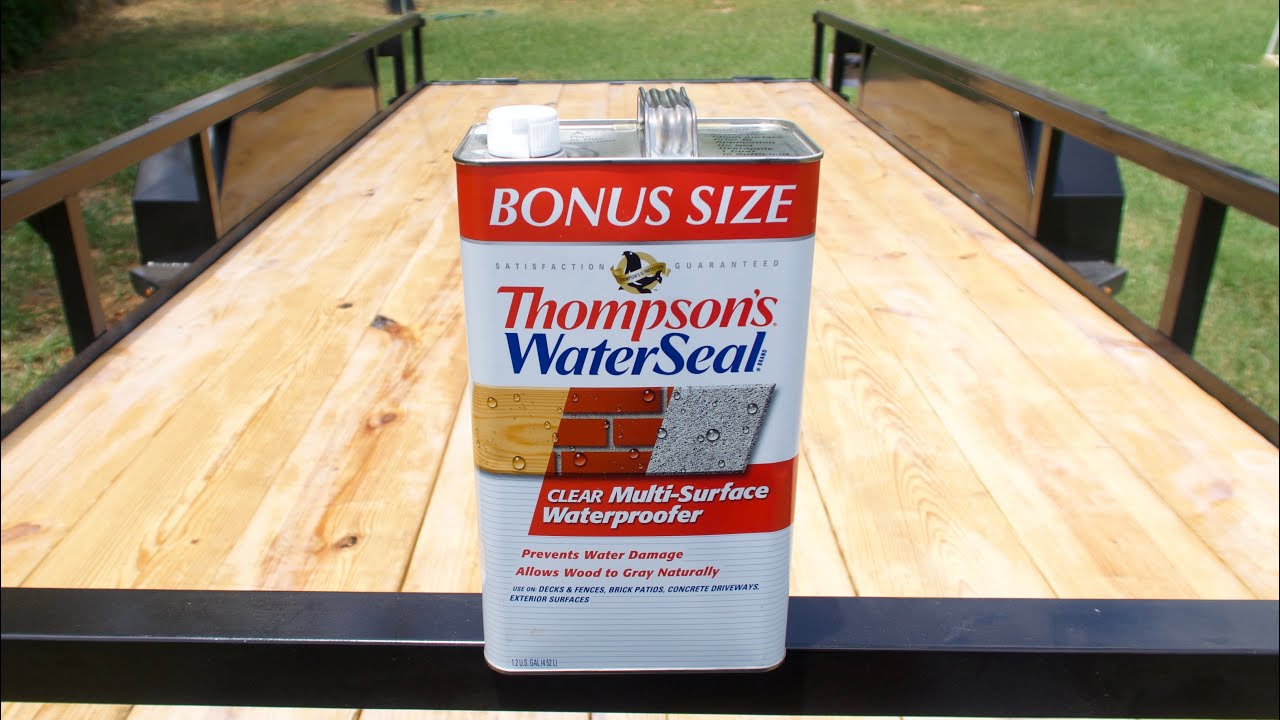
Why Is My Thompson’s WaterSeal Turning White? Causes & Fix
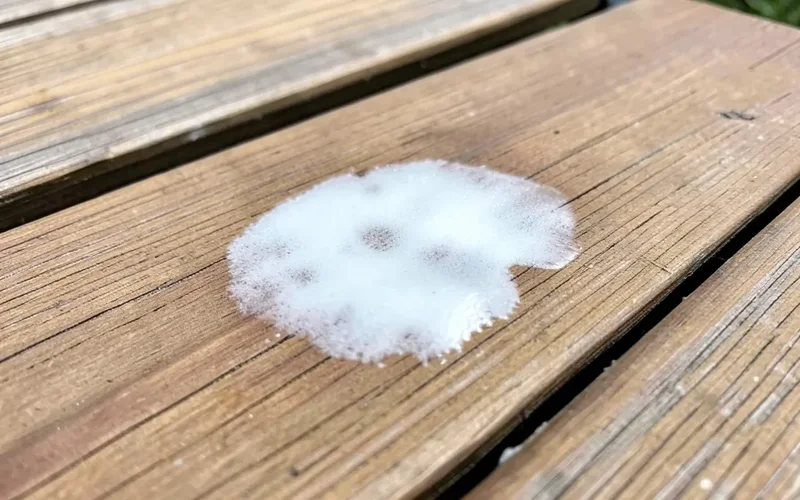
Thompson’s WaterSeal turns white when moisture gets trapped underneath the coating before it finishes curing — usually because the wood was still damp when you applied it, the weather was too cold or humid, or the coat went on too thick. The fix depends on how deep the haze goes: light surface blushing often clears on its own in warm, dry weather, while a heavier white film usually needs to be stripped off and reapplied.
It’s a more common problem than most sealer labels let on. The cloudy, milky look is technically called “blushing,” and it happens to clear wood sealers — not just Thompson’s — whenever the coating cures faster on the surface than the moisture underneath it can escape. That trapped moisture scatters light instead of letting it pass through, which is what turns a clear, glossy seal into something that looks like frost on a window.
Below is what’s actually happening chemically, the specific conditions that trigger it, and the exact steps to get your deck, fence, or patio back to a clean, clear finish — plus how to stop it from happening the next time you reseal.
Why Sealer Turns White: The “Blushing” Explanation
Best Wood Brightener For This Job
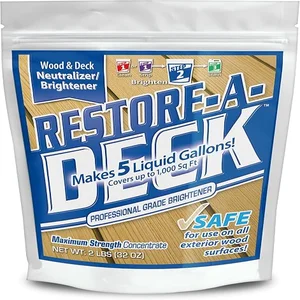 |
Restore-A-Deck Wood Brightener – $54.99 Neutralizes stripper residue and brightens grayed or blushed wood so new sealer bonds evenly instead of blushing again.
|
Thompson’s WaterSeal‘s clear and semi-transparent formulas are film-forming acrylic/wax blends. As the solvent carrier flashes off, the resin skins over from the outside in. If there’s still moisture sitting in or on the wood underneath that skin — from rain, dew, a recent pressure wash, or just high humidity in the air — that moisture gets sealed in. It can’t evaporate normally, so it forms millions of microscopic water droplets suspended inside the drying film. Light hitting those droplets scatters in every direction instead of passing straight through, and your eye reads that scattering as a white or milky haze.
This is the same phenomenon furniture finishers call “blushing” in lacquer and shellac, and it’s why the two biggest risk factors are always the same: wet wood and wet air. A sealer that goes on over a surface that feels dry to the touch can still fail this way if the wood’s internal moisture content is high — touch-dry and actually dry are not the same thing.
The Four Situations That Actually Cause It
| Trigger | What’s Happening |
|---|---|
| Wood wasn’t fully dry | Rain, dew, or a pressure wash within the last 48–72 hours left moisture inside the wood fibers, not just on the surface. |
| Applied in cold or humid weather | Below 50°F or above roughly 85% relative humidity, the film skins over before internal moisture can escape. |
| Coat applied too thick | A heavy, puddled coat cures on top first, trapping solvent and moisture underneath — thin coats almost never blush. |
| Applied over old, failing sealer | New sealer over a degraded prior coat traps whatever moisture was already sitting between the layers. |
Direct sun during application makes the problem worse in an unexpected way: it flash-dries the top surface of the coating almost instantly, which seals moisture in even faster than shade would. Ironically, sealing a deck on a “perfect sunny day” is one of the more common ways people accidentally trigger this.
Fixing an Already-Sealed Board That’s Turned White
Start with the least invasive option. If the haze is faint and appeared within the last day or two, give it 3–5 days of warm, dry weather before doing anything else — a lot of light blushing is just trapped moisture working its way out, and it clears on its own once conditions cooperate. Check it again after a dry stretch before assuming you need to strip it.
If the white film is still there after that, or it’s heavy enough that you can see it from a few feet away, it needs to come off:
- Strip the affected sealer. A dedicated deck/wood stripper (not just soap and water) breaks down the film so it can be rinsed away. Follow the product’s dwell time, then scrub with a stiff-bristle brush along the grain.
- Rinse thoroughly and let it dry 48+ hours. This is the step people rush. The wood needs to actually dry all the way through, not just look dry on top — give it two full days minimum in warm, low-humidity weather, longer if it’s been raining.
- Brighten and neutralize the wood. Strippers are alkaline and can leave the wood grain raised and grayed. A wood brightener neutralizes the pH and restores a cleaner surface for the new sealer to bond to — skipping this step is a common reason a “fixed” deck blushes again on the next coat.
- Reapply in thin, even coats. Two thin coats beat one thick one every time for this specific problem.
The Weather Window That Actually Prevents This
Thompson’s WaterSeal’s own application guidance boils down to a fairly narrow window, and most blushing complaints trace back to ignoring one part of it:
- Temperature: 50–90°F, ideally in the middle of that range rather than either edge.
- No rain forecast for at least 24 hours after application — 48 hours is safer if the wood was recently washed.
- Humidity below roughly 50%. Muggy, overcast-but-not-raining days are deceptively bad for this — they feel fine to work in but slow curing enough to trap moisture.
- Shade over direct sun during application and for the first hour or two afterward, so the surface doesn’t flash-dry.
- Wood that’s been dry for at least 48 hours since its last rain or wash — not just dry to the touch.
If you’re not sure the wood is dry enough, there’s a simple field test: sprinkle a little water on the surface. If it beads up, the wood is still sealed from a previous coat or still wet underneath and isn’t ready. If it soaks in within a few seconds, it’s absorbent and ready for sealer — assuming it’s also had enough calendar time to dry internally, not just on the surface.
Keeping It From Happening on the Next Reseal
Clean the surface with a wood-safe deck cleaner before every reseal, even if it doesn’t look dirty — built-up dirt and mildew hold moisture against the wood longer than bare wood does. Apply with a brush or roller rather than a sprayer when you can, since sprayers make it easy to over-apply without noticing. And reapply on a schedule based on wear, not a calendar: high-traffic deck boards and horizontal fence caps typically need resealing every 1–2 years, while vertical fence faces and less-exposed surfaces can often go 2–3.
Frequently Asked Questions
Why Is My Thompson’s Water Seal Turning White?
It’s turning white because moisture got trapped under the coating before it finished curing — from damp wood, high humidity, cold temperatures, or an overly thick coat. The trapped water droplets scatter light, which reads as a milky or frosted haze instead of a clear finish.
Will White Thompson’s Water Seal Go Away On Its Own?
A light haze sometimes clears within 3–5 days of warm, dry weather as the trapped moisture slowly escapes. A heavier white film usually won’t clear on its own and needs to be stripped and reapplied.
Can Thompson’s Water Seal Turn White Over Time, Even If It Went On Clear?
Yes. A coat can look perfectly clear on the day you apply it and still blush hours or days later if the wood held more internal moisture than it appeared to, or if humidity spiked overnight during the cure window.
Is White Residue A Sign My Deck Is Damaged?
Not on its own — blushing is a curing problem with the sealer coat, not evidence of rot or water damage to the wood itself. That said, leaving a failed, patchy coat in place for a long time can let moisture reach the wood underneath, so it’s worth fixing rather than ignoring.
Bottom Line
White, cloudy Thompson’s WaterSeal almost always comes down to moisture trapped under the coat during curing — check the wood’s dryness, the weather window, and how thick you applied it before assuming the product itself is defective. Strip, brighten, and reapply thin coats in the right conditions, and it’s a one-time fix rather than a recurring problem.
Sponsored / affiliate links. As an Amazon Associate I earn from qualifying purchases. I may earn additional commission from eligible campaigns.