Temperature to Apply Thompson’s Water Seal
Apply Thompson’s WaterSeal when air and surface temperatures stay roughly between 50°F and 90°F, the wood is dry, and no rain is expected for at least 24 hours; avoid coating if the overnight low may drop to around 50°F or lower. Poor timing can lead to weak bonding, blotching, or an early finish failure. This guide shows how to judge today’s weather window using air temp, surface temp, overnight low, and rain timing.
This guide is part of our Cold Weather Wood Finishing: What Works Below 50°F series.
What temperature does Thompson’s WaterSeal need?
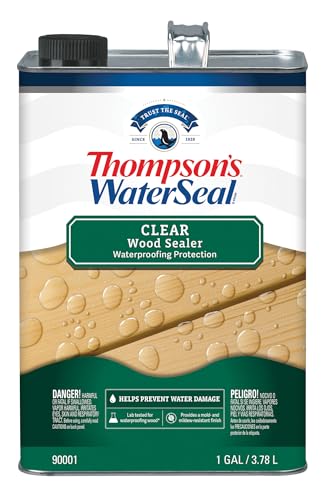

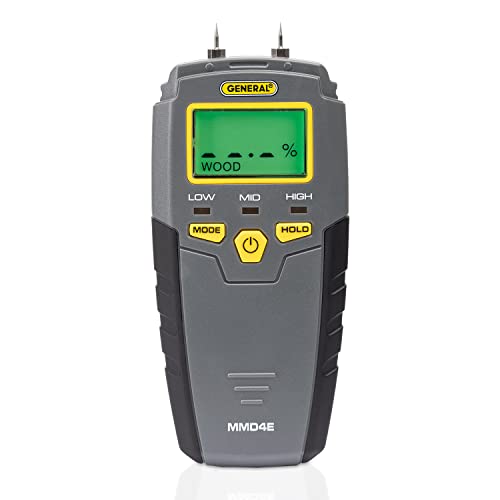
Use the label minimum as the deciding rule: both air and surface temperatures need to be above 50°F during application. A reviewer guide also places the best application window at 50°F to 90°F. If the day is warm but the board is still cold, the wood surface can still be out of range.
Label minimum for air temperature
The air should stay above 50°F while you apply the product. That is not a casual preference; it is the minimum rule that matches label guidance. If the forecast hovers at 50°F, treat that as too close to the edge and wait for a clearer buffer.
Surface temperature and why it matters
Surface temperature matters because the coating bonds to the wood, not to the air. A board in shade can lag behind the forecast, especially early in the morning or after a cool night. If the surface is below 50°F, the project is not ready even when the air feels comfortable.
What 50°F means in practice
In practice, 50°F is a cutoff, not a comfort zone. You want both the air and the board above that point at application time, and you want the wood to stay warm enough afterward for proper cure. The temperature should stay above 50°F for 48 hours after application.
Picture a deck that is 62°F by 2 p.m. but started at 48°F that morning. If the boards are still cool in shade, the afternoon high alone is not a go-ahead signal. The question is whether the wood and the overnight forecast both support the finish through the next two days.
Temperature apply thompson’s water decision table
Use this table as a quick go/no-go check before you start. It ties each common forecast to the label rules that matter most: temperature above 50°F, the rain window, and surface dryness.
| Forecast scenario | Apply today? | Reason | Label rule matched |
|---|---|---|---|
| 48°F morning, 62°F afternoon | No | The morning is below the minimum, and cool boards can stay out of range even if the afternoon warms up. | Both air and surface temperatures must be above 50°F. |
| 55°F day with 42°F overnight | No | The daytime temperature clears the minimum, but the overnight low drops below the cure-safe threshold noted in one source. | Keep the temperature above 50°F for 48 hours after application. |
| 70°F and rain in 18 hours | No | The temperature is fine, but the rain arrives inside the 24-hour no-rain window. | Do not apply if rain is forecast within 24 hours. |
| 60°F on damp wood | Maybe | Some Thompson’s products can go on damp wood, but other formulas require a dry surface, so the product label decides this one. | Some products can be applied to damp wood; some require dry wood before staining or sealing. |
| 85°F in direct sun | Maybe | The temperature is within the best range, but hot boards in direct sun can read much warmer than the air and may dry unevenly. | Best range is 50°F to 90°F, with surface temperature still above 50°F. |
Can you apply it before rain?
Only if the product’s rain window stays clear. The general rule is simple: do not apply if rain is forecast within 24 hours. That rule matters more than a warm afternoon, because a coating that gets wet too soon can fail to bond or wash out before it sets.
Reading the rain window on the label
Check the forecast hour by hour, not just the day’s icon. A chance of showers at 7 p.m. still counts if you start in the morning and the label calls for 24 rain-free hours. If the forecast shifts after you begin, stop and protect the surface from fresh moisture.
Why timing matters more than the afternoon high
A warm high does not cancel out a short rain window. The coating needs time to set, and one source says the temperature should stay above 50°F for 48 hours after application. That means a sunny afternoon followed by a cold, wet night is still a poor choice.
What to do if weather changes after application
If rain moves in sooner than expected, keep traffic off the area and let the product dry as well as conditions allow. For fence and deck jobs, the safest move is to wait for a fresh window rather than trying to rescue a rushed coat. A second coat is not the fix for an undercured first one.
Do you need dry wood?
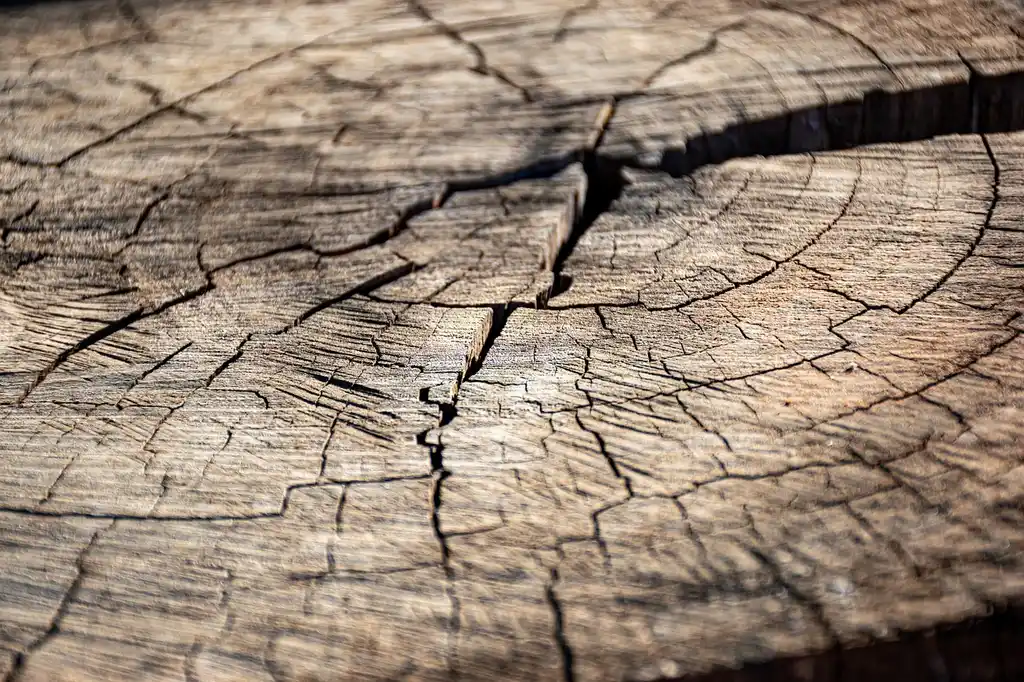
For many Thompson’s formulas, yes. Wood should dry completely for 24 to 48 hours before sealing, while another product note says some formulas can be applied to damp wood. That means you need the exact product directions, not a one-size rule for every can.
Dry wood requirements by formula
Some products want a dry surface, and some tolerate damp wood. That difference matters for deck boards, fences, and rails that may hold morning dew or hold moisture in shaded areas. If the label says dry wood, treat “mostly dry” as not good enough.
When damp wood is allowed
Damp wood is only acceptable when the specific product label allows it. Do not assume every Thompson’s WaterSeal formula shares that permission. If your product does not explicitly allow damp application, wait until the wood is dry enough to meet the label.
How to judge moisture before starting
- Wipe the board with a dry cloth and check for darkened areas.
- Look for shaded joints, end grain, and underside edges that hold water longer.
- Check after morning dew has fully burned off.
- If the product calls for dry wood, wait until the surface reads and feels dry across the whole area.
- Do not coat if rain, sprinklers, or cleaning water can hit the wood before it cures.
Suppose a fence is dry on the face boards but still damp along the lower rail after overnight dew. That lower rail can still ruin the timing if the product requires dry wood. The safe move is to wait until the whole surface meets the label requirement, not just the parts you can see from standing height.
How warm should the wood surface be?
The wood surface should be above 50°F, and it should remain warm enough to support cure after application. Air temperature can be misleading because boards heat and cool faster than the surrounding air. Measure the board itself before you open the can or load the sprayer.
Air temperature versus surface temperature
Air temperature tells you the weather. Surface temperature tells you the wood’s actual condition. A deck in direct shade may stay cold long after the air has warmed, while a black-stained fence board in direct sun may run much hotter than the forecast. The label rule depends on the board, not the weather app.
Using an IR thermometer
An infrared thermometer is the easiest way to check surface temperature. Aim at the actual board, not the air above it, and take readings from shaded and sunny spots if the project spans both. If the lowest board in the run is under 50°F, wait.
Direct sun and hot boards
Direct sun can push surface temperatures toward the top of the application range even when the air feels mild. That can speed flashing and make brush or sprayer marks more visible if you work too slowly. Early morning shade or late afternoon often gives you a steadier window than peak sun.
How do you apply Thompson’s WaterSeal?
Use a brush, roller, or pump sprayer, depending on the size and shape of the surface. Stir the product instead of shaking it. For many Thompson’s products, one coat is usually enough, but the exact coat count should follow the label and the wood’s absorption.
Brush
A brush works well for rails, corners, end grain, and detailed trim. It gives you control where a sprayer can miss edges. Use it to work the coating into grain and around fasteners, especially on older boards that have drier spots and uneven absorption.
Roller
A roller is practical for broad deck boards and flat fence panels. It can move product quickly across large areas, but it still needs even pressure to avoid lap marks. Follow the spread rate on the container and keep a wet edge if the weather is warm and dry.
Pump sprayer
A pump sprayer is useful for long fences and wide runs. It speeds coverage, but you still need to back-brush or back-roll if the label calls for it. Keep the spray pattern even, and avoid overapplying in corners where finish can pool.
Stirring and coat count
Stir the can thoroughly before and during use. Do not shake it, because shaking can create bubbles that show up in the finish. One coat is often enough for many formulas, but worn boards may take more product at the edges and end grain.
How often should you reapply it?
Reapply based on wear, exposure, and the product label, not just a calendar date. Thompson’s WaterSeal is commonly described as needing reapplication every one to three years. Sun, runoff, foot traffic, and open exposure can shorten that interval, while sheltered surfaces can last longer.
Wear-based timing
Watch for fading, water not beading, and thin spots on high-wear areas such as stair treads and top rails. Those signs matter more than the month on the calendar. If water no longer beads well, the finish is telling you the surface is ready again.
Exposure factors that shorten the interval
South-facing boards, uncovered decks, and fence tops take more sun and weather than shaded, protected surfaces. Frequent washing and heavy foot traffic also wear the coating faster. In those conditions, the shorter end of the one- to three-year range is more realistic.
Clear, transparent, semi-transparent, and tinted variants
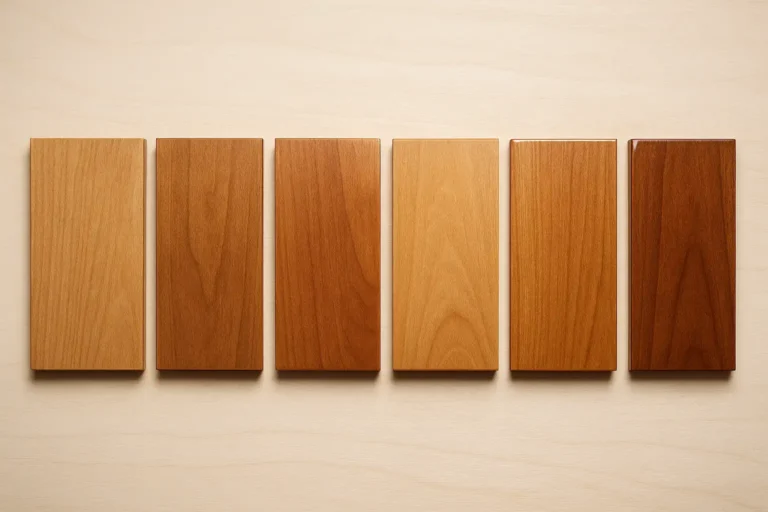
The main product variants commonly include clear, transparent, semi-transparent, and tinted. Appearance changes from one formula to another, but the label still controls timing, dryness, and rain window. Do not assume a different color means a different application rule unless the package says so.
What is the best temperature to apply Thompson’s WaterSeal?
The best temperature is the middle of the label range, not the edge. A reviewer guide places the best application window at 50°F to 90°F. That gives you enough warmth for bonding and drying without pushing the coating into fast flash-off or cool-weather cure problems.
Good weather looks steady, not borderline
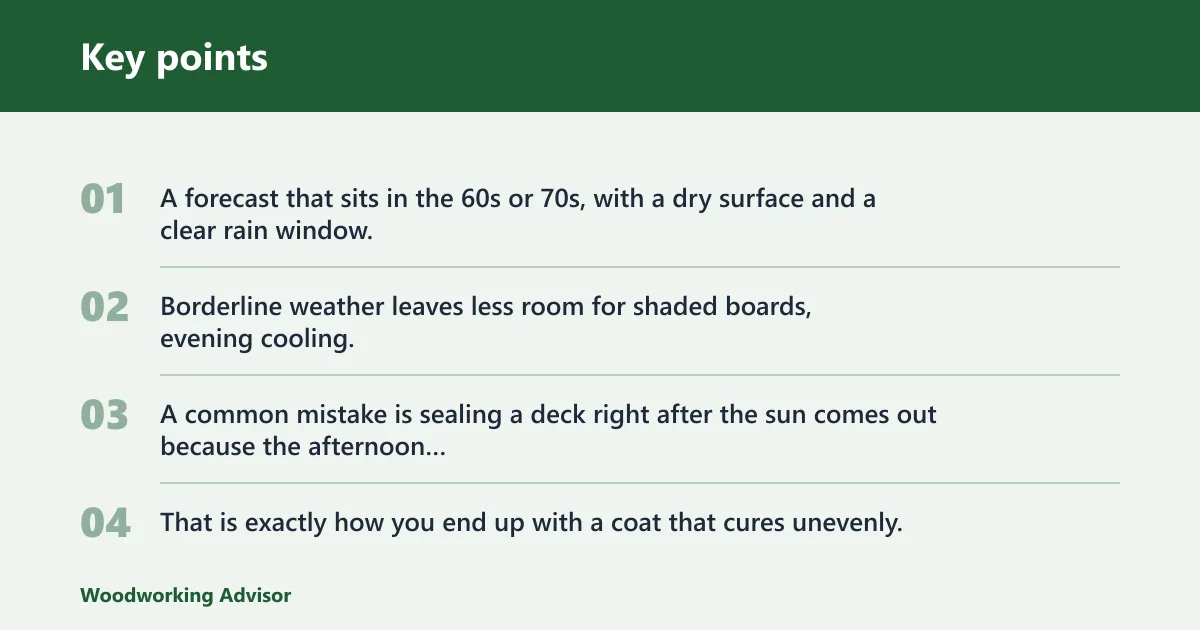
A forecast that sits in the 60s or 70s, with a dry surface and a clear rain window, is easier to work with than a day that just barely clears 50°F. Borderline weather leaves less room for shaded boards, evening cooling, and forecast drift.
Common first-timer mistake
A common mistake is sealing a deck right after the sun comes out because the afternoon forecast says 70°F, even though the railings are still damp and chilly from a foggy 48°F morning. The air looks fine, but the wood may not be. That is exactly how you end up with a coat that cures unevenly.
Frequently asked questions
What is the lowest temperature to apply Thompson’s Water Seal?
The lowest application temperature is above 50°F for both air and surface temperature. Treat 50°F as a hard minimum, not a comfortable target. If the forecast hovers at that mark, wait for a clearer margin so the board stays within range during and after application.
What temperature does it need to be to apply Thompson water seal?
Use a weather window between 50°F and 90°F, with both the air and the wood surface above 50°F. That range lines up with the label minimum and the best-window guidance. If the surface is colder than the air, the board still fails the rule.
How long before rain can you apply Thompson’s WaterSeal?
Do not apply if rain is forecast within 24 hours. That is the practical rain window to check before you start. If showers, mist, or overnight rain fall inside that period, wait for a later day with a cleaner forecast and a drier board.
How often should I apply Thompson’s WaterSeal?
Reapply every one to three years, depending on exposure and wear. Sun, water runoff, traffic, and surface condition can shorten that span. Watch for fading or reduced beading rather than relying only on the calendar, and follow the specific product label for your formula.
What temperature can you apply Thompson water seal?
You can apply it when air and surface temperatures are both above 50°F, and the weather stays within the 50°F to 90°F application window. Avoid starting if the board will cool sharply overnight or if the forecast calls for rain inside the next 24 hours.
How often to apply Thompson’s WaterSeal?
For many projects, the right answer is every one to three years, but the actual timing depends on exposure and product type. Clear, transparent, semi-transparent, and tinted formulas can all wear differently. Check the surface first, then recoat when water no longer beads well or the finish looks thin.
Sponsored / affiliate links. As an Amazon Associate I earn from qualifying purchases. I may earn additional commission from eligible campaigns.