Wood Deck Railings: Code Rules, Material Choices, and What Home Depot Sells
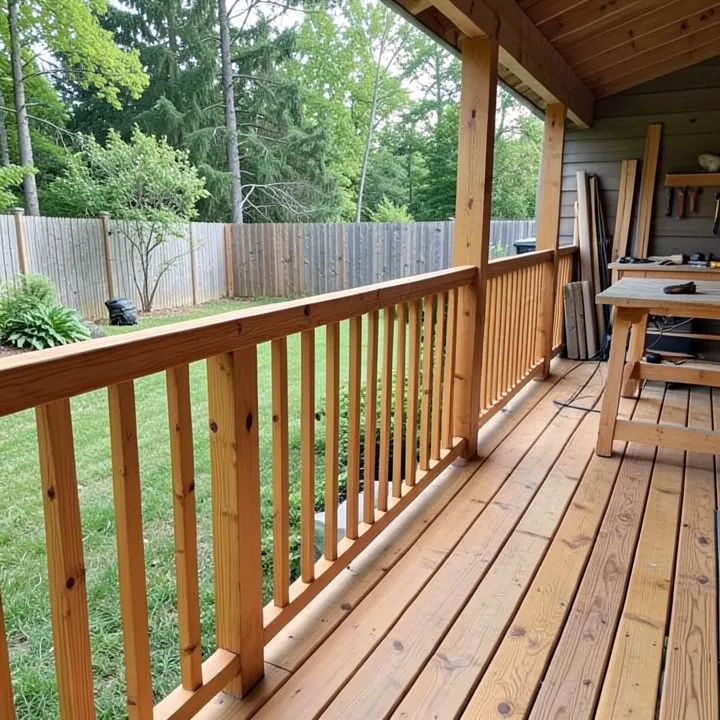
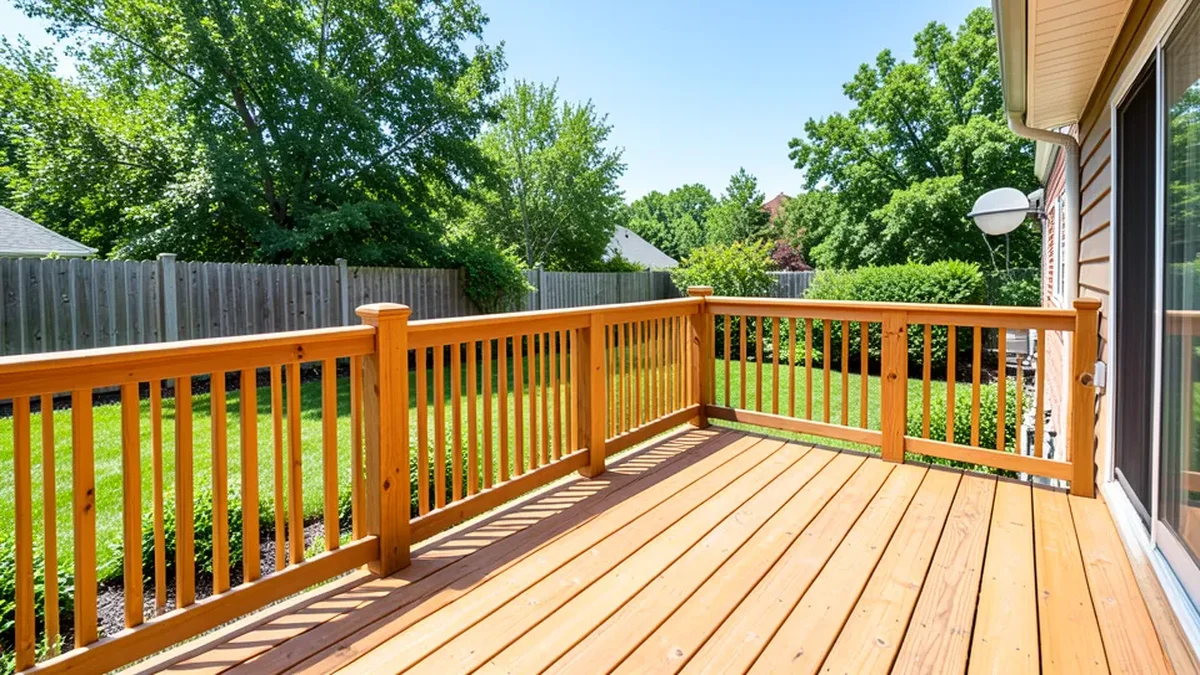
Short answer: most U.S. building codes (based on the International Residential Code) require a deck railing whenever the deck surface is more than 30 inches above grade, with a minimum railing height of 36 inches for a residential deck and baluster spacing narrow enough that a 4-inch sphere can’t pass through. Home Depot sells pressure-treated pine, cedar, and composite railing systems both in-store and for special order, with pressure-treated pine being the cheapest and lowest-maintenance-cost option and cedar and composite costing more upfront for less (cedar) or no (composite) ongoing sealing.
Deck Railing Code Basics
Best Sealer for Wood Deck Railings
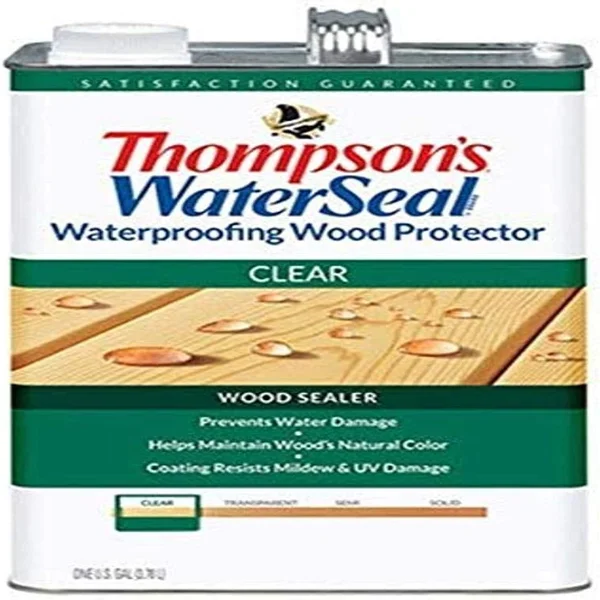 |
Thompson’s WaterSeal Wood Protector, 1.2 Gal – $42.33 Whatever wood you choose for your railing, it needs a water-repellent sealant reapplied every 1-2 years to actually hit its expected lifespan outdoors.
|
Building codes vary somewhat by state and local jurisdiction, but most U.S. residential deck railing requirements are based on the International Residential Code (IRC), which generally specifies: a guard/railing is required once the deck’s walking surface is more than 30 inches above the ground or floor below; the railing must be at least 36 inches tall (measured from the deck surface to the top of the rail) for a residential deck; and the gaps between balusters (the vertical posts) must be narrow enough that a 4-inch sphere cannot pass through, a rule specifically meant to prevent small children from slipping through. Always check with your local building department before finalizing a design – some municipalities have stricter requirements than the baseline IRC numbers.
Material Options and What Home Depot Stocks
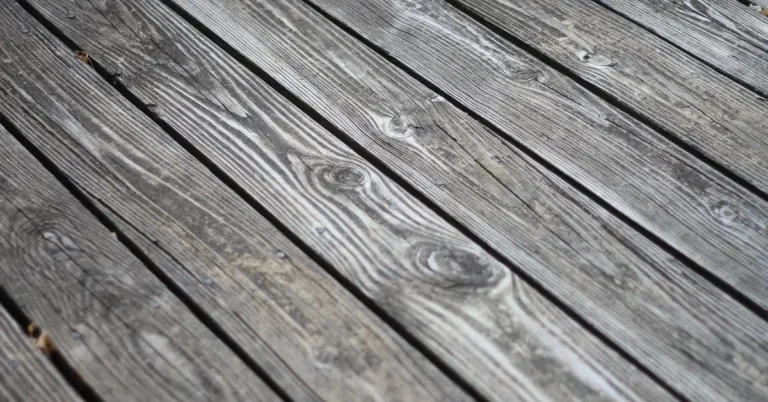
- Pressure-treated pine: the most common and least expensive option, chemically treated to resist rot and insect damage. It needs a water-repellent sealant reapplied roughly every 1-2 years to look and perform its best, and it can warp or crack if left unsealed for long stretches.
- Cedar: naturally resistant to rot and insects without chemical treatment, with a warmer, more attractive grain than pressure-treated pine. It costs more upfront and still benefits from a UV-protective sealant every 2-3 years to slow the natural graying process.
- Composite: a wood-plastic blend that needs essentially no sealing or staining and resists splintering, at a higher material cost than either wood option. It’s sold in matching railing systems specifically so the color and profile stay consistent with composite decking.
Home Depot stocks pressure-treated and basic cedar railing components (posts, balusters, and rail sections) in-store at most locations, with composite railing systems and specific brand/style combinations more commonly available as a special order or through their website for in-store pickup or delivery.
Installing a Wood Deck Railing
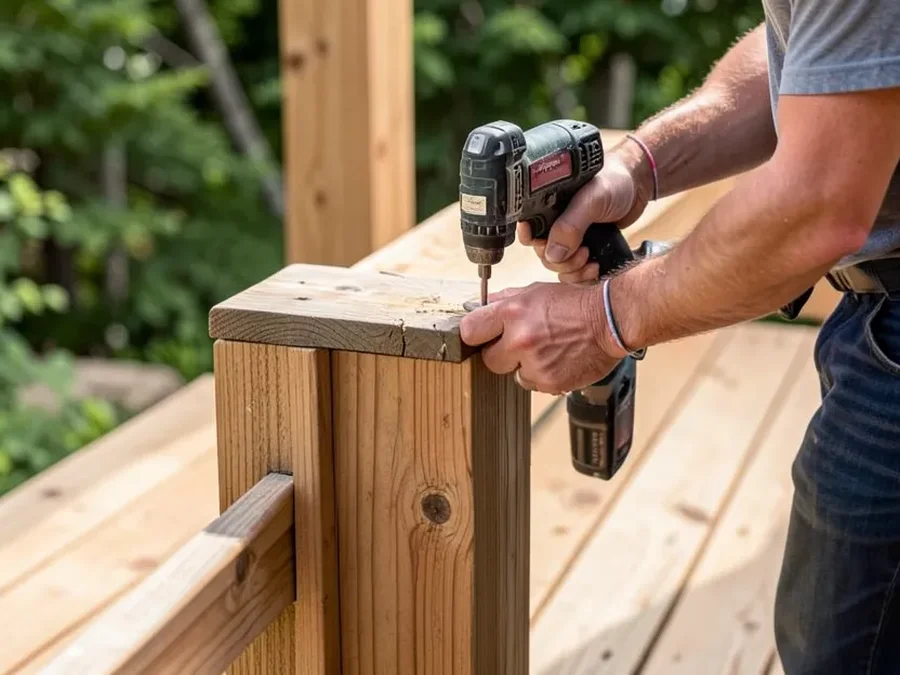
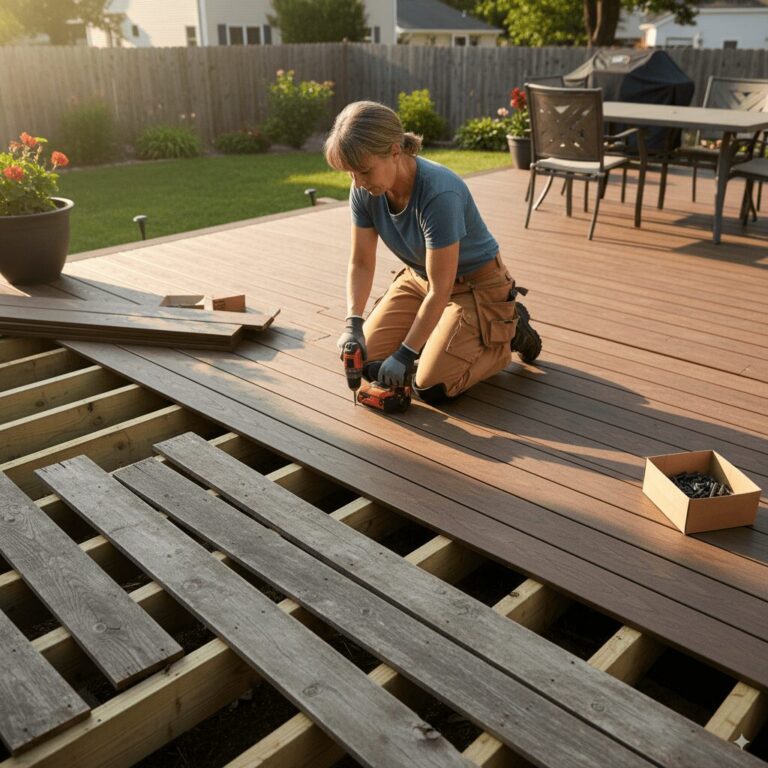
The critical structural point most first-time installers miss: railing posts must be bolted through to the deck’s actual framing (the rim joist or a blocked-in structural member), not just screwed into the decking boards. A post attached only to decking boards can fail under lateral force – exactly the kind of force a person leaning on the railing applies. Posts are typically spaced no more than 6 to 8 feet apart to keep the top rail from flexing, and every post-to-frame connection should use structural bolts or lag screws rated for the load, not just deck screws.
After the posts are set plumb and secure, the top and bottom rails and balusters install between them, with a level used throughout to confirm the railing stays even across its full run. If you’re not confident in the structural attachment step specifically, that’s the one part of this project worth having a professional at least inspect before you rely on the railing.
Maintenance
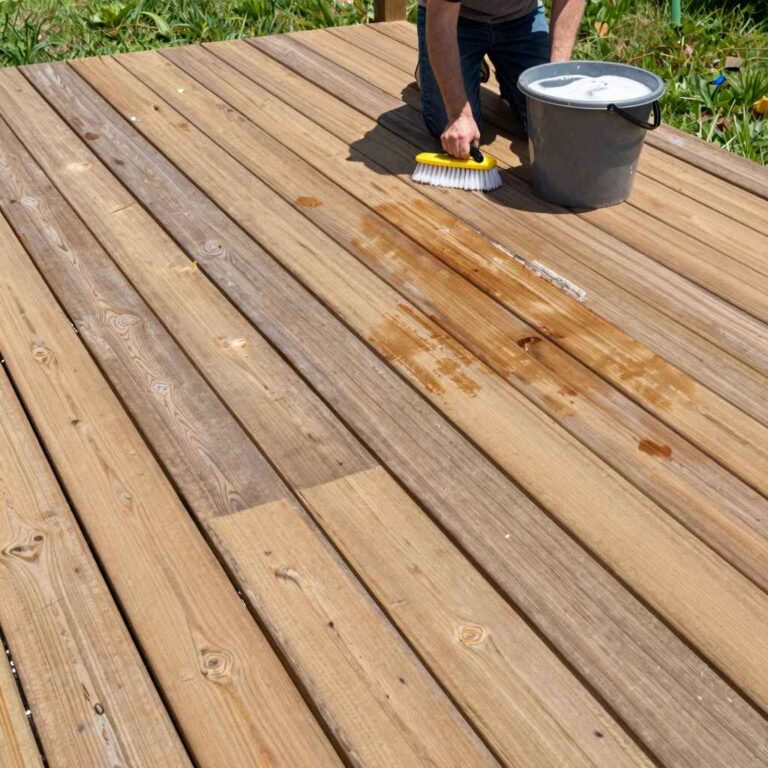
Whatever material you choose, a few habits extend its life: reapply a water-repellent sealant on the schedule appropriate to the wood (yearly for pressure-treated pine, every 2-3 years for cedar), check for loose balusters or posts each season since a loose connection is both a safety issue and a sign of developing rot, and keep the area under and around the railing clear of standing water or plant growth that traps moisture against the wood.
Frequently Asked Questions
What is the minimum height for a deck railing?
Most U.S. residential codes, based on the IRC, require at least 36 inches for a deck railing, though local codes can set a higher minimum – always confirm with your local building department.
How far apart can deck railing balusters be?
Baluster gaps must generally be narrow enough that a 4-inch sphere cannot pass through, a standard rule meant to prevent small children from slipping through the railing.
Is cedar or pressure-treated wood better for deck railings?
Pressure-treated pine is less expensive and requires more frequent sealing (roughly yearly). Cedar costs more upfront, resists rot naturally, and needs sealing less often (roughly every 2-3 years) while offering a warmer natural appearance.
Does Home Depot carry composite deck railing?
Yes, though composite railing systems and specific brand/style options are more commonly available as a special order or online for pickup/delivery rather than sitting in-stock at every store location.
Conclusion
Before choosing a material, confirm your local code’s height and baluster-spacing requirements, since those are non-negotiable safety minimums, not style choices. Pressure-treated pine is the budget option that needs the most frequent sealing, cedar costs more but needs less upkeep, and composite needs almost none at a higher material cost – and regardless of material, the posts have to bolt into the deck’s actual structural framing, not just the decking boards.
Sponsored / affiliate links. As an Amazon Associate I earn from qualifying purchases. I may earn additional commission from eligible campaigns.