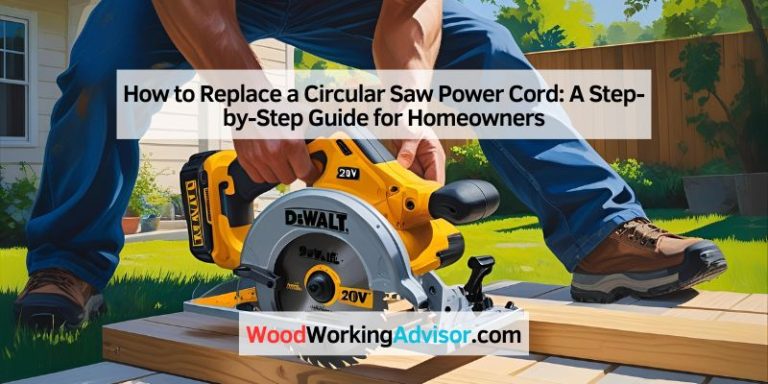
Your Ultimate Guide to Woodworking Circular Saw Blades
Hey there, fellow woodworker! If you’re like me, you know that a circular saw is the heartbeat of any woodworking shop. But let’s be real—the blade you choose for that saw can make or break your project. I’ve spent years tinkering with different circular saw blades, learning what works and what doesn’t. Today, I’m excited to share everything I’ve discovered about woodworking circular saw blades. Whether you’re a weekend DIYer or a seasoned pro, this guide will help you pick the perfect blade for your next masterpiece. Let’s dive in!
Why Circular Saw Blades Matter in Woodworking
I remember the first time I tried cutting a piece of oak with a dull, cheap blade. The result? Jagged edges, burn marks, and a whole lot of frustration. That’s when I realized the blade isn’t just an accessory—it’s the soul of your cut. A good circular saw blade delivers clean, precise cuts, saves you time, and keeps your workpiece looking professional. But a bad one? It can ruin your material and your mood.
Circular saw blades are designed for specific tasks. Some are great for ripping lumber, others for crosscutting, and some handle tricky materials like plywood or hardwoods. Choosing the right blade means understanding your project’s needs and matching them to the blade’s features. Let’s break down the key factors to consider.
Understanding Blade Size and Arbor
When I first started woodworking, I thought all circular saw blades were pretty much the same size. Boy, was I wrong! Blade size is critical, and it’s measured by the diameter, usually in inches. Common sizes for woodworking are 7-1/4 inches for handheld saws and 10 or 12 inches for table saws or miter saws.
The arbor—the hole in the center of the blade—has to match your saw’s arbor size. Most saws use a 5/8-inch arbor, but some smaller saws might need a 1/2-inch or even a 1-inch arbor. I once tried using a blade with the wrong arbor size, and let’s just say it was a wobbly disaster. Always double-check your saw’s manual to confirm the size.
Here’s a quick table to help you match blade sizes to common saw types:
| Saw Type | Common Blade Size | Typical Arbor Size |
|---|---|---|
| Handheld Circular Saw | 7-1/4 inches | 5/8 inch |
| Table Saw | 10 or 12 inches | 5/8 inch |
| Miter Saw | 10 or 12 inches | 5/8 or 1 inch |
| Cordless Circular Saw | 6-1/2 or 7-1/4 inches | 5/8 inch |
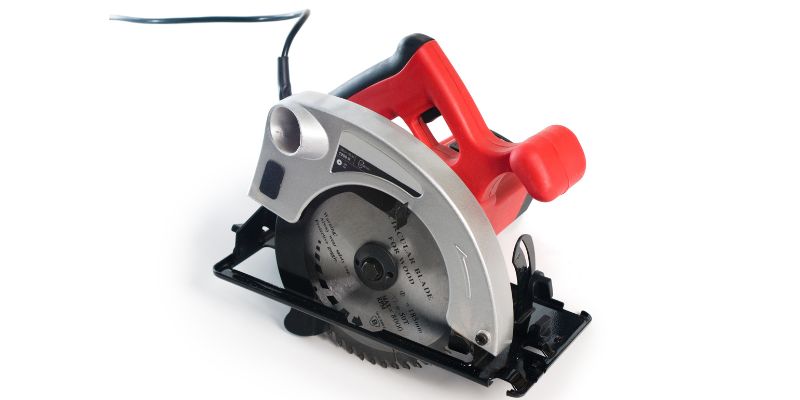
Tooth Count and Its Impact
The number of teeth on a blade is a game-changer. I learned this the hard way when I used a low-tooth-count blade for a finish cut—hello, splintered edges! Tooth count affects the speed and smoothness of your cut. Here’s the deal:
- Low tooth count (24-40 teeth): These blades are for ripping, or cutting along the grain of the wood. They cut fast but leave rougher edges. I use these when I’m breaking down large boards.
- Medium tooth count (40-60 teeth): These are great for general-purpose cutting. They balance speed and smoothness, making them my go-to for most projects.
- High tooth count (60-100+ teeth): These are for crosscutting or cutting across the grain. They give you super-smooth cuts, perfect for plywood or finish work.
For example, when I’m building a bookshelf, I’ll use a 24-tooth blade to rip the lumber and switch to an 80-tooth blade for clean crosscuts on the shelves. Matching the tooth count to your task is key to getting great results.
Blade Material and Durability
Not all blades are created equal. The material of the blade affects how long it lasts and how well it cuts. Most circular saw blades are made from steel, but the quality varies. Here’s what I’ve learned about blade materials:
- High-Speed Steel (HSS): These are affordable but wear out quickly, especially on hardwoods. I used HSS blades when I was just starting out, but they dulled fast.
- Carbide-Tipped Blades: These are my favorite. The teeth are tipped with carbide, a super-hard material that stays sharp longer. They’re pricier but worth every penny for their durability.
- Diamond-Tipped Blades: These are overkill for most woodworking but great for cutting abrasive materials like MDF or laminate.
I once invested in a high-quality carbide-tipped blade, and it’s still cutting like a dream after dozens of projects. If you’re serious about woodworking, don’t skimp on blade quality—it pays off in the long run.
Types of Circular Saw Blades for Woodworking
There’s a blade for every job, and I’ve tried most of them. Here’s a rundown of the main types you’ll encounter:
Ripping Blades
Ripping blades are built for cutting along the grain of the wood. They usually have 24 to 30 teeth with a flat-top grind (FTG) for aggressive cutting. I use these when I’m turning rough lumber into usable boards. They’re fast but leave rough edges, so I follow up with a planer or sander.
Crosscut Blades
Crosscut blades are for cutting across the grain, like when you’re trimming boards to length. They have 60 to 100 teeth with an alternate top bevel (ATB) design, which slices cleanly through wood fibers. I rely on these for furniture projects where smooth edges are a must.
Combination Blades
If you only want one blade for everything, a combination blade is your best bet. With 40 to 50 teeth and a mix of FTG and ATB grinds, these blades handle both ripping and crosscutting. I keep a combination blade on my saw for quick projects when I don’t want to swap blades.
Plywood and Melamine Blades
Cutting plywood or melamine without splintering is tricky. These blades have high tooth counts (80-100) and a triple-chip grind (TCG) to minimize tear-out. I learned to use these the hard way after ruining a sheet of expensive plywood with the wrong blade.
Dado Blades
Dado blades are a bit different—they’re actually a set of blades stacked together to cut wide grooves or dados. I use these for joinery, like making slots for shelves. They’re not for every saw, so check if your saw can handle them.
Tooth Geometry and Cutting Performance
Tooth geometry sounds technical, but it’s just the shape and angle of the blade’s teeth. It’s a big deal for how the blade performs. Here’s what I’ve figured out:
- Flat-Top Grind (FTG): Great for ripping because it chisels through wood quickly. Not so great for clean cuts.
- Alternate Top Bevel (ATB): The teeth alternate between left and right angles, slicing cleanly for crosscuts.
- Triple-Chip Grind (TCG): This alternates between a flat tooth and a trapezoid-shaped tooth, perfect for hard materials like laminate.
- High Alternate Top Bevel (Hi-ATB): These have steeper angles for ultra-smooth cuts on delicate materials like veneer.
I once used an ATB blade for ripping, and the cut was slower than molasses. Now I always check the tooth geometry before buying.
Kerf Width: Thin vs. Full Kerf
The kerf is the width of the cut a blade makes. Thin-kerf blades (around 1/16 inch) remove less material, which means less waste and less strain on your saw. Full-kerf blades (around 1/8 inch) are sturdier and better for heavy-duty cutting but require more power.
When I got my first cordless saw, it struggled with a full-kerf blade. Switching to a thin-kerf blade made all the difference. If you’re using a battery-powered saw, go thin-kerf to save power and get smoother cuts.
Blade Coatings and Features
Modern blades often come with coatings to improve performance. I was skeptical at first, but these coatings really do make a difference:
- Non-Stick Coatings: These reduce friction and prevent pitch buildup. My blades stay cleaner longer with these.
- Anti-Vibration Slots: These slots, often laser-cut, reduce noise and vibration. I noticed my cuts were steadier with these blades.
- Cooling Holes: These help dissipate heat, which is great for long cutting sessions.
I once used a coated blade for a big project, and cleanup was a breeze—no sticky resin gumming up the teeth.
Maintaining Your Circular Saw Blades
A dull blade is a woodworker’s worst enemy. I learned early on that taking care of your blades extends their life and keeps your cuts clean. Here’s how I maintain mine:
- Cleaning: I soak my blades in a simple solution of water and dish soap to remove pitch and resin. A quick scrub with a brush keeps them shining.
- Sharpening: When my cuts start getting rough, I know it’s time to sharpen. I take my blades to a professional sharpener, but you can learn to do it yourself with a file or sharpening system.
- Storage: I store my blades in a dry place, often in a blade case or hanging on a pegboard. This prevents rust and damage.
I once neglected a blade, and it rusted so badly I had to toss it. Now I’m religious about maintenance.
Safety Tips for Using Circular Saw Blades
Safety is huge in woodworking. I’ve had a few close calls, so I’m extra careful now. Here are my top safety tips:
- Always unplug or remove the battery from your saw before changing blades.
- Wear safety glasses and gloves when handling blades—they’re sharp!
- Make sure the blade is securely tightened to the arbor.
- Never force a cut. Let the blade do the work.
- Use a blade guard and keep your hands clear of the cutting path.
I once saw a blade kick back because it was loose. Scary stuff! Double-check everything before you start cutting.
Choosing the Right Blade for Your Project
Picking the right blade can feel overwhelming, but I’ve got a simple approach. Ask yourself:
- What material am I cutting? Softwood, hardwood, plywood, or something else?
- Am I ripping or crosscutting?
- Do I need a super-smooth finish, or is speed more important?
- What’s my saw’s power and arbor size?
For example, if I’m building a deck, I’ll grab a 24-tooth ripping blade for speed. But for a cabinet, I’ll use an 80-tooth crosscut blade for precision. Matching the blade to the job is half the battle.
My Favorite Blade Brands
Over the years, I’ve tried tons of blades. Some brands stand out for their quality and performance. Here are my go-to’s:
- Freud: Their carbide-tipped blades are top-notch for durability and clean cuts.
- Diablo: Affordable and reliable, especially for DIYers.
- Forrest: These are premium blades with incredible precision for fine woodworking.
- CMT: Great for specialty cuts like plywood or laminate.
I’ve had a Freud blade last through countless projects, and it’s still going strong. Invest in a good brand, and you won’t regret it.
Common Mistakes to Avoid
I’ve made my share of mistakes with circular saw blades. Here are some pitfalls to watch out for:
- Using a dull blade. It’s tempting to keep going, but dull blades burn wood and strain your saw.
- Choosing the wrong tooth count. A ripping blade for crosscuts will leave ugly edges.
- Ignoring your saw’s specs. A blade that’s too big or has the wrong arbor won’t work.
- Skipping maintenance. A dirty or dull blade is a recipe for bad cuts.
Learn from my mistakes, and your projects will turn out better.
Conclusion
Wow, we’ve covered a lot about woodworking circular saw blades! From tooth count to blade materials, I hope you feel ready to choose the perfect blade for your next project. I’ve learned so much from trial and error, and I’m thrilled to pass that knowledge on to you. A good blade can transform your woodworking, making every cut smoother, faster, and more precise. So, grab your saw, pick the right blade, and let’s create something amazing together. Happy woodworking!
FAQs
What’s the Best Blade for Cutting Plywood?
Plywood can be tricky because it splinters easily. I recommend a high-tooth-count blade, like an 80-tooth plywood blade with a triple-chip grind. It slices cleanly through the layers without tear-out. I’ve had great results with Freud or Diablo plywood blades.
How Often Should I Sharpen My Circular Saw Blade?
It depends on how much you use it. For me, I sharpen my blades every few months if I’m working on big projects. If you notice burn marks or rough cuts, it’s time to sharpen. You can do it yourself or take it to a pro shop.
Can I Use the Same Blade for Ripping and Crosscutting?
You can, but it’s not ideal. Combination blades with 40-50 teeth work for both, but they’re a compromise. For the best results, I use a ripping blade for along-the-grain cuts and a crosscut blade for across-the-grain cuts.
Are Thin-Kerf Blades Better Than Full-Kerf?
Thin-kerf blades are great for cordless saws or less powerful saws because they use less energy and produce less waste. Full-kerf blades are sturdier for heavy-duty cuts but need more power. I choose based on my saw and project.
How Do I Know If My Blade Is Dull?
If your cuts are rough, you see burn marks, or the saw feels like it’s working harder, your blade is probably dull. I check my blades regularly and clean or sharpen them as soon as I notice these signs.