Cordless Handheld Circular Saws: A Buying Guide
A cordless handheld circular saw is a battery-powered version of the standard corded circular saw, giving up some runtime and up-front cost in exchange for working anywhere without an extension cord. Modern 20V/18V models with brushless motors now handle most framing, decking, and plywood work that used to require a corded saw.
What Is A Cordless Handheld Circular Saw?
Best All-Around Cordless Circular Saw
 |
DEWALT DCS573B 20V MAX 7-1/4″ Circular Saw (Tool Only) – $233.16 A full-size 7-1/4-inch blade handles the same 2x4s and plywood a corded saw does, with a brushless motor and FLEXVOLT Advantage that pulls extra power from a compatible larger battery when the cut demands it.
|
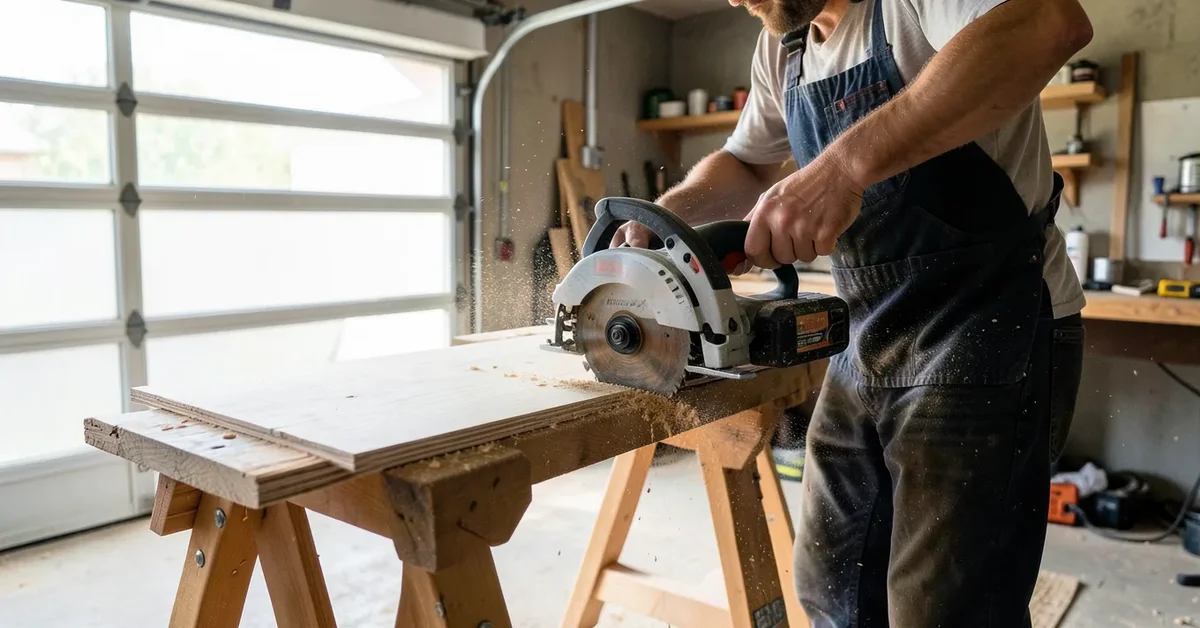
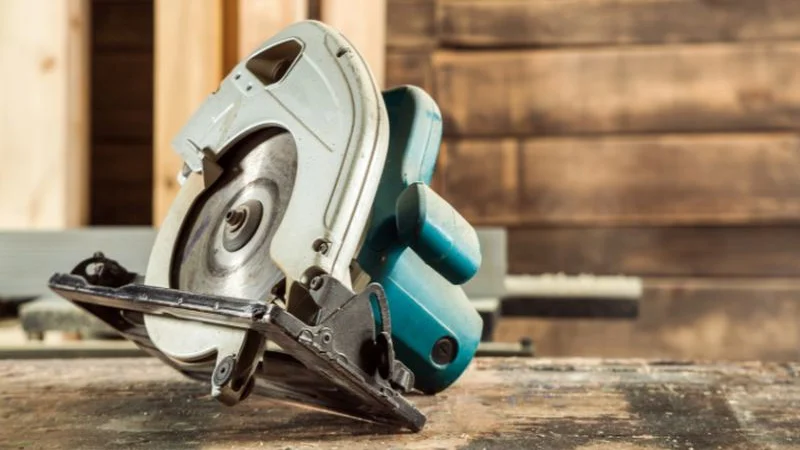
It’s a portable power tool with a round, toothed blade spinning at roughly 4,000-6,000 RPM, mounted on an adjustable base plate (the “shoe”) that you guide along the material. Instead of a power cord, it runs on a rechargeable lithium-ion battery. Blade sizes typically range from 4-1/2 to 7-1/4 inches, and the saw can make crosscuts, rip cuts, bevel cuts, and plunge cuts depending on the model and your technique.
Key Features That Actually Matter
| Feature | Why It Matters | What To Look For |
|---|---|---|
| Battery Voltage | Determines power and realistic runtime | 18V or 20V covers most home and DIY work |
| Blade Size | Sets maximum cutting depth | 7-1/4″ for general use (cuts up to ~2-1/2″ thick material); 4-1/2″ for compact/tight-space work |
| Brushless Motor | More efficient, cooler-running, less maintenance, longer battery life per charge | Worth the extra cost on a saw you’ll use regularly |
| Bevel Capacity | Needed for angled cuts (trim, furniture) | At least 45°, with easy-to-read scale and smooth adjustment |
| Safety Features | Reduces injury risk from a spinning blade | Electric brake, blade guard, lock-off switch |
| Build/Ergonomics | Comfort and control over long sessions | Magnesium/aluminum shoe, over-molded grip, good balance |
Types Of Cordless Circular Saws
Sidewinder Saws
The most common configuration – the motor sits beside the blade, keeping the saw compact and light. This is the right default for general DIY work, plywood, and framing lumber.
Worm-Drive Saws
The motor sits in line with the handle, delivering more torque at the cost of extra weight and typically a higher price. Better suited to heavy framing or thick hardwood where raw torque matters more than weight.
Compact Circular Saws
Smaller blades (4-1/2 to 5-1/2 inches) in a lightweight body, built for trim work, thin panels, and tight spaces rather than heavy cutting depth.
Plunge (Track) Saws
The blade retracts into a guard and plunges down into the material, typically run along a separate guide track. These give the cleanest, most splinter-free cuts on sheet goods like cabinet-grade plywood, but cost more and are overkill unless you cut a lot of sheet material.

Choosing The Right Blade
- Tooth count: More teeth (40-60) give smoother cuts for plywood and finish work; fewer teeth (24) cut faster through rough framing lumber.
- Blade material: Carbide-tipped blades stay sharp longer and handle a wider range of materials than plain steel.
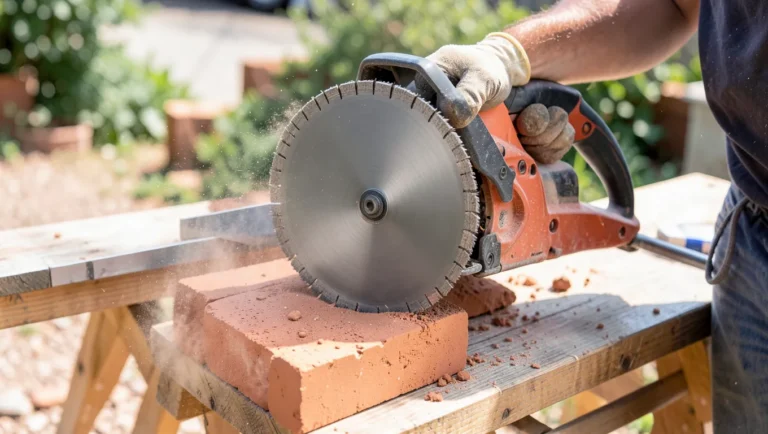
- Specialty blades: Metal- or masonry-rated blades are required for those materials – a wood blade is not a safe substitute.
- Kerf width: Thin-kerf blades cut faster and put less strain on the battery, at some cost to durability – a reasonable trade for lighter-duty cuts.
A dull blade is easy to spot: if it’s smoking the wood, burning the cut edge, or forcing you to push harder than usual, replace it before it strains the motor or increases kickback risk.
Using A Cordless Circular Saw Safely
- Gear up: Safety glasses always, hearing protection for longer sessions, and no loose clothing or hair near the blade.
- Check the saw: Confirm the blade is sharp, the battery is charged, the guard moves freely, and the base plate sits square.
- Mark the cut: A pencil and straightedge (or a chalk line for long cuts) beats eyeballing it every time.
- Set the depth: About 1/8 inch deeper than the material – deeper than needed increases kickback risk for no benefit.
- Secure the material: Clamp the workpiece to sawhorses or a stable surface before cutting, never hold it by hand.
- Cut steadily: Let the blade reach full speed before contact, then guide it through without forcing or twisting.
- Finish safely: Let the blade stop completely before setting the saw down – an electric brake makes this faster.
Maintaining Your Saw
- Clear sawdust from the blade guard and motor vents after big projects (a brush and compressed air work well).
- Replace dull or damaged blades promptly to avoid straining the motor.
- Store batteries in a cool, dry place and avoid letting them sit fully discharged for long periods.
- Add a drop of oil to the blade guard pivot if it starts sticking, and check the base plate periodically for dents that would throw off cut accuracy.
Frequently Asked Questions
What’s the difference between a corded and cordless circular saw?
A corded saw plugs into an outlet for unlimited runtime but ties you to a power source and an extension cord. A cordless saw runs on a rechargeable battery, trading some runtime and up-front cost for the freedom to work anywhere – up a ladder, across a yard, or on a job site with no outlet.
How long does a cordless circular saw battery last?
It depends on the battery’s amp-hour (Ah) rating and what you’re cutting. A 5.0 Ah battery typically supports roughly 1-2 hours of realistic on-and-off cutting (not continuous), which is why most people who use their saw daily keep a second battery charged and ready.
Can a cordless circular saw cut metal or masonry?
With the right blade, yes. A standard wood-cutting carbide-tipped blade won’t do it safely, but swapping to a blade specifically rated for metal or masonry lets the same saw handle those materials – always confirm the blade is rated for your saw’s RPM and blade diameter first.
Is a brushless motor worth paying extra for?
Generally yes if you’ll use the saw regularly. Brushless motors run more efficiently, generate less heat, need less maintenance, and get meaningfully more runtime per battery charge than an older brushed motor – the extra upfront cost is usually paid back in battery life and reduced wear over the saw’s life.
Are cordless circular saws safe for beginners?
Yes, with the standard precautions: safety glasses, hearing protection, a securely clamped workpiece, and both hands on the saw. Practice straight cuts on scrap wood first, and always let the blade reach full speed before it touches the material rather than starting the cut from a dead stop.
Conclusion
A cordless circular saw is the right call once you’re tired of fighting an extension cord or need to cut somewhere power isn’t available. Start with a mid-range 7-1/4-inch brushless sidewinder from a brand whose battery platform you already own (or plan to build into), and add a compact saw later if you find yourself doing a lot of trim or tight-space work.
Sponsored / affiliate links. As an Amazon Associate I earn from qualifying purchases. I may earn additional commission from eligible campaigns.