Advantech Subfloor vs Plywood: Weighing Choices for Your Project
Choosing the right subfloor can be tricky, especially if you’re new to home improvement. The question of Advantech Subfloor vs Plywood: Pros and Cons often pops up for DIYers and contractors alike. It’s a common area where people get stuck because there’s a lot to consider: cost, durability, ease of installation, and how it handles moisture. But don’t worry! This guide breaks down everything you need to know, step by step, so you can make the best choice for your specific needs. Let’s get started exploring the details!
What is a Subfloor and Why Does It Matter?
Before jumping into a comparison of Advantech Subfloor vs Plywood: Pros and Cons, it’s essential to grasp what a subfloor is and its role in a construction project. The subfloor is the structural layer directly beneath your flooring material. Think of it as the foundation upon which your final floor, whether it’s hardwood, tile, or carpet, rests. Its job is to provide a stable, level, and strong base.
The subfloor supports the weight of everything in the room, from furniture to people. It also helps distribute the load, preventing the flooring from sagging or buckling. Beyond support, the subfloor contributes to the overall stability and longevity of your flooring system. A well-installed subfloor can also help improve insulation and reduce noise transmission between floors. Proper subflooring installation is a critical first step. An improperly installed subfloor can lead to problems like squeaky floors, uneven surfaces, and even damage to your finished flooring over time.
Subfloor Materials Explained
Several materials are commonly used for subfloors. Two of the most popular are plywood and Advantech. Knowing the differences is vital for a successful project. Let’s delve deeper into each, starting with plywood.
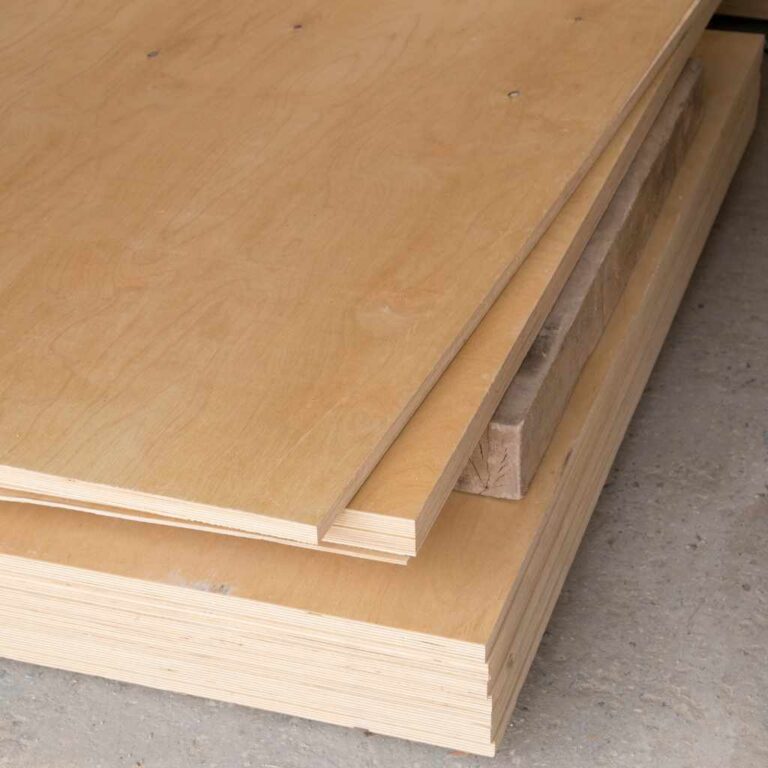
Plywood: Plywood is made from thin layers of wood veneer, called plies, glued together with alternating grain direction. This construction technique makes plywood strong and resistant to warping. Plywood is a cost-effective option and widely available. It comes in various grades depending on the intended use. The grade determines the quality of the wood and the number of imperfections, influencing its strength and appearance.
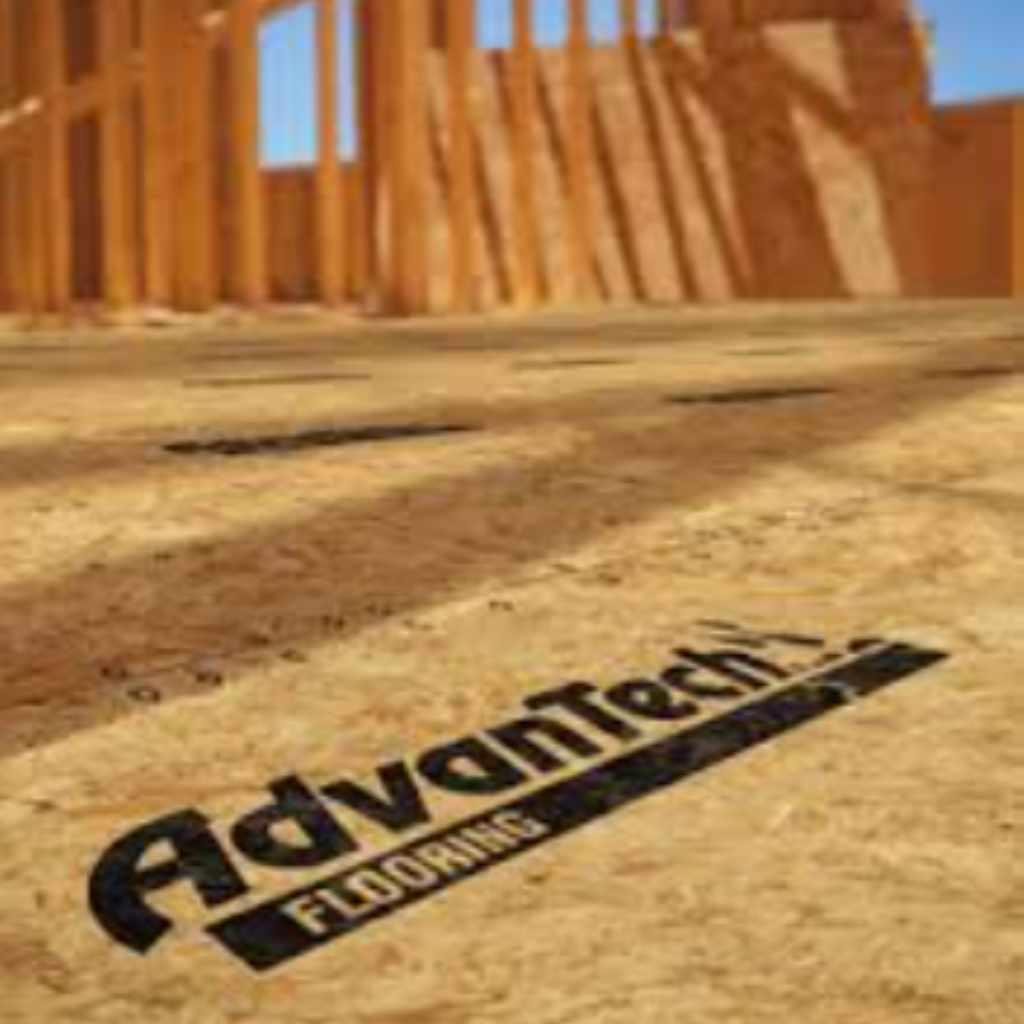
Advantech: Advantech is an engineered wood product. It’s made from wood strands (flakes) bonded with a resin adhesive under heat and pressure. The manufacturing process creates a solid, durable panel with excellent moisture resistance. Advantech is known for its consistent thickness, making it ideal for creating a smooth and level surface. This consistency reduces the chances of squeaks and other issues.
Oriented Strand Board (OSB): OSB is very similar to Advantech. Both are engineered wood products. The main difference lies in the resin used and the manufacturing process. While both provide good structural support, OSB is generally a more affordable option. It’s also less resistant to moisture compared to Advantech. OSB is often used in situations where cost is the main driver.
Solid Lumber: Solid lumber subflooring is less common than plywood or engineered wood. It’s constructed from boards of solid wood. Solid lumber subfloors offer excellent strength and can be a good choice for projects. However, they’re more susceptible to warping and require careful installation to ensure they remain flat and level. Solid lumber is often a premium option.
Advantech Subfloor: Detailed Examination
Advantech has become a popular choice for subfloors, and for good reason. It offers several benefits that make it a standout. However, it’s not without its drawbacks. A complete understanding of the Advantech Subfloor vs Plywood: Pros and Cons requires a close look at Advantech’s specific features.
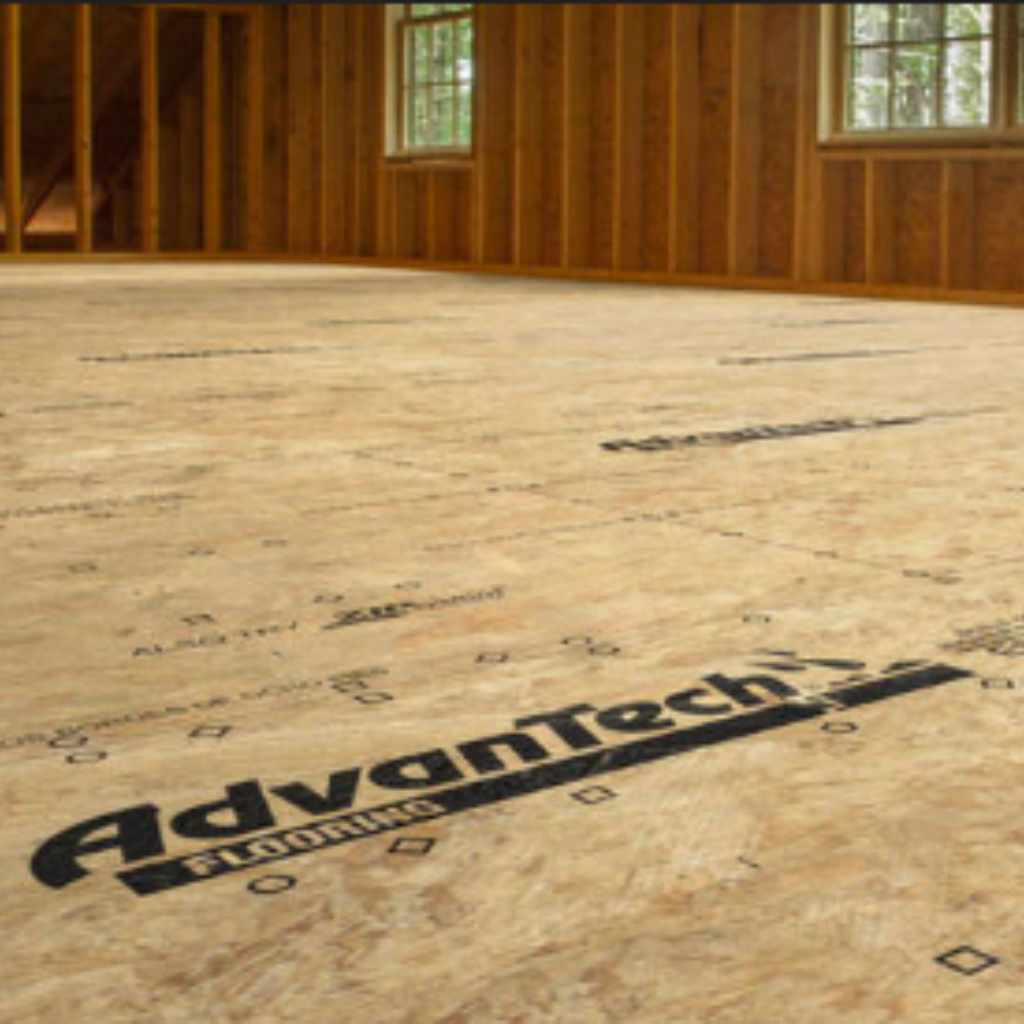
Advantech is manufactured with a focus on moisture resistance. It utilizes a special adhesive and a wax coating, minimizing water absorption and swelling. This is crucial for areas prone to humidity or potential water damage, like bathrooms or basements. Its consistent thickness also makes installation easier, allowing for a level and smooth floor. Advantech’s robust design allows it to handle heavy loads, reducing the chance of deflection or issues.
Advantages of Advantech
Advantech has several key advantages. It’s essential to understand these before deciding on which material to use.
Superior Moisture Resistance: Advantech is designed to withstand moisture. This makes it a great choice for areas where water exposure is a risk. Advantech typically has a very low rate of water absorption. This is a significant advantage over plywood. It helps prevent swelling, cupping, and other issues that can damage flooring.
Consistent Thickness: The uniform thickness of Advantech is another advantage. It makes for easier installation and a more level floor surface. This consistency reduces the likelihood of imperfections, which makes the finishing process much easier. A level subfloor is crucial for the overall appearance and longevity of your flooring. A smooth surface ensures your flooring looks its best and performs well.
Strong and Durable: Advantech is known for its strength and durability. It can withstand heavy loads, providing a solid foundation for your flooring. Advantech can handle foot traffic and heavy furniture. This durability contributes to the long life of your flooring system. The panels are designed to resist bending and sagging.
Ease of Installation: Advantech’s tongue-and-groove edges often allow for a quick and simple installation. This can save time and money on labor costs. These edges also help to create a tight and secure fit. Many people find Advantech easier to work with than plywood because it cuts and fastens more cleanly. It can also reduce the chances of squeaks and other issues.
Warranty: Many manufacturers offer warranties on Advantech, providing added peace of mind. This can be a huge factor for homeowners and contractors. These warranties show the manufacturer’s confidence in the product’s performance and longevity. These usually cover defects and issues related to the product itself, providing some protection against unforeseen problems.
Disadvantages of Advantech
While Advantech is a great option, it also has some drawbacks to consider when comparing Advantech Subfloor vs Plywood: Pros and Cons. Let’s delve into what these are:
Higher Cost: Advantech generally costs more than plywood. This can impact your overall budget. This is something to consider. The increased cost is usually related to the manufacturing process, materials, and added features like moisture resistance. The initial cost can be a barrier for some projects.
Can be More Difficult to Cut: Advantech can be slightly more challenging to cut than plywood. It’s important to have sharp tools and use the correct techniques. This may increase the time spent on the project. Proper cutting techniques are essential to prevent chipping and ensure a clean edge. Carbide-tipped blades are often recommended for Advantech.
May Require Special Fasteners: For optimal performance, Advantech may require specific fasteners. Following manufacturer’s recommendations for screws and nails is crucial. Using the correct fasteners helps maintain the integrity of the subfloor. Using the wrong fasteners can compromise the board’s strength and overall performance.
Potential for Swelling if Exposed: Although Advantech is moisture-resistant, prolonged exposure to water can cause it to swell. It’s critical to protect it from standing water during construction. While it handles water better than plywood, prolonged exposure to water could lead to issues. Be sure to address any leaks or spills promptly to prevent damage.
Plywood Subfloor: A Closer Look
Plywood has been a standard subfloor choice for many years, and continues to be. Knowing the features of plywood is essential for the Advantech Subfloor vs Plywood: Pros and Cons evaluation. It offers a balance of cost, strength, and ease of use, which makes it a good option.
Plywood’s structure, with its layers of wood veneer, provides good strength and stability. Plywood is also readily available at most home improvement stores. Plywood is available in a range of grades, from construction grade to higher-end options. The grades help determine its quality and suitability for different applications. Plywood is known for its versatility. It can be used in a wide range of building projects.
Advantages of Plywood
Plywood has its own set of advantages that make it an attractive option for subfloors. Here’s a detailed explanation:
Cost-Effectiveness: Plywood is often more affordable than Advantech. This can make a huge difference in the overall project budget. The initial cost savings can be significant, especially for larger projects. This allows you to allocate funds to other aspects of the project. Plywood is widely available and easy to source.
Ease of Cutting and Installation: Plywood is relatively easy to cut and install. This can save time and effort during the construction phase. Plywood is easy to work with using standard carpentry tools. This can make the project simpler, especially for DIYers. This helps reduce labor costs and project time.
Good Strength and Stability: Plywood offers good strength and dimensional stability. This provides a reliable foundation for your flooring. The alternating grain direction in plywood adds to its strength and resists warping. Plywood typically meets the structural requirements for residential and commercial flooring. Properly installed plywood can support heavy loads.
Wide Availability: Plywood is widely available at most home improvement stores and lumberyards. This makes it a convenient option. This broad availability means you can purchase it with ease. This also helps guarantee easy access to supplies, saving time. It’s often available in different grades and thicknesses.
Disadvantages of Plywood
Let’s consider the disadvantages to help in the Advantech Subfloor vs Plywood: Pros and Cons comparison.
Lower Moisture Resistance: Plywood is more susceptible to moisture damage than Advantech. This can lead to swelling, cupping, and other issues. Plywood can absorb moisture more easily than Advantech. Exposure to water can cause it to warp and lose its structural integrity. Plywood is less suitable for areas prone to humidity or water exposure.
Potential for Uneven Surface: Plywood may have slight variations in thickness. This can result in an uneven floor surface if not installed carefully. These variations can make it challenging to achieve a perfectly level surface. Careful installation techniques are needed, such as shimming, to level the surface. These imperfections can impact the overall appearance and performance.
May Require More Fasteners: Plywood may need more fasteners for secure installation compared to Advantech. This can increase installation time and cost. Using enough fasteners is critical. It helps to ensure that the subfloor is securely attached to the joists. The quantity will depend on the thickness of the plywood and the spacing of the floor joists.
Susceptible to Warping: Plywood can warp or cup if not stored properly or if exposed to moisture. Proper storage and handling are crucial. This is particularly important before installation, to prevent issues later on. Ensure it’s protected from moisture, so it maintains its shape and structural integrity. A flat surface is vital for a good result.
Detailed Comparison: Advantech vs. Plywood
Now, let’s explore a detailed comparison of Advantech Subfloor vs Plywood: Pros and Cons using a helpful table.
| Feature | Advantech | Plywood |
|---|---|---|
| Moisture Resistance | Excellent | Good, but less than Advantech |
| Thickness Consistency | Very Consistent | Can Vary |
| Strength | High | High |
| Ease of Installation | Good, Often with Tongue and Groove | Good, Easier to Cut |
| Cost | Higher | Lower |
| Warranty | Often Offered | Usually Not Offered |
| Suitable for Moisture-Prone Areas | Yes | Less ideal |
This table gives a clear overview to help you decide.
Real-Life Examples
Let’s consider two scenarios to understand the application of Advantech Subfloor vs Plywood: Pros and Cons in the real world.
Scenario 1: Bathroom Renovation A homeowner is remodeling a bathroom. The existing plywood subfloor shows signs of water damage, including cupping and mold. Because of the risk of water exposure, Advantech is selected for the new subfloor. The superior moisture resistance of Advantech protects against potential water leaks from a shower or bathtub. The smooth and level surface also makes it perfect for tile installation.
Scenario 2: Bedroom Flooring In this case, the homeowner is replacing the carpet in a bedroom. The project is focused on cost. Plywood is selected as the subfloor for the project. Plywood is more cost-effective. The bedroom is not likely to experience moisture issues. Plywood provides a stable surface for the new flooring.
These examples highlight how the choice between the two materials depends on the needs of the project.
Statistics
According to research, approximately 20% of residential flooring failures are related to moisture damage in the subfloor. This emphasizes the importance of using moisture-resistant materials like Advantech.
A study by the Home Innovation Research Labs revealed that using Advantech can increase the lifespan of a flooring system by up to 10 years compared to plywood in areas with higher humidity.
The average cost difference between Advantech and plywood can range from $0.50 to $1.00 per square foot, depending on the region and supplier. This underscores the need to include the cost factor when comparing Advantech Subfloor vs Plywood: Pros and Cons.
Choosing the Right Subfloor for Your Project
Deciding between Advantech Subfloor vs Plywood: Pros and Cons depends on your priorities and the specific conditions. If moisture resistance is critical, such as in bathrooms, kitchens, or basements, Advantech is often the better choice. It’s designed to withstand moisture. Its consistent thickness also makes installation easier, which can save time and reduce problems.
Plywood, however, is a great option if the budget is more important. It offers good strength and can be a good choice for areas where moisture is less of a concern. Plywood is available in a range of grades. This allows you to choose the quality that best meets your needs. Plywood is easy to install.
Considerations for Your Project
Here are key factors to consider when choosing your subfloor:
Budget: Carefully consider the budget. Advantech generally costs more. Plywood can be the more affordable option. Evaluate how much you want to spend on the subfloor.
Location and Moisture Levels: The location of the subfloor is very important. Think about the risk of water damage. If the project is in a kitchen, bathroom, or basement, moisture resistance is essential. Advantech is usually the better option. Plywood may be suitable for other areas.
Flooring Type: The type of flooring you plan to install can influence your choice. Some flooring materials require a more level surface than others. Advantech’s consistent thickness can be ideal for these situations. Make sure to check the manufacturer’s recommendations for subfloor.
Installation Skills: If you’re doing the installation yourself, consider your experience level. Plywood is generally easier to cut and install. Tongue-and-groove Advantech can save time during installation. Consider any added time and expertise required.
Making the Final Decision
By balancing these factors, you can decide between Advantech Subfloor vs Plywood: Pros and Cons. Assess the specific needs of your project. If budget is key, and moisture is not an issue, plywood can be a great choice. If moisture resistance and a smooth surface are vital, Advantech is an excellent choice. Taking the time to consider these factors will help ensure a great result.
Frequently Asked Questions
Question: Is Advantech stronger than plywood?
Answer: Yes, Advantech is generally considered to be stronger than plywood due to its engineered construction and higher density.
Question: Can I use plywood in a bathroom?
Answer: Yes, but it is not the most ideal choice. If you choose plywood for a bathroom, be sure to use a waterproof sealant and protect it from water.
Question: Which subfloor is better for soundproofing?
Answer: Both Advantech and plywood can be good for soundproofing if used with appropriate underlayment and installation techniques. Advantech’s solid construction helps reduce noise transmission.
Question: Is Advantech more difficult to cut than plywood?
Answer: Yes, in general, Advantech is slightly more challenging to cut than plywood. You may need to use sharper blades and more care when cutting Advantech to prevent chipping.
Question: How do I store subfloor materials before installation?
Answer: Store both Advantech and plywood in a dry, covered area. Keep them flat and supported to prevent warping. Avoid exposing them to direct sunlight or moisture.
Final Thoughts
In the end, choosing between Advantech Subfloor vs Plywood: Pros and Cons depends on your project’s needs. Both materials offer great value and have benefits and drawbacks. Plywood is often the cost-effective option for projects where moisture isn’t a significant concern. Advantech excels where superior moisture resistance and a level surface are essential. Carefully assessing the environment and the budget will lead to the best decision. Remember to factor in your skill level, the type of flooring you’re using, and the potential for water exposure. Do some research and be informed before you start your project. You can achieve a long-lasting and beautiful result.